
The world of displays is a fascinating and ever-evolving landscape. For consumers navigating the purchase of new devices, from e-readers to smartphones and televisions, understanding the underlying display technology can feel like deciphering a complex code. Yet, the choice of display significantly impacts user experience, affecting everything from visual comfort and battery life to color reproduction and viewing angles. This article aims to demystify the three dominant display technologies: E Ink, LCD, and OLED, by exploring their core principles, strengths, weaknesses, and ideal use cases. By the end, readers should possess a clearer understanding of which technology best suits their individual needs and preferences.
The Fundamental Differences: How They Create an Image
At their heart, all displays convert electrical signals into visible light. However, E Ink, LCD, and OLED achieve this through fundamentally different mechanisms, leading to their distinct characteristics. Understanding these foundational differences is key to appreciating their respective advantages and disadvantages.
E Ink: The Art of Reflecting Light
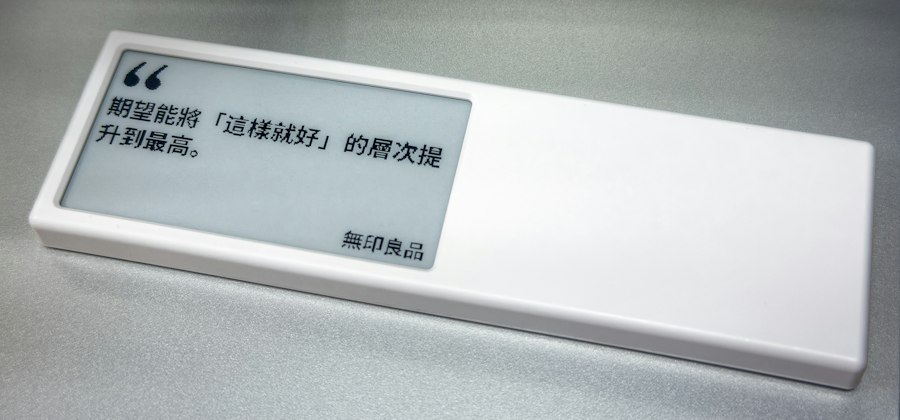
E Ink, often referred to as electrophoretic ink, operates on a principle that mimics traditional paper. Instead of emitting light, E Ink displays reflect ambient light. The technology uses microcapsules, each containing positively charged white particles and negatively charged black particles suspended in a fluid. When an electric field is applied, these particles migrate to the surface of the microcapsule, creating either a black or white dot. This process is remarkably power-efficient, as it only consumes energy when the image is being changed. Once an image is set, it requires no power to maintain. This characteristic is a cornerstone of its appeal for specific applications.
LCD: The Versatility of Liquid Crystals and Backlights
Liquid Crystal Displays (LCDs) have been a mainstay in the display industry for decades. They work by using a backlight (typically LED) to illuminate a layer of liquid crystals. These liquid crystals, when subjected to an electric current, can twist or untwist to block or allow light to pass through. Color filters are then placed in front of the pixels to produce the full spectrum of colors. LCDs are characterized by their ability to achieve high brightness levels and a wide range of refresh rates, making them suitable for diverse applications. However, the need for a backlight means that black levels can be a compromise, as some light inevitably bleeds through.
OLED: The Brilliance of Self-Emitting Pixels
Organic Light-Emitting Diode (OLED) displays represent a more recent advancement, offering a significant leap in image quality for many. In an OLED display, each individual pixel is capable of emitting its own light. This is achieved through organic compounds that glow when an electric current passes through them. This self-emissive nature has profound implications. It allows for perfect blacks, as pixels can be turned off entirely, and exceptionally high contrast ratios. Furthermore, OLEDs are known for their vibrant colors, wide viewing angles, and incredibly fast response times.
When considering the best display technology for your needs, it’s essential to understand the differences between E Ink, LCD, and OLED. Each technology has its unique advantages and disadvantages, making them suitable for various applications. For a deeper dive into these display types and their respective benefits, you can read a related article at Freaky Science. This resource provides valuable insights that can help you make an informed decision based on your specific requirements.
Key Performance Metrics: What Matters Most to Users

When evaluating display technologies, several performance metrics are crucial for understanding their real-world impact on user experience. These metrics cover aspects like visual clarity, color accuracy, power consumption, and suitability for different lighting conditions.
Readability and Eye Comfort: A Tale of Two Worlds
The primary differentiator for E Ink when compared to both LCD and OLED is its unparalleled readability and eye comfort, especially for extended reading sessions. Because E Ink mimics the appearance of printed paper by reflecting ambient light, it reduces eye strain considerably. There is no backlight to emit harsh light directly into the user’s eyes, making it feel natural and akin to reading a physical book. This is a significant advantage for e-readers, where the primary function is text consumption. LCD and OLED displays, while offering superior visual fidelity in other areas, can induce eye fatigue over long periods due to their emissive nature and the constant presence of a backlight or self-illuminating pixels.
Color Reproduction and Contrast: The Vibrant Spectrum
When it comes to vibrant colors and deep blacks, OLED technology generally reigns supreme. The self-emissive nature of OLED pixels allows for individual control, enabling each pixel to be completely turned off for true blacks and exceptionally high contrast ratios. This results in images that pop with depth and realism, making them ideal for consuming media and gaming. LCDs can produce good color and contrast, especially with advanced technologies like quantum dots, but they struggle to achieve the perfect blacks of OLED due to backlight bleed. E Ink, in its traditional form, is monochromatic or has a limited color palette and is not designed for vibrant color reproduction. While color E Ink exists, it is typically muted and less impactful than its LCD and OLED counterparts.
Brightness and Viewing Angles: Visibility in Any Environment
Brightness and viewing angles are critical for ensuring a display is usable in various conditions. LCDs generally excel at brightness, making them highly visible even in direct sunlight. This makes them a popular choice for outdoor devices and high-contrast environments. Their viewing angles have improved significantly over the years, but at extreme angles, color and contrast can still degrade. OLED displays also offer excellent brightness, though typically not as high as the brightest LCDs. However, their advantage lies in their near-perfect viewing angles. The colors and contrast remain consistent regardless of the angle from which the screen is viewed, a significant benefit for shared viewing experiences or when repositioning the device. E Ink, being reflective, is highly dependent on ambient light. It performs best in well-lit environments and can be difficult to read in very dim conditions without an external light source.
Power Consumption: The Battery Life Equation
Power consumption is a significant factor for portable devices. E Ink technology is the undisputed champion in this regard. Its ability to retain an image without continuous power consumption means that devices like e-readers can last for weeks on a single charge. This makes it an ideal choice for devices where battery longevity is paramount. LCD displays are moderately power-hungry, with the backlight being the primary drain. OLED displays can vary in power consumption. While they can be more efficient than LCDs when displaying darker content (as pixels are off), they consume more power when displaying bright, full-screen images due to the need to power individual pixels.
Applications: Where Each Technology Shines
The unique characteristics of E Ink, LCD, and OLED lend themselves to specific applications where their strengths are maximized. Understanding these ideal use cases can help consumers make informed decisions based on their primary needs.
E-Readers: The Domain of E Ink
E Ink has found its niche as the dominant technology for dedicated e-readers. The fundamental reason is its paper-like quality, which provides a comfortable and strain-free reading experience for extended periods. Devices like Amazon Kindle and Kobo e-readers leverage E Ink’s reflective nature to simulate the look and feel of printed books. The low power consumption also contributes to incredibly long battery life, allowing users to read for days or weeks without needing to recharge, making them perfect companions for travel and long commutes. The lack of a harsh backlight also means users can read comfortably in bed without disturbing others or straining their eyes in the dark.
Smartphones and Tablets: The Versatile LCD and OLED Contenders
The mobile device market is a battleground where both LCD and OLED technologies have carved out significant territory. Historically, LCD has been the go-to for many smartphones and tablets due to its good brightness, color reproduction, and cost-effectiveness. It offers a vibrant visual experience suitable for everyday use, from browsing the web to watching videos. However, OLED technology has made substantial inroads, particularly in higher-end devices. Its superior contrast, perfect blacks, and energy efficiency (especially with dark themes) are highly attractive. Furthermore, OLED’s ability to be implemented in flexible form factors has enabled curved screens and even foldable displays. The choice between LCD and OLED on a smartphone or tablet often comes down to budget, desired image quality, and specific manufacturer implementations.
Televisions and High-End Displays: The OLED and Advanced LCD Showdown
In the realm of televisions and high-end monitors, OLED technology often commands a premium for its breathtaking image quality. The ability to display perfect blacks and achieve incredibly high contrast ratios makes OLED panels exceptional for cinematic experiences and gaming. The vibrant colors and wide viewing angles further enhance immersion. However, advanced LCD technologies, such as QLED (Quantum Dot LED), have emerged as strong competitors. QLED displays utilize quantum dots to enhance color brightness and accuracy, often surpassing traditional LCDs and even rivaling OLED in peak brightness. While QLEDs still rely on a backlight, their sophisticated local dimming techniques can significantly improve black levels and contrast. The choice here often depends on budget, preference for absolute black levels versus peak brightness, and the specific content being consumed.
Strengths and Weaknesses: A Comparative Overview
To synthesize the information, it is beneficial to summarize the core strengths and weaknesses of each technology in a direct comparison. This allows for a quick assessment of their suitability for different user priorities.
E Ink: The Champion of Simplicity and Efficiency
Strengths:
- Exceptional Eye Comfort: Mimics paper, significantly reducing eye strain for reading.
- Unmatched Power Efficiency: Extremely long battery life, often weeks on a single charge.
- Excellent Sunlight Readability: Reflective nature makes it highly visible in bright conditions.
- No Glare: Unlike emissive screens, it doesn’t produce glare.
- Lightweight and Thin: Enables very portable devices.
Weaknesses:
- Limited Refresh Rate: Slow to change images, leading to ghosting and lag, making it unsuitable for video or fast-paced gaming.
- Monochromatic or Limited Color: Traditional E Ink is black and white. Color E Ink exists but has muted colors and lower contrast.
- Dependent on Ambient Light: Requires external light for comfortable viewing in dim environments.
- Lower Resolution Perception: Text can appear slightly less sharp than on high-resolution emissive displays.
LCD: The Jack-of-All-Trades Display
Strengths:
- High Brightness: Excellent for use in well-lit environments and outdoors.
- Good Color Reproduction: Can display a wide range of colors, especially with advanced technologies.
- Fast Refresh Rates: Suitable for gaming and smooth video playback.
- Cost-Effective: Generally more affordable to produce than OLED.
- Mature Technology: Well-established and widely available.
Weaknesses:
- Imperfect Blacks and Contrast: Backlight bleed means blacks are often grayish, and contrast is not as high as OLED.
- Viewing Angle Limitations: Color and contrast can degrade at extreme angles.
- Higher Power Consumption than E Ink: Backlight is a significant power drain.
- Potential for Backlight Bleed: Uneven illumination can be visible.
OLED: The Pinnacle of Visual Fidelity
Strengths:
- Perfect Blacks and Infinite Contrast: Pixels can be turned off for true black, creating stunning depth.
- Vibrant Colors: Exceptional color accuracy and saturation.
- Wide Viewing Angles: Colors and contrast remain consistent from all angles.
- Fast Response Times: Excellent for gaming and motion clarity.
- Energy Efficient for Dark Content: Consumes less power when displaying dark images.
- Flexibility: Enables innovative form factors like curved and foldable displays.
Weaknesses:
- Burn-in Risk: Static images displayed for extended periods can cause permanent ghosting.
- Lower Peak Brightness than Top LCDs: Can struggle in extremely bright direct sunlight.
- Higher Power Consumption for Bright Content: Consumes more power when displaying bright, full-screen images.
- Higher Cost: Generally more expensive to manufacture than LCDs.
When considering the best display technology for your needs, it’s essential to understand the differences between e-ink, LCD, and OLED screens. Each technology has its unique advantages and drawbacks, making them suitable for various applications. For a deeper dive into this topic, you can explore a related article that discusses the pros and cons of these display types in detail. Check it out here to gain more insights into which technology might be the best fit for your next device.
Making the Right Choice: Aligning Technology with Your Needs
| Feature | E Ink | LCD | OLED |
|---|---|---|---|
| Display Type | Electrophoretic (electronic paper) | Liquid Crystal Display | Organic Light Emitting Diode |
| Power Consumption | Very low (only uses power when changing image) | Moderate to high (backlight always on) | Moderate (power depends on brightness and color) |
| Color Capability | Mostly grayscale, some color versions available | Full color | Full color with high saturation |
| Brightness | Reflective, requires external light | Backlit, bright in dark environments | Self-emissive, very bright and vivid |
| Viewing Angle | Wide viewing angle | Good viewing angle, but can degrade with some panels | Excellent viewing angle |
| Response Time | Slow (hundreds of milliseconds) | Fast (milliseconds) | Very fast (microseconds) |
| Contrast Ratio | High in bright light | Moderate | Very high |
| Durability | Good, less prone to burn-in | Good | Can suffer from burn-in over time |
| Typical Use Cases | E-readers, low-power displays | Monitors, TVs, smartphones | High-end smartphones, TVs, wearables |
The “best” display technology is not a universal truth; it is entirely subjective and depends on an individual’s priorities and intended use. By carefully considering the strengths and weaknesses of E Ink, LCD, and OLED, consumers can make an informed decision that aligns with their personal preferences and the specific tasks they want their devices to perform.
For the dedicated reader who prioritizes comfort, long battery life, and a distraction-free experience, an E Ink device, such as a dedicated e-reader, is unequivocally the superior choice. The ability to read for extended periods without eye strain, coupled with the exceptional battery longevity, makes it ideal for bookworms and travelers alike. It offers a focused and immersive reading environment that no other display technology can replicate.
When it comes to versatile devices like smartphones and tablets, the decision becomes more nuanced. If vibrant colors, deep blacks, and an immersive viewing experience for media consumption are paramount, and budget allows, an OLED display is often the preferred option. The stunning visual fidelity it provides enhances everything from watching movies to playing games. However, if brightness, cost-effectiveness, and a generally good all-around visual experience are more important, a high-quality LCD display remains a strong contender. Many modern LCDs offer excellent color accuracy and brightness levels that are more than sufficient for the average user. The choice here often hinges on whether one is willing to invest more for the absolute best in visual quality.
For televisions and high-end monitors, the landscape is dominated by a competition between OLED and advanced LCD technologies like QLED. Those who crave the ultimate in cinematic picture quality, with perfect blacks and unparalleled contrast, will likely gravitate towards OLED. Its ability to deliver true blacks creates a depth and realism that is difficult to match, especially for dark scenes in movies. On the other hand, if maximum brightness for well-lit rooms or a more budget-friendly, yet still premium, viewing experience is desired, advanced LCDs like QLED offer compelling alternatives. These displays can achieve very high brightness levels and excellent color volume, providing a vibrant and engaging picture. Ultimately, the decision in this segment often comes down to a balance of budget, viewing environment, and the specific nuances of image processing and panel technology employed by different manufacturers.
In conclusion, understanding the fundamental differences, key performance metrics, and ideal applications of E Ink, LCD, and OLED empowers consumers to make the most suitable choice for their technological needs. Each technology offers a unique set of advantages, and by aligning these strengths with individual priorities, users can ensure they are investing in a display that will provide the best possible experience.

Why Your Kindle Screen Doesn’t Work the Way You Think
FAQs
What is the main difference between e ink, LCD, and OLED displays?
E ink displays use electronic ink technology that mimics the appearance of traditional ink on paper, providing a paper-like reading experience. LCD displays use liquid crystals to display images and require a backlight to be visible. OLED displays use organic light-emitting diodes to produce light and colors directly, resulting in vibrant and high-contrast images.
Which type of display is best for reading e-books?
E ink displays are considered the best for reading e-books due to their paper-like appearance, lack of glare, and low power consumption. They are easier on the eyes and provide a comfortable reading experience for extended periods, similar to reading from a physical book.
Are OLED displays better for watching videos and playing games compared to e ink and LCD displays?
Yes, OLED displays are better for watching videos and playing games compared to e ink and LCD displays. OLED technology offers vibrant colors, high contrast ratios, and fast response times, making it ideal for multimedia content consumption and gaming.
Which type of display consumes the least amount of power?
E ink displays consume the least amount of power among e ink, LCD, and OLED displays. E ink technology only requires power when the content on the screen changes, making it extremely energy-efficient and allowing devices with e ink displays to have long battery life.
Can e ink displays display color like LCD and OLED displays?
While traditional e ink displays are grayscale and only display black and white, newer e ink displays can also show color. However, the color reproduction of e ink displays is not as vibrant as that of LCD and OLED displays, which are capable of displaying a wide range of colors.