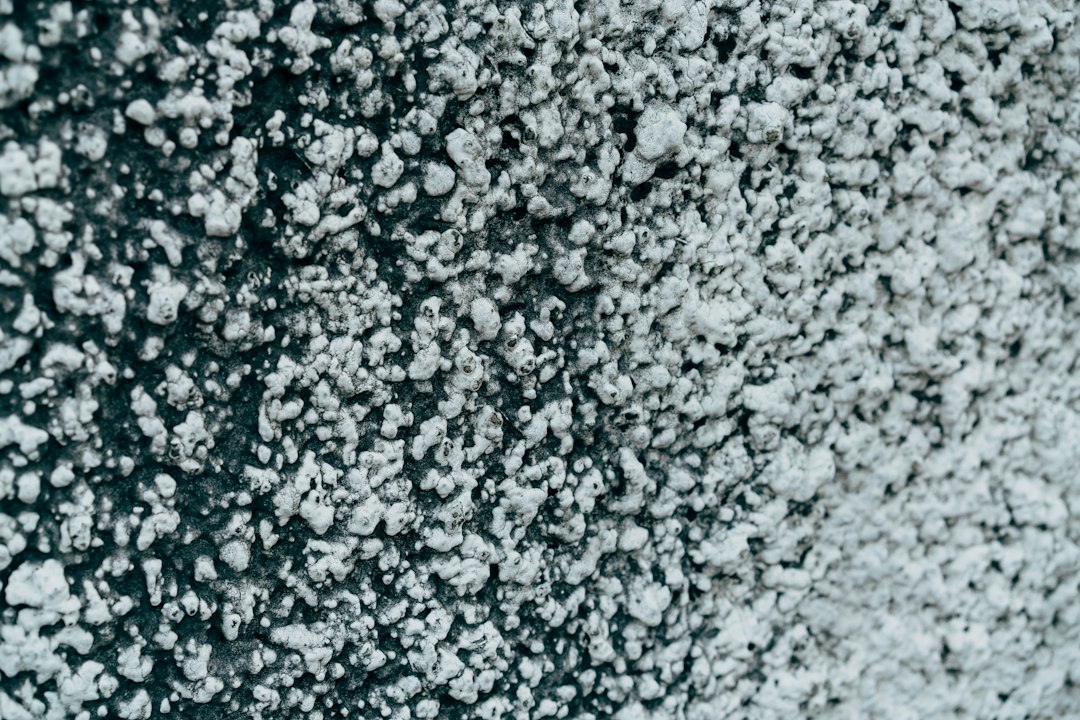
The world of color, as perceived by the human eye, is a complex interplay of light and matter. Among the most fundamental and widely used pigments in paints are white and black. While their visual opposition is stark, the scientific principles governing their opacity, hue, and behavior are deeply rooted in their material composition and the way they interact with light. Understanding the science behind these seemingly simple pigments reveals a sophisticated world of particle physics, chemistry, and optical properties that contribute to the vast spectrum of color we experience.
The Fundamental Nature of White Pigments: Scattering Light
White pigments are not inherently “white” in the way a single wavelength of light is. Instead, their whiteness arises from their ability to reflect and scatter almost all wavelengths of visible light equally. This diffusion of light across the spectrum tricks the eye into perceiving white. The key to this phenomenon lies in the physical structure and chemical composition of the pigment particles.
Titanium Dioxide: The Dominant White Pigment
The undisputed king of white pigments in modern paints is titanium dioxide (TiO₂). Its widespread dominance is due to a remarkable combination of properties.
Crystal Structure and Refractive Index
Titanium dioxide exists in several crystalline forms, with rutile and anatase being the most commercially significant for pigment applications. Rutile is generally preferred for its superior refractive index, which is a measure of how much light bends as it enters a material. A higher refractive index means light bends more, leading to greater scattering. The refractive index of rutile TiO₂ is approximately 2.7, significantly higher than most other common white pigments. This high refractive index is crucial for TiO₂’s excellent hiding power, meaning it can effectively cover underlying surfaces with a thin layer.
The interaction of light with a TiO₂ particle is not about absorption but about refraction and reflection at the countless interfaces between the particle and the surrounding medium (typically the binder in the paint). When light strikes a TiO₂ particle, it is scattered in multiple directions. Because the particle is significantly larger than the wavelengths of visible light, it effectively acts as a small mirror and prism, deflecting the light. The sheer number of these particles, packed within the paint matrix, ensures that a broad spectrum of light is scattered back to the observer. The uniform scattering of all visible wavelengths (roughly 400-700 nanometers) is what results in the perception of white.
Particle Size and Morphology
The effectiveness of TiO₂ as a white pigment is also critically dependent on its particle size and morphology. Pigment particles are engineered to be within a specific size range, typically around 0.2 to 0.3 micrometers. Particles that are too small will not scatter light efficiently, while particles that are too large can lead to a chalky appearance and reduced tinting strength.
The shape of the particles also plays a role. While often described as spherical, TiO₂ particles can have irregular shapes depending on the manufacturing process. This irregularity can contribute to more diffuse scattering. Surface treatments are often applied to TiO₂ particles to improve their dispersibility in paint binders, prevent agglomeration, and enhance their durability and UV resistance. These treatments, often involving inorganic oxides like alumina and silica, create a layered structure around the TiO₂ core, further influencing light scattering and pigment performance.
Other White Pigments: Historical and Niche Applications
While TiO₂ reigns supreme, other white pigments have played significant roles historically and continue to find niche applications.
Lead White (Basic Lead Carbonate)
Lead white, chemically known as basic lead carbonate (2PbCO₃·Pb(OH)₂), was the predominant white pigment for centuries. Its excellent opacity, durability, and historical significance in art cannot be overstated. However, its extreme toxicity has led to its near-total replacement by titanium dioxide in most applications, particularly in architectural and consumer paints. Lead white works by scattering light due to its crystalline structure and the presence of lead atoms, which have a high electron density and interact strongly with light. Its characteristic warm undertone, often favored by artists, is due to subtle absorption of bluer wavelengths.
Zinc White (Zinc Oxide)
Zinc oxide (ZnO) is another white pigment, though less opaque and with a bluer undertone compared to titanium dioxide. It offers good UV resistance and is often used in combination with TiO₂ or in specific applications like primers and artists’ paints where its cooler hue is desirable. ZnO’s white appearance is also a result of light scattering, though its refractive index is lower than TiO₂.
Chalk and Kaolin (Calcium Carbonate and Kaolinite)
Calcium carbonate (CaCO₃), commonly known as chalk or whiting, and kaolinite (a type of clay) are less expensive white pigments. They are often used as extenders or fillers in paints, contributing to the bulk and rheology of the paint rather than providing primary opacity. Their whiteness is due to their fine particle size and the scattering of light, but their optical properties are less intense than TiO₂.
In the exploration of color and its applications in various fields, the article on pigment particles provides valuable insights into the properties and uses of white and black pigments. These pigments play a crucial role in art, design, and manufacturing, influencing everything from aesthetic appeal to functionality. For a deeper understanding of the science behind these pigment particles and their impact on different industries, you can read more in the related article at Freaky Science.
The Enigmatic Nature of Black Pigments: Absorbing Light
In stark contrast to white pigments, black pigments achieve their color by absorbing most of the visible light that strikes them, reflecting very little back to the observer. The absence of reflected light is interpreted by the brain as black. The effectiveness of a black pigment is therefore measured by its degree of light absorption and its ability to create a deep, rich black.
Carbon Black: The Ubiquitous Black
The most common and effective black pigment is carbon black, a form of elemental carbon produced by the incomplete combustion or thermal decomposition of hydrocarbons. Its name itself highlights its fundamental composition.
The Structure of Carbon Black Aggregates
Carbon black is not simply a collection of individual carbon atoms. Instead, it exists as complex, fractal-like aggregates of primary carbon particles. These primary particles, typically ranging from 10 to 500 nanometers in diameter, fuse together during the manufacturing process to form larger structures. The size, shape, and structure of these aggregates, along with the surface chemistry, are crucial for determining the pigment’s properties.
The intense blackness of carbon black arises from its highly efficient absorption of light across the entire visible spectrum. This is due to the electronic structure of carbon, particularly in its graphitic or amorphous forms. The pi electron system within the carbon lattice is highly delocalized, allowing it to readily absorb photons of light across a broad range of energies (wavelengths). When light strikes a carbon black aggregate, it is absorbed by these electrons, causing them to transition to higher energy levels. Very little light is reflected or scattered back.
Variations in Carbon Black Grades
Different grades of carbon black are produced by varying the manufacturing process, feedstock, and post-treatment. These variations lead to significant differences in particle size, aggregate structure, and surface chemistry, which in turn influence the pigment’s tinting strength, undertone, and dispersibility.
- Furnace Black: The most common type, produced by burning fuel oil or natural gas in a limited supply of air. It offers a good balance of properties.
- Channel Black: Historically significant, produced by the partial combustion of natural gas on a channel iron surface. This process yields very fine particles with high tinting strength but is more expensive.
- Thermal Black: Produced by the thermal decomposition of natural gas in the absence of air. It yields larger particles and is often used for its reinforcement properties in rubber.
The undertone of carbon black can range from a bluish-black to a brownish-black, depending on the specific grade and its surface characteristics. Surface treatments can also be applied to improve dispersibility and to modify the rheological properties of the paint.
Other Black Pigments: Traditional and Specialized
While carbon black is dominant, other black pigments exist, often for historical or specialized applications.
Iron Oxides (Black)
Black iron oxide (magnetite, Fe₃O₄) is a naturally occurring mineral that can also be synthesized. It provides a less intense black than carbon black and often has a slightly reddish or brownish undertone. It is known for its good lightfastness and chemical stability, making it suitable for certain industrial coatings and as a component in colored pigments. The absorption properties of iron oxides are related to the electronic transitions within the iron atoms and their coordination with oxygen.
Prussian Blue (Modified)
While Prussian blue is fundamentally a blue pigment, it can be produced with a very dark hue that can appear black, especially when mixed with other pigments or in concentrated form. Its deep, intense color is due to the complex cyanide and iron coordination structure. However, it is generally less opaque and less intensely black than carbon black.
The Interaction of Light: Scattering vs. Absorption

The fundamental difference between white and black pigments lies in their interaction with visible light. This interaction is governed by the physical and chemical properties of the pigment particles.
White: The Reign of Scattering
White pigments are designed to maximize the scattering of light. This is achieved by particles with a high refractive index and an optimized particle size relative to the wavelength of light. When light encounters these particles, it is reflected and refracted in numerous directions.
Mie Scattering and Rayleigh Scattering
The dominant scattering mechanism for pigment particles in paint is Mie scattering. This phenomenon occurs when the size of the scattering particles is comparable to or larger than the wavelength of light. Mie scattering is non-selective with respect to wavelength, meaning it scatters all colors of visible light approximately equally. This is why pigments like titanium dioxide appear white.
Rayleigh scattering, on the other hand, occurs when the scattering particles are much smaller than the wavelength of light. This type of scattering is wavelength-dependent, scattering shorter wavelengths (blue) more effectively than longer wavelengths (red). This is the reason for the blue color of the sky. While not the primary mechanism for white pigments, understanding Rayleigh scattering is important when considering very fine pigment particles or the interaction of light with gaseous components in a medium.
The density and distribution of pigment particles within the paint binder are critical. A higher concentration of efficiently scattering particles leads to greater opacity and a brighter white. The interface between the pigment particle and the surrounding binder also plays a significant role. Differences in refractive index between the pigment and the binder cause light to be reflected and scattered at these interfaces.
Black: The Triumph of Absorption
Black pigments excel at absorbing light. This is achieved by materials with electronic structures that allow for the efficient absorption of photons across the visible spectrum.
Electronic Transitions and Photon Absorption
In materials like carbon black, the delocalized electrons readily absorb the energy of incoming photons. This absorbed energy is converted into heat or causes electronic excitations within the material. The efficiency of this absorption determines the depth of the black. A perfect black would absorb 100% of incident visible light.
The surface area and porosity of black pigments, particularly carbon black, can also influence their light absorption. A higher surface area can lead to more opportunities for light to interact with the material. The degree of graphitization in carbon black also plays a role; more ordered graphitic structures tend to absorb light more efficiently.
The Role of Undertones
While black pigments are designed to absorb light, subtle differences in their absorption spectra can lead to perceived undertones. For instance, some grades of carbon black might absorb slightly less of the blue wavelengths, resulting in a warmer, brownish-black. Conversely, others might absorb more of the red wavelengths, leading to a cooler, bluish-black. This is crucial for artists and formulators who need to achieve specific nuances of black.
Pigment Properties Beyond Color: Opacity, Durability, and Dispersibility
The scientific principles behind white and black pigments extend beyond their ability to reflect or absorb light. Several other properties are critical for their performance in paints.
Opacity and Hiding Power
The opacity of a pigment refers to its ability to obscure what lies beneath it. Hiding power is a more practical measure of how well a paint can cover a surface. For white pigments, high opacity is achieved through strong light scattering. Titanium dioxide’s high refractive index and optimized particle size are key to its superior hiding power compared to other white pigments.
Black pigments also possess opacity, but in a different sense. Their opacity stems from their ability to absorb light so effectively that the underlying surface is not illuminated. A good black pigment will create a dense, opaque layer that appears uniformly black.
Lightfastness and Durability
Lightfastness refers to a pigment’s resistance to fading when exposed to light, particularly UV radiation. White pigments, especially titanium dioxide, generally exhibit excellent lightfastness. They do not undergo significant chemical changes when exposed to light. Some older white pigments, like lead white, could be affected by atmospheric pollutants over time.
Black pigments, particularly carbon black, are also known for their exceptional lightfastness and durability. Carbon’s inherent stability makes it resistant to photochemical degradation. This is why carbon black is used in applications where extreme durability is required, such as automotive coatings and outdoor signage.
Dispersibility and Rheology
For a pigment to function effectively in a paint, it must be well-dispersed within the binder. Dispersibility refers to the ease with which pigment particles can be wetted and evenly distributed throughout the liquid medium without clumping (agglomeration). Poor dispersion leads to reduced color strength, opacity, and an uneven finish.
Surface treatments are often applied to both white and black pigments to improve their dispersibility. For example, hydrophilic coatings might be applied to carbon black to make it compatible with water-based binders, while hydrophobic treatments might be used for oil-based systems. The size and shape of pigment particles also influence how they pack together and how they affect the flow properties (rheology) of the paint.
Recent studies have explored the fascinating interactions between white and black pigment particles, shedding light on their unique properties and applications in various fields. For a deeper understanding of this topic, you can read more in the article available at Freaky Science, which discusses how these pigments influence everything from art to technology. The research highlights the importance of these particles in creating vibrant colors and their role in enhancing material performance.
The Art and Science of Pigment Formulation
| Property | White Pigment Particles | Black Pigment Particles |
|---|---|---|
| Common Types | Titanium Dioxide (TiO2), Zinc Oxide (ZnO) | Carbon Black, Black Iron Oxide |
| Particle Size (nm) | 200 – 300 | 15 – 100 |
| Color | White | Black |
| Opacity | High | High |
| Refractive Index | 2.5 – 2.7 (TiO2) | 1.7 – 2.0 (Carbon Black) |
| Light Absorption | Low | High |
| Common Applications | Paints, Coatings, Plastics, Cosmetics | Inks, Coatings, Plastics, Rubber |
| Density (g/cm³) | 4.0 – 4.3 (TiO2) | 1.8 – 2.0 (Carbon Black) |
The production of paints is a sophisticated blend of scientific understanding and artistic application. The selection and combination of pigments, including white and black, are crucial for achieving the desired color, finish, and performance characteristics.
Achieving Specific Hues and Tones
While pure white and black are fundamental, most colors are achieved through the careful blending of various pigments. White pigments are often used to lighten or desaturate other colors, effectively creating tints. Black pigments are used to darken colors, creating shades.
The subtle undertones of white and black pigments can significantly influence the final color. For example, a hint of blue in a white pigment can create a cooler, more modern white, while a warmer, yellowish white might be preferred for a more traditional feel. Similarly, the choice of carbon black grade can influence whether a black paint appears deep and neutral or has a subtle blue or brown cast.
The Impact of Pigment on Paint Performance
Beyond color, pigments play a vital role in the overall performance of a paint. Their interaction with the binder, other pigments, and the environment determines the paint’s durability, adhesion, weather resistance, and aesthetic appeal.
For instance, the UV absorption properties of certain pigments, including some blacks and whites, can help protect the paint film from degradation caused by sunlight. The particle size and surface chemistry of pigments can also influence the viscosity and application properties of the paint, making it easier or harder to brush, roll, or spray.
Future Directions in Pigment Technology
Research continues to explore new and improved pigment technologies. This includes developing more sustainable and environmentally friendly pigments, enhancing pigment performance, and creating pigments with novel optical properties. For example, efforts are being made to develop self-cleaning or photocatalytic pigments that can break down pollutants.
The understanding of light-matter interactions at the nanoscale is driving innovation. Advanced characterization techniques allow scientists to precisely control the size, shape, and surface chemistry of pigment particles, leading to pigments with tailored optical and functional properties. The science behind even the most fundamental pigments, like white and black, remains an active and evolving field, constantly pushing the boundaries of what is possible in the world of color.

Why Your Kindle Screen Doesn’t Work the Way You Think
FAQs
What are white pigment particles made of?
White pigment particles are typically made of materials such as titanium dioxide, zinc oxide, or other compounds that reflect light and create a white appearance.
How do black pigment particles create their color?
Black pigment particles absorb most of the light that hits them, reflecting very little back to the viewer. This lack of reflection creates the perception of black color.
What are some common applications of white pigment particles?
White pigment particles are commonly used in products such as paints, coatings, plastics, and cosmetics to provide opacity, brightness, and color consistency.
How are black pigment particles different from white pigment particles?
Black pigment particles absorb light, while white pigment particles reflect light. This fundamental difference in light interaction is what gives black and white their distinct colors.
Can white and black pigment particles be mixed to create gray colors?
Yes, by combining varying amounts of white and black pigment particles, a range of gray shades can be achieved. The ratio of white to black particles determines the specific shade of gray produced.