The Dawn of a New Color Palette: Unpacking Multi-Pigment E-Ink’s Breakthrough
For years, electronic ink, or E-Ink, has been synonymous with the crisp, paper-like displays of e-readers and select signage. Its remarkable reflectivity, low power consumption, and extreme readability in bright light made it a compelling alternative to emissive screens, particularly for static content. However, its monochromatic nature, or limited and often desaturated color capabilities in earlier iterations, confined its applications and prevented it from challenging the ubiquity of LCD and OLED technologies in broader visual contexts. This landscape is now undergoing a dramatic transformation, driven by significant innovations in multi-pigment E-Ink displays. These advancements are not merely incremental upgrades; they represent a paradigm shift that unlocks new possibilities, pushing E-Ink beyond its traditional niche and into a future where vibrant, dynamic, and color-rich displays are a tangible reality. The core of this revolution lies in the sophisticated manipulation of multiple pigment layers within the E-Ink electrophoretic system, allowing for a far richer and more nuanced color reproduction than ever before. This article delves into the technical underpinnings of these innovations, explores their practical implications across various industries, and examines the challenges and future trajectory of this exciting visual technology.
Recent advancements in display technology have led to the development of multi-pigment e-ink displays, which promise to revolutionize the way we interact with digital content. These displays utilize a combination of pigments to produce vibrant colors while maintaining the energy efficiency and readability that e-ink is known for. For more insights into the latest innovations in display technology, you can read a related article at Freaky Science.
The Science Behind the Spectrum: Engineering Multi-Pigment E-Ink

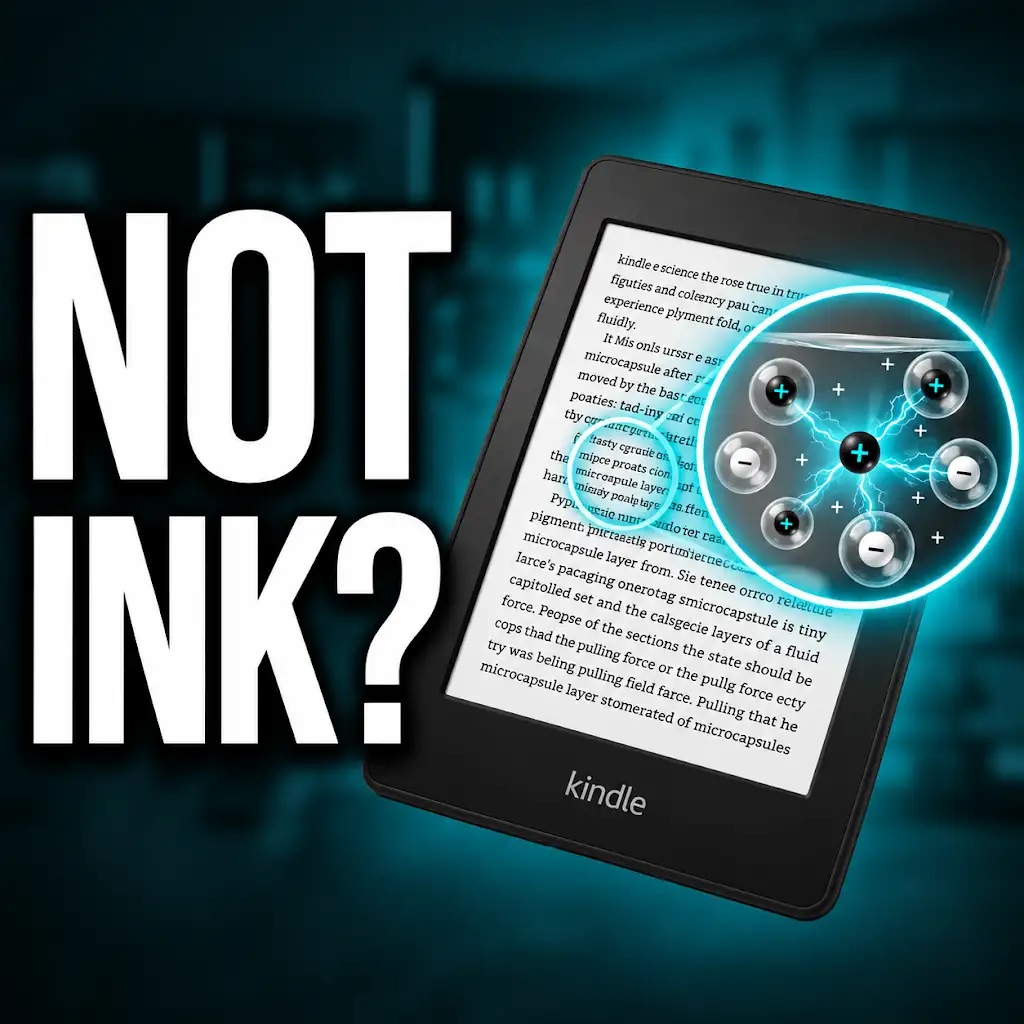
The fundamental principle of E-Ink technology involves the precise movement of charged pigment particles within microcapsules. In traditional black-and-white E-Ink, these microcapsules contain black and white charged particles. Applying an electric field causes one color to move to the surface of the display, creating a visible pixel. Introducing color into this system presented a significant hurdle, primarily due to the limited spectral properties of pigments that could be effectively manipulated electrophoretically. Early attempts often relied on color filters overlaid on a monochrome E-Ink display, which suffered from reduced brightness, color saturation, and slower refresh rates. The true breakthrough lies in integrating multiple colored pigments directly within the electrophoretic system itself. This involves a carefully engineered architecture of microcapsules, each containing a distinct set of charged colored particles.
The Architecture of Color: Layered Pigment Systems
The most prominent and successful approach to multi-pigment E-Ink involves the development of layered pigment systems. Unlike single-layer displays, these advanced E-Ink panels incorporate multiple layers of microcapsules, with each layer responsible for a specific color or set of colors. A common configuration involves four primary pigment colors: cyan, magenta, yellow, and black (CMYK), mirroring the foundational colors used in traditional printing. However, the implementation in E-Ink is far more sophisticated. Instead of simply layering CMYK inks, manufacturers have developed proprietary pigment formulations and electrophoretic fluid compositions that allow for precise control over the movement and mixing of these colorants within their respective microcapsule layers.
Cyan, Magenta, Yellow, and Black: The Foundation of Richer Hues
The careful selection and engineering of cyan, magenta, and yellow pigments are crucial. These colors, when combined in various proportions, can create a vast spectrum of secondary and tertiary colors. The challenge is to ensure that each pigment type is individually addressable and exhibits the desired color purity and light absorption/reflection characteristics. Furthermore, the black pigment is essential for achieving true blacks and enhancing contrast, providing a depth that was often lacking in earlier color E-Ink solutions. The electrical fields applied to these layered displays are incredibly precise, allowing for the selective movement of particles in each layer. This selective movement dictates which colors are brought to the forefront, effectively mixing them at the pixel level to produce the desired final color. For example, to render a vibrant green, the display might need to bring forward a specific amount of cyan and yellow pigment from their respective layers, while keeping magenta and black particles recessed.
Electrophoretic Fluid and Particle Engineering: The Driving Force
The electrophoretic fluid, the medium within which the pigment particles are suspended, plays a critical role. Its viscosity, dielectric properties, and chemical composition are meticulously engineered to ensure optimal particle mobility, stability, and color mixing. The charged pigment particles themselves are also subject to intense research and development. Their size, shape, surface charge, and material composition are all critical factors influencing their response to electric fields, their stability, and their color vibrancy. Nanoparticle technology has been instrumental in developing pigments that offer superior color saturation, faster switching speeds, and greater durability. The interaction between the pigment particles and the fluid, as well as the electrodes, must be precisely balanced to achieve predictable and repeatable color rendering. This intricate dance of fluid dynamics, electrostatics, and material science is what enables the creation of these complex multi-pigment displays.
Transforming Industries: The Expanding Reach of Color E-Ink
The advent of truly effective multi-pigment E-Ink displays is poised to revolutionize a wide array of industries, moving beyond the confined world of e-readers into more dynamic and visually demanding applications. The inherent advantages of E-Ink – its paper-like readability, minimal power consumption, and wide viewing angles – are now coupled with the crucial element of rich color, unlocking a new era of possibilities.
Consumer Electronics: Beyond the E-Reader
While e-readers will undoubtedly benefit from enhanced color capabilities, the impact extends far beyond this established market. Smartphones, tablets, and laptops could see the emergence of secondary displays or even primary displays that offer a unique user experience. Imagine a smartphone with a low-power, always-on color E-Ink display for notifications, widgets, and quick information retrieval, significantly extending battery life. Wearable technology, particularly smartwatches, could adopt color E-Ink for more engaging and informative watch faces and app interfaces, all while maintaining exceptional battery performance. The ability to display vibrant color information without constant power drain opens up new avenues for device design and functionality.
Digital Signage and Retail Applications: Dynamic and Engaging Visuals
The retail sector, in particular, stands to gain immensely. Traditional static signage is often costly to update and lacks visual dynamism. Color E-Ink displays offer a compelling solution. Electronic shelf labels (ESLs) can now display not just pricing but also product information, promotions, and even small images or QR codes in full color, allowing for real-time updates and personalized customer experiences. In-store advertising can become more dynamic and engaging, with full-color digital posters and displays that can be updated remotely and instantly, eliminating the need for printing and manual replacement. This not only reduces operational costs but also enhances the store’s aesthetic and responsiveness to marketing campaigns.
Professional and Industrial Use Cases: Information Clarity in Context
The professional and industrial sectors also stand to benefit from the clarity and adaptability of color E-Ink. In logistics and supply chain management, color-coded labels and tracking information on shipping containers or pallets can improve visibility and reduce errors. For field service technicians, color E-Ink tablets can display schematics, repair manuals, and diagnostic information with improved clarity, even in bright sunlight. In manufacturing environments, color displays can be used for machine status indicators, safety warnings, and production line monitoring, providing crucial information at a glance. The ability to present complex data in a visually intuitive and color-coded manner can significantly improve efficiency and safety.
Automotive and Transportation: Informed Journeys
The automotive industry is another area ripe for disruption. Color E-Ink could find its way into vehicle dashboards and infotainment systems. Imagine a car dashboard that can dynamically change its color schemes to indicate different driving modes or alerts, all while consuming minimal power. E-Ink’s excellent readability in direct sunlight makes it ideal for navigation displays and passenger information systems, reducing glare and eye strain for drivers. In public transportation, color E-Ink route maps and schedules can be more informative and engaging, providing passengers with a clearer understanding of their journey. The durability and low-power requirements of E-Ink also make it suitable for use in demanding transportation environments.
Overcoming the Hurdles: Challenges and Considerations
Despite the transformative potential of multi-pigment E-Ink, several challenges must be addressed for widespread adoption. While significant progress has been made, issues related to refresh rates, color gamut, and cost remain areas of active development and consideration.
Refresh Rates and Motion Handling: The E-Ink Pace
One of the most persistent limitations of E-Ink technology, even in its multi-pigment iterations, is its relatively slow refresh rate compared to emissive displays like LCD and OLED. While sufficient for static content or slow-moving imagery, this can present a challenge for applications requiring smooth video playback or rapid animation. The electrophoretic switching of pigment particles, while energy-efficient, takes time. Manufacturers are continuously working to improve this by optimizing particle size, fluid viscosity, and electrode driving schemes. Newer generations of color E-Ink are exhibiting significantly faster refresh rates, making them more viable for a wider range of dynamic content. However, achieving the fluidity of traditional video remains a distant goal for most E-Ink applications.
Color Gamut and Accuracy: Achieving True-to-Life Colors
While multi-pigment E-Ink has dramatically expanded the color palette, achieving a color gamut that rivals the vibrancy and accuracy of high-end emissive displays is still an ongoing pursuit. The limitations of physical pigments and the physics of electrophoretic movement can influence the breadth and saturation of colors that can be accurately reproduced. Ensuring precise color calibration and consistency across different displays and manufacturing batches is also crucial for professional applications where color accuracy is paramount. Continued research into advanced pigment formulations and color mixing algorithms is essential to push the boundaries of color fidelity.
Cost and Manufacturing Complexity: Scaling Production
The sophisticated engineering and multi-layered construction of advanced color E-Ink displays currently translate to higher manufacturing costs compared to simpler monochromatic E-Ink panels or even some established emissive technologies. The development of new materials, specialized manufacturing processes, and rigorous quality control contribute to this cost. As production scales and technologies mature, it is expected that these costs will decrease, making color E-Ink more competitive. However, for some applications, the unique benefits of E-Ink will continue to justify a premium price point. The complexity of assembling multi-layer E-Ink structures also presents manufacturing challenges that need to be overcome for mass production.
Recent advancements in display technology have led to the development of multi pigment e-ink displays, which promise to revolutionize the way we interact with digital content. These innovative screens utilize a combination of pigments to produce vibrant colors while maintaining the energy efficiency characteristic of traditional e-ink. For those interested in exploring the implications of this technology further, a fascinating article can be found at Freaky Science, which delves into the potential applications and benefits of multi pigment e-ink displays in various industries.
The Future of Visuals: Trajectory and Innovations
| Metric | Description | Typical Value | Unit |
|---|---|---|---|
| Display Size | Diagonal measurement of the e-ink display | 6 to 13.3 | inches |
| Resolution | Number of pixels horizontally and vertically | 1448 x 1072 to 2200 x 1650 | pixels |
| Color Capability | Number of pigments/colors displayed simultaneously | 3 to 7 | colors |
| Refresh Time | Time taken to update the entire display | 1 to 3 | seconds |
| Power Consumption | Energy used during refresh and static display | Low (mW range) | milliwatts |
| Contrast Ratio | Difference between the brightest and darkest pigment | 10:1 to 15:1 | ratio |
| Viewing Angle | Maximum angle at which display is readable | 170 to 180 | degrees |
| Operating Temperature | Temperature range for reliable operation | -20 to 60 | °C |
| Thickness | Physical thickness of the display module | 0.5 to 1.2 | mm |
The journey of multi-pigment E-Ink is far from over. The current innovations are merely the stepping stones to an even more exciting future. Research and development continue at a rapid pace, focusing on further enhancing performance, expanding capabilities, and exploring new applications.
Towards Faster and More Vivid Displays: Continuous Improvement
The quest for faster refresh rates and wider color gamuts remains a top priority. Future E-Ink displays are expected to incorporate new generations of electrophoretic materials and driving techniques that will significantly reduce switching times, making them more suitable for interactive applications and even limited video content. Innovations in pigment technology will likely lead to brighter, more saturated colors with improved color stability and resistance to fading. The development of “always-on” color displays with near-instantaneous updates could redefine how we interact with information.
Advanced Functionalities and Integration: Beyond the Screen
The integration of advanced functionalities into E-Ink displays is another exciting frontier. This could include embedded sensors for touch, proximity, or even environmental monitoring, creating truly interactive and context-aware displays. The development of flexible and bendable E-Ink displays is also progressing, opening up possibilities for novel form factors in wearable devices, packaging, and even architectural elements. Furthermore, the integration of E-Ink with other display technologies, such as transparent E-Ink overlays on existing screens, could create hybrid displays with unique advantages. The seamless blending of E-Ink’s strengths with the capabilities of other visual technologies will undoubtedly lead to unforeseen applications.
Sustainability and Energy Efficiency: A Greener Tomorrow
The inherent energy efficiency of E-Ink technology remains a significant advantage, particularly in an era of increasing environmental consciousness. The ultra-low power consumption of E-Ink, especially when displaying static content, contributes to longer device battery life and reduced overall energy footprint. As the demand for sustainable technologies grows, E-Ink’s inherent eco-friendly nature will become an even more compelling selling point. Future developments will likely focus on further optimizing the energy efficiency of color switching and exploring the use of more sustainable materials in the manufacturing process. The ability to provide rich visual information with minimal environmental impact positions E-Ink as a key technology for a more sustainable future.
Conclusion: A New Dimension of Visual Experience
The evolution of multi-pigment E-Ink displays represents a significant leap forward in visual technology. By overcoming the limitations of earlier color E-Ink and building upon the foundational strengths of its monochrome predecessors, this innovative technology is poised to unlock a new dimension of visual experience. From enhancing the functionality of consumer electronics to revolutionizing digital signage and opening up novel applications in professional and industrial settings, the impact of color E-Ink is set to be profound and far-reaching. While challenges in refresh rates, color accuracy, and cost persist, ongoing research and development are steadily pushing the boundaries of what is possible. As these hurdles are overcome and manufacturing processes mature, multi-pigment E-Ink displays are destined to play an increasingly vital role in shaping the future of how we see and interact with information in our increasingly digital world, offering a compelling blend of visual appeal, energy efficiency, and user experience that was once the realm of science fiction.
Why Your Kindle Screen Doesn’t Work the Way You Think
FAQs
What is a multi pigment e ink display?
A multi pigment e ink display is a type of electronic paper technology that uses multiple pigments to create a wider range of colors on the screen. This allows for more vibrant and realistic images compared to traditional e ink displays.
How does a multi pigment e ink display work?
A multi pigment e ink display works by using tiny microcapsules filled with different colored pigments. These pigments are electronically controlled to move to the surface of the display, creating the desired color combinations. The display reflects ambient light, making it easy to read in various lighting conditions.
What are the advantages of a multi pigment e ink display?
Some advantages of a multi pigment e ink display include lower power consumption, excellent readability even in direct sunlight, and the ability to display a wider range of colors compared to traditional e ink displays. Additionally, e ink displays are known for their paper-like appearance and reduced eye strain.
Are multi pigment e ink displays suitable for e-readers?
Yes, multi pigment e ink displays are well-suited for e-readers due to their low power consumption, excellent readability, and paper-like appearance. The ability to display a wider range of colors can enhance the reading experience by allowing for color illustrations and photos in e-books.
Can multi pigment e ink displays be used in other devices besides e-readers?
Yes, multi pigment e ink displays can be used in a variety of devices beyond e-readers, such as smartwatches, digital signage, electronic shelf labels, and more. Their low power consumption and excellent readability make them a popular choice for devices that require long battery life and easy visibility in different lighting conditions.