The Magic of Mirroring: How Reflective Displays Transform Ambiance
In the realm of interior design, the pursuit of an engaging and atmospheric space often leads to an exploration of lighting. While the functional aspect of illumination is paramount, the true art lies in how light interacts with its surroundings. This is where the captivating power of reflective displays comes into play. Far beyond mere decoration, strategically placed mirrors and other reflective surfaces, when combined with ambient lighting, can dramatically alter the perception of space, enhance mood, and introduce a dynamic visual element that breathes life into any room. Understanding how to harness this interplay is key to unlocking a more sophisticated and inviting environment. The following sections will delve into the myriad ways reflective displays can be leveraged to elevate your home’s ambiance, from creating the illusion of grandeur to adding subtle, sophisticated glints of light.
Reflective display ambient light technology has gained significant attention in recent years due to its potential to enhance user experience and reduce eye strain. For those interested in exploring this topic further, a related article can be found at Freaky Science, which delves into the innovative applications and benefits of ambient light in reflective displays. This resource provides valuable insights into how ambient lighting can improve visibility and comfort in various environments.
Creating Illusions: Expanding and Brightening with Reflection
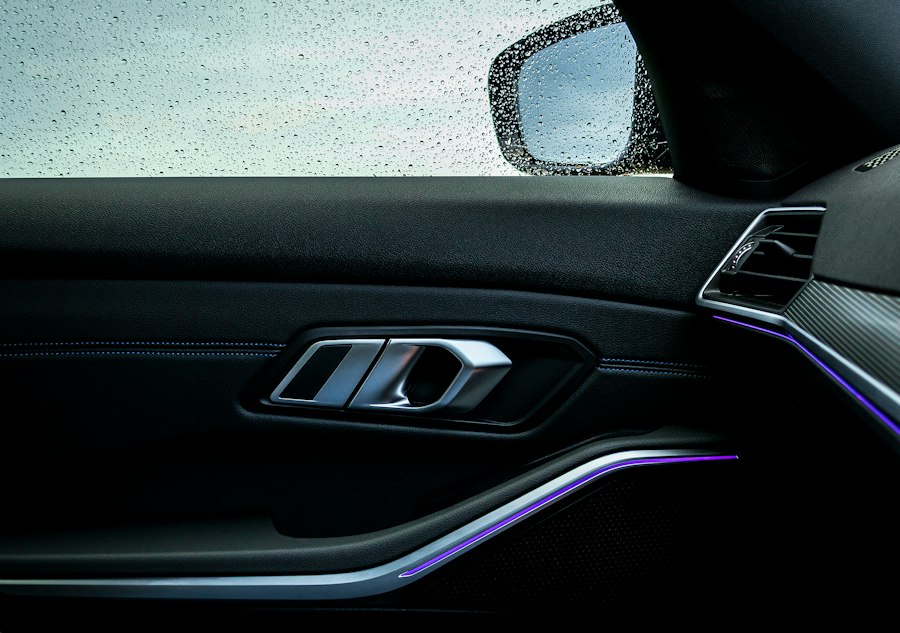
One of the most celebrated benefits of incorporating reflective surfaces into interior design is their ability to manipulate our perception of space. Mirrors, in particular, are masters of illusion, capable of making a small room feel vast and a dark corner feel illuminated. When paired with thoughtfully chosen ambient lighting, this illusion is amplified, creating an experience that is both visually striking and emotionally resonant. The careful placement of a mirror opposite a light source, for instance, can effectively double the perceived light in a room, making it feel brighter and more open without the need for additional fixtures. This is particularly useful in areas that naturally receive less light, such as hallways or smaller bedrooms.
Mirror Placement for Maximum Impact
The art of using mirrors to expand a space lies in strategic placement. A large mirror hung on a wall opposite a window will reflect natural light, making the room feel significantly larger and brighter. The same principle applies to artificial light. Position a mirror strategically to bounce the warm glow of a table lamp or a wall sconce across the room. Consider the angle of reflection; a well-placed mirror can redirect light into shadowy areas, effectively eliminating them and creating a more uniform and inviting illumination. In narrow rooms, placing mirrors on the longer walls can create the illusion of width, making the space feel more balanced. Even smaller decorative mirrors, strategically grouped, can contribute to this effect by fragmenting and scattering light, creating a shimmering, dynamic quality. The key is to observe how light falls in your space and then experiment with mirror placement to see how it can be amplified or redirected.
The Role of Light Source Choice
The type of ambient lighting used in conjunction with reflective displays is crucial. Soft, diffused light sources are generally preferred for creating a warm and inviting ambiance. Instead of harsh, direct lighting, opt for lamps with frosted shades, uplighting, or strategically placed fairy lights. These sources produce a gentler glow that is beautifully amplified by mirrors, creating soft, radiant reflections rather than jarring glares. Dimmers are also invaluable tools, allowing for fine-tuning the intensity of light to suit different moods and times of day. A dim, warm light reflected in a mirror can create a cozy, intimate atmosphere, perfect for relaxing evenings. Conversely, a brighter, more neutral light can enhance the feeling of spaciousness during the day.
Beyond Flat Surfaces: Textured and Sculptural Reflections
While flat mirrors are the most common reflective display, exploring other materials can add unique dimensions to your lighting scheme. Textured glass, polished metal, or even iridescent tiles can create more complex and subtle reflections. These surfaces don’t just mirror light; they refract and diffuse it, creating softer, more artistic effects. Imagine a wall clad in subtly textured mirrored tiles, catching and scattering the light from a nearby pendant lamp, creating a gentle cascade of light and shadow. Similarly, polished metallic accents, such as decorative bowls or sculptures, can add focal points of reflected light, drawing the eye and adding a touch of glamour.
Enhancing Mood and Atmosphere: The Emotional Impact of Light and Reflection
Lighting is intrinsically linked to emotion, and the addition of reflective displays can significantly amplify this connection. The way light bounces, shimmers, and dances across mirrored surfaces can evoke a range of feelings, from serenity and calm to vibrancy and excitement. By thoughtfully combining ambient lighting with reflective elements, one can curate a desired mood for any space, transforming it into a haven of tranquility or a hub of sophisticated energy. This is not just about making a room look good; it’s about making it feel good.
Creating a Relaxing Sanctuary
For spaces intended for relaxation, such as bedrooms or reading nooks, the goal is to cultivate a sense of peace and tranquility. Soft, warm lighting is paramount here. Consider using bedside lamps with low wattage bulbs that emit a gentle, amber glow. Place a decorative mirror on the wall behind the bed or adjacent to a comfortable chair. The mirror will reflect this soft light, creating a diffused and calming illumination that envelops the space. The subtle play of light and reflection can be deeply soothing, mimicking the gentle flicker of candlelight or the dappled light of a forest. Avoid overly bright or cool-toned lights, as these can be stimulating rather than relaxing. Instead, focus on creating a warm, inviting cocoon of light and reflection.
Adding Drama and Sophistication
In living areas or dining rooms where a more sophisticated or dramatic ambiance is desired, reflective displays can be used to create striking visual effects. Consider using accent lighting, such as spotlights or LED strips, to highlight specific features of a room. A strategically placed mirror behind a striking piece of art or a collection of decorative objects will not only draw attention to them but also reflect the light, creating an amplified and dynamic display. A floor-to-ceiling mirror in a dining room, for example, can make the space feel more expansive and grand, reflecting the soft glow of dining table candles and creating a sense of occasion. Polished metallic accessories, like a large silver tray or a cluster of mirrored vases, can also catch and reflect light, adding a touch of glamour and sophistication.
The Play of Movement and Sparkle
Reflective surfaces excel at capturing and scattering light, creating a dynamic and engaging visual experience. This is particularly true when the light source itself has a subtle movement, such as flickering candles or a string of fairy lights. The gentle sway of a flame will cause the reflected light to dance and shimmer across the walls and ceiling, adding a sense of life and magic to the room. Even the slight movement of air can cause light to glint and sparkle off a polished surface. This constant, subtle interplay of light and reflection can be incredibly captivating, preventing the space from feeling static and instead imbuing it with a sense of gentle dynamism.
Integrating Reflective Displays into Different Room Styles
The versatility of reflective displays allows them to be seamlessly integrated into a wide array of interior design styles. Whether the aesthetic leans towards modern minimalism, classic elegance, or bohemian warmth, mirrors and other reflective elements can be adapted to enhance the existing character of a room and imbue it with added depth and visual interest. The key lies in choosing the right style and scale of reflective surface to complement the overall design narrative.
Modern and Minimalist Spaces
In modern and minimalist interiors, reflective displays are often employed to enhance the sense of clean lines and uncluttered spaces. Large, frameless mirrors are a popular choice, appearing to dissolve into the walls and simply reflect the light and the surrounding environment. Their seamless integration reinforces the minimalist ethos of simplicity and functionality. Ambient lighting in these spaces is often discreet and integrated, such as cove lighting or minimalist track lighting. The reflections from these sources in the mirrors will create subtle shifts in light and shadow, adding a layer of visual complexity without disrupting the overall clean aesthetic. A mirrored furniture piece, such as a console table or a cabinet, can also serve as a functional reflective surface that adds a touch of understated glamour.
Traditional and Elegant Interiors
For traditional and elegant interiors, reflective displays can add a touch of grandeur and enhance the sense of luxury. Ornate framed mirrors, with their intricate detailing, can serve as statement pieces, drawing the eye and adding a focal point to a room. These mirrors are often paired with more traditional ambient lighting, such as chandeliers, wall sconces, or table lamps with decorative shades. The warm glow of these fixtures will be beautifully amplified by the reflective surfaces, creating a rich and inviting atmosphere. Consider a large antique mirror placed above a fireplace or a grouping of smaller decorative mirrors above a sideboard to create a sophisticated display. The reflections will soften the light and add a layer of visual depth to the room.
Bohemian and Eclectic Designs
In bohemian and eclectic spaces, reflective displays can be used to introduce sparkle, playfulness, and a sense of gathered treasures. A collection of vintage mirrors with mismatched frames, arranged together on a wall, can create a unique and captivating focal point. These mirrors can be combined with a variety of ambient lighting, from string lights and Moroccan lanterns to more whimsical lamp designs. The reflective surfaces will catch and amplify the diverse sources of light, creating a warm, festive, and inviting atmosphere. Mirrored mosaics, or even decorative mirrored trays and boxes, can also add pops of sparkle and visual interest to shelves and surfaces, contributing to the layered and curated feel of these spaces.
Reflective display ambient light technology has gained significant attention in recent years due to its potential to enhance visual experiences while reducing eye strain. For those interested in exploring this topic further, you can read a related article that delves into the science behind ambient light and its applications in modern displays. This insightful piece provides a comprehensive overview of how ambient light interacts with reflective displays, making it a valuable resource for anyone looking to understand this innovative technology better. To learn more, check out the article here.
Beyond Mirrors: Exploring Other Reflective Surfaces
| Metric | Description | Typical Value | Unit |
|---|---|---|---|
| Ambient Light Level | Illuminance level in the environment where the reflective display is used | 100 – 100,000 | lux |
| Reflectance | Percentage of ambient light reflected by the display surface | 30 – 70 | % |
| Contrast Ratio | Ratio of luminance between the brightest white and darkest black under ambient light | 10:1 – 100:1 | ratio |
| Power Consumption | Energy used by the reflective display under ambient lighting conditions | 0.1 – 0.5 | Watts |
| Response Time | Time taken for the display to update or change state | 10 – 100 | milliseconds |
| Viewing Angle | Maximum angle at which the display remains readable under ambient light | 120 – 180 | degrees |
While mirrors are the quintessential reflective display, a broader understanding of materials that interact with light can unlock even more creative possibilities. Various textures and finishes can refract, diffuse, and subtly reflect light, adding unique qualities to a space without the overt mirroring effect. Embracing these alternative reflective surfaces can lead to more nuanced and sophisticated lighting designs.
Polished Metals and Their Luminosity
Polished metals such as brass, copper, chrome, and stainless steel offer a rich spectrum of reflectivity. Unlike the crisp, direct reflection of a mirror, these metals tend to produce warmer, softer glints. A polished brass bowl placed under a table lamp will reflect a warm, diffused glow, adding a touch of richness to the surrounding area. Copper accents can lend a warm, earthy feel, while chrome can offer a cooler, more modern gleam. These metals can be incorporated through decorative objects, lighting fixtures themselves (like brushed metal lampshades), or even architectural details like metal trim. The way they catch and reflect ambient light adds a subtle layer of visual interest and a touch of sophisticated shine.
Textured and Frosted Glass
Beyond clear glass, textured and frosted glass provides a different approach to reflection and light diffusion. Frosted glass, for instance, diffuses light, creating a soft, even glow. When used in lampshades or as decorative panels, it can create a calming and inviting ambiance. Textured glass, with its patterned surfaces, refracts light in interesting ways, creating unique visual effects. Imagine a wall panel of artfully textured glass that catches the light from a nearby sconce, creating a subtle play of light and shadow across its surface. This type of reflection is less about a direct image and more about the manipulation of light itself, adding an artistic and ethereal quality to the space.
Iridescent and Pearlescent Materials
Iridescent and pearlescent materials offer a unique and captivating form of reflectivity, characterized by shifting colors and a subtle, ethereal sheen. These materials, often found in tiles, fabrics, or decorative accents, don’t just reflect light; they refract it in a way that creates a rainbow-like effect or a subtle opalescent glow. When ambient lighting hits these surfaces, the colors can subtly shift and change depending on the viewing angle and the light source. This can add a touch of magic and wonder to a space, particularly in areas where a more whimsical or artistic touch is desired. Think of iridescent tiles in a bathroom or kitchen backsplash, catching and reflecting the light to create a dynamic and ever-changing visual display.
Practical Considerations for Implementing Reflective Displays
While the aesthetic and atmospheric benefits of reflective displays are undeniable, their successful integration requires careful planning and consideration of practical aspects. From the type of light and surface to the overall functionality of the space, a few key elements ensure that these design choices enhance rather than detract from the room.
Balancing Light and Glare
One of the most important considerations when working with reflective surfaces is managing glare. While reflections can amplify light, excessive or direct glare can be uncomfortable and disruptive. To mitigate this, it’s crucial to choose ambient lighting that is diffused or indirect. Avoid placing mirrors directly opposite very bright, unshaded light sources. Instead, position them to catch softer light or to bounce light away from seating areas. Using dimmable lights allows for greater control, enabling you to adjust the brightness and minimize glare as needed. Observing how light falls in the room at different times of day is essential for identifying potential glare issues and making informed placement decisions.
Maintenance and Durability
Reflective surfaces, particularly mirrors, require regular cleaning to maintain their intended effect. Fingerprints, dust, and smudges can quickly dull their luster and diminish their ability to reflect light effectively. The frequency of cleaning will depend on the location and the type of surface. High-traffic areas or surfaces that are frequently touched will require more diligent upkeep. For most mirrors, a good quality glass cleaner and a lint-free cloth are sufficient. For more textured or delicate reflective surfaces, consulting manufacturer recommendations for cleaning and maintenance is advisable to prevent damage.
Scale and Proportion in Design
The scale and proportion of reflective displays are critical to their success within a room. A large, oversized mirror can make a small room feel grander, but if it’s disproportionate to the other elements in the space, it can overwhelm the design. Conversely, a tiny mirror in a vast room might get lost and have little impact. Consider the overall dimensions of the room and the furniture within it when selecting the size and number of reflective elements. A carefully chosen mirror that complements the scale of the space will enhance its features, while one that is out of proportion can disrupt the visual harmony. When in doubt, it’s often better to err on the side of slightly smaller and to layer multiple smaller reflective elements for a more balanced effect.

Why Your Kindle Screen Doesn’t Work the Way You Think
FAQs
What is a reflective display ambient light?
A reflective display ambient light is a type of display technology that utilizes ambient light to illuminate the screen, eliminating the need for a backlight. This results in a more energy-efficient and easily readable display in various lighting conditions.
How does a reflective display ambient light work?
A reflective display ambient light works by reflecting ambient light off the screen’s surface to create images and text. The display contains reflective layers that manipulate the incoming light to produce the desired visual output without the need for a traditional backlight.
What are the benefits of using a reflective display ambient light?
Some benefits of using a reflective display ambient light include improved energy efficiency, better readability in bright sunlight, reduced glare, and potentially longer battery life for devices that use this technology.
Are there any limitations to reflective display ambient light technology?
One limitation of reflective display ambient light technology is that it may not perform as well in low-light conditions compared to traditional backlit displays. Additionally, color reproduction and contrast levels may not be as vibrant as other display technologies.
Where can reflective display ambient light technology be found?
Reflective display ambient light technology can be found in e-readers, smartwatches, and other electronic devices where energy efficiency and readability in various lighting conditions are important factors.