The Science of Water: Exploring Its Unique Properties and Vital Role
The Universal Solvent: Water’s Extraordinary Molecular Structure
Water, a seemingly simple compound composed of two hydrogen atoms bonded to one oxygen atom, possesses a remarkable suite of properties that are fundamental to life as we know it. This ubiquity and apparent simplicity, however, belie a profound complexity at the molecular level, which dictates its behavior and its indispensable role on Earth. The key to water’s unique characteristics lies in its molecular geometry and the nature of the bonds within and between its molecules.
Polar Covalent Bonds: The Foundation of Polarity
The oxygen atom in a water molecule is significantly more electronegative than the hydrogen atoms. Electronegativity is the measure of an atom’s ability to attract shared electrons in a chemical bond. This difference in electronegativity means that the electrons in the covalent bonds between oxygen and hydrogen are not shared equally. Instead, they are pulled closer to the oxygen atom, resulting in a partial negative charge on the oxygen atom and partial positive charges on the hydrogen atoms. This uneven distribution of charge creates a polar covalent bond.
Molecular Geometry: The Bent Shape of Water
The arrangement of atoms in a water molecule is not linear. The oxygen atom, with its two hydrogen atoms, forms a bent or V-shaped structure. This geometry arises from the presence of two lone pairs of electrons on the oxygen atom, which repel the bonding pairs of electrons, pushing the hydrogen atoms closer together. The angle between the two hydrogen-oxygen bonds is approximately 104.5 degrees. This bent shape is crucial because it ensures that the partial negative charge on the oxygen atom and the partial positive charges on the hydrogen atoms do not cancel each other out. As a result, the entire water molecule exhibits a net dipole moment, meaning it has a distinct positive end and a distinct negative end. This polarity is the bedrock of many of water’s extraordinary properties.
Hydrogen Bonding: The Glue of Water
The polarity of water molecules allows them to interact with each other through a special type of intermolecular force called hydrogen bonding. The partially positive hydrogen atom of one water molecule is attracted to the partially negative oxygen atom of a neighboring water molecule. These attractions, while individually weaker than covalent bonds, are collectively strong enough to hold water molecules together in a dynamic network. Hydrogen bonds are constantly forming, breaking, and reforming, but their persistent presence gives liquid water its cohesion and surface tension, and it is responsible for the solid state of ice being less dense than liquid water. Without hydrogen bonding, water would be a very different substance, likely a gas at room temperature, rendering life as we know it impossible.
Water is essential for life, and understanding its properties and behaviors is crucial in various scientific fields. A fascinating article that delves into the science of water can be found at Freaky Science, where it explores the unique characteristics of water molecules, their role in ecosystems, and the impact of climate change on water resources. This resource offers valuable insights for anyone interested in the intricate relationship between water and life on Earth.
The States of Water: A Dance of Energy and Bonding
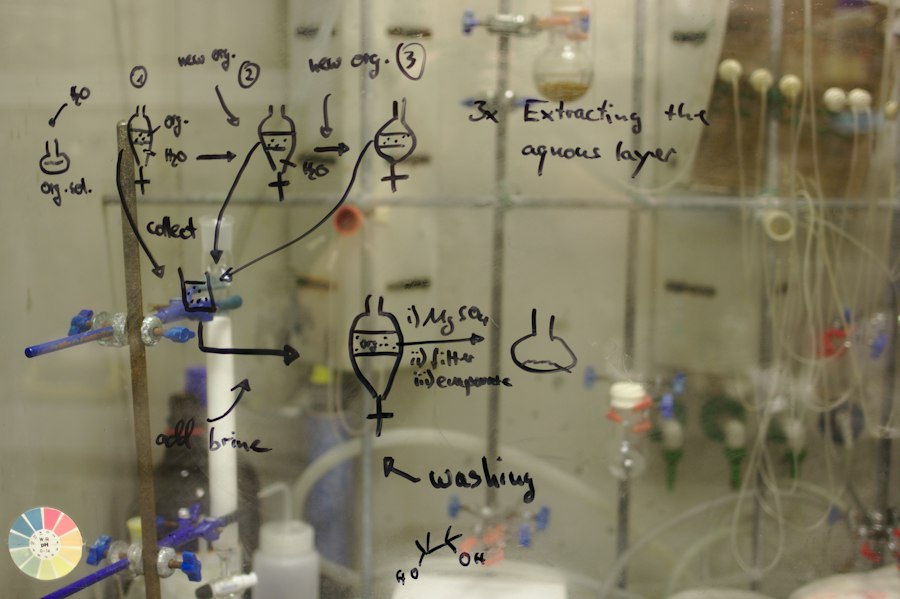
Water exists in three primary states on Earth: solid (ice), liquid (water), and gas (water vapor). The transitions between these states are driven by changes in temperature and pressure, which directly influence the energy of water molecules and the strength of the hydrogen bonds between them. Understanding these transitions reveals more about water’s unique ability to moderate climate and support diverse ecosystems.
Solid State: The Ordered Structure of Ice
In its solid form, ice, water molecules are arranged in a highly ordered, crystalline lattice structure. The hydrogen bonds are more stable and fixed, holding the molecules in a rigid configuration. A fascinating consequence of this ordered structure is that ice is less dense than liquid water. In the liquid state, molecules are closer together on average. When water freezes, the hydrogen bonds force the molecules into a more open, hexagonal arrangement, creating more space between them. This lower density is critical for aquatic life, as it allows ice to float on the surface of bodies of water, insulating the water below and preventing complete freezing and the death of aquatic organisms.
Liquid State: The Dynamic Network of Water
In the liquid state, water molecules possess more kinetic energy, allowing them to move more freely. While hydrogen bonds still exist, they are constantly breaking and reforming. This dynamic nature allows liquid water to flow, take the shape of its container, and act as an excellent medium for chemical reactions. The close packing of molecules in the liquid state, despite the presence of hydrogen bonds, results in a higher density than ice. This state is where most biological and geological processes occur.
Gaseous State: The Energetic Freedom of Water Vapor
When water is heated to its boiling point, the molecules gain enough kinetic energy to overcome most of the intermolecular forces, including hydrogen bonds. In the gaseous state, water molecules move independently and rapidly, filling any available volume. This is the state of water vapor. The transition from liquid to gas, evaporation, is a crucial process in Earth’s water cycle, driving atmospheric circulation and distributing water across the globe. The energy required to transition from liquid to gas (the heat of vaporization) is significantly higher than that for many other substances, a testament to the strength of hydrogen bonding.
Water’s Thermal Properties: A Master of Temperature Regulation
Water’s unique thermal properties, particularly its high specific heat capacity and high heat of vaporization, play a pivotal role in regulating Earth’s climate and in the physiology of living organisms. These properties stem directly from the energy required to break or form hydrogen bonds.
High Specific Heat Capacity: Buffering Temperature Swings
Specific heat capacity is the amount of heat energy required to raise the temperature of one gram of a substance by one degree Celsius. Water has an exceptionally high specific heat capacity compared to most other common substances. This means that it takes a substantial amount of energy to increase the temperature of water, and conversely, water releases a large amount of heat when it cools. This property makes large bodies of water, such as oceans and lakes, act as immense thermal reservoirs. They absorb heat during warmer periods, preventing drastic temperature increases, and release heat during cooler periods, moderating the climate of coastal regions and continents. This buffering effect is essential for maintaining stable environments conducive to life.
High Heat of Vaporization: The Cooling Power of Evaporation
The heat of vaporization is the amount of heat energy required to convert a unit mass of a liquid into a gas at its boiling point. Water’s heat of vaporization is also remarkably high. This is because a significant amount of energy is needed to break the extensive network of hydrogen bonds holding the liquid water molecules together before they can escape into the gaseous phase. This property is fundamental to evaporative cooling, a vital process for temperature regulation in living organisms. When humans sweat, the evaporation of sweat from the skin draws heat away from the body, helping to cool it down. Similarly, transpiration in plants, the evaporation of water from their leaves, helps to keep them from overheating.
Water as the Universal Solvent: The Medium of Life
Water’s ability to dissolve a wide range of substances, earning it the title “universal solvent,” is perhaps its most critical property for supporting life. This solvency is directly linked to its polarity.
Dissolving Polar and Ionic Substances: The “Like Dissolves Like” Principle
Water’s polar nature means that its partially positive hydrogen ends can attract and surround negatively charged ions or partially negative regions of other molecules. Similarly, its partially negative oxygen end can attract and surround positively charged ions or partially positive regions of other molecules. This process, known as hydration or solvation, effectively pulls apart ionic compounds and polar molecules, dispersing them evenly within the water. Substances that are polar or ionic are often referred to as hydrophilic (“water-loving”) and readily dissolve in water. For example, salts like sodium chloride (NaCl) readily dissolve in water as the positive sodium ions (Na+) are attracted to the negative oxygen ends of water molecules, and the negative chloride ions (Cl-) are attracted to the positive hydrogen ends. Sugars and alcohols, with their polar hydroxyl groups, also dissolve well in water.
Inability to Dissolve Nonpolar Substances: The Hydrophobic Effect
Nonpolar substances, such as oils and fats, consist of molecules with no significant charge separation. Water molecules, being polar, are not attracted to these nonpolar molecules. Instead, they tend to cluster together, minimizing their contact with the nonpolar substances. This phenomenon is known as the hydrophobic effect (“water-fearing”). In biological systems, this effect is crucial for the formation of cell membranes, which are composed of lipid bilayers. The hydrophobic tails of phospholipids face inward, away from the aqueous environment, while the hydrophilic heads face outward, interacting with water. This separation creates a barrier that controls what enters and leaves the cell.
Biological Significance: Transport and Reactions
Water’s solvency is fundamental to virtually all biological processes. Nutrients are dissolved in water and transported throughout organisms in blood and sap. Waste products are dissolved and excreted. Chemical reactions within cells, the basis of metabolism, occur in an aqueous environment, with water often acting as a reactant or product itself. The cytoplasm of cells is primarily water, providing the medium for enzymes and substrates to interact. Without water’s remarkable solvent capabilities, life as we know it would be impossible.
Water is essential for life, and understanding its properties and behaviors is crucial for various scientific fields. A fascinating article that delves into the complexities of water can be found at this link. It explores the unique characteristics of water, including its role in climate regulation and its importance in biological processes, making it a vital resource for both researchers and the general public.
Water’s Role in Earth’s Systems: A Driving Force for Life and Climate
| Metric | Value | Unit | Description |
|---|---|---|---|
| Density | 1.00 | g/cm³ | Density of pure water at 4°C |
| Boiling Point | 100 | °C | Temperature at which water boils at 1 atm pressure |
| Freezing Point | 0 | °C | Temperature at which water freezes at 1 atm pressure |
| Specific Heat Capacity | 4.18 | J/g·°C | Amount of heat required to raise 1 g of water by 1°C |
| Surface Tension | 72.8 | mN/m | Surface tension of water at 20°C |
| pH | 7 | unitless | Neutral pH of pure water at 25°C |
| Thermal Conductivity | 0.6 | W/m·K | Ability of water to conduct heat at 25°C |
| Viscosity | 0.89 | mPa·s | Viscosity of water at 25°C |
Beyond its molecular properties, water’s presence and movement on Earth profoundly shape our planet’s geology, climate, and biosphere. It is the architect of landscapes, the regulator of global temperatures, and the essential medium for life’s intricate dance.
The Water Cycle: A Global Circulation System
The water cycle, also known as the hydrologic cycle, is the continuous movement of water on, above, and below the surface of the Earth. Driven by solar energy, this cycle involves evaporation, transpiration, condensation, precipitation, and runoff. Evaporation from oceans, lakes, and rivers, along with transpiration from plants, releases water vapor into the atmosphere. This vapor condenses into clouds, which eventually release water back to the Earth’s surface as rain, snow, sleet, or hail. This precipitated water can then flow over land as surface runoff, infiltrate into the ground to become groundwater, or be taken up by plants, restarting the cycle. This constant circulation ensures the distribution of fresh water across the planet, sustaining ecosystems and providing a vital resource for all living things.
Shaping Landscapes: Erosion and Deposition
Water is a powerful geological agent, constantly shaping the Earth’s surface through erosion and deposition. Flowing water in rivers and streams carves out valleys and canyons, transporting sediment and rock particles downstream. Over geological timescales, this erosive power can dramatically alter the landscape. When the water loses energy, it deposits the transported material, forming features like deltas, alluvial fans, and floodplains. Ocean waves also exert significant erosive force on coastlines, shaping cliffs and beaches. Glaciers, massive bodies of ice that are essentially frozen water, are also potent erosional forces, carving out U-shaped valleys and fjords.
Climate Regulation: A Global Thermostat
As discussed previously, water’s high specific heat capacity and heat of vaporization make it a crucial regulator of global climate. Oceans store vast amounts of heat, moderating temperature extremes and influencing weather patterns. The circulation of ocean currents, driven in part by temperature and salinity differences (which are influenced by water’s properties), distributes heat around the globe, impacting regional climates. Cloud formation, another manifestation of the water cycle, also plays a significant role in regulating Earth’s temperature by reflecting incoming solar radiation and trapping outgoing infrared radiation. Without water’s thermal buffering capacity, Earth’s climate would be far more volatile and less hospitable to life.
The Biosphere’s Foundation: The Essence of Life
Ultimately, water’s unique properties converge to make it the indispensable foundation of the biosphere. From the microscopic processes within a single cell to the vast ecosystems that span continents, water is the medium, the reactant, and the regulator that enables life to flourish. Its ability to dissolve, transport, and participate in chemical reactions, coupled with its thermal stability and its role in the global water cycle, makes it a truly unparalleled substance, deserving of our constant study and profound respect. The science of water is, in essence, the science of life itself.
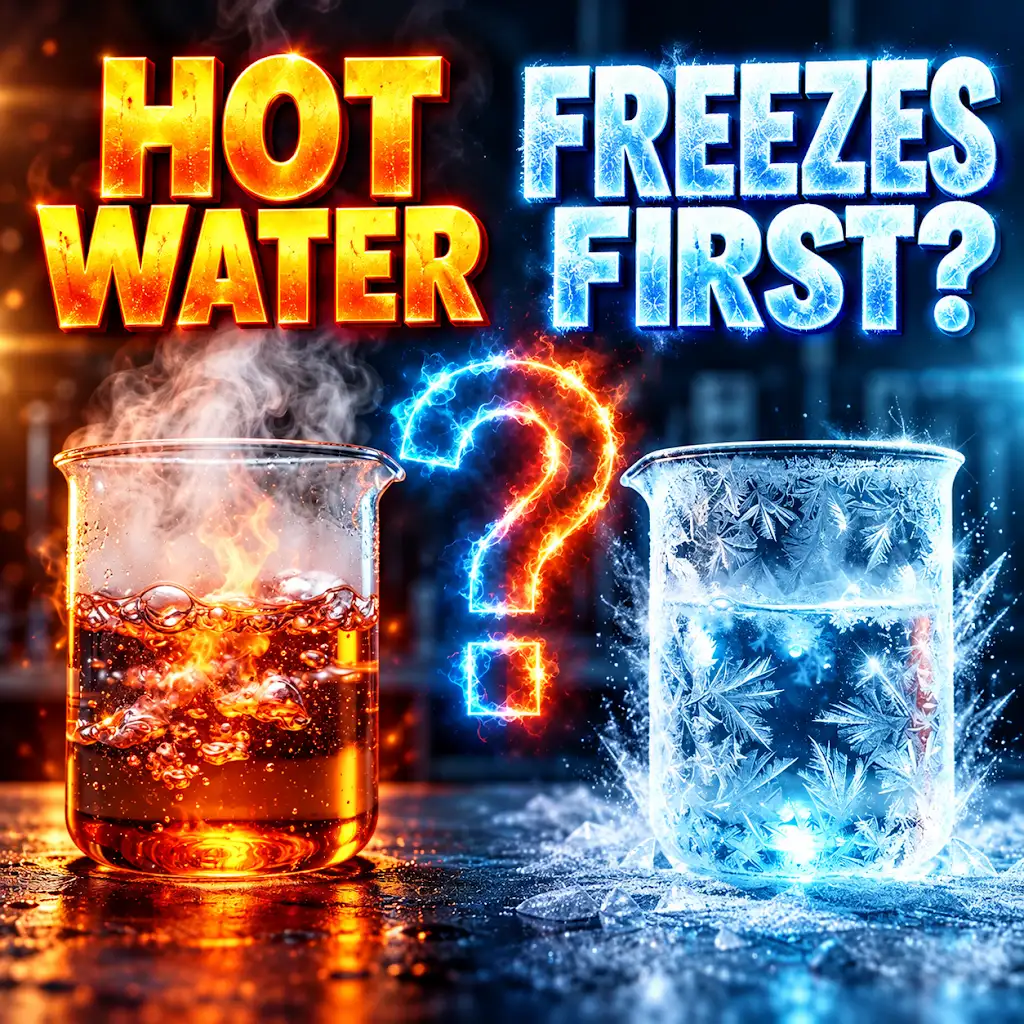
Why Hot Water Freezes Faster Than Cold (The Mpemba Effect)
FAQs
What is the chemical composition of water?
Water is composed of two hydrogen atoms and one oxygen atom, giving it the chemical formula H2O.
How does water’s structure contribute to its unique properties?
Water’s structure, with its bent shape and polar covalent bonds, allows it to form hydrogen bonds, which give water its high surface tension, cohesion, and ability to dissolve many substances.
What is the boiling point and freezing point of water?
Water boils at 100 degrees Celsius (212 degrees Fahrenheit) and freezes at 0 degrees Celsius (32 degrees Fahrenheit) at sea level.
How does water play a crucial role in biological systems?
Water is essential for life as it serves as a solvent for biochemical reactions, helps regulate temperature, provides a medium for transporting nutrients, and supports cell structure.
What are some of the anomalies of water that make it unique compared to other liquids?
Water exhibits anomalies such as its maximum density at 4 degrees Celsius, its high specific heat capacity, and its ability to expand upon freezing, all of which contribute to its importance in various natural processes.