The Mpemba Effect: A Paradoxical Phenomenon
The assertion that hot water can freeze faster than cold water has long been a subject of debate and intrigue. This counterintuitive phenomenon, often referred to as the Mpemba effect, has captured the imagination of scientists and laypeople alike. For generations, anecdotes and observations have suggested that under certain conditions, water heated to a higher temperature will indeed reach its freezing point more rapidly than water that begins at a cooler temperature. This seemingly paradoxical behavior challenges our fundamental understanding of thermodynamics and heat transfer, prompting a deep dive into the scientific principles that might govern such an outcome. The persistence of this idea, despite its apparent violation of basic physical laws, underscores the complexity of the natural world and the potential for unexpected behaviors to emerge from seemingly simple systems. Exploring the Mpemba effect involves dissecting the various proposed explanations, experimental challenges, and the ongoing scientific quest to definitively explain this peculiar property of water. It is a journey that takes us through the intricacies of evaporation, convection, dissolved gases, and even the crystalline structure of ice itself, all in an effort to reconcile our everyday experience with the scientific rigor required to validate such a claim.
Evaporation’s Role in Accelerating Cooling
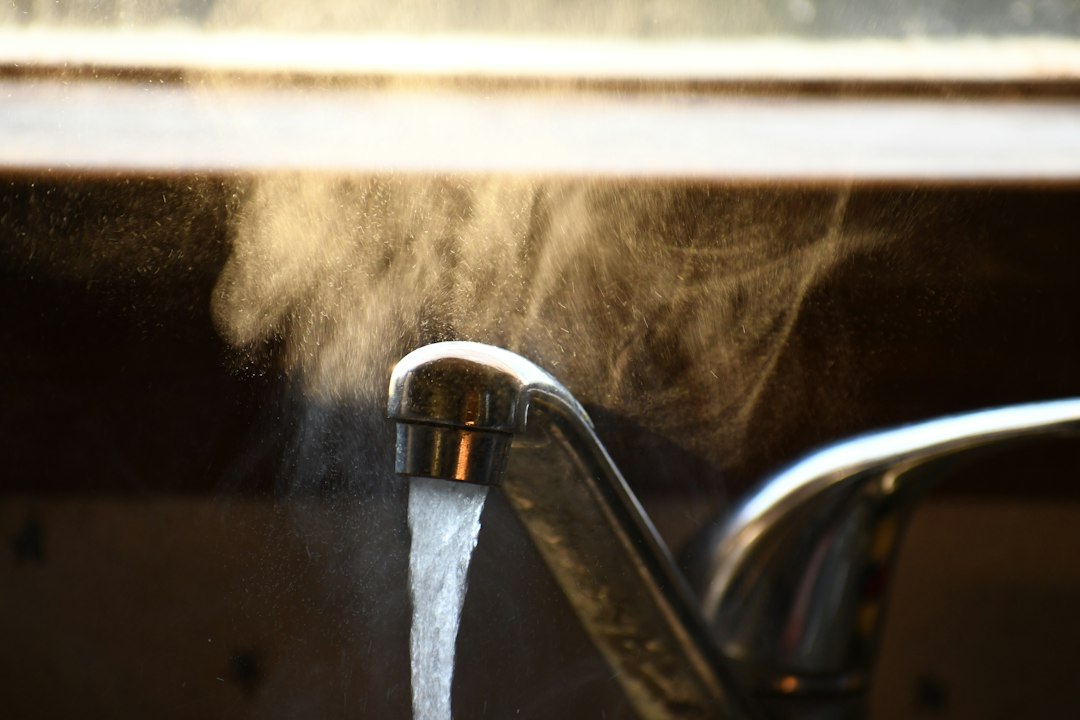
One of the most prominent explanations for the Mpemba effect centers on the process of evaporation. When water is heated, its rate of evaporation increases significantly. Evaporation is a cooling process because the molecules with the highest kinetic energy, and thus the highest temperature, are the ones that escape the liquid phase as vapor. This loss of energetic molecules effectively reduces the average kinetic energy of the remaining liquid, leading to a decrease in its temperature. If the initial heating of the water leads to a substantial loss of mass through evaporation, the remaining water will have less mass to cool down to the freezing point. This reduction in mass, coupled with the cooling effect of evaporation itself, can, under specific circumstances, result in the hotter water reaching 0 degrees Celsius (32 degrees Fahrenheit) before colder water. The rate of evaporation is influenced by several factors, including the surface area exposed to the air, the ambient temperature and humidity, and the presence of air currents. Therefore, the experimental setup plays a crucial role in determining whether evaporation can sufficiently contribute to the Mpemba effect.
Convection Currents and Heat Dissipation
Another significant factor proposed to explain the Mpemba effect is the difference in convection currents. When water is heated, convection currents are established within the liquid. These currents are formed by the warmer, less dense water rising to the surface and the cooler, denser water sinking. In hotter water, these convection currents are often more vigorous. This increased movement within the water can enhance the rate at which heat is transferred from the bulk of the liquid to the surface, where it can then be dissipated into the surrounding environment. More efficient heat transfer to the surroundings means that the water will cool down more quickly. In contrast, colder water might have less pronounced convection currents, leading to a slower rate of heat loss. The presence of convection can also help to distribute the temperature more evenly throughout the container, preventing the formation of stagnant cold layers that might insulate the bulk of the water from the cooling environment. The geometry of the container and the method of cooling also play a significant role in how convection currents develop and influence the overall cooling rate.
Dissolved Gases and Their Influence on Freezing
The presence and behavior of dissolved gases within water have also been implicated in the Mpemba effect. Water typically contains dissolved gases, such as oxygen and nitrogen, which are absorbed from the atmosphere. When water is heated, the solubility of these gases decreases, and they tend to come out of solution, forming small bubbles. This process can alter the physical properties of the water, such as its density and surface tension. It has been hypothesized that the reduced concentration of dissolved gases in heated water might affect its freezing point or its ability to form ice crystals. Some theories suggest that dissolved gases can act as nucleation sites for ice formation, and their absence in heated water might, paradoxically, delay the onset of freezing. Conversely, other ideas propose that the changes in water structure induced by gas removal might facilitate faster ice crystal growth. The precise mechanism by which dissolved gases influence freezing kinetics is complex and still under investigation.
The Electrical Nature of Water
More speculative, but still investigated, explanations for the Mpemba effect touch upon the electrical properties of water. Water molecules are polar, meaning they have a slight positive charge on one end and a slight negative charge on the other. This polarity influences how water molecules interact with each other and with their surroundings. Some researchers have proposed that heating water can alter the arrangement and orientation of these polar molecules. These changes in molecular structure and intermolecular forces could, in theory, affect the rate at which water molecules organize themselves into the crystalline lattice of ice. While this line of reasoning is less established than those involving evaporation or convection, it highlights the multifaceted nature of water’s behavior and the potential for subtle electrical interactions to play a role in macroscopic phenomena. The understanding of hydrogen bonding and its response to thermal energy is central to these discussions.
The long-standing myth that hot water freezes faster than cold water has intrigued scientists and laypeople alike for years. Recent investigations have shed light on this phenomenon, debunking the myth and explaining the underlying scientific principles. For those interested in exploring this topic further, a related article can be found at Freaky Science, which delves into the details of the Mpemba effect and the experiments that have tested this intriguing claim.
Experimental Challenges and Reproducibility
Despite numerous attempts to demonstrate and explain the Mpemba effect, its reproducibility in laboratory settings has proven to be a significant challenge. The effect is highly sensitive to a multitude of variables, making it difficult to isolate the precise conditions under which it reliably occurs. Factors such as the purity of the water, the type of container used, the rate of cooling, the presence of impurities, and even the method of initial heating can all influence the outcome. This sensitivity has led to a situation where some experiments successfully replicate the Mpemba effect, while others fail to observe it, contributing to the ongoing debate about its validity. The lack of a universally agreed-upon experimental protocol further complicates matters, as different researchers may inadvertently be testing different aspects of the phenomenon or operating under subtly different conditions.
The long-debated myth that hot water freezes faster than cold water has intrigued scientists and curious minds alike for years. Recent studies have shed light on this phenomenon, revealing that under certain conditions, the Mpemba effect can indeed occur, but it is not a universal truth. For those interested in exploring more about the science behind this and other fascinating topics, you can check out a related article on the subject at Freaky Science, where various scientific myths are examined and explained.
The Crucial Role of Container Geometry
The shape and material of the container in which the water is cooled play a surprisingly important role in the Mpemba effect. Different container geometries can significantly influence the patterns of convection currents within the water. For example, a tall, narrow container might promote different convection patterns than a wide, shallow one. Furthermore, the material of the container affects how quickly heat is transferred from the water to the cooling medium. A container made of a highly conductive material, like metal, will dissipate heat more rapidly than one made of an insulating material, like plastic or glass. This differential heat transfer can impact the relative cooling rates of hot and cold water, potentially exacerbating or diminishing the Mpemba effect depending on the specific configuration. Researchers have found that certain container shapes can, in fact, create conditions more conducive to observing the phenomenon.
The Importance of Impurities and Water Purity
The purity of the water used in experiments is another critical factor influencing the reproducibility of the Mpemba effect. Tap water, for instance, contains dissolved minerals and other impurities that can affect its freezing properties. These impurities can alter the freezing point of water and can act as nucleation sites for ice crystal formation. Different levels of dissolved solids in the water could lead to different freezing behaviors, even if the initial temperatures are the same. For example, deionized or distilled water, which has fewer impurities, might behave differently than tap water. Some theories suggest that impurities might hinder the formation of ice in colder water, while the higher temperatures in hotter water might drive out or alter the effect of these impurities in a way that favors faster freezing. Consequently, meticulous control over water purity is essential for any rigorous investigation of the Mpemba effect.
Controlled Cooling Environments
The method by which the water is cooled is paramount to observing the Mpemba effect. Simply placing containers of water in a freezer might not provide consistent enough cooling to reliably demonstrate the phenomenon. The rate of heat loss from the water is directly related to the temperature difference between the water and its surroundings, as well as the surface area available for heat exchange. A controlled cooling environment, such as a precisely regulated cold room or a bath with a constant temperature, allows researchers to maintain a consistent cooling rate. Variations in cooling rate can obscure or even reverse the perceived Mpemba effect. For instance, if the cooling is too rapid, the initial thermal energy difference between the hot and cold water might be overwhelmed by other factors, or evaporation might become the dominant cooling mechanism.
Scientific Explanations and Hypotheses
The scientific community has proposed several plausible explanations for the Mpemba effect, each with its own strengths and weaknesses. While no single theory has achieved universal acceptance, the convergence of several contributing factors is often considered the most likely scenario. The ongoing research in this area is characterized by a dynamic interplay between theoretical modeling and experimental validation, aiming to refine our understanding of water’s complex thermal behavior. The search for a definitive answer continues to drive innovation in experimental techniques and theoretical frameworks.
The Role of Dissolved Gases Revisited
The influence of dissolved gases remains a primary area of focus in the scientific explanations of the Mpemba effect. As water is heated, dissolved gases, particularly oxygen and nitrogen, become less soluble and escape from the liquid. This departure of gas molecules can alter several properties of the water. Firstly, it can lead to a decrease in the overall density of the water. Secondly, it can affect the surface tension of the water. Some theories posit that a lower concentration of dissolved gases may lead to a higher freezing point or a faster formation of ice crystals because there are fewer obstacles to the formation of the ordered crystalline structure of ice. Conversely, other hypotheses suggest that these dissolved gases might contribute to the formation of supercooled water, which is water that remains liquid below its freezing point, and their absence in hotter water might lead to a faster nucleation process.
Evaporative Cooling as a Primary Driver
The contribution of evaporative cooling is widely acknowledged as a significant factor in the Mpemba effect. When water is heated, its vapor pressure increases, leading to a higher rate of evaporation. Evaporation is an endothermic process, meaning it absorbs heat from the surroundings, thereby cooling the remaining liquid. If the initial heating leads to a substantial loss of water mass through evaporation, the remaining volume of water will be less, requiring less energy to cool down to its freezing point. The magnitude of this effect is dependent on factors such as the surface area of the water, the ambient humidity, and air flow. In experiments where the Mpemba effect is observed, it is often the case that the hot water container has a larger surface area or is exposed to conditions that promote more vigorous evaporation.
Convection and its Impact on Heat Transfer
The enhanced convection currents in heated water are another key element in understanding the Mpemba effect. Heating water initiates convection, where warmer, less dense water rises and cooler, denser water sinks. In hotter water, these convection currents are typically more vigorous, leading to more efficient heat transfer from the bulk of the water to the surface, where it can be dissipated into the cooler environment. This increased rate of heat loss can accelerate the cooling process. The geometry of the container and the rate of external cooling can influence the strength and pattern of these convection currents, thereby impacting the overall cooling rate. A well-established convection cycle can effectively “stir” the water, ensuring that all parts of the liquid are exposed to the cooling surface more uniformly.
Supercooling and Ice Nucleation
The phenomenon of supercooling, where water remains liquid below its freezing point, is also crucial in understanding the Mpemba effect. When water cools, ice crystals need to form around a nucleation site, which can be impurities in the water or imperfections on the container surface. It has been hypothesized that hot water, with fewer dissolved gases and potentially altered surface tension, may be less prone to supercooling than cold water. If hot water freezes more directly without significant supercooling, it will reach the solid state faster. Conversely, cold water might readily supercool, delaying the onset of actual freezing. Therefore, the tendency of water to supercool, and the factors that influence this tendency, are critical to the Mpemba effect. The formation of ice nuclei, the initial tiny ice crystals that trigger the freezing process, is a complex kinetic event influenced by numerous variables.
Historical Context and Anecdotal Evidence
The idea that hot water can freeze faster than cold water is not a new scientific curiosity. It has a rich history of anecdotal observations
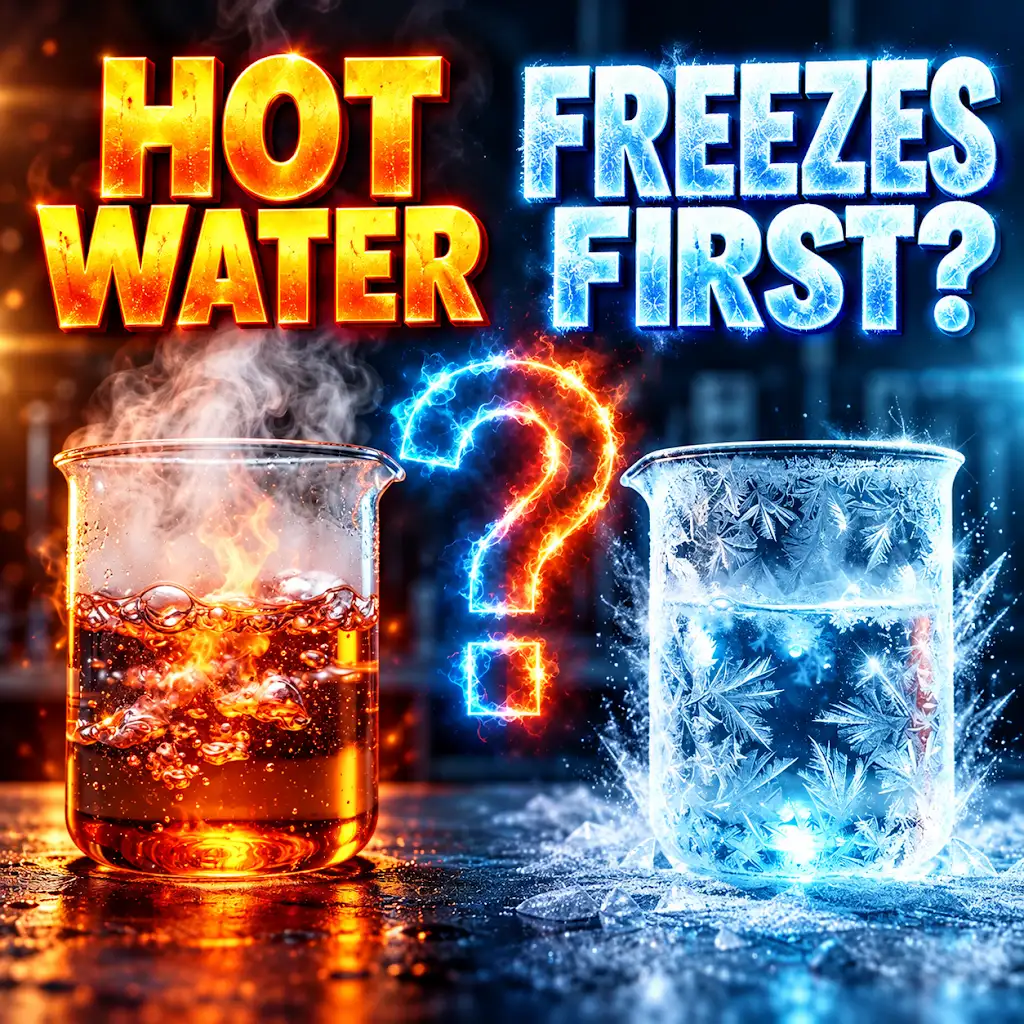
Why Hot Water Freezes Faster Than Cold (The Mpemba Effect)
FAQs
Is it true that hot water freezes faster than cold water?
No, the myth that hot water freezes faster than cold water has been debunked. In reality, cold water typically freezes faster than hot water due to the differences in temperature and the way heat is lost during the cooling process.
What is the Mpemba effect?
The Mpemba effect is the phenomenon where hot water freezes faster than cold water under certain conditions. While this effect has been observed, it is not consistently reproducible and is not fully understood by scientists.
Why do some people believe that hot water freezes faster?
Some people believe that hot water freezes faster due to misconceptions about the physics of heat transfer and the behavior of water when it is cooled. These misconceptions have contributed to the perpetuation of the myth.
What factors can influence the freezing time of water?
Several factors can influence the freezing time of water, including the initial temperature of the water, the volume of water, the container it is in, and the surrounding environment. These factors can all impact how quickly water freezes.
Are there any practical applications of understanding the freezing process of water?
Understanding the freezing process of water is important in various fields such as meteorology, food preservation, and materials science. By studying how water freezes, scientists can develop better methods for preserving food, predicting weather patterns, and designing materials with specific properties.