The Paradox of the Mpemba Effect
The common understanding of physics dictates that colder objects cool down faster than warmer ones. This intuitive principle governs our everyday experiences, from leaving a glass of warm milk out to cool or placing leftovers in the refrigerator. However, a curious phenomenon, known as the Mpemba effect, challenges this fundamental notion. It describes the seemingly paradoxical observation that, under certain conditions, hot water can freeze faster than cold water. This counterintuitive behavior has intrigued scientists for centuries, sparking debate, numerous experiments, and a quest for definitive explanations. The Mpemba effect, named after Tanzanian schoolboy Erasto Mpemba who brought it to wider scientific attention in the 1960s, remains a captivating enigma, prompting a deeper exploration into the complex interplay of factors that govern the transition of water from liquid to solid.
The effect was first documented in a rudimentary way by Aristotle in the 4th century BC, who noted that water that had been boiled could freeze more easily. Later, in the 17th century, René Descartes also alluded to a similar observation. However, it was Mpemba’s detailed account, during a science club meeting, that propelled the phenomenon into the modern scientific discourse. His observation, presented with enthusiasm and specific examples, prompted the attention of physicist Denis Osborne, who then conducted experiments that seemingly confirmed the effect, publishing his findings in 1969. Since then, numerous researchers have attempted to replicate and explain the Mpemba effect, with various theories emerging, each highlighting different contributing factors. Despite these efforts, a universally accepted, single explanation remains elusive, underscoring the complexity of water’s phase transitions and the subtle environmental influences at play. The continued investigation into the Mpemba effect serves as a testament to the enduring power of scientific inquiry to unravel even the most seemingly contradictory natural phenomena.
The Mpemba effect, which describes the phenomenon where hot water freezes faster than cold water under certain conditions, has intrigued scientists for decades. For a deeper exploration of this fascinating topic and its implications in the realm of physics, you can read a related article on the subject at Freaky Science. This resource delves into various theories and experiments that seek to explain the underlying mechanisms of the Mpemba effect, providing valuable insights for both enthusiasts and researchers alike.
Exploring the Contenders: Leading Theories Behind the Phenomenon

The Mpemba effect, being a counterintuitive phenomenon, has naturally attracted a multitude of proposed explanations, each attempting to dissect the intricate processes involved in water’s cooling and freezing. These theories often focus on the initial state of the water, its interaction with its environment, and the molecular behavior of water molecules during the cooling process. While no single theory has achieved universal consensus, several stand out as the most plausible and scientifically supported, offering valuable insights into the complex physics at play. Understanding these competing explanations is crucial to appreciating the multifaceted nature of this intriguing effect.
Convective Cooling and Temperature Gradients
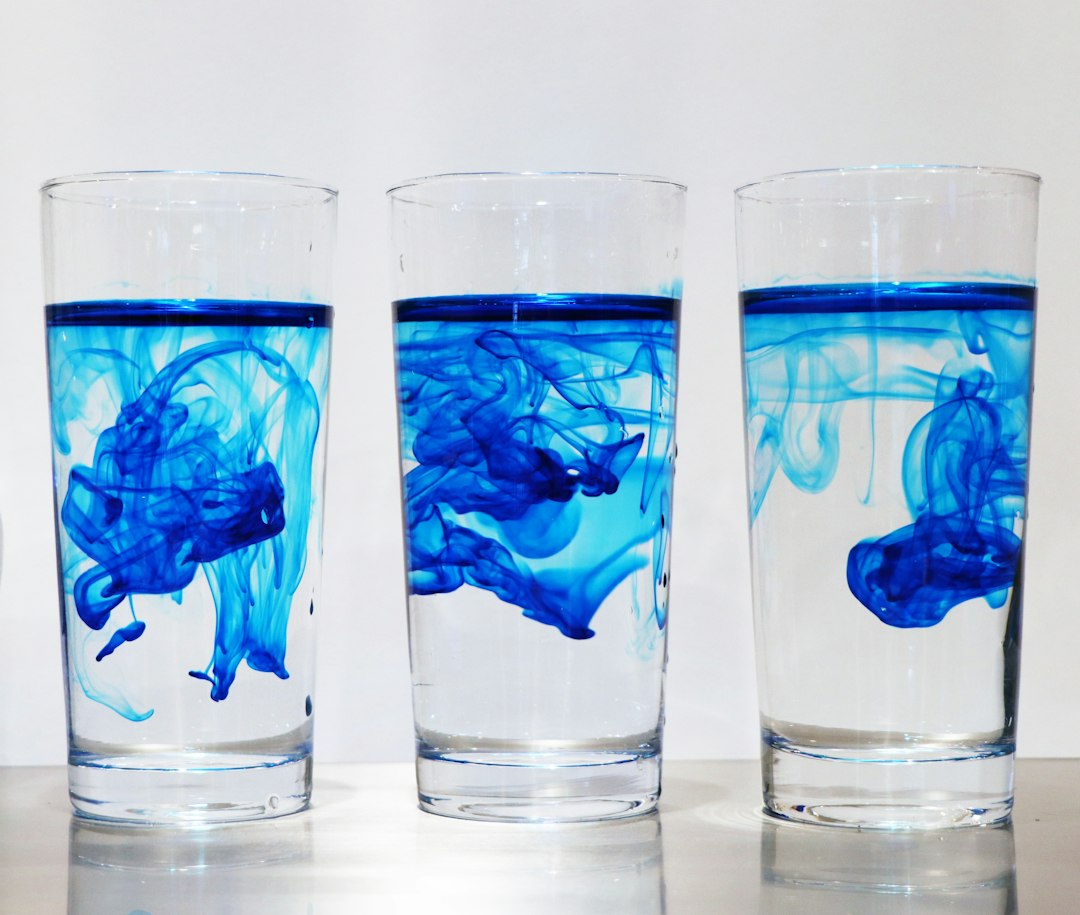
One of the most prominent and widely discussed explanations for the Mpemba effect revolves around the role of convection. When water cools, temperature differences within the liquid create density variations. Denser, colder water tends to sink, while less dense, warmer water rises. This creates convection currents that help to distribute heat throughout the volume of water. In the case of hot water, the initial temperature difference between the bulk of the water and the surface exposed to the cooling environment is greater. This larger temperature gradient can drive more vigorous convection currents, leading to a more efficient rate of heat loss from the entire body of water.
Specifically, as the hot water begins to cool from the surface, a layer of colder, denser water forms. This cold water sinks, and warmer water from below rises to take its place, thus initiating convection. This circulation efficiently transfers heat from the bulk of the liquid to the cooling surface. In contrast, colder water, already closer to its freezing point, might have less pronounced temperature gradients, leading to weaker convection currents and a slower overall rate of heat dissipation. This intensified heat transfer due to robust convection in hot water could therefore allow it to reach the freezing point and subsequently solidify faster than its colder counterpart. The geometry of the container and the cooling method also play significant roles in influencing the efficiency of these convective processes.
Evaporative Cooling: A Silent Contributor
Another significant factor often cited in explanations of the Mpemba effect is evaporative cooling. When water is exposed to air, some of its molecules, particularly those with higher kinetic energy, can escape from the liquid surface into the gaseous phase, a process known as evaporation. This process requires energy, which is drawn from the remaining liquid water in the form of heat. Therefore, evaporation acts as a cooling mechanism, further reducing the temperature of the water.
Hot water, having a higher vapor pressure due to the greater kinetic energy of its molecules, will evaporate at a significantly faster rate than cold water. This accelerated evaporation leads to a more rapid loss of heat from the water. The more water that evaporates, the more energy is removed from the remaining liquid, thus contributing to its quicker cooling. This effect is particularly pronounced in open containers where there is a large surface area exposed to the air. While less intuitive than convective cooling, the cumulative effect of rapid evaporation from hot water can be substantial, potentially tipping the scales in favor of faster freezing. The humidity of the surrounding air is also a critical variable, as higher humidity would reduce the rate of evaporation for both hot and cold water, potentially diminishing the Mpemba effect.
Dissolved Gases and Their Influence
The presence and behavior of dissolved gases within water are also implicated in the Mpemba effect. Water, especially tap water, contains dissolved gases such as oxygen and nitrogen. As water is heated, its solubility for gases decreases, meaning that more gas will be expelled from the water. Therefore, hot water typically contains fewer dissolved gases than cold water.
The role of dissolved gases in freezing is complex. Some research suggests that dissolved gases can hinder the formation of ice crystals by interfering with the molecular arrangement required for the solid state. If hot water has fewer dissolved gases, the formation of ice crystals might be facilitated, allowing it to freeze more readily. Conversely, the presence of dissolved gases in colder water could impede the freezing process, slowing it down. Another aspect to consider is the potential impact of dissolved gases on the thermal conductivity of water. While the effect might be subtle, variations in dissolved gas content could subtly alter how heat is transferred within the liquid. This theory, while perhaps less visually dramatic than convection or evaporation, offers a molecular-level explanation for the observed phenomenon, highlighting the intricate chemical and physical properties of water.
Supercooling and the Role of Impurities
Supercooling is a phenomenon where a liquid cools below its freezing point without solidifying. This occurs when the liquid is free from nucleation sites – impurities or irregularities on surfaces that provide a starting point for ice crystal formation. When water eventually freezes after being supercooled, it does so rapidly. The Mpemba effect might be influenced by the propensity of hot and cold water to supercool.
It is theorized that hot water might be less prone to supercooling than cold water. This could be due to several reasons. The heating process might drive out impurities that act as nucleation sites. Alternatively, the vigorous convection in hot water might help to distribute any existing nucleation sites more evenly, making it harder for widespread supercooling to occur. If cold water is more likely to supercool, it will remain liquid below its freezing point for a longer period, and when it does eventually freeze, it might do so rapidly from a supercooled state. However, the initial cooling of hot water, if it avoids significant supercooling, could lead to it reaching the freezing point and initiating ice formation sooner than cold water that might enter a prolonged supercooled state. The purity of the water and the nature of the container’s surface are therefore crucial factors in this particular explanation.
Experimental Investigations: Replicating and Refining the Observation
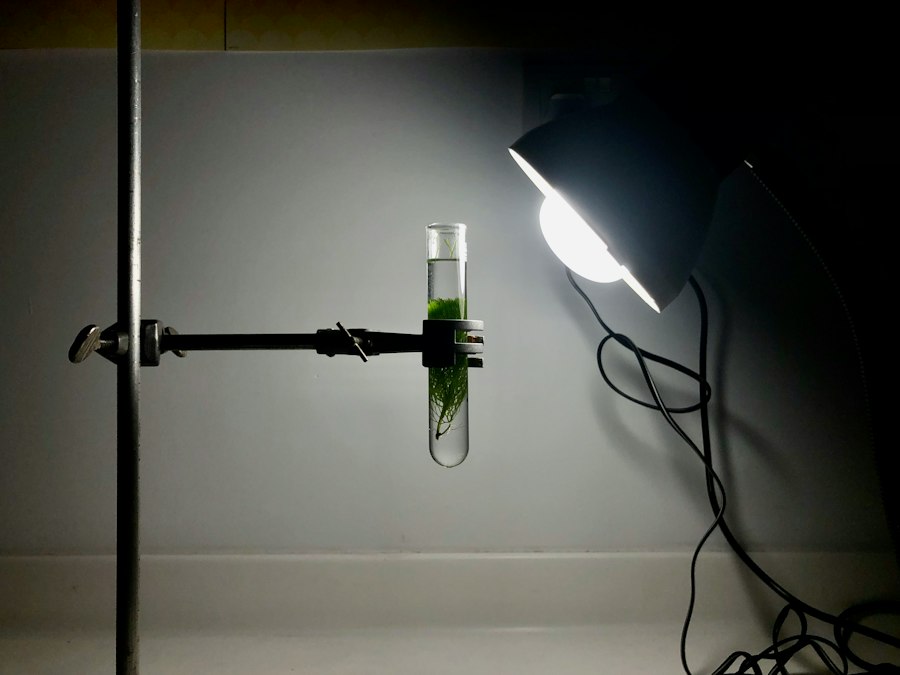
The Mpemba effect, despite its anecdotal origins, has been the subject of numerous scientific investigations aimed at verifying its existence and isolating the contributing factors. These experiments, ranging from simple classroom demonstrations to sophisticated laboratory setups, have provided valuable data and insights, though they have also highlighted the challenge of achieving consistent results. The reproducibility of the Mpemba effect often depends on the precise experimental conditions, underscoring its sensitivity to subtle variables.
Early Investigations and Osborne’s Contribution
Erasto Mpemba’s own experiments, conducted with the assistance of his physics teacher, involved filling two identical containers with water – one hot and one cold – and placing them in a freezer. He observed that the hot water often froze first. This simple yet effective demonstration caught the attention of physicist Denis Osborne. Osborne conducted more controlled experiments, varying parameters such as the initial temperatures of the water, the volume, and the type of containers. His findings, published in the journal Nature in 1969, lent significant scientific credibility to Mpemba’s observations. Osborne’s work focused on detailed measurements of temperature over time, charting the cooling curves of both hot and cold water samples. His experiments generally supported the existence of the Mpemba effect under specific conditions, although he acknowledged that the phenomenon was not always observed and that the explanation was not immediately obvious.
Modern Approaches and Technological Advancements
In more recent times, researchers have employed advanced techniques and technologies to study the Mpemba effect. High-speed cameras, thermal imaging, and precise temperature sensors allow for a more detailed understanding of the dynamic processes occurring within the water as it cools. These methods enable scientists to visualize and quantify convection currents, monitor evaporation rates, and precisely track temperature changes at different points within the water sample. Computational fluid dynamics (CFD) simulations are also being used to model the heat transfer processes and investigate the interplay of different factors. These modern approaches have helped to refine our understanding of the potential mechanisms at play, such as the detailed dynamics of convective flow and the precise rate of evaporative cooling.
Challenges in Reproducibility and Defining Conditions
One of the most significant challenges in studying the Mpemba effect is its inconsistent reproducibility. Experiments conducted under seemingly identical conditions can sometimes yield conflicting results, leading to skepticism and debate within the scientific community. This lack of consistent reproducibility is often attributed to the intricate dependence of the effect on a multitude of parameters, many of which are difficult to control precisely.
Factors such as the precise initial temperatures, the shape and material of the container, the purity of the water, the presence of dissolved gases and impurities, the volume of water, and even the ambient conditions (air pressure, humidity, air currents) can all influence the cooling and freezing rates. For instance, the surface area to volume ratio of the container plays a crucial role in evaporation, while the material of the container can affect heat conduction. Even subtle variations in the surface roughness of the container can influence nucleation and supercooling. Consequently, establishing a definitive set of conditions under which the Mpemba effect is guaranteed to occur has proven to be a complex task, and research continues to explore the specific thresholds and interactions of these variables.
The Crucial Role of Water’s Unique Properties
Water is a remarkably complex substance, and its anomalous behavior is central to understanding the Mpemba effect. Its unique molecular structure and intermolecular forces give rise to a host of peculiar properties, some of which may contribute to this paradoxical phenomenon. Delving into the intrinsic characteristics of H2O provides a foundation for appreciating why it deviates from the behavior expected of many other liquids.
Hydrogen Bonding and Molecular Dynamics
Water molecules are polar, meaning they have a slight positive charge on the hydrogen atoms and a slight negative charge on the oxygen atom. These opposite charges attract each other, forming hydrogen bonds between adjacent water molecules. These bonds are crucial for many of water’s properties, including its high surface tension, high specific heat capacity, and its expansion upon freezing (unlike most substances, which contract).
During cooling, the hydrogen bonds are constantly forming and breaking. In hot water, the increased kinetic energy of the molecules leads to more frequent breaking and reforming of these bonds. As the water cools, the hydrogen bonds become more prevalent, influencing the structure of the liquid and how it transfers heat. The energy required to break these bonds during phase changes, or the energy released during their formation, can influence the overall cooling rate. Some theories suggest that the way hydrogen bonds rearrange themselves during cooling and freezing might differ between hot and cold water, leading to variations in heat dissipation.
Convection and Its Dependence on Density Anomalies
Water exhibits a unique density anomaly: its maximum density occurs not at its freezing point (0°C) but at approximately 4°C. This means that as water cools from higher temperatures, it becomes denser until it reaches 4°C. Below 4°C, however, its density begins to decrease as it approaches the freezing point. This unusual density behavior is directly linked to the structure of hydrogen bonding.
This density anomaly is fundamental to the convective cooling explanation. When hot water cools, it first becomes denser as it approaches 4°C, causing it to sink. This downward movement of colder, denser water from the surface drives convection. However, once the water cools below 4°C, it starts to become less dense. This reversal in density change can influence the nature and efficiency of convection. In cold water, which is already close to or below 4°C, the density gradients that drive vigorous convection might be weaker or behave differently, leading to less efficient heat transfer compared to the initial stages of cooling hot water. Understanding this density anomaly is therefore essential for fully grasping the role of convection in the Mpemba effect.
Solvation and Dissolved Species
The presence of dissolved substances, such as minerals and gases, can significantly alter the physical properties of water, including its freezing point and its thermal conductivity. As mentioned earlier, heating water can drive out dissolved gases. This change in the concentration of dissolved species can affect the nucleation process, which is the initial formation of ice crystals.
Furthermore, dissolved impurities can act as antifreeze, lowering the freezing point of water. If hot water contains fewer dissolved impurities (due to heating driving them out), it might freeze at a temperature closer to its theoretical freezing point compared to cold water, which might have a higher concentration of antifreeze agents. The interaction of these dissolved species with water molecules and the evolving ice crystal lattice is a complex area of study. Different concentrations of solutes can also subtly alter the specific heat capacity and thermal conductivity of the water, further influencing its cooling rate.
The Mpemba effect, which describes the phenomenon where hot water freezes faster than cold water under certain conditions, has intrigued scientists for decades. For those interested in exploring this fascinating topic further, a related article can provide deeper insights into the underlying mechanisms and experiments associated with this effect. You can read more about it in this detailed article that examines various theories and research findings surrounding the Mpemba effect.
Concluding Thoughts and Future Directions
| Parameter | Description | Typical Values / Observations | Notes |
|---|---|---|---|
| Initial Water Temperature | Starting temperature of the water before freezing | Hot water: 70°C to 100°C Cold water: 20°C to 25°C |
Hot water sometimes freezes faster than cold water under certain conditions |
| Freezing Time | Time taken for water to reach solid ice state | Varies from 30 minutes to several hours depending on conditions | Hot water can freeze faster than cold water in some experiments |
| Container Type | Material and shape of container holding water | Plastic, glass, metal containers | Container affects heat loss rate and evaporation |
| Evaporation Rate | Amount of water lost due to evaporation during cooling | Higher in hot water samples | Evaporation reduces volume, potentially speeding freezing |
| Convection Currents | Movement of water inside container due to temperature gradients | Stronger in hot water initially | Enhances heat transfer, may influence freezing time |
| Supercooling | Water cooling below freezing point without solidifying | Occurs variably; sometimes less in hot water samples | Less supercooling can lead to faster ice formation |
| Environmental Temperature | Temperature of the freezer or environment | Typically -18°C to -25°C in household freezers | Lower ambient temperature speeds freezing |
| Water Purity | Presence of dissolved gases and impurities | Distilled vs tap water | Impurities can affect nucleation and freezing behavior |
The Mpemba effect, a phenomenon that has intrigued and perplexed scientists for centuries, continues to be a subject of active research. While numerous theories have been proposed, ranging from the intricacies of convection and evaporation to the subtle influences of dissolved gases and impurities, no single, universally accepted explanation has emerged. This complexity underscores the multifaceted nature of water and its phase transitions, highlighting the delicate interplay of physical and chemical factors that govern its behavior.
Despite the ongoing debate, the various proposed explanations offer valuable insights into the potential mechanisms at play. It is likely that the Mpemba effect is not attributable to a single cause but rather a combination of several factors that vary in their importance depending on the specific experimental conditions. The rigorous scientific investigations, employing increasingly sophisticated technologies, have moved the understanding of this phenomenon beyond anecdotal observations to a more quantitative analysis. However, the challenge of achieving consistent reproducibility remains a testament to the sensitivity of the effect to subtle environmental variables.
Looking ahead, future research could focus on developing more precise experimental protocols that meticulously control all potentially influential parameters. This could involve utilizing standardized containers, carefully prepared water samples with controlled impurity levels, and highly regulated environmental conditions. Further exploration through advanced computational modeling, particularly in simulating the molecular dynamics of water during cooling and the intricate formation of ice crystals, could provide deeper insights into the microscopic origins of the Mpemba effect. Continued collaborative efforts between experimentalists and theorists will be crucial in unraveling the remaining mysteries of this captivating paradox, potentially leading to a more comprehensive understanding of heat transfer and phase transitions in water, with implications extending beyond this specific phenomenon to fields such as atmospheric science and material engineering. The Mpemba effect, in its enigmatic persistence, continues to serve as a powerful reminder of the vast and often surprising complexities hidden within the seemingly ordinary world around us.

Why Hot Water Freezes Faster Than Cold (The Mpemba Effect)
FAQs
What is the Mpemba effect in science?
The Mpemba effect is a phenomenon where hot water freezes faster than cold water under certain conditions. This counterintuitive observation has puzzled scientists for centuries.
Who discovered the Mpemba effect?
The Mpemba effect is named after Erasto Mpemba, a Tanzanian student who first observed this phenomenon in the 1960s. However, the effect has been noted by various scientists throughout history, including Aristotle and René Descartes.
What are some proposed explanations for the Mpemba effect?
Several theories have been put forward to explain the Mpemba effect, including differences in evaporation rates, dissolved gases, supercooling, and convection currents. However, the exact cause of this phenomenon is still a subject of debate among scientists.
Are there practical applications of the Mpemba effect?
While the Mpemba effect is primarily a scientific curiosity, it has potential applications in various fields such as cryogenics, food preservation, and the manufacturing of certain materials. Understanding the mechanisms behind this effect could lead to new technologies and processes.
Can the Mpemba effect be replicated in a controlled experiment?
Yes, the Mpemba effect has been replicated in numerous experiments under controlled conditions. By carefully controlling factors such as initial temperature, container shape, and agitation, scientists have been able to observe and study this intriguing phenomenon in laboratory settings.