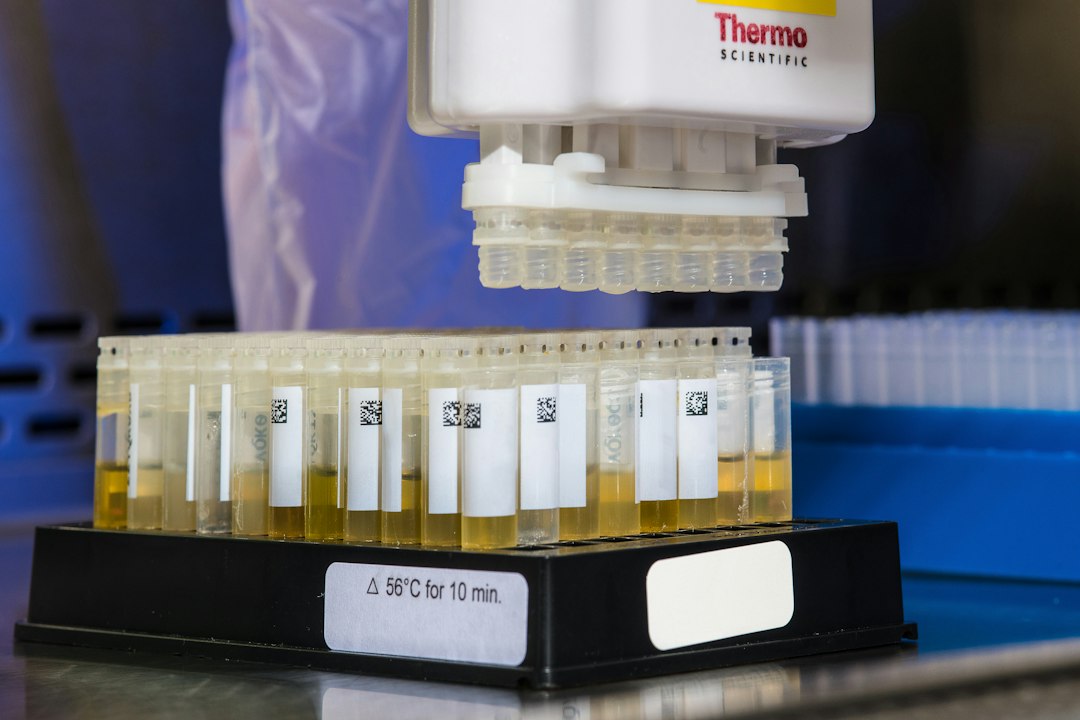
The pursuit of enhanced cooling efficiency in refrigeration systems is a perpetual endeavor, driven by the dual imperatives of energy conservation and improved food preservation. Among the myriad factors influencing a freezer’s performance, the movement of air within its cavity plays a critical role. This article delves into an experimental investigation, the Airflow Freezer Experiment, designed to uncover the intricate relationship between air circulation patterns and cooling efficiency, offering valuable insights for optimizing freezer design and operation.
Understanding the Fundamental Principles of Freezer Cooling
Before embarking on the experimental details, a foundational understanding of how freezers achieve and maintain low temperatures is essential. Refrigeration cycles, whether employing vapor-compression or thermoelectric principles, are designed to remove heat from the interior of the freezer compartment and dissipate it into the surrounding environment. Within this process, air serves as the primary medium for heat transfer from the stored items to the cooling elements.
The Role of Convection in Heat Transfer
Heat transfer within a freezer occurs through three primary mechanisms: conduction, convection, and radiation. While conduction plays a role in heat moving through solid food items and freezer walls, and radiation contributes minimally in typical freezer environments, convection is by far the dominant mode of heat transfer involving air. Natural convection, driven by density differences caused by temperature gradients, occurs spontaneously. However, in most modern freezers, forced convection, achieved through the use of fans, is employed to significantly accelerate the heat removal process and ensure more uniform temperature distribution. The effectiveness of this forced convection is directly tied to the velocity, pattern, and consistency of the airflow.
The Impact of Airflow on Temperature Uniformity
A key challenge in freezer design is achieving and maintaining a consistent temperature throughout the entire storage volume. Hot spots can lead to partial thawing and spoilage of food, while excessively cold spots can lead to freezer burn. Airflow is the primary tool for combating these temperature inhomogeneities. By strategically directing and circulating cold air, designers aim to create a stable thermal environment where all stored items experience similar cooling rates. The speed of the fan, the design of the internal baffles and vents, and the placement of the evaporator coils all contribute to the airflow dynamics and, consequently, the temperature uniformity.
Energy Consumption and Cooling Performance Metrics
The efficiency of a freezer is often measured by its energy consumption in relation to its cooling capacity. This can be expressed in various ways, such as kilowatt-hours per liter of storage volume per year. A more efficient freezer will consume less energy to maintain its target temperature, thus reducing operational costs and environmental impact. The Airflow Freezer Experiment aims to identify airflow configurations that maximize cooling performance, defined as the ability to quickly and uniformly lower temperatures and maintain them with minimal energy expenditure.
In exploring the fascinating world of airflow and its effects on freezing processes, a related article can provide further insights into the science behind these experiments. For a deeper understanding of how airflow influences temperature distribution and freezing efficiency, you can read more about it in this article: Freaky Science. This resource delves into various scientific principles and experiments that highlight the importance of airflow in different contexts.
Designing the Airflow Freezer Experiment
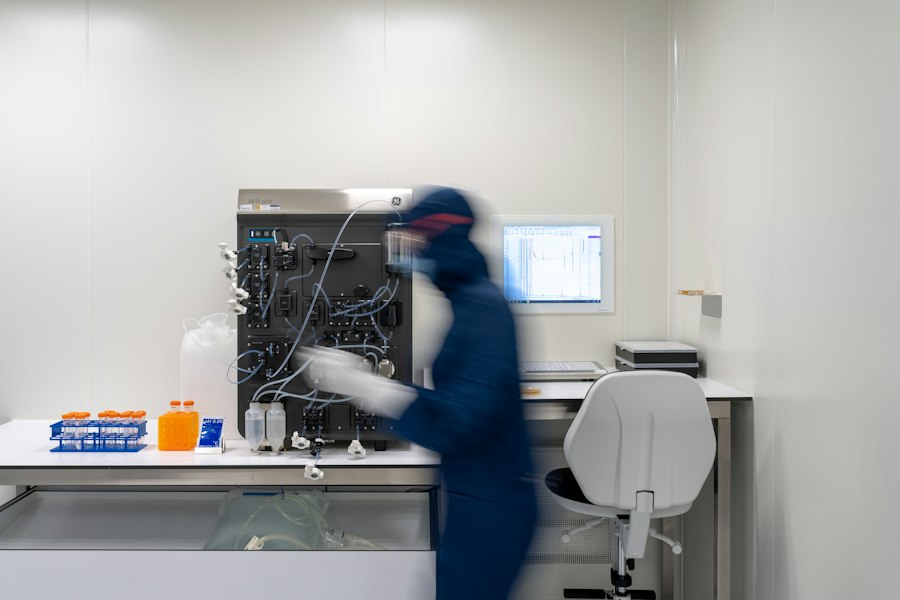
The experimental design is the cornerstone of any scientific investigation, and for the Airflow Freezer Experiment, meticulous planning was crucial to isolate the impact of airflow variables. The objective was to systematically alter airflow parameters and quantify their effect on key performance indicators.
Experimental Setup and Apparatus
The experiment utilized a modified commercial freezer unit, chosen for its representativeness of typical household appliances. Key modifications included the installation of precise temperature sensors at multiple locations within the freezer cavity, a variable-speed fan control system, and a method for visualizing airflow patterns. An anemometer was used to measure air velocity at specific points. Data logging equipment was employed to continuously record temperature and fan speed data over extended periods. The freezer was calibrated before each experimental run to ensure accurate temperature readings.
Temperature Sensor Placement Strategy
The placement of temperature sensors was critical to assessing temperature uniformity. Sensors were strategically positioned in locations known to be prone to temperature fluctuations: the top shelf, the bottom drawer, near the door seals, and in the center of the cavity. This multi-point measurement allowed for a comprehensive evaluation of how different airflow patterns affected the thermal environment across the entire usable volume of the freezer.
Variable Fan Control and Airflow Modulation
The ability to precisely control and vary the fan speed was central to the experiment. This allowed for the simulation of different operational states, from minimal airflow (e.g., during door opening and closing) to maximum cooling capacity. The experimental protocol involved testing a range of fan speeds to identify optimal settings for various cooling demands. Furthermore, the experiment explored the impact of different fan blade designs and housing configurations, although the primary focus remained on airflow velocity and direction.
Airflow Manipulation Techniques
Beyond simply varying fan speed, the experiment investigated methods to actively manipulate airflow patterns. This involved the introduction of strategically placed baffles, vents, and air diverters within the freezer cavity. These elements were designed to alter the path and velocity of the air, creating different convection currents and distribution patterns. The goal was to determine if specific airflow geometries could lead to more efficient heat extraction and improved temperature stability.
Baffles and Vents as Airflow Modifiers
The use of internal baffles and adjustable vents proved to be an effective means of directing and shaping the airflow. By altering the size and orientation of these components, researchers could create more focused streams of cold air or promote broader circulation. The experiment involved testing various configurations of these passive airflow modifiers to observe their impact on temperature distribution and cooling time.
Simulating Door Opening and Closing Events
A significant challenge in freezer efficiency is the ingress of warm, humid air when the door is opened. The experiment included simulated door opening and closing cycles to assess how different airflow settings responded to these disturbances. The goal was to identify airflow strategies that could quickly re-establish optimal temperature conditions after such events.
Performance Metrics and Data Collection
The experiment collected a rich dataset to quantify the impact of airflow on cooling efficiency. Key performance metrics included:
- Cooling Time: The time required to reach and maintain a target temperature from a warmer initial state.
- Temperature Uniformity: The standard deviation of temperatures measured across all sensor locations.
- Energy Consumption: The total energy consumed by the freezer during specific cooling cycles and over extended operational periods.
- Frost Accumulation: While not the primary focus, observations of frost buildup were noted, as excessive frost can impede airflow and reduce efficiency.
Analyzing Airflow Patterns and Their Consequences
The core of the Airflow Freezer Experiment involved meticulously analyzing the observed airflow patterns and correlating them with the collected performance data. This section details the findings related to how different airflow behaviors influenced cooling outcomes.
Visualizing Airflow Dynamics
To gain a qualitative understanding of airflow, a smoke visualization technique was employed. A small amount of non-toxic smoke was introduced into the freezer cavity while the fan was operational, allowing for the visual tracking of air currents. This provided valuable insights into the macroscopic movement of air, revealing areas of stagnation, rapid circulation, and potential dead zones. These visualizations served as a crucial complement to the quantitative temperature and velocity data.
Smoke Tracing and Streamline Identification
The smoke tracing technique allowed for the clear identification of streamlines – the paths that individual air particles would follow. This revealed how the internal geometry of the freezer, along with any added baffles or vents, influenced the overall flow field. Regions of laminar flow (smooth, orderly movement) and turbulent flow (chaotic, irregular movement) were observed, each with different implications for heat transfer.
Identifying Stagnant Zones and Hot Spots
The visualization clearly highlighted areas where air circulation was poor, leading to stagnant zones. These zones were often correlated with temperature readings that were consistently higher than surrounding areas, confirming them as potential hot spots. Understanding the origin of these stagnant zones was crucial for designing interventions to improve air distribution.
Correlation Between Airflow Velocity and Cooling Rate
The experiment established a clear correlation between air velocity and the speed at which the freezer cavity cooled down. Higher fan speeds, resulting in increased air velocity, generally led to shorter cooling times. However, this relationship was not always linear and was significantly influenced by the airflow pattern. Simply increasing fan speed without optimizing its direction could lead to inefficiencies and increased noise.
The Threshold for Effective Convection
It was observed that below a certain air velocity threshold, the heat transfer from the stored items was primarily driven by natural convection, which is a much slower process. Beyond this threshold, forced convection became dominant, leading to a more rapid and efficient removal of heat. Identifying this threshold was important for determining the minimum fan speed required for effective cooling.
Trade-offs Between Velocity and Energy Consumption
While higher velocities generally improved cooling speed, they also led to increased energy consumption. The experiment aimed to find a balance, identifying the “sweet spot” where a significant improvement in cooling performance could be achieved without an exorbitant increase in energy usage. This involved testing various fan speed settings and observing the resultant cooling times and energy expenditure.
The Significance of Airflow Directionality
The direction in which the cold air was propelled proved to be as important, if not more so, than its velocity. Airflow patterns that promoted a continuous, cyclical movement of air throughout the entire cavity were most effective. Avoidance of direct impingement of cold air on sensitive items, which could lead to freezer burn, while ensuring thorough circulation was a key finding.
Cyclical Flow Patterns for Uniform Cooling
Experiments with airflow configurations that created a continuous, swirling pattern of cold air throughout the freezer cavity consistently demonstrated superior temperature uniformity. This cyclical movement ensured that all items were exposed to the cooling air, preventing the formation of isolated warm or cold pockets.
Minimizing Direct Impingement and Maximizing Coverage
The research highlighted the detrimental effects of directing a high-velocity stream of cold air directly at the freezer walls or specific food items. This could lead to localized freezing and inefficient cooling of other areas. Optimal airflow directed the cold air in a manner that swept across all surfaces and items, maximizing heat exchange without causing localized issues.
Optimizing Freezer Performance Through Airflow Strategies
The insights gleaned from the Airflow Freezer Experiment provide a clear roadmap for optimizing freezer design and operation. By understanding and controlling airflow, significant improvements in cooling efficiency, temperature stability, and energy consumption can be realized.
Strategic Vent and Baffle Placement for Enhanced Circulation
The experiment conclusively demonstrated the effectiveness of strategically placed vents and baffles in directing and optimizing airflow. Custom-designed internal components can create more uniform and efficient cooling patterns compared to standard freezer designs. The ideal placement and geometry of these elements depend on the specific freezer’s internal layout and the desired airflow characteristics.
Designing for Continuous Air Loops
The optimal airflow strategy involves creating continuous air loops within the freezer cavity. This ensures that cold air circulates without interruption, consistently reaching all storage areas. The design should facilitate the return of warmer air to the evaporator for cooling, completing the cycle efficiently.
Avoiding Airflow Obstructions and Short-Circuiting
A crucial aspect of design is to avoid placing baffles or vents in a way that obstructs the natural flow or leads to “short-circuiting,” where cold air bypasses significant portions of the freezer cavity. The goal is to encourage a thorough and even distribution of cooled air.
Variable Speed Fan Control for Dynamic Temperature Management
The implementation of variable speed fan control systems offers a dynamic and energy-efficient approach to temperature management. The fan speed can be adjusted based on the cooling load, the frequency of door openings, and the ambient temperature. This allows for a more responsive and optimized cooling process.
Adapting Fan Speed to Cooling Demand
During periods of high cooling demand (e.g., after loading a significant amount of warm food), the fan speed can be increased to accelerate the cooling process. Conversely, when the freezer is stable, the fan speed can be reduced to conserve energy, while still maintaining adequate airflow for temperature uniformity.
Reducing Noise and Vibration Through Optimized Fan Speed
Operating the fan at lower speeds when full capacity is not required not only saves energy but also reduces noise and vibration, contributing to a more user-friendly appliance. The experiment identified the minimum effective fan speed for maintaining optimal conditions, allowing for quieter operation during stable periods.
Smart Defrost Cycles and Airflow Interplay
While the experiment primarily focused on active cooling, it also touched upon the interplay between airflow and defrost cycles. Excessive frost buildup on evaporator coils can significantly impede airflow, reducing cooling efficiency and increasing energy consumption. Optimized airflow can potentially help to mitigate frost formation in certain areas.
Minimizing Frost Accumulation Through Directed Airflow
By ensuring consistent airflow across the evaporator coils and the freezer cavity, the experiment observed that some configurations seemed to contribute to a more even distribution of moisture and potentially less localized ice formation. Further research is needed, but initial observations suggest a link between efficient airflow and reduced frost buildup.
Integrating Airflow Data for Smarter Defrosting
Future smart freezers could leverage airflow sensor data to initiate defrost cycles only when necessary, based on actual airflow restrictions rather than fixed timers. This would further enhance energy efficiency by avoiding unnecessary defrosting periods.
In recent studies on the efficiency of airflow in freezer experiments, researchers have uncovered fascinating insights into how air circulation affects freezing times and food preservation. For a deeper understanding of these principles, you can explore a related article that discusses various experimental setups and their outcomes. This research not only highlights the importance of airflow but also provides practical tips for optimizing freezer performance. To learn more about these intriguing findings, visit this article.
Future Directions and Broader Implications
| Parameter | Value | Unit | Notes |
|---|---|---|---|
| Airflow Rate | 2.5 | m/s | Velocity of air inside the freezer |
| Freezing Temperature | -18 | °C | Set temperature of the freezer |
| Freezing Time | 120 | minutes | Duration of the freezing process |
| Product Core Temperature | -15 | °C | Temperature at the center of the product |
| Humidity Level | 85 | % RH | Relative humidity inside the freezer |
| Energy Consumption | 3.2 | kWh | Energy used during the freezing cycle |
| Airflow Uniformity | 92 | % | Uniformity of airflow distribution |
The Airflow Freezer Experiment has yielded significant insights, but it also opens avenues for further research and has broader implications for appliance design and energy policy.
Advanced Computational Fluid Dynamics (CFD) Modeling
The qualitative and quantitative data gathered from the experiment can be used to develop and validate advanced Computational Fluid Dynamics (CFD) models. These models can simulate airflow within virtual freezer environments with greater precision, allowing for rapid testing of numerous design iterations without the need for physical prototypes. This can significantly accelerate the design and optimization process.
Validating CFD Models with Experimental Data
The experimental data serves as a crucial ground truth for CFD simulations. By comparing the predicted airflow patterns and temperature distributions from CFD models with the actual experimental results, the accuracy and reliability of the models can be assessed and refined.
Predicting Performance of Novel Designs
Once validated, CFD models can be used to predict the performance of entirely new freezer designs or modifications, exploring configurations that might be difficult or impossible to physically test. This allows for the exploration of more radical innovations in airflow management.
The Role of Airflow in Emerging Refrigeration Technologies
As new refrigeration technologies emerge, such as solid-state cooling or advanced thermoelectric systems, the principles of airflow optimization will remain relevant. Understanding how to effectively move conditioned air within these novel systems will be critical for their commercial success and efficiency. The foundational knowledge gained from this experiment can be adapted to these new paradigms.
Adapting Airflow Principles to Novel Cooling Mechanisms
While the underlying cooling mechanisms may differ, the fundamental need to efficiently transfer thermal energy from the stored goods to the cooling element via air remains. The principles of convection, airflow patterns, and temperature uniformity are universal.
Optimizing Heat Exchange in Future Appliances
The insights from this experiment will contribute to the development of more energy-efficient refrigerators, freezers, and other temperature-controlled appliances in the future, regardless of the specific cooling technology employed.
Impact on Energy Conservation and Sustainability Initiatives
The optimization of freezer cooling efficiency through improved airflow has direct and significant implications for global energy conservation efforts. By reducing the energy consumption of refrigeration units, which are major contributors to household energy usage, substantial reductions in greenhouse gas emissions can be achieved.
Reducing Energy Footprints of Households
More efficient freezers translate directly into lower electricity bills for consumers and a reduced overall demand on power grids. This contributes to a more sustainable energy landscape and alleviates the strain on energy resources.
Policy and Regulatory Considerations
The findings of this experiment can inform policy decisions and regulatory standards related to appliance energy efficiency. By providing concrete data on the impact of airflow on performance, it can support the development of more effective energy efficiency targets and labeling programs for refrigeration appliances.
The Airflow Freezer Experiment underscores the profound impact of seemingly simple air movement on complex thermodynamic processes. By systematically investigating and optimizing airflow, the potential for significant enhancements in freezer cooling efficiency is substantial, paving the way for more sustainable and effective refrigeration solutions.

Why Hot Water Freezes Faster Than Cold (The Mpemba Effect)
FAQs
What is an airflow freezer experiment?
An airflow freezer experiment is a scientific study that involves testing the effects of different airflow patterns on the freezing process of food or other materials in a freezer.
Why are airflow freezer experiments conducted?
Airflow freezer experiments are conducted to optimize the freezing process, improve food quality, reduce freezing time, and enhance energy efficiency in freezer systems.
What are the variables typically measured in an airflow freezer experiment?
Variables measured in an airflow freezer experiment may include freezing time, temperature distribution, ice crystal formation, product quality, and energy consumption.
How are airflow patterns controlled in a freezer experiment?
Airflow patterns in a freezer experiment can be controlled by adjusting the position and speed of fans, modifying the design of air ducts, and changing the layout of the freezer compartments.
What are some potential applications of the findings from an airflow freezer experiment?
The findings from an airflow freezer experiment can be applied in food processing industries, cold storage facilities, and refrigeration systems to improve freezing efficiency, product quality, and energy savings.