
The Deep Chill: Unveiling the Science of Cryonics
The notion of cheating death, of pausing life’s inevitable march and reawakening in a future where ailments are cured and humanity has perhaps ventured among the stars, has long captivated the human imagination. It is a dream that, for a select few, has moved from the realm of science fiction to tangible, albeit controversial, practice. This practice is cryonics, the low-temperature preservation of biological material, most notably human bodies, with the hope of future revival. The journey from a deceased individual to a cryopreserved specimen is a complex and often emotionally charged one, involving a delicate interplay of rapid medical intervention, sophisticated preservation techniques, and a profound belief in technological progress. At its core, cryonics is a bet on the future, a wager that science will one day possess the knowledge and tools to not only repair the damage caused by the original cause of death but also the inevitable cellular degradation that occurs during the freezing process itself.
The appeal of cryonics is understandable. Facing mortality is a universal human experience, and the idea of extending one’s existence, even if it means an indefinite slumber, offers a compelling alternative to the finality of death. For individuals facing terminal illnesses, or those who simply wish to witness a more advanced future, cryonics presents a unique, albeit unproven, path. The process is not about instant freezing; it is a meticulous procedure designed to mitigate damage and preserve the intricate structures of the human body. While the scientific community remains largely skeptical, pointing to significant hurdles in both preservation and resuscitation, the dedicated practitioners and proponents of cryonics continue to push the boundaries of what is currently possible, driven by a vision of future medical breakthroughs that could make their ambitious undertaking a reality.
If you’re intrigued by the concept of freezing and its implications in the realm of science, you might find the article on “Cryonics: The Science of Freezing for Future Revival” particularly fascinating. This piece delves into the techniques and ethical considerations surrounding the preservation of human bodies at extremely low temperatures, aiming for potential revival in the future. To explore this captivating topic further, visit the article here: Cryonics: The Science of Freezing for Future Revival.
The Process of Preservation: From Deathbed to Deep Freeze
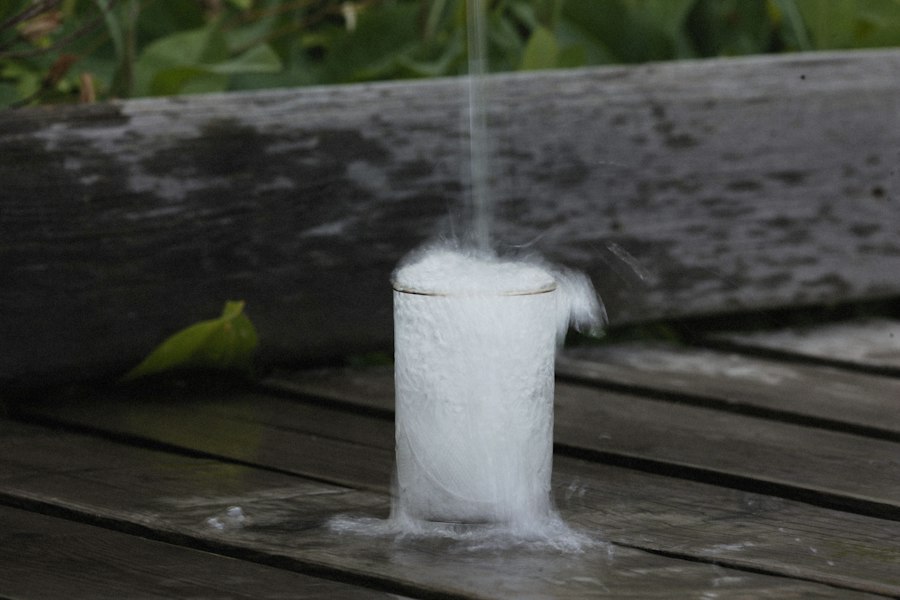
The path to cryopreservation is a race against time, a desperate bid to halt biological processes before irreversible damage sets in. It begins the moment legal death is declared, a crucial distinction in cryonics as it is a state of cessation of all vital functions that is legally recognized, rather than the point at which cellular decay becomes irreparable. For cryonics organizations, this declaration is the signal to initiate their highly trained emergency response teams. These teams are equipped with specialized medical kits, including medications to stabilize remaining biological functions and prevent further deterioration. The speed and efficiency of this initial intervention are paramount, as even minutes can make a difference in preserving cellular integrity.
Immediate Stabilization and Medical Intervention
Upon receiving notification of a potential cryopreservation, a cryonics organization’s standby team, often consisting of medical professionals, is dispatched immediately. Their primary objective is to reach the patient as quickly as possible, ideally before significant cellular degradation begins. Upon arrival, the team assesses the patient’s condition and, if legally possible, initiates a series of medical interventions. This typically involves administering medications to maintain blood circulation and oxygenation, reducing clotting, and preventing further damage to vital organs, particularly the brain. Cardiopulmonary support may be employed to maintain a rudimentary flow of blood, even though the heart has ceased to beat. The goal is to keep the cells as healthy and intact as possible until the more intensive preservation procedures can commence.
The Vitrification Protocol: Avoiding Ice Crystal Formation
The most critical phase of cryopreservation is the process of vitrification, a state of being that resembles glass – solid but without the formation of damaging ice crystals. Water, when frozen, expands and forms sharp ice crystals that can shred delicate cellular structures. To circumvent this, cryonics organizations use cryoprotective agents (CPAs). These are specialized chemical solutions that replace the water within the cells, lowering the freezing point and, when applied correctly and rapidly, preventing the formation of ice crystals. Instead, the tissue solidifies into an amorphous, glass-like state. This is a delicate balancing act, as the CPAs themselves can be toxic in high concentrations. The concentration and the rate of introduction of these agents are carefully controlled to minimize toxicity while maximizing their ice-inhibiting properties.
Cooling and Long-Term Storage
Once the vitrification protocol is successfully completed, the body is then cooled to extremely low temperatures. This typically involves a gradual cooling process down to around -130 degrees Celsius (-202 degrees Fahrenheit) in specialized cooling chambers. Following this intermediate cooling, the body is then transferred to a long-term storage facility, where it is submerged in liquid nitrogen at a temperature of -196 degrees Celsius (-320.8 degrees Fahrenheit). Here, biological processes are effectively halted, creating a state of suspended animation. The goal is to maintain this stable cryogenic temperature indefinitely, awaiting the future technological advancements that proponents believe will enable revival.
The Science of Suspending Life: Cryoprotectants and Cellular Integrity
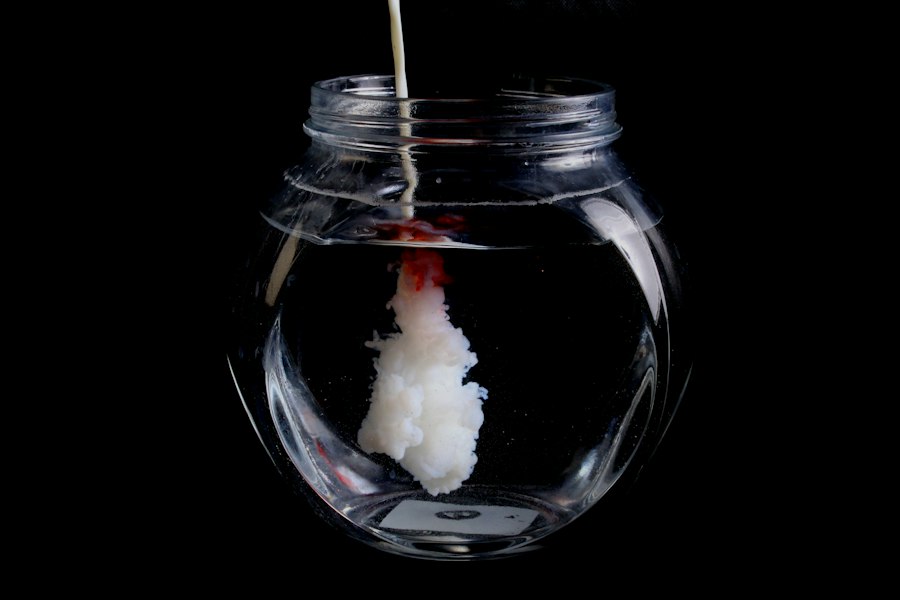
The cornerstone of successful cryopreservation lies in the development and application of effective cryoprotective agents. Without them, the simple act of freezing a biological specimen would result in irreparable cellular destruction. These chemical compounds are the unsung heroes of cryonics, working to prevent the catastrophic formation of ice crystals that would obliterate the intricate structures essential for life. The development of these agents is an ongoing area of research, with a constant search for compounds that offer maximum protection with minimal toxicity.
Understanding Cryoprotective Agents and Their Mechanisms
Cryoprotective agents are essentially molecules that can infiltrate cells and tissues, displacing water and forming a glassy matrix upon cooling. Their primary function is to lower the freezing point of water and to suppress the formation of ice crystals. Common examples include glycerol, dimethyl sulfoxide (DMSO), and ethylene glycol. These substances work by interfering with hydrogen bonding between water molecules, making it more difficult for them to arrange themselves into the rigid structure of ice. Furthermore, they can increase the viscosity of the solution, slowing down the rate at which ice crystals can nucleate and grow. The effectiveness of a CPA is often measured by its ability to achieve vitrification at relatively accessible temperatures and its biocompatibility, meaning its toxicity to cells.
The Challenge of Toxicity and Permeability
While essential, cryoprotective agents are not without their challenges. Many potent CPAs are inherently toxic to cells at high concentrations. The art of cryonics lies in finding a delicate balance: using enough CPA to achieve vitrification without causing irreversible damage through toxicity. This often involves a perfusion process, where the CPA solution is gradually introduced into the circulatory system, allowing it to permeate tissues and cells. The rate of perfusion, the concentration gradient of the CPA, and the temperature at which perfusion occurs are all carefully controlled to optimize penetration while minimizing toxic effects. Researchers are continually exploring new CPA combinations and delivery methods to improve efficacy and reduce toxicity.
Preserving the Brain: The Ultimate Frontier
The brain, with its intricate network of neurons and synapses, represents the ultimate challenge in cryopreservation. It is believed to be the seat of consciousness and identity, and its preservation is paramount for any hope of future revival and the restoration of a person’s memories and personality. The goal is to preserve not just the physical structure of the brain but also the complex molecular and electrochemical information encoded within it. While current methods aim to vitrify the brain to prevent ice crystal damage, the precise mechanisms of memory storage and the fidelity of neural connections at cryogenic temperatures remain areas of intense scientific inquiry and debate.
The Future of Revival: Technological Hurdles and Ethical Considerations
The ultimate goal of cryonics is not simply preservation; it is revival. This is where the science fiction elements become most prominent, as it necessitates a leap of faith into future technological capabilities. While cryopreservation aims to halt biological processes, the means to reverse them, to repair cellular damage, and to bring a vitrified human back to life are currently beyond our grasp. This aspect of cryonics raises significant scientific, ethical, and philosophical questions.
Nanotechnology and Molecular Repair
One of the most frequently cited potential avenues for revival involves advanced nanotechnology. Proponents envision microscopic robots, or nanobots, capable of navigating the cryopreserved body at a molecular level. These nanobots would, theoretically, be able to repair cellular damage caused by the original cause of death, the cryopreservation process, and any subsequent degradation. They could clear out ice crystal remnants, mend fractured cell membranes, and even reassemble damaged DNA. The development of such sophisticated nanomedical technology is still largely in the realm of theoretical research, with significant challenges to overcome in terms of biocompatibility, power sources, and precise control.
Medical Resuscitation and Organ Regeneration
Beyond molecular repair, revival would also require advanced medical capabilities. This could include sophisticated organ regeneration techniques, where damaged or degraded organs are replaced with newly grown ones, or the ability to reanimate and restart biological functions in a controlled manner. The process might involve a complex regimen of treatments to gradually warm the body, flush out CPAs, and restore metabolic activity. The sheer complexity of such a revival process, encompassing the entire human organism from the cellular to the systemic level, presents a monumental scientific and medical undertaking.
Ethical Dilemmas and Societal Impact
The prospect of cryonics and potential revival also brings a host of ethical considerations to the forefront. Who decides who gets to be cryopreserved? What are the implications for resource allocation in a future society? How would a revived individual integrate into a world potentially centuries or millennia removed from their own? Furthermore, there are questions surrounding the definition of death and the potential for misuse of cryopreservation technology. The very act of delaying death, even if temporary, touches upon profound philosophical and religious beliefs about life, mortality, and the natural order. The societal impact of successful revival could be immense, challenging existing social structures and notions of identity and inheritance.
If you’re intrigued by the concept of freezing in the realm of science, you might find the article on cryonics particularly fascinating. This field explores the possibilities of preserving human bodies at extremely low temperatures with the hope of future revival. To learn more about this captivating subject, you can check out the article here: Freaky Science. It delves into the ethical implications and scientific advancements surrounding the practice, making it a must-read for anyone curious about the intersection of science and the unknown.
The Present Landscape: Organizations and Public Perception
| Experiment | Temperature (°C) | Duration (minutes) | Observed Effect | Notes |
|---|---|---|---|---|
| Supercooling Water | -5 | 10 | Water remains liquid below freezing point | Triggered instant freezing upon disturbance |
| Freezing Bubbles | -15 | 5 | Bubbles freeze mid-air forming crystalline structures | Occurs in very cold, dry conditions |
| Liquid Nitrogen Freezing | -196 | 1 | Instant freezing of organic materials | Used for cryopreservation and demonstrations |
| Freeze Fracture Microscopy | -130 | Varies | Cell membranes split to reveal internal structures | Technique for studying biological membranes |
| Dry Ice Sublimation | -78 | Varies | Solid CO2 sublimates directly to gas | Used for fog effects and cooling |
Despite the speculative nature of revival, cryonics as a practice exists today, supported by a small but dedicated community and a few established organizations. These organizations operate on the conviction that their services, however uncertain the outcome, offer a chance for extended existence. Public perception, however, remains largely divided, oscillating between fascination and skepticism.
Leading Cryonics Providers and Their Services
Currently, several organizations worldwide offer cryopreservation services. The Alcor Life Extension Foundation and the Cryonics Institute are two of the most prominent in the United States, with others operating in Europe and Asia. These organizations provide varying levels of service, from the preservation of the entire body (whole-body preservation) to the preservation of the brain only (neuropreservation). They manage the complex logistical and medical procedures involved, maintain the cryogenic storage facilities, and conduct ongoing research and development in cryopreservation techniques. Membership fees and the cost of services are significant, reflecting the advanced technology and specialized personnel required.
The Scientific Skepticism and Criticisms
The scientific community largely views cryonics with a healthy dose of skepticism. The primary criticism centers on the lack of a proven method for reviving a cryopreserved human. Critics argue that the damage caused by ice crystals, CPA toxicity, and the sheer impossibility of reversing such extensive cellular disruption at a molecular level makes revival highly improbable with current or foreseeable technology. Many scientists emphasize that cryopreservation is effectively a form of sophisticated embalming, and the term “preservation” itself is debated, as significant damage is inherent. The reliance on future, as-yet-uninvented technology for revival is seen as the weakest link in the cryonics argument.
Public Fascination and the Dream of Immortality
Despite scientific reservations, the dream of cheating death and achieving a form of immortality continues to captivate the public imagination. Cryonics taps into this deep-seated human desire, offering a tangible, albeit speculative, pathway. Documentaries, books, and media attention frequently highlight the practice, often focusing on the poignant stories of individuals choosing cryopreservation and the hopeful outlook of their families. This fascination, while sometimes bordering on sensationalism, underscores the enduring human quest to overcome mortality and explore the possibilities of science and technology to extend life.
The Future Unfolding: Research, Evolution, and the Unknown
The field of cryonics, while often considered on the fringes of mainstream science, is not static. It is a dynamic area where ongoing research, evolving techniques, and a persistent belief in future advancements are constantly shaping its trajectory. The ultimate success of cryonics hinges not only on the ingenuity of its practitioners but also on the broader progress of scientific understanding and technological innovation across numerous disciplines.
Advances in Cryobiology and Vitrification Research
Research in cryobiology, the study of the effects of low temperatures on biological systems, is crucial for the advancement of cryonics. Scientists are actively exploring new and less toxic cryoprotective agents, as well as innovative methods for delivering them to tissues and organs. This includes research into controlled cooling rates, the use of osmotic agents to manage water movement, and strategies to minimize ice formation during both the cooling and warming phases. Success in vitrifying larger, more complex biological structures, like organs, is seen as a critical step towards the eventual revival of whole organisms. Developments in areas like perfusion technologies and cryosurgery are also indirectly contributing to a better understanding of how to manage biological tissues at low temperatures.
The Role of AI and Computational Biology
The integration of artificial intelligence (AI) and computational biology is poised to play an increasingly significant role in cryonics. AI can be used to analyze vast datasets related to cellular damage and repair, to model the complex interactions of cryoprotective agents, and to optimize perfusion protocols. Computational biology can help predict the long-term stability of cryopreserved tissues and develop more sophisticated simulations of the revival process. By leveraging these advanced analytical tools, researchers can gain deeper insights into the intricate molecular mechanisms at play and potentially identify novel solutions to the challenges of cryopreservation and revival.
The Uncharted Territory of Human Revival
Ultimately, the success of cryonics remains an open question, a testament to humanity’s ongoing struggle with mortality and its persistent drive to push the boundaries of what is scientifically possible. The journey from a deceased individual to a cryopreserved specimen is a remarkable feat of current technological application, but the leap to revival represents an entirely different order of scientific achievement. Whether that leap will be realized in the future remains an unknown, a profound testament to the inherent uncertainties and boundless potential of scientific exploration. The story of cryonics is a narrative of hope, of scientific endeavor, and of the enduring human dream to transcend the limits of our natural existence, venturing into the uncharted territory of life and death.

Why Hot Water Freezes Faster Than Cold (The Mpemba Effect)
FAQs
What is freaky science freezing?
Freaky science freezing refers to the bizarre and unusual phenomena that occur when substances are exposed to extremely low temperatures, resulting in unexpected behaviors and properties.
What are some examples of freaky science freezing?
Examples of freaky science freezing include supercooling, where a liquid remains in a liquid state below its freezing point, and the Mpemba effect, where hot water freezes faster than cold water under certain conditions.
How does freaky science freezing challenge traditional scientific understanding?
Freaky science freezing challenges traditional scientific understanding by showcasing unconventional behaviors and properties that defy common expectations based on standard scientific principles and theories.
What are the potential applications of studying freaky science freezing?
Studying freaky science freezing can lead to advancements in various fields such as materials science, cryogenics, and physics, potentially unlocking new technologies and innovations based on the unique properties exhibited by substances at ultra-low temperatures.
Are there any risks associated with experimenting with freaky science freezing?
Yes, there are risks associated with experimenting with freaky science freezing, including exposure to extreme cold temperatures, handling hazardous materials, and potential accidents due to the unpredictable nature of some phenomena. Proper safety precautions and equipment are essential when conducting experiments in this field.