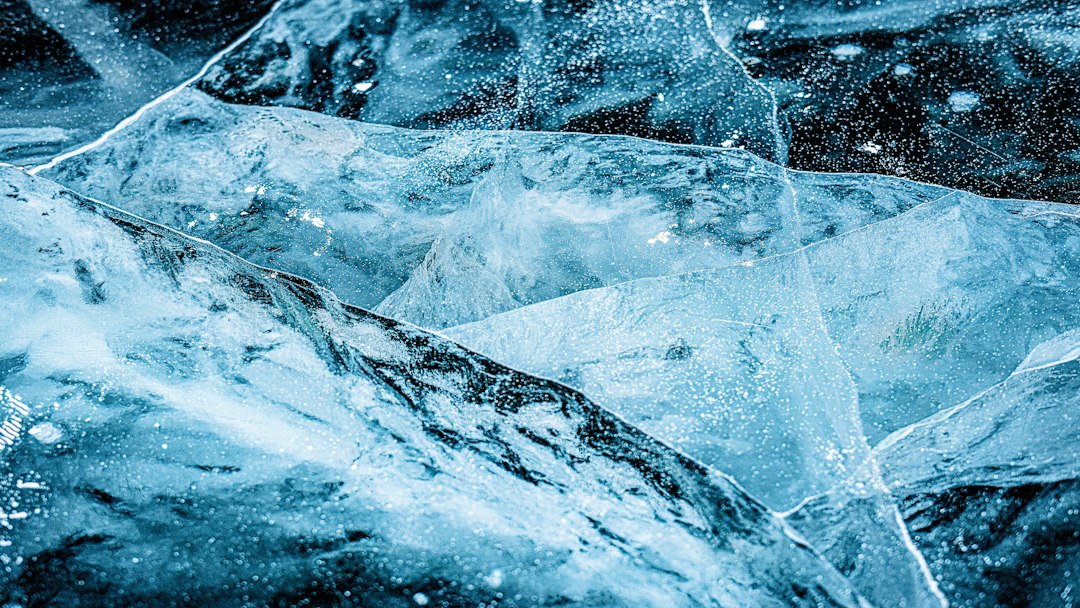
The intricate beauty of frozen water, often perceived as a simple solid, reveals a surprising complexity when examined closely. Beyond the monolithic block of ice that might form in a freezer, nature orchestrates the creation of layered ice structures, a phenomenon that speaks to the nuanced interplay of temperature, pressure, and water chemistry. These frozen architectures, found in glaciers, permafrost, and even fleeting frost formations, are not random occurrences but rather the product of precise physical processes. Understanding how these layers form allows us to decipher clues about past climates, geological events, and the delicate balance of Earth’s cryosphere. The seemingly static nature of ice belies a dynamic history, etched into its very fabric by the conditions under which it coalesced. This article delves into the fascinating world of layered ice structure formation, exploring the fundamental principles and the diverse manifestations of nature’s frozen patterns.
The Fundamentals of Ice Crystal Growth
At its core, the formation of any ice structure, layered or otherwise, begins with the phase transition of liquid water to solid ice. This transformation is governed by fundamental thermodynamic principles, primarily the reduction of temperature below the freezing point of water. However, the seemingly straightforward process of ice crystal growth is influenced by a multitude of factors that dictate the final structure, especially when considering the development of distinct layers.
Nucleation: The Genesis of Ice Crystals
The initial step in ice formation is nucleation, the process by which a stable ice crystal begins to form from the liquid phase. This is not an automatic event; water can often be supercooled below its freezing point (0°C or 32°F) without freezing, provided there are no nucleation sites. Nucleation can be either homogeneous or heterogeneous.
Homogeneous Nucleation
Homogeneous nucleation occurs when ice crystals form spontaneously in pure water, without the assistance of any foreign particles. This is a rare event in natural settings due to the presence of impurities. For homogeneous nucleation to occur, a sufficient number of water molecules must spontaneously arrange themselves into a crystalline lattice structure that is stable at that temperature. This requires overcoming an energy barrier to create the initial surface of the ice embryo. The probability of homogeneous nucleation increases significantly as the temperature drops well below the freezing point, typically to around -35°C (-31°F).
Heterogeneous Nucleation
In most natural environments, ice formation is initiated by heterogeneous nucleation. This process relies on the presence of nucleation-enhancing sites. These sites can be tiny particles suspended in the water, such as dust, mineral grains, or even organic matter. They can also be imperfections on surfaces, like the walls of a container or the interface between water and air. Heterogeneous nucleation is far more common than homogeneous nucleation because these sites reduce the energy barrier required for crystal formation. The surface of the nucleation site often has a molecular structure that is somewhat similar to that of ice, providing a template for water molecules to organize around. The specific properties of the nucleation site, including its chemical composition and surface energy, influence the temperature at which nucleation will occur. For example, certain mineral surfaces are known to be highly effective ice nucleators, promoting freezing at temperatures closer to 0°C.
Crystal Growth Mechanisms
Once a stable ice nucleus has formed, it begins to grow by the addition of more water molecules from the surrounding liquid. The rate and direction of this growth are determined by the thermodynamic conditions and the movement of water molecules to the crystal surface.
Molecular Addition and Lattice Formation
Water molecules, when they freeze, arrange themselves into a specific hexagonal crystalline lattice. This arrangement is a consequence of the hydrogen bonding between water molecules. The oxygen atom of one molecule forms a hydrogen bond with a hydrogen atom of a neighboring molecule. This bonding creates a highly ordered, tetrahedral structure. As new molecules attach to the growing crystal, they seek positions that minimize their potential energy, thereby extending the existing lattice.
The Influence of Temperature Gradients
The rate of ice crystal growth is strongly influenced by the temperature gradient in the surrounding water. If the temperature is uniformly below freezing, growth will occur relatively evenly on all exposed surfaces of the crystal. However, if there are localized temperature differences, growth will be accelerated in the colder regions. This can lead to the formation of more elongated or dendritic (branching) crystal shapes. In layered ice formation, subtle and persistent temperature gradients play a crucial role in defining the boundaries between layers.
The Role of Dissolved Substances
The presence of dissolved substances in water, such as salts and minerals, can significantly affect ice crystal formation and growth. These substances tend to be excluded from the ice lattice as it forms. This exclusion can lead to an increase in the concentration of dissolved substances in the unfrozen water immediately adjacent to the growing ice surface. This “brine rejection” can lower the freezing point of the remaining liquid. In some cases, these rejected substances can accumulate to form separate layers or pockets within the ice, contributing to its structural heterogeneity. Different types of dissolved substances will also have varying impacts. For instance, salts like sodium chloride are highly soluble and can significantly depress the freezing point, while less soluble minerals might be more readily incorporated into imperfections or trapped within the growing ice.
Layered ice structure formation is a fascinating topic that delves into the intricate processes involved in the development of ice layers in various environments, from polar regions to glacial formations. For a deeper understanding of this phenomenon, you can explore a related article that discusses the scientific principles behind ice layering and its implications for climate change. To learn more, visit this article.
Processes Driving Layered Ice Formation
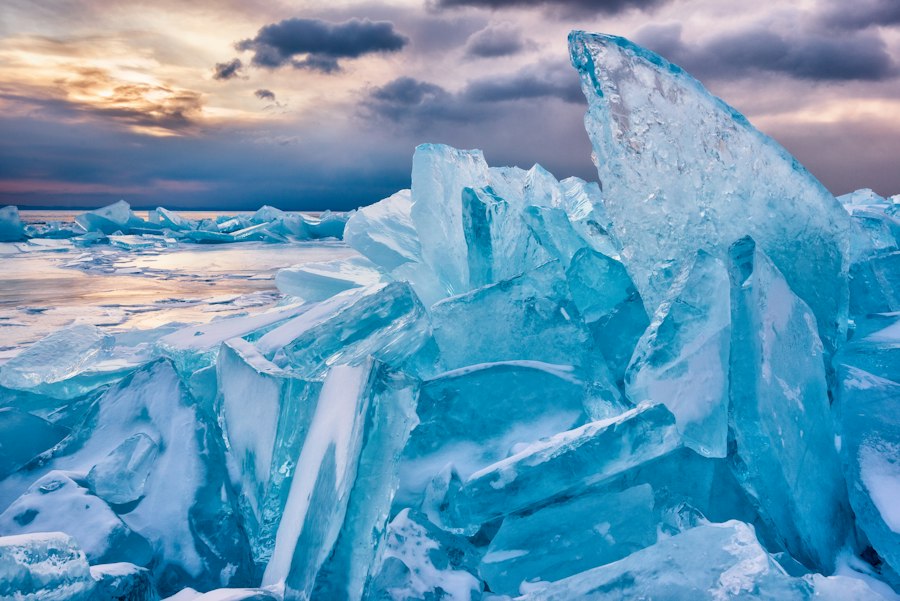
The formation of distinct layers within an ice structure is not simply a matter of uniform freezing. Instead, it arises from a series of dynamic processes that lead to variations in ice density, composition, and crystal structure over time. These variations are often driven by changes in environmental conditions, such as temperature fluctuations, pressure variations, and the availability of meltwater.
Thermal Stratification and Freezing
Temperature gradients within a body of water are a primary driver of layered ice formation. In environments where ice forms from the top down, such as in lakes and oceans, the surface water cools and freezes first. However, the freezing process itself can create temperature differences within the developing ice.
Surface Cooling and Ice Accretion
As the surface of a water body is exposed to sub-freezing temperatures, heat is lost to the atmosphere. This leads to the formation of a thin layer of ice. This initial ice layer continues to grow downwards as long as heat is removed from the underlying water. The rate of accretion is influenced by the ambient air temperature, wind speed (which affects heat transfer), and the presence of any insulating layers, such as snow cover.
Differential Freezing Rates
The rate at which ice freezes can vary depending on the local thermal conditions. If the surface temperature fluctuates or if there are periodic influxes of warmer water beneath the ice, the rate of downward freezing can change. These variations in freezing rate can lead to the formation of distinct layers. For example, periods of rapid freezing might result in denser, more crystalline ice, while slower freezing might produce ice with more trapped air bubbles or impurities.
Meltwater Infiltration and Refreezing
A crucial process in the formation of layered ice, particularly in glaciers and snowpacks, is the infiltration and subsequent refreezing of meltwater. During warmer periods, surface ice or snow can melt. This meltwater, often containing dissolved impurities from the surface, can percolate down through existing ice layers. When this meltwater encounters sub-zero temperatures deeper within the ice structure, it refreezes. This refreezing process creates new ice layers that can differ in composition and texture from the original ice. The density of the refrozen ice can also vary, depending on the rate of refreezing and the amount of dissolved material present.
Pressure and Compaction Effects
Pressure plays a significant role in the development of layered ice structures, especially in long-term ice formations like glaciers and ice sheets. The immense weight of overlying ice can cause compaction and deformation of the ice below, leading to changes in its density and structure, and thus contributing to layering.
Ice Deformation and Flow
Glaciers are not static bodies of ice; they are constantly deforming and flowing under their own weight. This deformation involves the movement of ice crystals relative to each other and the stretching and compression of the ice mass. These processes can create internal stresses that lead to the formation of planes of weakness and shear zones within the ice. These zones can become visible as distinct layers, often characterized by different orientations of ice crystals or by the presence of trapped debris.
Sublimation and Evaporation within Ice
While seemingly counterintuitive, processes like sublimation (the direct transition of ice to water vapor) and evaporation can also contribute to layering. In very cold, dry environments, ice can slowly lose mass through sublimation. This process can be uneven, leading to variations in surface topography and potentially contributing to the formation of distinct horizontal features over long periods. Similarly, if meltwater is trapped within an ice layer and then exposed to very low humidity, some of this trapped water can evaporate, leaving behind a more porous or textured layer.
Chemical and Physical Inclusions
The composition of the water from which ice forms, and the presence of foreign particles, are critical factors in determining the characteristics of ice layers. Variations in these factors lead to layers with differing physical properties and visual appearances.
Trapped Gases and Air Bubbles
As water freezes, dissolved gases, such as nitrogen and oxygen, are expelled from the ice lattice. These gases can become trapped within the forming ice as small bubbles. The number and size of these bubbles are influenced by the rate of freezing and the concentration of dissolved gases. Rapid freezing tends to trap more bubbles, creating a more opaque, less dense ice layer. Slower freezing allows more time for gases to escape, resulting in clearer, denser ice. Fluctuations in the freezing rate, therefore, can lead to distinct layers of bubbly and clear ice.
Sediment and Debris Deposition
In many natural settings, ice forms in environments where sediment and debris are present. In glaciers, this debris can include rock fragments, dust, and organic matter. During periods of rapid ice movement or snowfall, these materials can be incorporated into the ice. When meltwater percolates through the ice and refreezes, it can carry these suspended particles, depositing them into new layers. The accumulation of sediment can create dark bands within ice, providing a visual record of past environmental conditions, such as volcanic eruptions or periods of increased erosion.
Observing and Interpreting Layered Ice Structures
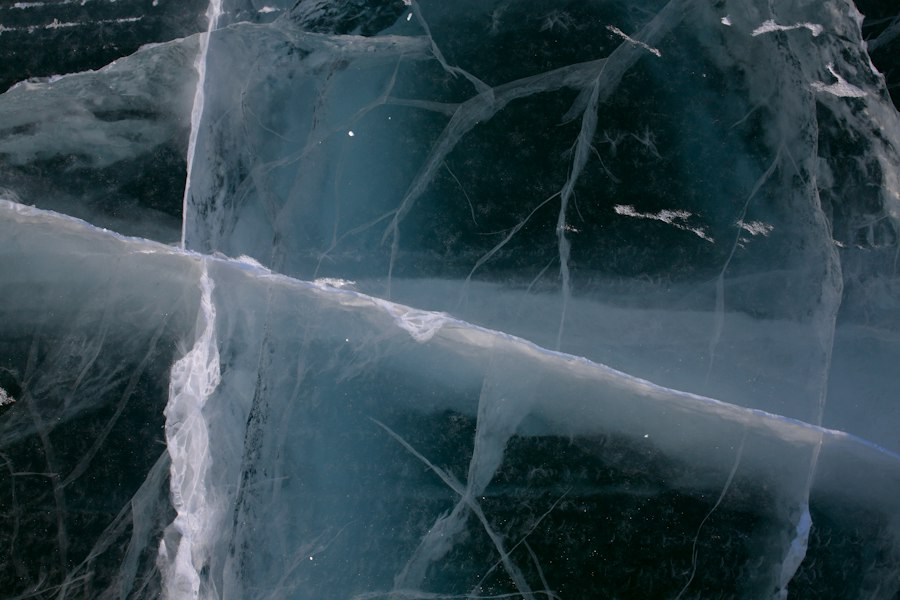
The study of layered ice structures provides invaluable insights into Earth’s history and its dynamic environmental processes. By carefully observing and analyzing these frozen archives, scientists can reconstruct past climates, understand glacial dynamics, and even glean information about atmospheric conditions.
Visual Characteristics of Ice Layers
The visual appearance of ice layers can vary dramatically, offering clues about their formation. The thickness, color, density, and texture of each layer are all important diagnostic features.
Variations in Opacity and Color
Layers can range from crystal-clear to milky white or even dark gray and black. Clear ice typically forms from slow freezing of pure water, with minimal trapped air or impurities. Milky or opaque ice, on the other hand, usually indicates the presence of numerous small air bubbles, which scatter light. Dark layers are often a result of trapped sediment, volcanic ash, or organic matter. The precise color can also indicate the type of impurity; for example, iron oxides might impart a reddish-brown hue.
Texture and Density Differences
The texture of ice layers can range from smooth and crystalline to granular and porous. This relates directly to the freezing process. Fast freezing often results in smaller, more numerous ice crystals and trapped air, leading to a granular texture. Slower freezing can allow for larger crystal growth and less air entrapment, resulting in a smoother, denser ice. Differences in density can also be visually apparent, with denser layers appearing more translucent.
Crystal Orientation and Fabric
In many cases, the orientation of the ice crystals within a layer can be observed. This “fabric” of the ice can reveal information about the stresses and deformations the ice has undergone. For instance, layers with aligned ice crystals, often oriented in a preferred direction, can indicate significant ice flow and deformation. The absence of preferred orientation suggests more recent, less deformed ice formation.
Scientific Techniques for Analysis
Beyond visual inspection, a range of scientific techniques are employed to precisely analyze the composition, structure, and age of ice layers, unlocking deeper scientific understanding.
Ice Core Drilling and Analysis
Ice core drilling is a cornerstone technique for studying ancient ice. Long cylinders of ice are extracted from glaciers and ice sheets, preserving a chronological record of past environmental conditions. Once retrieved, these cores are meticulously analyzed.
Stratigraphy and Layer Counting
The visible layers within an ice core are carefully counted and mapped. This stratigraphy allows for the establishment of a chronological sequence, with deeper layers representing older ice. Sophisticated methods, such as counting dust layers or analyzing trapped gases, are used to refine the age estimates of each layer.
Isotopic Analysis
Stable isotopes of oxygen (¹⁸O and ¹⁶O) and hydrogen (deuterium and protium) within the ice are analyzed. The ratio of these isotopes is strongly correlated with past temperatures. Warmer periods leave a signature of heavier isotopes, while colder periods are characterized by lighter isotopes. This allows for the reconstruction of past temperature variations over thousands or even hundreds of thousands of years.
Trapped Gas Analysis
Air bubbles trapped within the ice contain samples of the ancient atmosphere. Analyzing the composition of these gases, particularly carbon dioxide (CO₂) and methane (CH₄), provides direct evidence of past atmospheric concentrations. These records are crucial for understanding the Earth’s climate system and the drivers of climate change.
Chemical Impurity Analysis
The concentration of various chemical impurities, such as sulfates, nitrates, and sea salt, in ice layers can reveal information about past atmospheric pollution, volcanic activity, and oceanic conditions. For instance, a sudden spike in sulfate concentration can indicate a major volcanic eruption.
Geophysical Imaging Techniques
For studying larger ice bodies or ice that cannot be easily cored, geophysical methods provide valuable insights into subsurface structure.
Ground-Penetrating Radar (GPR)
GPR uses radio waves to image the subsurface. As these waves travel through the ice, they reflect off boundaries between layers of different dielectric properties. This allows scientists to map the internal layering of glaciers and ice sheets without direct drilling, revealing the presence of englacial layers, meltwater channels, and debris bands.
Seismic Reflection and Refraction
Seismic methods employ sound waves to probe the Earth’s interior, including the ice. By analyzing the travel times and amplitudes of reflected and refracted seismic waves, scientists can infer the structure and physical properties of the ice mass, including the presence and characteristics of internal layers.
Environmental Archives and Paleoclimate Reconstruction
Layered ice structures serve as invaluable natural archives, offering a unique window into Earth’s past climate and environmental conditions.
Reconstructing Past Temperatures
As mentioned, isotopic analysis of ice cores provides a direct proxy for past temperatures. The distinct layers, each representing a specific time interval, allow for a high-resolution reconstruction of climate fluctuations over vast timescales. This data is essential for understanding natural climate variability and for validating climate models.
Tracing Atmospheric Composition and Events
The trapped gases and chemical impurities within ice layers allow scientists to trace changes in atmospheric composition, such as the rise of greenhouse gases, and to identify major atmospheric events. Volcanic ash layers, for instance, act as time markers and can be linked to specific eruptions, providing insights into the frequency and magnitude of volcanic activity. Dust layers can reveal changes in aridity and wind patterns.
Understanding Glacial Dynamics and Ice Flow
The fabric and structure of ice layers, particularly in deep ice cores, can reveal how glaciers have moved and deformed over time. This information is crucial for understanding glacial mass balance, predicting future sea-level rise from ice sheet melt, and comprehending the mechanics of ice flow. Layers with evidence of shear and deformation indicate periods of more active ice movement, while undisturbed layers suggest more stable conditions.
Case Studies of Layered Ice Formations
The principles of layered ice formation are observable in a variety of natural settings, each with its unique characteristics and the stories it tells. Examining these diverse examples highlights the universality of the underlying physical processes and the specific environmental conditions that shape them.
Glacial Ice and Polar Ice Sheets
Perhaps the most iconic examples of layered ice structures are found in glaciers and polar ice sheets. These vast bodies of ice accumulate over millennia, with each year’s snowfall adding a new layer to the frozen record.
Annual Layers and the Firn Transition
In polar regions and high-altitude glaciers, annual layers can often be distinguished. These layers are formed by seasonal variations in snowfall accumulation and melt. During winter, more snow accumulates, creating a thicker layer. During summer, some melting and compaction can occur, leading to a denser, often clearer layer. The transition from fluffy snow to dense, granular ice is known as the firnification process. Within the firn, interstitial air spaces begin to close, and the material becomes more solid. As this firn is buried deeper, it undergoes further compression and recrystallization, eventually forming dense glacial ice. The distinct banding seen in many glaciers is a visual manifestation of these annual cycles, often enhanced by variations in dust content or trapped air bubbles.
Deformed Layers and Ice Flow Patterns
The immense pressure within glaciers causes the ice to deform and flow downhill. This movement leads to the distortion and folding of the original horizontal layers. Features like shear planes, thrust faults, and overturned folds are common within glacial ice, indicating past stresses and movement. These deformed layers provide critical information about the history of ice flow, including the direction and rate of movement, as well as periods of significant stress or instability within the ice mass. The presence of englacial debris, such as rock fragments and sediment, often marks these shear zones, making them visually prominent.
Subglacial Ice and its Formation
At the base of many glaciers, a layer of ice can form directly on the bedrock. This subglacial ice can have distinct characteristics, often incorporating melted bedrock material and forming through a process of freezing from meltwater. The composition and texture of subglacial ice can vary depending on the underlying geology and the thermal regime at the ice-bed interface. In some cases, this ice can be significantly different in its impurity content and crystal fabric compared to the overlying glacial ice, reflecting a separate formation history.
Permafrost and Frozen Ground
Permafrost, ground that remains frozen for at least two consecutive years, often exhibits layered ice structures, particularly in ice-rich environments. These layers are a direct result of the freezing and thawing cycles that occur over long periods.
Ice Wedges and Polygonal Ground
In many Arctic and sub-Arctic regions, permafrost develops intricate polygonal patterns on the ground surface, known as polygonal ground. These patterns are often formed by the growth of ice wedges. During winter, water in the ground freezes and contracts, creating vertical cracks. In spring, meltwater fills these cracks and freezes, forming ice wedges. Repeated cycles of freezing, cracking, and refreezing lead to the progressive growth of these wedges, creating a network of ice-filled structures within the permafrost. The cross-section of an ice wedge reveals distinct growth layers, analogous to tree rings, that record annual or even seasonal freezing events.
Stratified Ice in Ice-Rich Permafrost
Areas with high water content in the soil can develop permafrost with prominent stratified ice layers. These layers can form through a variety of processes, including the freezing of pore water in situ, the upward migration of water during freezing, or the formation of segregated ice lenses. The thickness and spacing of these layers are influenced by the local hydrology and the thermal regime. Such ice-rich permafrost is particularly vulnerable to thawing and can lead to significant ground subsidence and landscape changes. Analyzing the ice content and layering in permafrost is crucial for understanding its stability and predicting its response to climate change.
Seasonal Frost and Ice Formations
Even in less extreme environments, transient or seasonal ice formations can display layering, offering insights into short-term atmospheric conditions.
Frost Flowers and Ice Ribbons
“Frost flowers” are delicate ice formations that sometimes appear on the surface of thin ice on lakes and oceans in very cold, calm conditions. They are formed by the drawing up of liquid water from beneath the ice through tiny cracks and pores. As this water emerges onto the surface, it freezes rapidly, building up intricate, petal-like structures. While not strictly layered in the same way as glacial ice, these formations show growth lines that can be interpreted as stages of development. Similarly, “ice ribbons” can form when meltwater drips down the side of an icicle and freezes, building up thin, ribbon-like structures with visible growth banding.
Snowpack Stratigraphy
While not technically ice in its initial form, snowpacks are a precursor to glacial ice and often exhibit clear layering. Seasonal variations in temperature, precipitation type (snow vs. rain), and wind can create distinct layers within a snowpack. These layers can vary in density, crystal shape, and trapped impurities. Avalanche forecasters rely heavily on understanding snowpack stratigraphy to assess the risk of avalanches, as weaknesses between layers can lead to instability. The transition from snow to firn, and eventually to glacial ice, represents a continuous process of layer preservation and transformation.
The fascinating process of layered ice structure formation has been a topic of interest for researchers studying climate change and its effects on polar regions. For those looking to delve deeper into this subject, an insightful article can be found at Freaky Science, which explores the intricate dynamics of ice layers and their implications for understanding global warming. This resource provides a comprehensive overview of how these structures develop and their significance in the broader context of environmental science.
The Significance of Layered Ice in a Changing Climate
| Parameter | Value | Unit | Description |
|---|---|---|---|
| Temperature Range | -10 to -30 | °C | Temperature range for layered ice formation |
| Layer Thickness | 0.5 to 2 | mm | Thickness of individual ice layers |
| Formation Time | 30 to 120 | minutes | Time required for distinct layer formation |
| Humidity | 70 to 90 | % | Relative humidity during ice layering |
| Ice Crystal Size | 10 to 50 | micrometers | Average size of ice crystals in layers |
| Layer Density | 0.85 to 0.92 | g/cm³ | Density of the ice layers |
| Freezing Rate | 0.1 to 0.5 | mm/min | Rate at which ice layers form |
The study of layered ice structures is more critical than ever in the context of a rapidly changing global climate. These frozen archives provide indispensable data for understanding past climate variability, projecting future climate scenarios, and assessing the impacts of global warming on Earth’s cryosphere.
Ice as a Climate Archive
As detailed in the previous sections, ice cores offer an unparalleled record of past atmospheric composition, temperature, and environmental events. By analyzing these layers, scientists can reconstruct past climate trajectories with remarkable detail. This historical data is vital for understanding the natural cycles of climate change and for distinguishing them from anthropogenic influences. The CO₂ concentration record from ice cores, for instance, clearly shows a dramatic and unprecedented increase in recent decades, directly correlated with industrialization.
Understanding Cryospheric Response to Warming
Layered ice structures in glaciers and ice sheets are direct indicators of their response to warming temperatures. The thinning of glaciers, the increased rate of melting, and the formation of supraglacial lakes are all phenomena that leave their mark on the ice layers. The analysis of ice cores can reveal the rate at which ice is melting and the proportion of meltwater that refreezes within the ice. This information is crucial for projecting future sea-level rise, a major consequence of melting ice sheets. Furthermore, the increasing prevalence of meltwater infiltration and refreezing within glaciers can alter their internal structure and dynamics, potentially leading to faster ice flow.
The Vulnerability of Permafrost and its Implications
The layered ice structures within permafrost are particularly sensitive to rising global temperatures. As permafrost thaws, the ice within it melts, leading to ground subsidence, the release of previously frozen organic matter (which can then decompose and release greenhouse gases like methane and CO₂), and alterations to hydrological systems. The formation of thaw lakes and slumps, and the destabilization of infrastructure built on permafrost, are direct consequences of this thawing. Understanding the ice content and layering of permafrost is therefore essential for predicting the rate and scale of these impacts, and for developing effective adaptation strategies. The potential for a positive feedback loop, where thawing permafrost releases greenhouse gases that further accelerate warming, underscores the urgency of this research.
Future Research and Monitoring
The ongoing study of layered ice formations is essential for continued climate monitoring and research. Advanced techniques for analyzing ice cores, such as high-resolution isotopic analysis and the detection of trace gases, are constantly being developed. Remote sensing technologies are also playing an increasingly important role in monitoring the dynamics of glaciers and ice sheets, providing large-scale perspectives on changes in ice cover and surface features. The long-term preservation and accessibility of ice core archives are crucial for future generations of scientists to continue this vital work. The ongoing accumulation of new ice layers, while a testament to ongoing climate change, also represents a continuous stream of new data for understanding our planet’s evolving climate. The intricate patterns within these frozen structures hold the keys to unlocking a deeper understanding of our past, our present, and our potential future.

Water Boiled While Ice Formed. Could a Lander Sink Into It?
FAQs
What is a layered ice structure formation?
A layered ice structure formation refers to the process by which ice forms in distinct layers, often due to variations in temperature, pressure, or impurities in the water.
What factors can influence the formation of layered ice structures?
Factors such as changes in temperature, pressure, the presence of impurities, and the rate of freezing can all influence the formation of layered ice structures.
What are some common examples of layered ice structures in nature?
Common examples of layered ice structures in nature include ice cores from glaciers, ice shelves, and frozen lakes, where distinct layers can be observed and studied.
How do scientists study layered ice structures?
Scientists study layered ice structures by analyzing ice cores, conducting experiments in controlled environments, and using various imaging techniques to observe the formation process.
What are the potential applications of studying layered ice structures?
Studying layered ice structures can provide insights into past climates, help in understanding ice formation processes, and contribute to fields such as glaciology, climate science, and materials science.