The Allure of Icy Worlds: A New Frontier in Geology
The vast expanse of our solar system, beyond the familiar terrestrial planets and gas giants, harbors a captivating collection of worlds that challenge our very definition of a planet. These are the icy moons, celestial bodies that, despite their frigid temperatures, exhibit a remarkable diversity of geological processes and offer profound insights into the formation and evolution of planetary bodies, including our own Earth. Once thought to be inert balls of ice, recent exploration and scientific investigation have revealed these frozen moons to be dynamic, geologically active, and potentially habitable environments. From the vast, fractured plains of Europa to the cryovolcanic plumes of Enceladus, the study of icy moon surface geology is rapidly transforming our understanding of frozen worlds and the potential for life beyond Earth. This exploration is not merely an academic pursuit; it is a quest to unravel the mysteries of cosmic evolution and to discover whether the fundamental building blocks of life can arise and persist in environments vastly different from our own. The geological features etched upon their surfaces are not just scars of impact or frozen landscapes; they are the chronicle of internal heat, tidal forces, subsurface oceans, and the intricate interplay of ice and rock over eons. Understanding these processes allows us to reconstruct their histories, assess their current activity, and pinpoint areas of particular scientific interest for future missions. The allure of icy moons lies not only in their alien beauty but also in the profound scientific questions they pose, pushing the boundaries of planetary science and astrobiology.
Recent studies on the icy moon surfaces of celestial bodies like Europa and Enceladus have revealed fascinating geological features that suggest the presence of subsurface oceans and potential habitability. For a deeper dive into the intriguing geology of these icy moons, you can explore the article available at Freaky Science, which discusses the latest findings and theories regarding their surface compositions and geological processes.
Europa: A Subsurface Ocean Under a Fractured Ice Shell
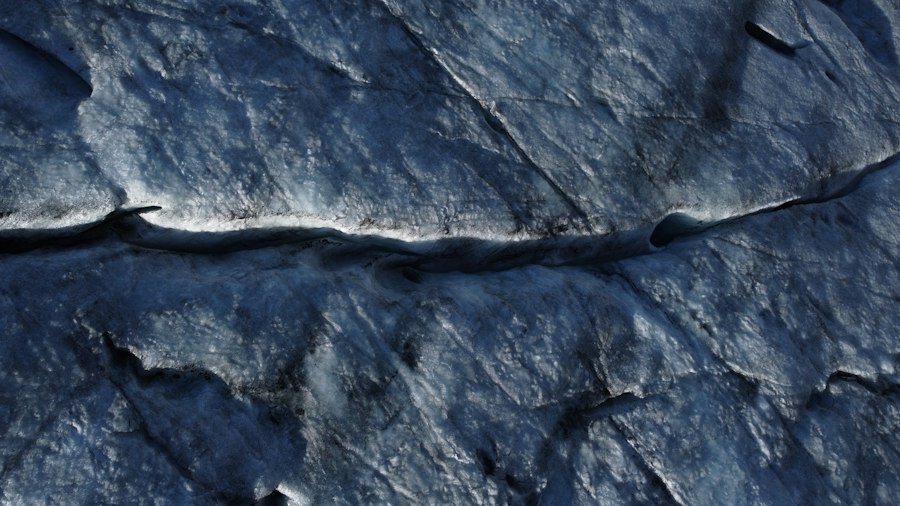
Jupiter’s moon Europa stands as one of the most compelling targets in the search for extraterrestrial life. Its surface, a vast expanse of relatively young, jumbled ice, tells a story of immense geological forces at play beneath a thick, icy shell. The presence of a vast, salty liquid water ocean beneath this shell is strongly supported by multiple lines of evidence, making Europa a prime candidate for harboring life. The geological features observed on its surface are direct manifestations of this subsurface ocean and the dynamic interactions between the ice shell and the underlying liquid.
The Cracked Canvas: Lineae and Lenticulae
The most striking features on Europa’s surface are the extensive networks of linear cracks and ridges, known as lineae. These formations, which can stretch for hundreds or even thousands of kilometers, are evidence of extensional forces within the ice shell. Scientists believe these cracks form as the ice shell stretches and pulls apart, possibly due to tidal forces exerted by Jupiter’s immense gravity. As the ice fractures, warmer ice from below can rise to fill the gaps, creating ridges and smoother plains. Some lineae are dark, stained by materials from the subsurface ocean, suggesting that the ocean is not entirely isolated from the surface. This process of “tectonic resurfacing” constantly reshapes Europa’s surface, erasing older impact craters and providing clues about the composition and circulation within the ice shell and the underlying ocean.
The darker coloration of some lineae is particularly intriguing. It suggests that materials from the subsurface ocean are being brought to the surface. This could be through processes like diapirism, where warmer, less dense ice rises from the ocean, or through cryovolcanism, where liquid water or slush erupts onto the surface. The chemical composition of these dark stains is a key area of research, as it could provide direct evidence of the ocean’s chemistry and potential habitability. Spectroscopic analysis of these features has hinted at the presence of salts and organic molecules, further fueling the excitement surrounding Europa’s potential for life.
Interspersed among the lineae are numerous smaller, irregular features called lenticulae, or “freckles.” These dome-shaped mounds and depressions are thought to represent upwellings of warmer ice from deeper within the shell, or perhaps localized melting and refreezing events. Some lenticulae appear to have collapsed into pits, suggesting a complex interplay of buoyancy forces and structural weaknesses within the ice. The formation of lenticulae further supports the idea that Europa’s ice shell is a dynamic and active layer, constantly being reworked by internal processes. The sheer variety and complexity of these surface features underscore the dynamic nature of Europa’s geology, hinting at processes that are still not fully understood.
Impacts and Their Aftermath
While Europa’s surface is relatively young due to ongoing geological activity, impact craters are still present, offering a glimpse into its history and the bombardment it has endured. However, unlike on the Moon or Mercury, these craters on Europa are often subdued or partially erased. The plasticity of the ice shell, combined with processes like tidal flexing and potential subsurface ocean convection, can cause craters to relax and spread over time. Some craters also show evidence of bright, chaotic terrain in their central regions, suggesting that the impacts may have penetrated to the subsurface ocean, causing localized melting and disruption of the overlying ice.
The presence and characteristics of impact craters are crucial for dating different regions of Europa’s surface and understanding the rate of geological resurfacing. Fewer craters generally indicate a younger surface, while more heavily degraded craters point to older terrains. The way these craters interact with existing lineae and other geological features also provides information about the sequence of events and the ongoing tectonic activity. For example, a lineae cutting through a crater indicates that the lineae formed after the impact. Conversely, a crater rim that appears to be uplifted or distorted might suggest that the impact occurred when the ice shell was more mobile or when the subsurface ocean was closer to the surface.
The study of these impact features, in conjunction with the lineae and lenticulae, allows scientists to build a more comprehensive picture of Europa’s geological evolution. It suggests a constant battle between the forces of external bombardment and internal geological activity, with the ice shell acting as a dynamic interface between the frigid surface and the potentially life-sustaining ocean below. The very preservation or degradation of these impact features provides a unique geological record of the ice shell’s properties and its interaction with the underlying ocean.
Enceladus: A Geyser-Spewing Gem of Saturn’s Realm
Saturn’s moon Enceladus, though much smaller than Europa, has captivated the scientific community with its spectacular cryovolcanic plumes, which erupt from its south polar region. These geysers are a direct indication of a subsurface liquid water ocean and are a primary focus for astrobiological investigations. The geology of Enceladus is intimately linked to the processes that drive these dramatic eruptions and the formation of its unique surface features.
The Tiger Stripes: Fractures of the South Pole
The most iconic geological features on Enceladus are the “tiger stripes” – a series of parallel, linear fractures in the south polar region. These stripes, approximately 100 kilometers long and a few kilometers wide, are characterized by their bluish tint and are the source of the moon’s dramatic plumes. Scientists believe these fractures are actively widening and releasing material from the subsurface ocean. The heat generated by tidal flexing, similar to that experienced by Europa, is thought to be responsible for keeping the ocean liquid and driving the cryovolcanic activity.
The mechanism behind the tiger stripes is still a subject of research, but leading theories involve tensional stresses within the ice shell. As Enceladus orbits Saturn, it experiences significant tidal forces that cause its interior to flex and heat up. This flexing can lead to cracks forming and widening at the south pole, where the stress appears to be most concentrated. The release of pressure as these fractures open allows water to vaporize and escape, carrying with it ice particles and potentially dissolved substances from the ocean. The unique spacing and orientation of these stripes suggest a complex interplay of stresses and ice rheology in this region.
The presence of these active fractures means that the south polar region of Enceladus is geologically young and constantly being renewed. This makes it an ideal location for missions to sample the plume material directly, offering a chance to analyze the composition of the subsurface ocean without the need to drill through kilometers of ice. The active nature of the tiger stripes is a testament to the dynamic geological processes occurring within this small, icy moon.
Cryovolcanic Plumes: Windows to a Subsurface Ocean
The geysers of Enceladus are its most defining geological feature, making it a prime target for astrobiological research. These plumes, observed by the Cassini spacecraft, are composed of water vapor, ice particles, salts, and organic molecules. They erupt from fissures within the tiger stripes and are thought to originate from a vast liquid water ocean lurking beneath the moon’s icy crust. The continuous replenishment of these plumes suggests that the subsurface ocean is actively interacting with the surface.
The composition of the plume material provides crucial insights into the conditions within the subsurface ocean. The presence of salts indicates that the ocean is likely briny, similar to Earth’s oceans. The detection of organic molecules, including simple hydrocarbons and more complex compounds, is particularly significant for astrobiology, as these are the building blocks of life. The energy sources required to sustain life in such an environment are also a key area of investigation, with hydrothermal vents on the ocean floor being a leading hypothesis.
Studying the dynamics of the plumes themselves offers further geological clues. The velocity and direction of the ejected material can provide information about the pressure within the subsurface reservoir and the width and depth of the fissures. The continuous replenishment of the plumes suggests a stable, long-term source of liquid water and likely ongoing geological activity that maintains the ocean’s state. The existence and composition of these plumes transform Enceladus from a mere icy satellite into a dynamic, potentially habitable world.
Surface Texture and Internal Heat
Beyond the dramatic plumes and tiger stripes, Enceladus’s surface reveals other geological characteristics that speak to its internal heat and activity. Large portions of the moon’s surface are covered in relatively smooth plains, suggesting periods of resurfacing or infilling with ice. Impact craters on Enceladus are also less numerous than one might expect for a body of its age, indicating that geological processes have been active in erasing them.
The distribution of heat across Enceladus’s surface has been a subject of intense study. Infrared measurements have revealed that the south polar region is significantly warmer than the rest of the moon, consistent with the idea that this is where the subsurface ocean is closest to the surface and where the most active geological processes are occurring. The fact that Enceladus is geologically active despite its small size and distance from the Sun is a testament to the efficiency of tidal heating. This internal heat is the driving force behind the moon’s unique cryovolcanic activity and the potential for habitability. Understanding the distribution and origin of this heat is fundamental to understanding Enceladus’s geological evolution and its potential to harbor life. The relative lack of heavily cratered terrain further reinforces the notion of a geologically active and continuously resurfacing body.
Titan: A Methane-Rich World with Earth-like Processes
Saturn’s largest moon, Titan, presents a unique and complex geological landscape, distinct from both Europa and Enceladus. While it also possesses a subsurface liquid water ocean, its surface is dominated by a thick, nitrogen-rich atmosphere, the presence of methane and ethane lakes and rivers, and evidence of cryovolcanism. Titan’s geology offers a fascinating opportunity to study planetary processes that are analogous to Earth’s, albeit operating with different chemical constituents and at much colder temperatures.
Hydrocarbon Seas and Rivers: A Methane Hydrological Cycle
One of Titan’s most remarkable geological features is its extensive network of liquid methane and ethane lakes and seas, concentrated primarily in its northern polar region. These bodies of liquid are a direct result of Titan’s unique methane-based hydrological cycle. Methane in the atmosphere condenses, falls as rain, carves channels, and accumulates in depressions, creating a landscape eerily reminiscent of Earth’s water-based systems. The Cassini-Huygens mission provided stunning images of these hydrocarbon seas and the dendritic river systems that feed them.
The “shorelines” of these lakes and seas are evidence of past and present liquid levels, indicating dynamic changes in the hydrological cycle. The presence of smooth, bedrock-like formations at the bases of some cliffs suggests erosion by liquid methane. The exploration of these liquid bodies, though challenging due to their extremely low temperatures (around -180 degrees Celsius), is crucial for understanding the complex chemical and geological processes at play on Titan. The very existence of stable surface liquids on a moon other than Earth is a profound discovery that challenges our assumptions about planetary environments.
The composition of these liquids, primarily methane and ethane, and their interaction with the solid surface, creates unique geological formations. Features like river deltas, drainage basins, and what appear to be “sea floor” deposits are all being investigated. The viscosity and density of these hydrocarbon liquids differ from water, influencing the erosional processes and the types of landforms that are created. Understanding these differences is key to interpreting Titan’s geological history and its ongoing evolution.
Cryovolcanism and Surface Composition
While hydrocarbon lakes dominate the northern hemisphere, Titan also exhibits evidence of cryovolcanism, though its manifestations differ from those on Enceladus. Instead of erupting water, Titan’s cryovolcanoes are believed to spew a slurry of water ice mixed with ammonia or methane. These eruptions can create volcanic edifices and resurface large areas of the moon. The composition of the erupted material is thought to be derived from the subsurface ocean, providing a potential link between the surface geology and the moon’s internal ocean.
The detection of cryovolcanic features, such as mountains that appear to be volcanic in origin, suggests that Titan has internal heat sources capable of driving such activity. The distribution and characteristics of these cryovolcanic regions are being studied to understand the processes of magma ascent and eruption in an icy environment. Unlike Earth’s silicate volcanoes, Titan’s cryovolcanoes are essentially “hot” outflows of icy material from a colder interior.
Titan’s surface is also characterized by vast plains, dunes, and impact craters. The dunes are particularly interesting, as they are composed of hydrocarbon grains rather than silicate sand. The prevailing winds, coupled with the availability of these solid hydrocarbon particles, create these extensive dune fields. The impact craters, like those on other icy moons, provide clues about the moon’s bombardment history, but many appear to be modified by subsequent geological processes, including erosion and cryovolcanism. The overall geological mosaic of Titan, with its interplay of liquid hydrocarbons, cryovolcanism, and diverse solid terrain, makes it a compelling subject for ongoing geological study.
Atmosphere-Surface Interaction: A Dynamic Interface
Titan’s thick, hazy atmosphere plays a crucial role in shaping its surface geology. The constant flux of methane from the atmosphere to the surface, and potentially back again, drives the hydrological cycle. Atmospheric processes, such as storms and wind patterns, influence erosion and deposition. The interaction between the atmosphere and the surface is a dynamic and ongoing process, constantly reshaping the moon’s landscape.
The haze itself, composed of complex organic molecules formed through photochemistry in the upper atmosphere, gradually settles onto the surface, contributing to its composition and texture. This “organic rain” is thought to be a significant factor in the formation of some surface features and the overall chemical makeup of Titan’s regolith. Understanding this atmospheric deposition is essential for deciphering the history and composition of Titan’s surface materials.
The interplay between atmospheric chemistry, climate, and surface geology on Titan provides a unique natural laboratory for studying planetary evolution. The very fact that a moon can possess a dense atmosphere and a methane-based hydrological cycle, along with potential cryovolcanic activity and a subsurface ocean, highlights the diverse range of geological processes that can occur in our solar system. Titan’s complex system serves as a potent reminder that the principles of geology, while rooted in terrestrial examples, can manifest in remarkably different and fascinating ways on other worlds.
Recent studies have shed light on the fascinating geology of icy moon surfaces, revealing complex processes that shape these distant worlds. For a deeper understanding of this topic, you can explore an insightful article that discusses the geological features and potential for subsurface oceans on moons like Europa and Enceladus. This research not only enhances our knowledge of these celestial bodies but also raises intriguing questions about the possibility of life beyond Earth. To read more about these captivating findings, visit this article.
Triton: Neptune’s Enigmatic Captured Moon and its Icy Tectonics
| Moon | Surface Composition | Surface Temperature (K) | Geological Features | Ice Thickness (km) | Notable Observations |
|---|---|---|---|---|---|
| Europa (Jupiter) | Water ice, salts, silicate rock | 50 – 110 | Cracks, ridges, chaos terrain, possible subsurface ocean | 10 – 30 | Evidence of subsurface ocean beneath ice shell |
| Enceladus (Saturn) | Water ice, organic compounds | 32 – 75 | Ice geysers, tiger stripes, fractures | 20 – 25 | Active plumes ejecting water vapor and ice particles |
| Ganymede (Jupiter) | Water ice, silicates | 70 – 150 | Grooved terrain, impact craters, tectonic features | 150 – 200 | Largest icy moon with intrinsic magnetic field |
| Titan (Saturn) | Water ice, hydrocarbons, organic haze | 94 – 95 | Dunes, lakes of methane/ethane, icy crust | Up to 100 | Thick atmosphere with methane cycle |
| Callisto (Jupiter) | Water ice, rock | 80 – 165 | Heavily cratered, ancient surface, few tectonic features | Up to 150 | Oldest and most heavily cratered surface in the solar system |
Neptune’s largest moon, Triton, is a celestial anomaly. Its retrograde orbit suggests it was captured by Neptune’s gravity, and its surface displays a peculiar mix of pristine icy terrains and evidence of significant geological activity. Triton offers a glimpse into the geological processes that can occur on captured bodies and the unique consequences of extreme orbital dynamics.
Geyser Activity and Surface Features
The Voyager 2 spacecraft revealed Triton to be a geologically active world, with numerous geysers erupting from its surface. These geysers, unlike those on Enceladus, appear to be driven by solar heating, with dark plumes of nitrogen gas and ice particles being ejected from the surface. This suggests that sunlight, even at Neptune’s distance, is sufficient to vaporize subsurface nitrogen and create these eruptions. The dark color of the plumes is thought to be due to organic material mixed with the nitrogen ice.
The distribution of these geysers is concentrated in the southern hemisphere, a region that also exhibits a high degree of geological activity. This includes vast plains of smooth ice, likely formed by resurfacing events, and evidence of cryovolcanism. The presence of these active geysers indicates that Triton’s interior is not entirely frozen and that there are processes at play that can bring subsurface material to the surface. This suggests a degree of internal heat, possibly residual from its capture event or ongoing tidal heating.
The surface of Triton is also characterized by a variety of terrains, including what appear to be frozen lakes, canyons, and ridged plains. The “cantaloupe terrain,” a distinctive pattern of overlapping depressions and ridges, is particularly intriguing and suggests widespread tectonic activity and possibly melting and refreezing of subsurface ice. The interplay of capture dynamics, internal heat, and solar insolation creates a unique geological environment on Triton.
Captured Worlds and Their Geological Scars
Triton’s captured origin is a crucial factor in understanding its geology. The immense gravitational forces involved in its capture likely caused significant internal heating and deformation. This could have led to widespread melting and subsequent refreezing, shaping much of the moon’s current surface. The retrograde orbit also subjects Triton to intense tidal forces from Neptune, which may contribute to ongoing internal heating and geological activity.
The collision and interaction of material during capture could have also created unique geological formations and altered the composition of Triton’s surface and interior. The presence of a substantial atmosphere, primarily nitrogen, is another consequence of its composition and possible outgassing from its interior. The study of Triton provides valuable insights into the geological processes that can occur on bodies that have experienced dramatic gravitational capture events, which may be common throughout the universe.
The young, resurfaced nature of much of Triton’s surface suggests that it has undergone significant geological transformation since its capture. The complex interplay of these initial capture-related stresses and ongoing tidal heating has resulted in a geologically dynamic and geomorphologically diverse world. The exploration of Triton continues to challenge our understanding of how captured moons evolve and the remarkable geological phenomena they can exhibit.
The Future of Icy Moon Exploration: Unveiling Frozen Secrets
The ongoing exploration of icy moons is revolutionizing our understanding of planetary geology and the potential for life beyond Earth. Missions like NASA’s Europa Clipper and ESA’s JUICE (Jupiter Icy Moons Explorer) are poised to delve deeper into the secrets of these frozen worlds, utilizing advanced instruments to map their surfaces, analyze their compositions, and probe their subsurface oceans. The continued investigation of these icy satellites is not just about cataloging alien landscapes; it is about unraveling the fundamental processes that shape planets, the conditions under which life can arise, and our place in the vast cosmic tapestry.
Technological Advancements and Future Missions
Future missions to icy moons will benefit from significant technological advancements. More sophisticated radar systems will be able to penetrate deeper into ice shells, providing better resolution of subsurface structures and potentially revealing the extent and nature of liquid water reservoirs. Advanced spectrometers will enable more detailed analysis of surface composition, identifying key minerals, salts, and organic molecules. Robotics and autonomous systems will play an increasingly important role, allowing for more complex and in-depth surface exploration, including the deployment of landers and even submersible probes to explore subsurface oceans.
The focus will increasingly be on direct sampling of plume material and, for the most promising targets, the development of technologies capable of reaching and exploring subsurface oceans. This could involve advanced drilling techniques or the development of autonomous underwater vehicles capable of navigating these alien liquid environments. The quest to understand the geology of icy moons is intrinsically linked to the search for life, and future missions are designed with this ultimate goal in mind.
Astrobiological Implications and the Search for Life
The geological evidence from icy moons like Europa and Enceladus strongly suggests the presence of liquid water oceans, a key ingredient for life as we know it. Furthermore, the detection of organic molecules and potential energy sources hints at environments that could be conducive to habitability. The geological processes we observe – cryovolcanism, hydrothermal activity, and the cycling of elements – are all processes that could support microbial life.
The exploration of these frozen worlds is thus a central pillar of the astrobiological endeavor. By studying the geology of icy moons, we gain invaluable insights into the conditions that might foster life elsewhere in the universe. The diversity of geological processes observed on these moons highlights that life may not be restricted to Earth-like conditions and could potentially thrive in a far wider range of environments than previously imagined. The ongoing study of icy moon surface geology is therefore not just about understanding frozen worlds; it is a profound step in humanity’s quest to answer the age-old question: are we alone? The secrets etched upon the icy surfaces of these distant moons hold the potential to transform our understanding of life and the cosmos.

Water Boiled While Ice Formed. Could a Lander Sink Into It?
FAQs
What causes the unique surface geology of icy moons?
The surface geology of icy moons is primarily shaped by a combination of tidal forces from their parent planet, internal heating from radioactive decay, and impacts from meteorites and other celestial bodies.
How do scientists study the surface geology of icy moons?
Scientists study the surface geology of icy moons using data from spacecraft flybys, orbiters, and landers equipped with cameras, spectrometers, and other instruments to analyze the composition and topography of the surface.
What are some common features found on the surface of icy moons?
Common features found on the surface of icy moons include impact craters, cryovolcanoes, tectonic fractures, and smooth plains covered in ice and frost.
How does the presence of subsurface oceans affect the surface geology of icy moons?
The presence of subsurface oceans on icy moons can lead to processes such as cryovolcanism, where water and other volatiles erupt onto the surface, creating unique geological features and altering the landscape over time.
What implications does the study of icy moon surface geology have for astrobiology?
The study of icy moon surface geology is important for astrobiology as these moons may harbor environments that could potentially support life, such as subsurface oceans that could provide habitats for microbial organisms. Understanding the geology of these moons helps scientists assess their potential habitability.