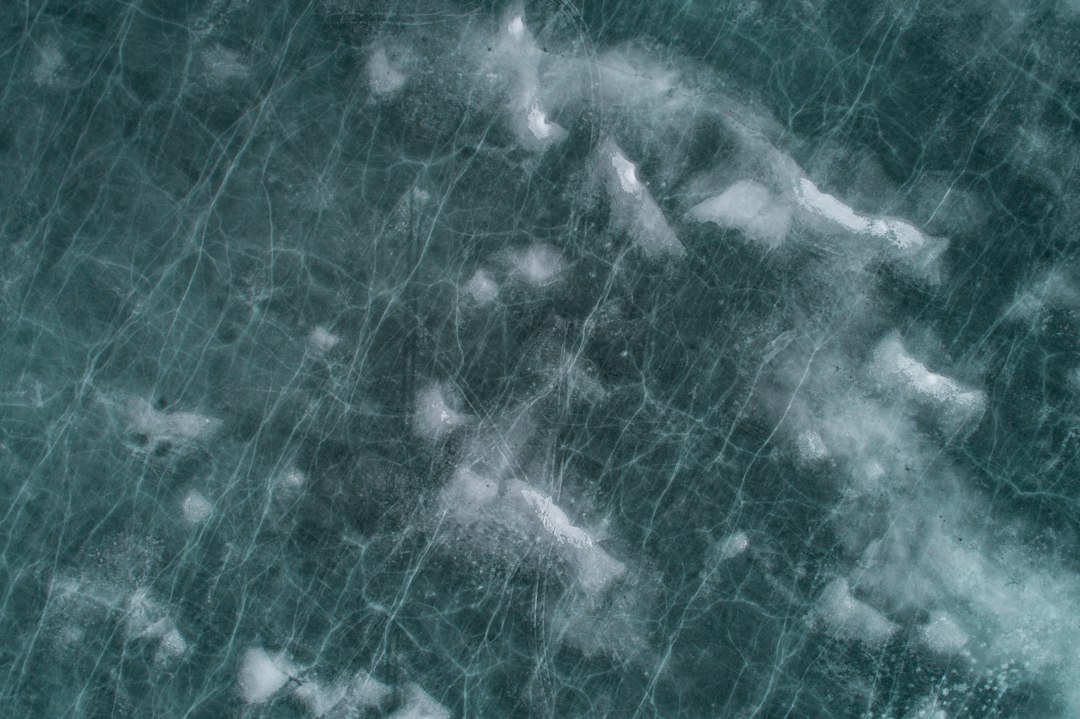
The allure of icy worlds, from the frozen oceans of Europa to the subsurface lakes of Enceladus, has long captivated the imaginations of planetary scientists. As humanity ventures further into the cosmos, the prospect of landing on these frigid, often unstable surfaces becomes an increasingly pertinent challenge. Porous ice terrain, characterized by its low density, variable strength, and potential for subsurface voids, presents a unique set of engineering hurdles and scientific opportunities for future extraterrestrial exploration. This article delves into the multifaceted complexities of landing on such environments and explores the invaluable insights gained from our understanding of terrestrial analogues.
Navigating the Treachery: Understanding Porous Ice Mechanics
The fundamental challenge of landing on porous ice lies in its inherent lack of structural integrity compared to solid rock or compacted regolith. Porous ice is essentially a matrix of ice crystals with air pockets or voids interspersed within. The size, distribution, and interconnectivity of these voids significantly influence the material’s mechanical properties, making a generalized approach to landing infeasible.
The Spectrum of Porosity: From Firn to Hoarfrost
Porous ice is not a monolithic entity. It exists across a spectrum of forms, each with distinct characteristics. Firn, for example, is a granular snow that has been compressed and partially refrozen, leading to a dense yet still porous structure. This is common in polar regions and can exhibit considerable strength. In contrast, delicate hoarfrost or feathery ice formations are extremely fragile and would offer minimal support to a landing craft. Understanding the specific type of porous ice encountered is paramount. This often requires remote sensing capabilities during descent to characterize the surface properties. Spectroscopic analysis can reveal the composition, while radar or lidar can provide information about surface roughness and potential subsurface density variations.
Strength, Density, and the Quest for Predictability
The mechanical strength of porous ice is directly related to its density. Higher density generally implies smaller, more interconnected voids, leading to increased load-bearing capacity. However, even seemingly dense porous ice can be deceiving. Temperature plays a critical role; ice at its melting point is considerably weaker than ice at much lower temperatures. Furthermore, the presence of impurities, such as salts or dust, can significantly alter the ice’s crystalline structure and thus its strength. Predicting how a landing craft will interact with this dynamic material is a major obstacle. Subsurface ice, especially in the case of potential liquid water reservoirs, may also contain varying concentrations of dissolved substances that further complicate its mechanical behavior.
Subsurface Voids: The Hidden Danger
Perhaps the most insidious threat posed by porous ice terrain is the presence of hidden subsurface voids. These can range from small, bubble-like cavities to extensive lava tube-like structures filled with ice. Landing on a surface that appears solid could result in a catastrophic collapse if the underlying support is insufficient. Detecting these voids before touchdown is a critical objective. Ground-penetrating radar (GPR) and advanced seismic imaging techniques are vital tools for subsurface characterization. However, the penetration depth and resolution of these instruments can be limited by the ice itself and the presence of other subsurface features.
Navigating porous ice terrain presents unique challenges and requires specialized techniques to ensure safety and efficiency. For those interested in understanding the complexities of traversing such environments, a related article can be found at Freaky Science, which delves into the science behind ice formation and the best practices for maneuvering on unstable surfaces. This resource provides valuable insights that can aid adventurers and researchers alike in their endeavors on icy landscapes.
Designing for the Unstable: Landing Systems and Strategies
The unique challenges of porous ice necessitate innovative approaches to landing system design and mission planning. Conventional landing legs designed for hard, predictable surfaces may buckle or sink. Therefore, specialized landing gear and descent strategies are required.
Adaptive Landing Gear: The Responsive Footprint
The development of adaptive landing gear is a primary focus for missions targeting porous ice. Instead of rigid legs, concepts include multi-articulated legs that can adjust their angle and length to conform to uneven terrain. These might also incorporate wider, more distributed feet to spread the load over a larger area, minimizing pressure and preventing subsidence. Some designs consider the use of inflatable airbags or deployable skirts that can cushion the initial impact and provide a stable base on a potentially soft surface. The ability to sense and react to variations in surface strength in real-time during the final moments of descent is crucial. This would involve sensors on the landing gear itself, providing feedback to control systems that can adjust the descent rate or even initiate a controlled hop if an unstable patch is detected.
Parachute and Propellant Balancing: A Delicate Descent
The final stages of descent on an icy world require a delicate balance between parachute deceleration and thruster braking. Porous ice often has a lower atmospheric density or weaker gravitational pull than terrestrial bodies, making parachute deployment more complex. Furthermore, the need for precise positioning over potentially hazardous terrain means that thrusters will play a significant role. The challenge lies in coordinating these systems to achieve a safe touchdown without kicking up excessive amounts of ice dust, which could damage sensitive equipment or obscure visibility. The amount of propellant required for a controlled landing on a low-density, porous surface can be substantially higher than on a more robust terrain, impacting mission mass and complexity.
Site Selection and Hazard Avoidance: The Pre-Landing Reconnaissance
The most effective strategy for dealing with porous ice terrain is often to avoid the most hazardous areas altogether. This emphasizes the importance of meticulous pre-landing reconnaissance. High-resolution imagery from orbit, coupled with data from previous flybys or orbital missions, is used to map potential landing sites and identify areas of particular concern. During the descent, onboard hazard detection and avoidance systems, utilizing lidar and optical cameras, can identify immediate threats like deep crevasses or exceptionally soft patches. Autonomous decision-making capabilities are essential for these systems to react quickly and adjust the landing trajectory if a significant hazard is detected.
Scientific Payloads and Operational Considerations
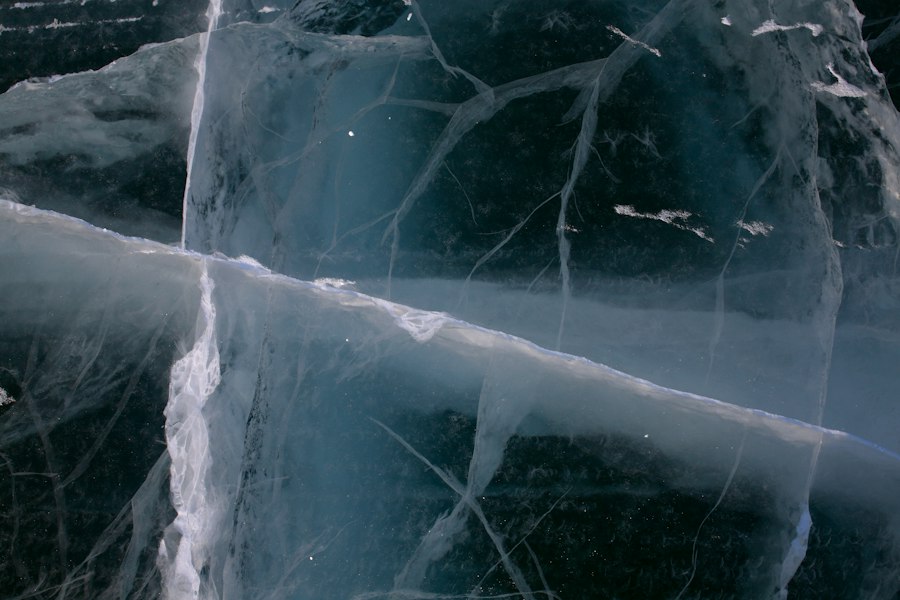
Beyond the mechanics of landing, the scientific objectives of exploring porous ice environments dictate the design of the payloads and the operational strategies employed. These missions aim to unlock secrets about the formation of icy bodies, the potential for habitability, and the history of our solar system.
Drilling and Sampling: Reaching the Icy Depths
Accessing pristine subsurface ice is often the primary scientific goal. This requires specialized drilling and sampling equipment capable of penetrating potentially meters of ice. The challenges are manifold: the drill bit must be designed to cope with varying ice densities and potential obstructions. Maintaining the integrity of the ice sample during extraction is also critical to avoid contamination and preserve its scientific value. Cryogenic temperatures must be maintained throughout the sampling process to prevent melting or sublimation. The potential presence of liquid water at depth, even if transient, adds another layer of complexity, requiring the containment and analysis of aqueous samples.
In-Situ Analysis and Contamination Control: Preserving the Evidence
Once samples are acquired, in-situ analysis capabilities are crucial. This might include mass spectrometers to determine the isotopic composition of the ice and trapped gases, microscopes to examine the ice crystal structure, and instruments to search for organic molecules. Strict protocols for contamination control are paramount. Given the extreme pristine nature of many icy environments, even minute terrestrial contaminants could skew scientific results. This includes sterilizing all equipment before launch and implementing aseptic techniques during sample acquisition and analysis. The very act of drilling or melting ice can introduce heat, altering the sample’s composition, so careful thermal management is essential.
Power and Thermal Management: Surviving the Cold
Operating scientific instruments in extreme cold presents significant challenges. Power generation, whether from solar arrays or radioisotope thermoelectric generators (RTGs), must be robust and reliable. Thermal management is equally critical. Instruments need to be kept within their operational temperature ranges, which may require heating systems. However, these heating systems must be carefully designed to avoid melting the surrounding ice or creating undesirable thermal gradients that could compromise the integrity of the porous ice itself. Conversely, some instruments might require cooling to operate effectively.
Terrestrial Analogues: Learning from Earth’s Frozen Frontiers
Our understanding of porous ice terrain on other worlds is heavily informed by observations and research conducted on Earth’s own frigid environments. Polar ice caps, glaciers, and permafrost regions provide invaluable terrestrial analogues.
Arctic and Antarctic Expeditions: Field Research in Extreme Conditions
Extensive field research in the Arctic and Antarctic has provided crucial insights into the behavior of porous ice. Scientists have studied the mechanical properties of firn layers, the formation and stability of ice wedges, and the dynamics of glacier flow. These studies involve deploying sensors to measure ice strength, density, and temperature at various depths. Researchers have also developed and tested drilling techniques and subsurface imaging technologies that are directly applicable to planetary exploration. The logistical challenges of conducting research in these remote and harsh environments mirror some of the difficulties faced in interplanetary missions, offering valuable lessons in operational planning and equipment reliability.
Permafrost and Subsurface Ice: Clues to Ancient Climates
Permafrost regions, characterized by permanently frozen ground, often contain significant amounts of ice in various forms. The study of permafrost ice, particularly ice cores, provides invaluable archives of past climates and atmospheric conditions. These ice cores can reveal trapped gases, dust particles, and microbial life, offering a window into Earth’s history. The presence of interstitial ice and ice lenses within permafrost also presents analogues to potential subsurface ice formations on other planets, helping us understand how such deposits might form, evolve, and affect surface stability. Research into ice wedge polygons, common in permafrost, can inform our understanding of patterned ground on icy worlds.
Subglacial Lakes: Echoes of Europa and Enceladus
The discovery and exploration of subglacial lakes, such as Lake Vostok in Antarctica, have direct implications for the search for life beyond Earth, particularly on moons like Europa and Enceladus. These lakes, isolated for millennia beneath thick ice sheets, represent unique ecosystems that have evolved in extreme cold and darkness. Studying the physical and chemical conditions within these lakes, and the potential microbial life they harbor, provides a model for understanding the potential habitability of subsurface oceans on icy moons. The challenges of accessing and sampling these subglacial environments also offer lessons for future missions to these extraterrestrial targets.
Navigating on porous ice terrain presents unique challenges and requires specialized techniques to ensure safety and efficiency. For those interested in understanding the intricacies of this subject, a related article offers valuable insights into the properties of such ice formations and the best practices for traversing them. You can explore more about this fascinating topic by visiting this article, which delves into the science behind ice stability and the equipment needed for effective navigation.
Future Missions and the Promise of Discovery
| Metric | Value | Unit | Description |
|---|---|---|---|
| Surface Porosity | 30 | % | Percentage of void space in the ice terrain |
| Landing Impact Force | 4500 | Newtons | Force exerted on landing gear upon touchdown |
| Surface Temperature | -15 | °C | Temperature of the porous ice surface at landing |
| Coefficient of Friction | 0.12 | Unitless | Friction between landing gear and porous ice |
| Penetration Depth | 0.05 | meters | Depth the landing gear sinks into the porous ice |
| Surface Hardness | 2.5 | Mohs scale | Hardness rating of the porous ice surface |
| Landing Stability Index | 0.85 | Unitless | Measure of stability during landing on porous ice |
The continued exploration of porous ice terrain holds immense scientific promise, offering the potential to answer fundamental questions about planetary formation, the origin of life, and the distribution of resources in our solar system and beyond.
Unlocking the Secrets of Water Ice Worlds
The widespread presence of water ice across the solar system, particularly in the outer planets and their moons, makes porous ice terrain a ubiquitous target for exploration. Missions to icy satellites like Europa, Enceladus, and Titan will undoubtedly encounter and need to navigate such environments. Understanding the formation and evolution of these ice shells is crucial for deciphering the geological history of these worlds and assessing their potential for harboring life. The ability to land on and investigate these icy surfaces will be key to unlocking their secrets.
The Search for Extraterrestrial Life
The most profound scientific driver for exploring porous ice terrain is the search for extraterrestrial life. Many scientists hypothesize that subsurface oceans, shielded from harsh surface radiation, could provide a suitable environment for life to emerge and persist. Porous ice layers above these oceans act as a protective blanket, but also present a significant barrier to direct exploration. Developing the technology to land, drill through, and sample these icy shells will be a critical step in our quest to determine if we are alone in the universe. The possibility of finding extant or fossilized life within ancient ice deposits is a tantalizing prospect.
Resource Utilization and Human Habitation
Looking further into the future, understanding and utilizing porous ice terrain may be essential for enabling human exploration and habitation of icy worlds. Water ice is a critical resource for life support, agriculture, and the production of rocket propellant. Being able to safely land on and extract resources from icy surfaces will be a cornerstone of establishing long-term human presence beyond Earth. The development of robust landing systems and exploration techniques tailored for porous ice will therefore pave the way for future extraterrestrial settlements. The challenges are immense, but the potential rewards of unlocking the secrets held within these frozen frontiers are equally vast.

Water Boiled While Ice Formed. Could a Lander Sink Into It?
FAQs
What is porous ice terrain?
Porous ice terrain refers to ice surfaces that have small holes, cracks, or gaps that allow water to seep through. This type of ice can be less stable and more challenging to navigate compared to solid ice.
What are the risks of landing on porous ice terrain?
Landing on porous ice terrain can increase the risk of falling through the ice, especially if the surface is not thick enough to support the weight of the aircraft or individual. It can also make it difficult to maintain control and stability during landing.
How can pilots prepare for landing on porous ice terrain?
Pilots can prepare for landing on porous ice terrain by conducting thorough pre-flight planning, assessing the ice conditions, and being aware of any potential hazards such as weak spots or areas of thin ice. They should also be prepared to adjust their landing technique based on the condition of the ice.
What are some tips for landing safely on porous ice terrain?
Some tips for landing safely on porous ice terrain include maintaining a slow and controlled approach, distributing the weight of the aircraft evenly, avoiding sudden movements, and being prepared to execute a go-around if necessary. It is also important to have a backup plan in case the ice is too unstable for landing.
Are there any special considerations for takeoff from porous ice terrain?
When taking off from porous ice terrain, pilots should be mindful of the potential for reduced traction and the need for a longer takeoff roll. It is important to gradually increase power and lift off smoothly to avoid losing control or skidding on the ice surface.