The year 2026 marks a pivotal moment in the scientific community’s understanding and manipulation of fluid dynamics, a field that underpins countless natural phenomena and technological advancements. At the forefront of this exploration is the ambitious “Water Vacuum Experiment 2026,” a multifaceted research initiative designed to push the boundaries of what is currently understood about water’s behavior under extreme pressure differentials. This endeavor is not merely an academic exercise; its implications are far-reaching, promising to revolutionize industries from aerospace and marine engineering to sustainable energy and advanced manufacturing. The sheer audacity of creating and sustaining a near-perfect vacuum within a controlled liquid environment, specifically water, presents a formidable scientific challenge. However, the potential rewards – a deeper comprehension of cavitation, bubble dynamics, and the fundamental properties of water itself – are immense. Researchers involved in the project are employing cutting-edge technologies, innovative theoretical frameworks, and interdisciplinary collaboration to navigate the complexities of this ambitious undertaking. The experiment is designed to move beyond theoretical models and into the realm of empirical validation, providing concrete data that will inform future research and development for decades to come.
Unveiling the Mechanisms of Vacuum-Induced Cavitation
The core of the Water Vacuum Experiment 2026 lies in its meticulous investigation of vacuum-induced cavitation. Cavitation, a phenomenon characterized by the formation of vapor-filled bubbles within a liquid when the pressure drops below the vapor pressure, is often viewed as a destructive force. However, the controlled generation and study of these bubbles in a vacuum environment offer an unprecedented opportunity to understand their formation, growth, and collapse dynamics. The experimental setup is engineered to create localized regions of extremely low pressure, effectively mimicking conditions that would occur in high-speed fluid flows or near rapidly moving objects. By precisely controlling the pressure gradient and observing the subsequent bubble generation, scientists aim to elucidate the precise mechanisms that trigger cavitation, identifying key parameters such as surface tension, nucleation sites, and the inherent compressibility of the liquid.
The Engineering of Extreme Pressure Differentials
Achieving a near-perfect vacuum within a liquid medium is a feat of engineering. The experiment utilizes a sophisticated closed-loop system where water is circulated through a specialized chamber designed to withstand immense external pressure while simultaneously creating a near-zero internal pressure. This chamber is constructed from advanced composite materials capable of resisting the colossal forces involved, ensuring the integrity of the experimental environment. Precision pumps and vacuum generators are employed to meticulously control the pressure differential, allowing researchers to incrementally reduce the pressure and observe the response of the water. Sensors of unparalleled sensitivity are embedded within the chamber to measure pressure, temperature, and bubble formation in real-time. The meticulous calibration and validation of these instruments are paramount, as even minute inaccuracies could significantly skew the experimental results. The design of the chamber also incorporates optical access ports, allowing high-speed cameras and advanced imaging techniques to capture the ephemeral nature of bubble formation and collapse with astonishing clarity.
Visualizing the Unseen: High-Speed Imaging and Spectroscopy
The transient nature of cavitation bubbles necessitates the use of advanced imaging techniques. The Water Vacuum Experiment 2026 leverages ultra-high-speed cameras capable of capturing thousands, even millions, of frames per second. These cameras allow researchers to witness the birth, growth, and violent implosion of individual cavitation bubbles, a process that occurs in microseconds. Beyond simple visualization, advanced optical spectroscopy is employed to analyze the composition of the vapor within the bubbles. This analysis can reveal the presence of dissolved gases and other impurities that may influence bubble formation and stability. Furthermore, techniques such as laser-induced fluorescence are used to study the energy transfer mechanisms occurring during bubble collapse, a process that can generate localized high temperatures and shockwaves. The integration of these imaging and spectroscopic tools provides a comprehensive, multi-dimensional view of cavitation phenomena, moving beyond qualitative observation to quantitative analysis.
In the fascinating realm of scientific exploration, the upcoming water vacuum experiment in 2026 promises to unveil new insights into fluid dynamics and pressure variations. For those interested in delving deeper into related topics, an informative article can be found at Freaky Science, which discusses various intriguing experiments and their implications in understanding the behavior of water under different conditions. This resource provides a solid foundation for anyone eager to learn more about the principles that will be tested in the upcoming experiment.
Exploring the Mysteries of Bubble Dynamics
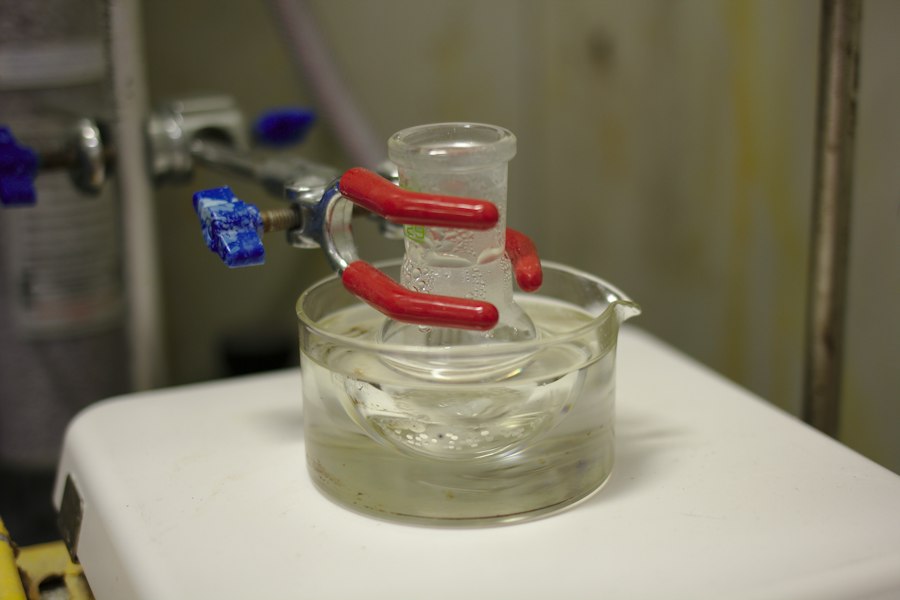
Beyond the mere formation of bubbles, the Water Vacuum Experiment 2026 delves into the intricate dynamics of these ephemeral entities. The controlled vacuum environment allows for an unprecedented examination of how factors such as bubble size, shape, proximity to surfaces, and interactions with other bubbles influence their behavior. This understanding is crucial for predicting and mitigating the detrimental effects of cavitation in various applications, as well as for harnessing its potential for beneficial purposes. The experiment is designed to systematically vary these parameters, generating a rich dataset that will inform and refine existing theoretical models.
Nucleation Sites and Their Influence on Bubble Formation
The genesis of a cavitation bubble is not a random event; it typically originates at a “nucleation site.” These sites can be microscopic imperfections on surfaces, dissolved gas pockets, or even energetic fluctuations within the liquid. The Water Vacuum Experiment 2026 places significant emphasis on identifying and characterizing these nucleation sites within the experimental chamber. By carefully preparing the chamber surfaces and controlling the purity of the water, researchers aim to understand the role of different types of nucleation sites in initiating cavitation. They are investigating how surface roughness, chemical composition, and the presence of impurities affect the threshold pressure at which cavitation occurs and the subsequent growth rate of the bubbles. This detailed understanding of nucleation is essential for developing strategies to either suppress or encourage cavitation, depending on the desired outcome.
The Violent Spectacle of Bubble Collapse
The collapse of a cavitation bubble is a phenomenon of immense energy release. As the surrounding liquid rushes in to fill the void, the bubble implodes, generating localized shockwaves and intense heat. The Water Vacuum Experiment 2026 is designed to capture and analyze the intricate details of this collapse. Researchers are studying the impact of bubble size, shape, and surrounding fluid properties on the intensity and nature of the emitted shockwaves. They are also investigating the potential for sonoluminescence, the emission of light during bubble collapse, which can provide further insights into the extreme conditions generated. By understanding the physics of bubble collapse, scientists can develop more effective methods for cavitation erosion control in machinery or, conversely, explore applications that harness this energy, such as in ultrasonic cleaning or targeted drug delivery.
Innovations in Fluid Property Manipulation
The Water Vacuum Experiment 2026 is not solely focused on observing existing phenomena; it also serves as a platform for exploring novel ways to manipulate the properties of water itself. By subjecting water to extreme pressure differentials and carefully controlling its composition, researchers are uncovering new insights into its behavior and potential for engineered applications. This aspect of the experiment has the potential to unlock entirely new technological paradigms.
Superheating and Boiling Point Alterations
Under vacuum conditions, water’s boiling point is significantly reduced. The experiment allows for the precise control of this phenomenon, enabling researchers to study water’s behavior at temperatures far below its normal boiling point. This opens avenues for exploring controlled boiling processes that are less energy-intensive and generate fewer unwanted byproducts. Furthermore, the research is investigating the potential for superheating water in a vacuum – heating it beyond its normal boiling point without it boiling – and the implications of releasing this stored energy. This controlled energy release could have applications in various thermal management systems. The purity of the water and the absence of dissolved gases are critical factors in achieving and maintaining these superheated states, and the experiment is meticulously controlling these variables.
The Influence of Dissolved Gases and Impurities
The presence of dissolved gases and impurities in water significantly impacts its cavitation characteristics. The Water Vacuum Experiment 2026 is systematically investigating the effects of various dissolved gases, such as nitrogen, oxygen, and carbon dioxide, on bubble formation and collapse dynamics. Researchers are also studying the influence of different ionic concentrations and particulate matter. By precisely controlling the concentration and type of these substances, scientists can gain a deeper understanding of how to tailor water’s properties for specific applications. For instance, understanding how to suppress cavitation by altering dissolved gas content could lead to more durable marine propellers or quieter pumping systems.
Broader Implications for Science and Industry
The findings from the Water Vacuum Experiment 2026 are poised to have a profound and wide-ranging impact across numerous scientific disciplines and industrial sectors. The knowledge gained will not only refine existing technologies but also pave the way for entirely new innovations, addressing some of the most pressing challenges faced by modern society. The interdisciplinary nature of the research ensures that its benefits will cascade across diverse fields.
Advancements in Aerospace and Marine Engineering
The aerospace and marine industries are particularly sensitive to the effects of cavitation. In aircraft, cavitation can occur in fuel pumps and hydraulic systems, leading to reduced efficiency and potential failures. For marine vessels, cavitation on propellers and hull surfaces can cause significant noise, vibration, and material erosion, impacting performance and lifespan. The Water Vacuum Experiment 2026 will provide invaluable data for designing more robust and efficient components in these sectors. By understanding the precise conditions that lead to cavitation and developing methods to mitigate its effects, engineers can create quieter, faster, and more durable aircraft and ships. This includes the development of new materials and coatings that are resistant to cavitation damage.
Revolutionizing Sustainable Energy Technologies
The efficient generation and utilization of energy are paramount for a sustainable future. The Water Vacuum Experiment 2026 has the potential to contribute significantly to this goal. For example, in hydroelectric power generation, cavitation can damage turbines, leading to costly repairs and downtime. Understanding and controlling cavitation can improve the efficiency and longevity of these systems. Furthermore, the controlled boiling and heat transfer phenomena explored in the experiment could lead to more efficient designs for heat exchangers in power plants and industrial processes, reducing energy waste. The research into controlled energy release from collapsing bubbles might even offer novel avenues for energy harvesting.
Enhancing Medical and Biological Applications
The controlled generation of cavitation bubbles has exciting implications for the medical field. Ultrasound therapy, which uses focused ultrasound waves to treat various medical conditions, often relies on cavitation. The precise understanding of bubble dynamics gained from this experiment can lead to more targeted and effective ultrasound treatments for conditions like kidney stones, tumors, and blood clots. Moreover, the ability to create and control micro-bubbles in a liquid environment could be leveraged for enhanced drug delivery systems, where bubbles are used to transport therapeutic agents to specific locations within the body. The potential for non-invasive surgical procedures using controlled cavitation is also a significant area of future exploration.
In the fascinating realm of scientific exploration, the upcoming water vacuum experiment in 2026 promises to unveil new insights into fluid dynamics and pressure variations. For those interested in related topics, an intriguing article on the principles of vacuum technology can be found at Freaky Science, which delves into the foundational concepts that may underpin this groundbreaking experiment. This resource not only enhances our understanding of the subject but also sparks curiosity about the potential implications of such research in various fields.
The Road Ahead: Future Research Directions and Unanswered Questions
| Parameter | Value | Unit | Notes |
|---|---|---|---|
| Experiment Date | 2026-04-15 | – | Date of the water vacuum experiment |
| Vacuum Pressure | 0.05 | atm | Pressure inside the vacuum chamber |
| Water Volume | 500 | ml | Initial volume of water used |
| Temperature | 22 | °C | Ambient temperature during experiment |
| Evaporation Rate | 15 | ml/hr | Rate of water evaporation under vacuum |
| Duration | 4 | hours | Total time of vacuum application |
| Final Water Volume | 440 | ml | Volume of water remaining after experiment |
| Humidity | 30 | % | Relative humidity in the chamber |
While the Water Vacuum Experiment 2026 represents a monumental leap forward, it also opens up a myriad of new questions and potential research avenues. The data generated by this ambitious project will serve as a fertile ground for further scientific inquiry, pushing the boundaries of our understanding of fluid dynamics and its myriad applications. The collaborative spirit fostered by this experiment is expected to continue, uniting researchers from diverse backgrounds to tackle the challenges that lie ahead.
Bridging the Gap Between Theory and Experiment
A key outcome of the Water Vacuum Experiment 2026 will be the validation and refinement of existing theoretical models of fluid dynamics, particularly those related to cavitation. The experimental results will provide empirical evidence to support or challenge theoretical predictions, leading to more accurate and predictive models. Researchers will be focused on developing computational fluid dynamics (CFD) simulations that can accurately replicate the observed phenomena, enabling further exploration of parameter spaces that are difficult or impossible to investigate experimentally. This symbiotic relationship between theory and experiment is crucial for advancing scientific understanding.
Exploring Novel Applications and Emerging Technologies
The insights gained from the Water Vacuum Experiment 2026 are expected to spur innovation in entirely new fields. The controlled manipulation of bubble dynamics could lead to advancements in areas such as microfluidics for lab-on-a-chip devices, novel methods for material processing and synthesis, and even the development of advanced propulsion systems. The potential for harnessing the localized energy release from collapsing bubbles could revolutionize cleaning technologies, enabling more efficient and eco-friendly industrial cleaning processes. The exploration of the unique properties of water under extreme pressure differentials may also unlock new possibilities in areas yet to be conceived.
Addressing the Unforeseen and the Ethical Considerations
As with any groundbreaking scientific endeavor, the Water Vacuum Experiment 2026 may uncover unforeseen phenomena and raise new questions. The very nature of pushing scientific boundaries means venturing into the unknown. Researchers will remain vigilant in observing and analyzing any unexpected results, dedicating further research to understanding their origins and implications. Furthermore, as the applications of controlled cavitation become more sophisticated, particularly in medical and industrial settings, ethical considerations regarding safety, environmental impact, and responsible implementation will become increasingly important. The scientific community will need to engage in open dialogue and establish clear guidelines to ensure the ethical and beneficial use of these emerging technologies.

Water Boiled While Ice Formed. Could a Lander Sink Into It?
FAQs
What is the purpose of the water vacuum experiment 2026?
The purpose of the water vacuum experiment 2026 is to study the behavior of water in a vacuum environment and explore its properties under such conditions.
How is the water vacuum experiment 2026 conducted?
The water vacuum experiment 2026 is conducted by placing a sample of water in a vacuum chamber and then creating a vacuum by removing all air from the chamber. This allows researchers to observe how water behaves in the absence of air pressure.
What are the potential applications of the findings from the water vacuum experiment 2026?
The findings from the water vacuum experiment 2026 could have applications in various fields such as space exploration, materials science, and environmental studies. Understanding how water behaves in a vacuum could lead to advancements in technology and scientific research.
What are some challenges researchers may face during the water vacuum experiment 2026?
Researchers conducting the water vacuum experiment 2026 may face challenges such as maintaining a stable vacuum environment, preventing contamination of the water sample, and accurately measuring the properties of water under vacuum conditions.
How does the water vacuum experiment 2026 contribute to our understanding of water’s properties?
The water vacuum experiment 2026 contributes to our understanding of water’s properties by providing insights into how water molecules interact in a vacuum, how water changes state under low pressure, and how water’s physical and chemical properties are affected by the absence of air.