
The operational efficiency and longevity of a vacuum chamber are intricately linked to a myriad of factors, among which the control of ice accumulation, particularly on critical internal surfaces, stands as paramount. This phenomenon, often manifesting as frost or a solid layer of ice, can significantly impede performance by altering thermal conductivity, obstructing critical components, and even leading to mechanical damage. Understanding and implementing strict guidelines for ice height limits is therefore not merely a matter of maintenance but a fundamental requirement for achieving optimal performance and ensuring the integrity of the vacuum system. This article delves into the key considerations and best practices for managing ice accumulation within vacuum chambers, providing essential insights for operators, engineers, and researchers alike.
Understanding the Genesis of Ice in Vacuum Chambers
The presence of ice within a vacuum chamber is a direct consequence of moisture ingress and subsequent phase change under reduced pressure and low temperatures. While vacuum systems are designed to prevent atmospheric contamination, complete impermeability is rarely achieved, especially during chamber openings or through minute leaks. Once moisture enters, its behavior is dictated by the chamber’s internal environment.
Sources of Moisture Ingress
Several pathways can introduce moisture into a vacuum system, each requiring careful consideration for mitigation. The most common sources include:
- Atmospheric Exposure: The most obvious source is during chamber venting and product loading/unloading. Even with careful procedures, residual atmospheric moisture will inevitably enter. The amount of moisture is directly proportional to the humidity of the surrounding environment.
- Outgassing from Chamber Materials: Many materials used in vacuum chamber construction, as well as the components and test articles placed within them, contain adsorbed or absorbed moisture. When subjected to vacuum, these materials will release this moisture through a process known as outgassing. This is particularly prevalent with plastics, porous ceramics, and certain metals that have not been properly baked out.
- Trapped Moisture in Components: If components are not thoroughly dried before being introduced into the vacuum chamber, they can carry significant amounts of moisture. This is especially critical for samples or fixtures that have been exposed to humid environments or washing processes.
- Process Gases: In some applications, process gases themselves may contain trace amounts of moisture. While typically minimized to very low levels, even ppm concentrations can contribute to ice formation over extended periods.
- Sealing Materials: While designed to be impermeable, some O-rings and gasket materials can absorb and desorb moisture over time, especially if they are old or made from less robust materials.
The Physics of Ice Formation under Vacuum
The formation of ice under vacuum follows established thermodynamic principles. When water vapor enters a cold chamber, it can condense and then freeze. The temperature at which this occurs is dependent on the vapor pressure of water. At lower pressures, water will freeze at lower temperatures. For instance, at atmospheric pressure, water freezes at 0°C (32°F). However, in a high vacuum environment, water can transition directly from vapor to solid (sublimation) or condense as liquid and then freeze at significantly below-zero temperatures.
The rate of ice formation is influenced by:
- Temperature Gradient: A significant temperature difference between the moisture source and the cold surfaces of the chamber promotes faster condensation and freezing.
- Available Water Vapor: Higher concentrations of water vapor in the chamber accelerate the ice accumulation process.
- Surface Properties: The nature of the surface (e.g., smooth metal, rough plastic) can influence nucleation sites for ice crystal formation. Hydrophobic surfaces may delay initial ice formation, but once a layer is established, it can act as an insulator.
- Vacuum Level: While a vacuum reduces the boiling point of water, it also lowers the freezing point. However, the primary mechanism for ice formation in most vacuum applications is related to the availability of water vapor and low temperatures rather than the boiling point phenomenon itself, which is more relevant during bake-out processes.
In exploring the fascinating phenomena of vacuum chambers, one intriguing aspect is the height limit of ice formed within such environments. A related article that delves into the science behind this phenomenon can be found at Freaky Science, where it discusses the effects of pressure and temperature on ice formation and stability in a vacuum. This resource provides valuable insights into the physical principles governing the behavior of ice under varying conditions, making it a must-read for anyone interested in the intersection of physics and material science.
Defining Critical Ice Height Limits
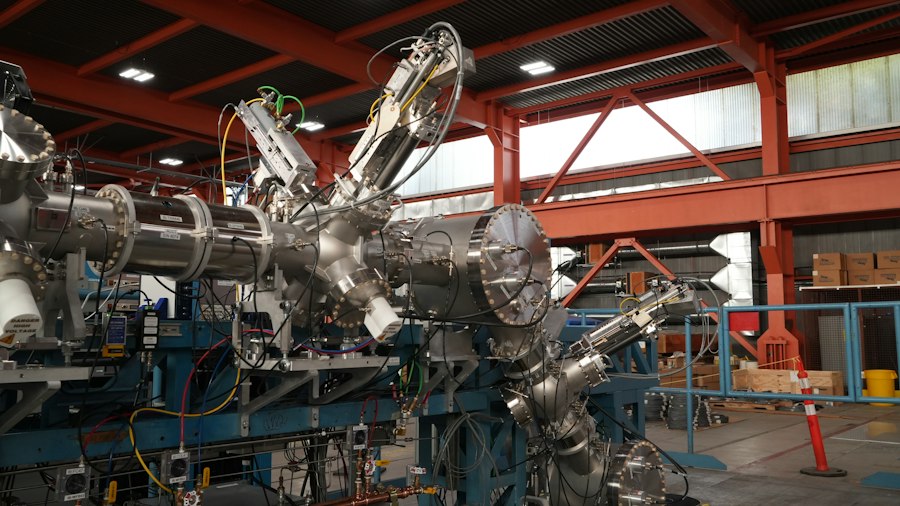
Establishing definitive ice height limits is a nuanced process that depends heavily on the specific application of the vacuum chamber, the components it houses, and the desired operational outcomes. There is no universal “one-size-fits-all” limit. Instead, it requires a careful evaluation of potential performance degradations and risks.
Application-Specific Considerations
The acceptable ice height will vary dramatically based on what the vacuum chamber is used for:
- Cryogenic Testing and Space Simulation: In chambers designed to simulate extreme cold environments, ice formation is often an inherent part of the process, particularly when testing components that will operate at cryogenic temperatures. However, even in these scenarios, uncontrolled ice can lead to unforeseen thermal bridging or block crucial sensors. The limit here might be more about ensuring the ice distribution is predictable and does not interfere with specific test parameters.
- Thin Film Deposition and Semiconductor Manufacturing: In these ultra-high vacuum (UHV) environments, even microscopic ice particles can act as contaminants, ruining delicate deposition processes or causing defects in microelectronic devices. Limits in these applications are often measured in microns or, more practically, are effectively zero. Any visible ice is likely unacceptable.
- Material Outgassing Studies: When the goal is to accurately measure the amount of volatile compounds released from materials, ice formation can mask or interfere with the detection of other species. Ice can absorb water vapor that would otherwise be measured, leading to inaccurate outgassing data.
- Vacuum Furnaces and Heat Treatment: While the primary function involves high temperatures, during cool-down cycles, moisture can condense. Excessive ice can prolong cool-down times and potentially cause thermal shock upon subsequent heating if not managed.
- General Purpose Vacuum Systems: For less sensitive applications, the limits might be more relaxed, focusing on preventing physical obstruction or significant thermal anomalies.
Quantifying the Impact of Ice Accumulation
The detrimental effects of ice accumulation can be broadly categorized:
- Thermal Degradation: Ice is a relatively poor thermal conductor compared to many chamber materials, especially metals. A layer of ice can act as an insulator, disrupting intended thermal gradients, slowing down heating or cooling processes, and leading to uneven temperature distribution across test articles. This is critical for experiments relying on precise temperature control.
- Mechanical Interference: Ice can physically obstruct moving parts, shutters, viewports, or delicate sensors. In extreme cases, ice expansion during freezing can exert pressure on sensitive components, leading to deformation or breakage.
- Vacuum Performance Compromise: Ice is essentially frozen water vapor. As it accumulates, it acts as a sink for water vapor. However, upon warming, this ice sublimes, releasing significant amounts of water vapor back into the chamber. This can dramatically increase the base pressure and extend pump-down times, especially after a chamber has been vented. In UHV systems, even small amounts of released water vapor can significantly degrade performance.
- Contamination Issues: While ice itself might be considered pure water, it can trap other airborne particles or outgassed species present in the chamber. When the ice sublimates, these trapped contaminants are released, potentially contaminating sensitive surfaces or test articles.
- Structural Integrity Risks: In extreme cases, especially with large ice formations, the weight and expansion of ice can pose a risk to internal structures or delicate components within the vacuum chamber.
Establishing Measurable Limits
When defining a limit, it is crucial to make it measurable and actionable. This can be achieved through:
- Visual Inspection: For many applications, a simple visual threshold can be established. For example, “no visible frost on critical optical surfaces” or “ice layer not exceeding 2mm in thickness on chamber walls.”
- Temperature Monitoring: Monitoring the temperature of specific internal surfaces can indirectly indicate ice formation. A significant deviation from expected temperatures, especially a sudden drop or sustained low reading, can signal ice accumulation.
- Pressure Rise during Sublimation: For more sensitive systems, a limit might be defined by the maximum acceptable pressure rise observed when a controlled warming cycle is initiated, indicating the maximum amount of water vapor that can be released from accumulated ice.
- Component Performance Degradation: Ultimately, the most critical limit is often tied to the performance of the components being tested or processed. If ice formation leads to unacceptable deviations in sensor readings, material deposition quality, or system functionality, then the ice limit has been exceeded.
Strategies for Minimizing Ice Formation
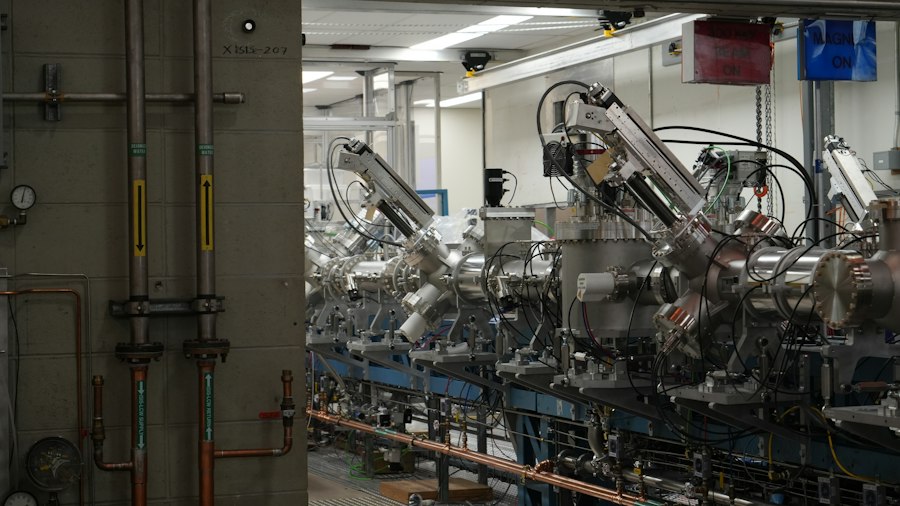
Preventing ice formation in the first place is always the most effective strategy. This involves a multi-pronged approach focused on controlling moisture ingress and maintaining appropriate internal conditions.
Rigorous Chamber Sealing and Maintenance
A well-sealed vacuum chamber is the first line of defense against moisture.
- O-ring and Gasket Integrity: Regularly inspect and replace O-rings and gaskets. Ensure they are made of appropriate materials for the vacuum environment and operating temperatures. Proper lubrication (using vacuum-compatible greases) is also essential for creating effective seals.
- Flange and Connection Checks: All flanges, feedthroughs, and connections must be meticulously cleaned and inspected for any signs of damage or wear that could compromise the seal.
- Leak Detection: Implement a regular leak detection schedule using a helium mass spectrometer or other appropriate methods. Promptly address any detected leaks to prevent continuous moisture ingress.
- Bake-out Procedures: For UHV systems, rigorous bake-out procedures are critical for driving out adsorbed moisture from chamber walls and internal components. This involves heating the chamber to elevated temperatures under vacuum for extended periods.
Advanced Drying Techniques for Introduced Materials
The moisture content of items placed inside the chamber is a major contributing factor to ice formation.
- Pre-conditioning and Drying Ovens: Components, test articles, and fixtures should be thoroughly dried in dedicated vacuum ovens or desiccators before being introduced into the main vacuum chamber. The drying temperature and duration should be optimized for the specific materials.
- In-situ Drying: For certain applications, it may be possible to incorporate small, localized heating elements or desiccant traps within the chamber itself to help manage residual moisture from introduced items.
- Material Selection: Where possible, select materials for fixtures and components that have inherently low outgassing rates and low moisture absorption properties.
Managing Internal Chamber Environment
Beyond preventing ingress, controlling the internal conditions can further reduce ice accumulation.
- Temperature Control: Maintaining a slightly elevated internal chamber temperature, if compatible with the application, can significantly reduce the likelihood of condensation and ice formation. This is often achieved using chamber heaters.
- Sublimation Control during Venting: When venting the chamber, consider using dry nitrogen or other dry gases to displace the atmosphere, thereby introducing less moisture than ambient air. Slowly venting and allowing time for moisture to be pumped out before significant cooling can also be beneficial.
- Internal Desiccants: In less sensitive applications, small quantities of non-contaminating desiccants can be placed within the chamber to absorb residual moisture. These must be carefully chosen to avoid outgassing themselves and must be periodically regenerated or replaced.
Monitoring and Detecting Ice Accumulation
Proactive monitoring is key to catching ice formation before it becomes a significant problem. Various methods can be employed, ranging from simple visual checks to sophisticated sensor systems.
Visual Inspection Techniques
The most straightforward method of detection is direct observation.
- Viewport Examination: Chamber viewports are invaluable for visual inspection. Operators should develop a routine of examining internal surfaces for any signs of frost or ice, especially after cooling cycles or vent/load operations.
- Internal Cameras: For chambers where direct visual access is limited or for automated monitoring, internal cameras can provide a continuous or scheduled visual record of the chamber’s interior. These can be particularly useful for identifying early stages of frost formation.
- Lighting Considerations: Proper internal lighting is crucial for effective visual inspection. Shadows or poor lighting can obscure small ice formations.
Temperature-Based Detection
Subtle changes in temperature can be indicative of ice.
- Surface Temperature Probes: Placing temperature sensors on critical internal surfaces, particularly those prone to ice formation, can provide real-time data. A sudden drop in temperature on a surface that should be warmer, or a sustained low temperature inconsistent with the chamber’s intended operating parameters, can signal ice.
- Thermal Imaging: For advanced applications, thermal imaging cameras can be used to detect temperature anomalies across internal surfaces, revealing areas of ice accumulation that may not be visible to the naked eye due to their insulating properties.
Pressure and Gas Analysis
Changes in the vacuum system’s pressure can also point to ice-related issues.
- Base Pressure Monitoring: If the chamber’s base pressure begins to consistently rise or take longer to achieve after venting, it can be a strong indicator of ice sublimating and releasing water vapor.
- Residual Gas Analysis (RGA): An RGA can identify the presence and relative abundance of various gases within the vacuum. A significant increase in the partial pressure of water vapor (H2O) during or after a cooling cycle is a definitive sign of ice sublimation. This is a powerful diagnostic tool for UHV systems.
- Pump-down Curve Analysis: Analyzing the shape and duration of pump-down curves can reveal anomalies. An unusually slow pump-down rate, especially if it becomes a recurring issue, can be linked to increased water vapor load from sublimating ice.
In exploring the fascinating world of vacuum chambers, one intriguing aspect is the height limit of ice that can be formed within them. This phenomenon is closely related to the principles of pressure and temperature, which significantly influence the behavior of water in a vacuum. For a deeper understanding of this topic, you can refer to a related article that delves into the science behind vacuum chambers and their effects on various substances. Check out this insightful piece on Freaky Science to learn more about the limits and possibilities of ice formation in such environments.
Implementing Effective Ice Management Protocols
| Parameter | Typical Value | Unit | Description |
|---|---|---|---|
| Ice Height Limit | 5 | mm | Maximum allowable ice thickness inside vacuum chamber before performance degradation |
| Vacuum Pressure | 1 x 10⁻⁶ | Torr | Operating pressure inside vacuum chamber |
| Temperature | -100 to -150 | °C | Typical temperature range where ice formation occurs |
| Ice Growth Rate | 0.1 to 0.5 | mm/hour | Rate at which ice accumulates under typical vacuum conditions |
| Maximum Operating Time | 10 | hours | Duration before ice height limit is reached under normal conditions |
A well-defined and consistently applied ice management protocol is essential for maintaining vacuum chamber performance and longevity. This protocol should encompass preventive measures, monitoring procedures, and corrective actions.
Developing a Standard Operating Procedure (SOP)
A formal SOP provides a clear, repeatable framework for ice management.
- Detailed Steps for Prevention: The SOP should outline specific steps for preparing components, sealing the chamber, and controlling the internal environment to minimize moisture ingress.
- Monitoring Schedule and Thresholds: It must define how and when internal inspections and sensor data are reviewed, along with the defined acceptable ice limits for different areas or applications within the chamber.
- Corrective Action Triggers: The SOP should clearly specify what actions are to be taken when ice accumulation exceeds the defined limits. This includes identification of responsible personnel and the sequence of operations for remediation.
- Record Keeping: Maintaining detailed records of all ice management activities, including inspection findings, sensor readings, and remediation efforts, is crucial for tracking trends and optimizing procedures over time.
Corrective Actions for Ice Remediation
When ice accumulation is detected beyond acceptable limits, prompt and appropriate corrective actions are necessary.
- Controlled Warming Cycles: The most common method for removing ice is through controlled warming. This typically involves slowly increasing the chamber temperature using integrated heaters. The warming rate should be carefully managed to prevent thermal shock to chamber components and to ensure that the released water vapor can be effectively pumped out.
- Venting with Dry Gas: In some cases, particularly for less sensitive systems, venting the chamber with dry nitrogen or argon while gently warming can accelerate the sublimation and removal of ice.
- Vacuum Pumping During Warming: It is critical to maintain vacuum pumping throughout the warming and sublimation process to continuously remove the released water vapor. This prevents re-condensation and minimizes the impact on the chamber’s base pressure.
- Bake-out Procedures for Severe Contamination: If ice accumulation has been persistent and significant, a more thorough bake-out procedure may be necessary to drive out deeply adsorbed moisture from chamber walls and components, preventing future rapid ice formation.
- Inspection and Repair of Sealing Issues: If ice formation is a recurring problem, it strongly suggests an underlying issue with chamber seals or moisture ingress pathways. Thorough inspection and repair of any leaks or compromised seals are essential corrective actions.
Training and Awareness Programs
Effective ice management relies on knowledgeable personnel.
- Operator Training: All personnel operating or maintaining the vacuum chamber must receive comprehensive training on the causes of ice formation, the importance of ice height limits, monitoring techniques, and the correct procedures for both prevention and remediation.
- Regular Refresher Courses: Periodic refresher courses help reinforce best practices and ensure that operators remain up-to-date with any changes in procedures or equipment.
- Promoting a Culture of Vigilance: Fostering an environment where operators feel empowered to report any unusual observations related to ice formation, no matter how minor, is critical for early detection and prevention.
In conclusion, managing ice height within vacuum chambers is a multifaceted discipline that demands a thorough understanding of the underlying physics, application-specific requirements, and diligent implementation of preventative and corrective strategies. By adhering to these key guidelines, operators and engineers can significantly enhance vacuum chamber performance, extend equipment lifespan, and ensure the integrity of critical research and manufacturing processes. The commitment to rigorous monitoring, proactive maintenance, and well-defined protocols will ultimately lead to more reliable and efficient vacuum operations.
Water Boiled While Ice Formed. Could a Lander Sink Into It?
FAQs
What is the maximum ice height limit in a vacuum chamber?
The maximum ice height limit in a vacuum chamber is typically around 1 inch. This is to prevent the ice from interfering with the vacuum seal and compromising the chamber’s functionality.
Why is there a limit on the height of ice in a vacuum chamber?
Limiting the height of ice in a vacuum chamber is important to maintain the chamber’s vacuum seal. Excessive ice can obstruct the chamber’s components and prevent it from operating effectively.
What happens if the ice height exceeds the limit in a vacuum chamber?
If the ice height exceeds the limit in a vacuum chamber, it can lead to a loss of vacuum pressure. This can affect the chamber’s performance and may require the ice to be removed before normal operation can resume.
Can the ice height limit in a vacuum chamber be adjusted?
The ice height limit in a vacuum chamber is typically set by the manufacturer and is not easily adjustable. It is important to adhere to the specified limit to ensure the chamber functions properly.
How can I prevent the ice from exceeding the height limit in a vacuum chamber?
To prevent the ice from exceeding the height limit in a vacuum chamber, regular maintenance and monitoring of the chamber are essential. Removing excess ice buildup and following proper operating procedures can help maintain the chamber’s performance within the specified limits.