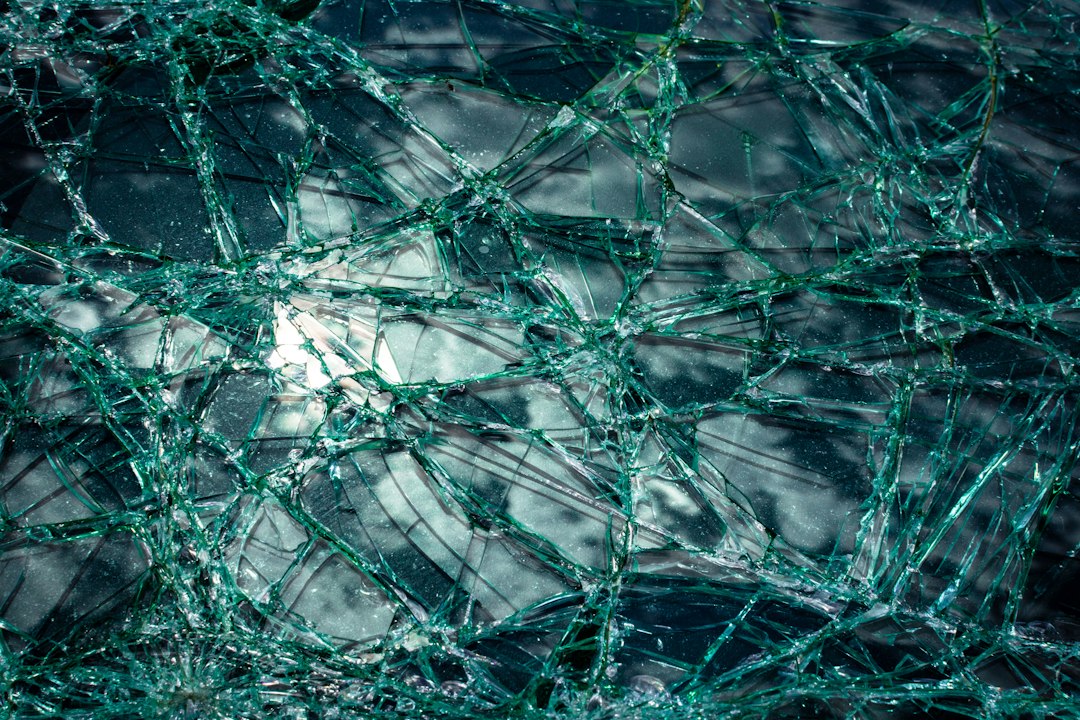
You might have seen it. Perhaps you’ve experienced it. That distinctive, almost explosive shatter. Tempered glass, lauded for its strength and safety, doesn’t just crack like regular glass; it disintegrates into a cascade of tiny, relatively harmless granules. Understanding how this happens requires a journey into the microscopic world of glass manufacturing and the physics of stress. It’s a process that transforms ordinary brittle material into something far more resilient, and its failure, while dramatic, is a testament to the clever engineering involved.
The Genesis of Strength: How Tempered Glass is Made
Your journey into understanding tempered glass begins not with its breaking, but with its creation. This isn’t just any piece of glass; it’s a carefully engineered material designed for specific applications where safety and durability are paramount. Think of the side and rear windows of your car, the doors of your shower, or the protective screen of your smartphone. These are all prime candidates for tempered glass because of its unique properties. The transformation from ordinary annealed glass to its tempered counterpart is a physical process, not a chemical one, and it relies on the controlled application of heat and rapid cooling.
Annealed Glass: The Starting Point
Before you can temper glass, you must first have glass. The raw material for most common glass production is a mixture of silica sand, soda ash, and limestone, heated to incredibly high temperatures until it melts into a molten liquid. This molten glass is then shaped into sheets. The crucial step for creating tempered glass is to start with a piece of standard, annealed glass. Annealed glass is what you’d find in most windows – it’s been cooled very slowly and deliberately. This slow cooling process allows the internal stresses within the glass to equalize, resulting in a material that is relatively uniform internally but inherently brittle. When annealed glass breaks, it does so in large, sharp shards, posing a significant safety hazard. Imagine a pane of window glass shattering; the jagged pieces are a direct consequence of its annealing.
The Thermal Tempering Process: A Violent Rebirth
The magic, or rather the science, of tempering lies in a process called thermal tempering. This involves heating a pane of annealed glass to a temperature just below its softening point – typically around 620-650 degrees Celsius (1150-1200 degrees Fahrenheit). Once the glass reaches this critical temperature, it’s not just heated; it’s about to be subjected to a sudden, dramatic shock. This shock comes in the form of a powerful blast of cool air directed uniformly across both surfaces of the glass simultaneously.
The Rapid Cooling Phenomenon: Quenching the Heat
This rapid cooling, also known as quenching, is the heart of the tempering process. The outer surfaces of the glass cool down much faster than the interior. As the outer layers cool and contract, they try to shrink. However, the still-hot interior of the glass resists this contraction. This creates a significant internal stress pattern. The outer surfaces are put under compression, essentially squeezing the glass inward. Conversely, the interior of the glass is stretched, placed under tension. This tension is balanced by the compression on the surfaces. The result is a glass that is significantly stronger than its annealed predecessor. The compression on the surfaces can be as high as 10,000 psi, making it much more resistant to scratching and impact.
Tempered glass is known for its strength and safety features, but understanding how it breaks can provide valuable insights into its applications and limitations. For a deeper exploration of this topic, you can read the article on the science behind tempered glass and its breaking patterns at Freaky Science. This resource delves into the processes that make tempered glass more durable than regular glass, as well as the factors that can lead to its failure under stress.
The Physics of Stress: Understanding Compression and Tension
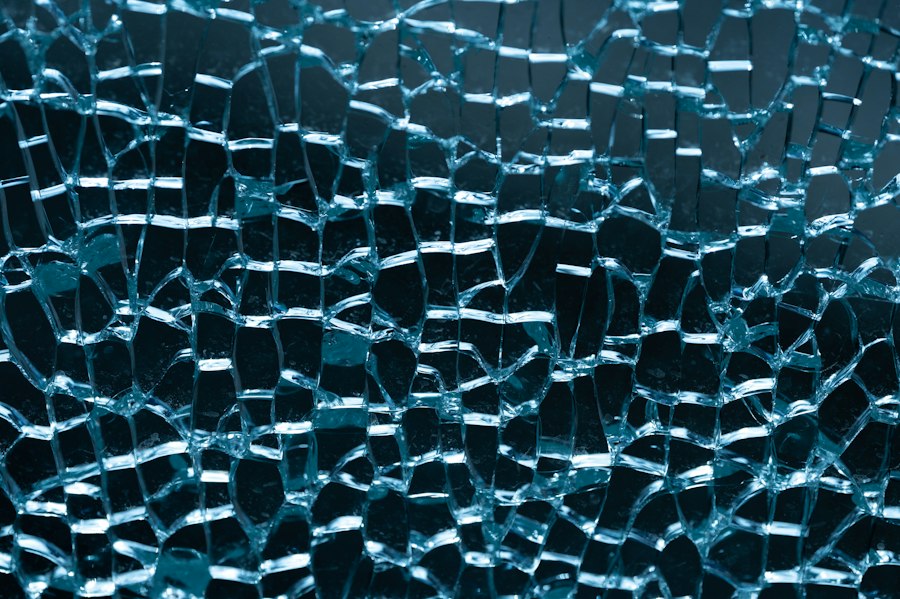
To truly grasp why tempered glass breaks the way it does, you need to appreciate the invisible forces at play within its structure. The tempering process meticulously engineers a specific stress distribution, and it’s this distribution that dictates its dramatic failure mode. It’s a delicate balance of internal forces, a tightly wound spring ready to unleash its stored energy.
Compressive Layers: The Protective Shield
During the rapid cooling, the outer surfaces of the glass cool and solidify first. As the interior continues to cool and contract, it pulls on these already solid outer layers. This pulling action results in the outer surfaces being held in a state of compression. Think of it like wrapping a tight bandage around a core. This compressive stress on the surface is crucial. It acts as a shield, absorbing minor impacts and resisting scratches. When something strikes tempered glass, it first has to overcome this compressive layer. This is why tempered glass can withstand much greater forces before showing any signs of damage compared to annealed glass. Minor impacts that would easily chip or crack regular glass are often shrugged off by the robust compressive surface of tempered glass. This compression is not just a surface phenomenon; it extends a significant distance into the glass, providing a substantial protective zone.
Tensile Core: The Stored Energy
Beneath the compressed outer layers lies the interior of the glass. As the outer surfaces solidify and contract, they effectively pull the molten interior outwards. This outward pull creates a state of tension within the core of the glass. This tension is the stored potential energy of the tempered glass. It’s the inherent weakness, but in a controlled manner. The glass is only able to withstand this tension because of the powerful compression on its outer surfaces. This internal tension is what makes tempered glass so prone to its characteristic shattering when the compression is overcome. It’s a precarious equilibrium; break the seal of compression, and the tension is released explosively.
Stress Distribution: A Microscopic Blueprint
The specific distribution of stress within tempered glass is critical to its performance. The compressive stress is highest at the very surface and gradually decreases towards the interior, eventually transitioning to tensile stress. The tensile stress is greatest at the center of the glass thickness. This distribution is not uniform across the entire pane but is carefully controlled during manufacturing. Understanding this gradient of stress is key to predicting how and where the glass will break. Imagine a finely tuned instrument, where every part plays a specific role in the overall harmony. In tempered glass, the interplay between compression and tension is this harmony, and its disruption leads to a very specific type of discord.
The Breaking Point: When Tempered Glass Shatters
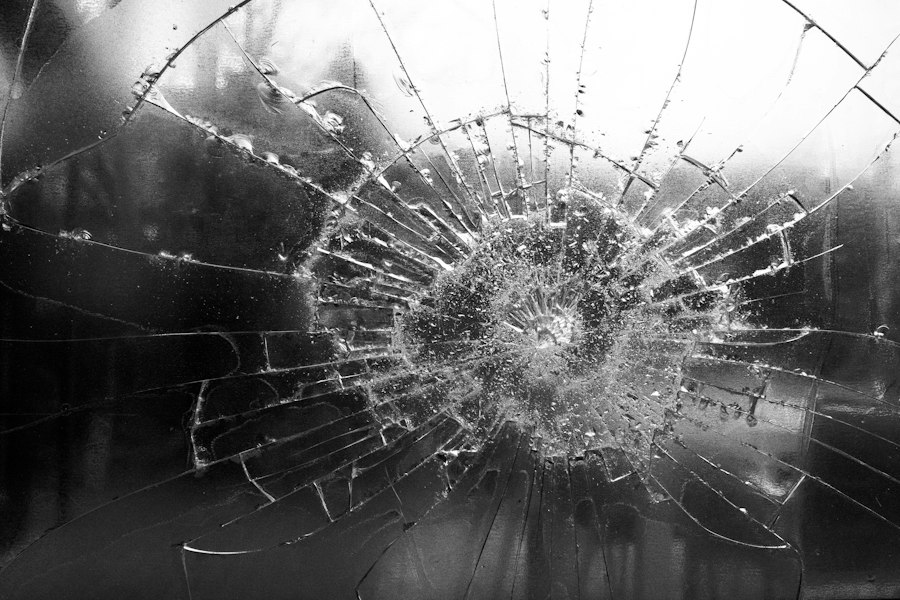
The dramatic disintegration of tempered glass is a direct consequence of its unique internal stress. It doesn’t succumb to a single crack that propagates; instead, it unleashes its stored energy in a spectacular fashion. Understanding this process requires visualizing the moment the balance is tipped and the pent-up forces are unleashed.
Overcoming the Compression: The Initial Breach
For tempered glass to break, the external force must be significant enough to overcome the compressive stress on its outer surfaces. This typically happens through a strong impact or a severe scratch that penetrates deep enough to breach the compressive layer. Once the compressive layer is compromised, the internal tension in the core is no longer counteracted. This initial breach is the trigger, the moment the dam begins to break. It’s like a small pebble dropped into a meticulously built structure, creating a hairline fracture that will quickly escalate.
The Cascade of Fracture: Unleashing Stored Tension
As soon as the compressive layer is breached, the immense tensile stress within the core is suddenly free to propagate. This tension drives rapid crack formation throughout the glass. Because the glass is under such high tension, these cracks spread with incredible speed, radiating outwards from the point of impact or initiation. The energy stored in the tensile core is released almost instantaneously. This release is so rapid and widespread that it causes the entire pane to fracture.
The Granular Disintegration: Safety Through Shattering
The most remarkable aspect of tempered glass breaking is the nature of the fragments. Instead of large, sharp shards, tempered glass breaks into thousands of small, relatively blunt granules. This is a direct result of the rapid, uncontrolled crack propagation. As the cracks race through the glass, they encounter the compressive layers on the other side. This interaction causes the cracks to fragment and change direction, resulting in the formation of these tiny, pebble-like pieces. The edges of these granules are not razor-sharp, significantly reducing the risk of serious injury compared to the dangerous shards produced by annealed glass. This granular disintegration is the fundamental safety feature of tempered glass.
Factors Influencing the Shattering Process
While the internal stress is the primary driver of tempered glass’s unique breaking pattern, several external factors can influence how and when this dramatic disintegration occurs. These factors can either hasten the process or, in some cases, even prevent it from reaching its full, explosive potential.
Impact Force and Location: The Trigger’s Intensity
The sheer force of an impact is a major determinant of whether tempered glass will break. A light tap might be absorbed by the compressive layer, leaving the glass unharmed. However, a significant blow, especially one concentrated on a small area, has a much higher chance of breaching the compression. The location of the impact also matters. Impacts near the edges or corners of a tempered glass pane are often more likely to cause breakage. This is because these areas may have slightly lower compressive stress due to manufacturing tolerances or the way stress is distributed around the edges. Imagine a single point of extreme pressure on a balloon; it will eventually burst.
Surface Imperfections and Defects: Weak Points
Even tempered glass isn’t perfect. Tiny scratches, nicks, or internal defects introduced during manufacturing or handling can act as stress concentrators. These imperfections can create localized weak points where the compressive layer is thinner or already compromised. A force that might otherwise be absorbed by the glass could easily exploit these flaws, initiating a crack and leading to shattering. It’s like a tiny flaw in a strong rope; under tension, that flaw will be the first to give way. This highlights the importance of careful handling and installation of tempered glass.
Thermal Shock and Temperature Extremes: An Added Stress
While thermal tempering relies on rapid cooling, extreme and rapid temperature changes after tempering can also stress the glass. If a tempered glass pane is subjected to sudden, intense heat on one side and cool on the other, it can induce additional thermal stresses. If these stresses add to the existing internal tension or are sufficient to overcome the compression, they can lead to spontaneous breakage. This is why tempered glass should ideally be installed in environments with relatively stable temperatures, and caution should be exercised with direct, intense heat sources.
Tempered glass is known for its strength and safety features, but understanding how it breaks can be quite fascinating. When subjected to extreme stress or sudden temperature changes, tempered glass can shatter into small, blunt pieces rather than sharp shards, reducing the risk of injury. For a deeper insight into the science behind this phenomenon, you can read a related article that explores the properties and behavior of tempered glass in various conditions. Check it out here to learn more about the fascinating world of glass science.
Applications and Significance: Why Tempered Glass Matters
| Aspect | Description | Typical Metrics |
|---|---|---|
| Breaking Pattern | Tempered glass breaks into small, blunt granules rather than sharp shards | Granule size: 3-5 mm diameter |
| Breaking Stress | Stress level at which tempered glass fractures | Approx. 700 MPa (megapascals) |
| Impact Resistance | Resistance to sudden impact before breaking | Up to 4 times stronger than annealed glass |
| Thermal Stress Resistance | Ability to withstand temperature differences without breaking | Can tolerate up to 250°F (120°C) difference |
| Fracture Initiation | Common points where breakage starts | Edges and surface defects |
| Energy Absorption | Energy absorbed before breaking | Higher than annealed glass, exact values vary |
The unique breaking characteristics of tempered glass are not just a scientific curiosity; they are the foundation of its widespread use in numerous applications where safety is paramount. Understanding why it breaks this way illuminates its importance in our daily lives, from the vehicles we drive to the homes we inhabit.
Enhancing Safety in Transportation: On the Road and Beyond
The most visible application of tempered glass is in the automotive industry. Side and rear windows of vehicles are almost exclusively made from tempered glass. The reason is simple: if a side window breaks in an accident, it’s far safer for the occupants if the glass disintegrates into small granules rather than forming large, dangerous shards. This dramatically reduces the risk of lacerations. Similarly, tempered glass is used in some aircraft windows for the same safety reasons, especially in the interior panes. The ability of tempered glass to shatter safely has undoubtedly saved countless lives and prevented numerous injuries.
Modern Architecture and Interior Design: Style Meets Security
Tempered glass has revolutionized modern architecture and interior design. Shower doors, balcony railings, tabletops, and cabinet doors frequently utilize tempered glass. These applications benefit from the glass’s increased strength, making it more resistant to accidental impacts. Furthermore, the safety aspect is crucial. Imagine a shower door made of regular glass shattering; the consequences would be severe. Tempered glass provides peace of mind, allowing for the creation of sleek, open designs without compromising safety. Its clarity and strength allow for aesthetic possibilities that would be impossible with less robust materials.
Protecting Our Devices: The Screen Revolution
In the realm of consumer electronics, tempered glass has become the de facto standard for screen protection. Smartphones, tablets, and even smartwatches rely on tempered glass to guard their delicate displays against scratches and minor impacts. While not as strong as specialized impact-resistant materials, the tempered glass screen offers a significant improvement over traditional glass or plastic. Its ability to withstand everyday wear and tear, and to shatter into harmless pieces if severely damaged, makes it an indispensable component of modern portable technology. This application showcases how tempered glass’s breaking mechanism directly translates into user-friendly and durable products.
The shattering of tempered glass, while seemingly destructive, is a carefully engineered outcome designed for your safety. It’s a testament to how understanding the fundamental physics of materials can lead to incredibly practical and life-saving innovations. From the intense heat of the furnace to the controlled blast of air, every step in its creation is dedicated to ensuring that when it does break, it does so in the safest possible way.

Your Car Window Can Keep You In—Even When You Need Out
FAQs
1. How does tempered glass break?
Tempered glass breaks into small, blunt pieces when shattered due to the internal stress caused by the rapid heating and cooling process during manufacturing.
2. What causes tempered glass to break?
Tempered glass can break due to impact, such as a strong force or sudden pressure, which can exceed the strength of the glass and cause it to shatter.
3. Can tempered glass break on its own?
Tempered glass is designed to break into small pieces for safety reasons, but it typically does not break on its own without external force or stress.
4. What are the advantages of tempered glass breaking into small pieces?
When tempered glass breaks into small, blunt pieces, it reduces the risk of serious injury as compared to regular glass, which shatters into sharp, jagged shards.
5. Is tempered glass more resistant to breaking than regular glass?
Tempered glass is stronger and more resistant to breakage than regular glass due to the tempering process that increases its strength and makes it more durable.