Understanding the Spring Loaded Window Punch
Imagine a scenario: you’re in your car, and due to an accident, the doors are jammed. Water is rising, or smoke is filling the cabin. Panic is a natural response, but having the right tool can transform that panic into decisive action. This is where the spring-loaded window punch, a seemingly simple device, proves its immense value. It’s not just a novelty item; it’s a critical piece of safety equipment designed to give you a fighting chance when conventional escape routes are blocked. You might have seen them advertised online or in automotive stores, often bundled with seatbelt cutters. While the seatbelt cutter is vital for freeing yourself from restraint, the window punch is your key to breaching the glass barrier. The genius of this tool lies in its simplicity and effectiveness. It utilizes a powerful spring mechanism to concentrate immense force onto a small, hardened point. This point is designed to shatter tempered glass with surprising ease, making it an indispensable companion for anyone who spends significant time in a vehicle. You might wonder about the science behind it – it’s physics in action. The stored energy in the spring is released in a fraction of a second, creating a localized stress point that exceeds the tensile strength of the glass. Unlike manual tools that require significant effort and leverage, the spring-loaded punch does the hard work for you. This is particularly important in a high-stress, emergency situation where your strength might be compromised by adrenaline or injury. You don’t need to be an athlete or have prior experience to operate it effectively. Its design prioritizes ease of use under duress. You simply press the pointed end firmly against the glass, and the spring mechanism does the rest. It’s a tool that empowers you, giving you a tangible way to regain control in a situation that feels utterly out of control. The reliability of this tool is paramount. It’s not something you want to discover is faulty when your life depends on it. Manufacturers understand this and typically use robust materials and rigorous testing to ensure consistent performance. The hardened steel tip is designed to withstand repeated impacts, and the spring mechanism is built for longevity. This means you can place your trust in it, knowing it will be ready when you need it most.
The Mechanics of Emergency Escape
The principle behind the spring-loaded window punch is elegantly straightforward, yet incredibly effective. You are essentially harnessing stored energy to break a barrier. At its core, the tool contains a powerful spring, tightly compressed within its housing. When you press the pointed end against a glass surface, you push a trigger mechanism, releasing this stored energy. The spring rapidly expands, driving a hardened steel or carbide tip with significant force. This concentrated impact creates a stress fracture in the tempered glass. Tempered glass, while strong and shatter-resistant in general impacts, is designed to break into small, relatively harmless pieces when subjected to a sharp, localized force. This is precisely what the window punch delivers. You’re not trying to smash the entire window with brute force; you’re initiating a controlled fracture that causes the glass to instantly disintegrate. Think about it from a physics perspective: you are applying a very high force over a very small area for a very short duration. This localized pressure overwhelms the glass’s structural integrity. The effectiveness is also amplified by the fact that you don’t need to swing the tool. A firm press is all that’s required. This is a critical advantage in confined spaces like a vehicle, where you might not have room to maneuver a hammer or other conventional tools. You can press the punch directly against the glass, often within arm’s reach, and initiate the escape. The speed of the impact is also a key factor. The spring mechanism releases its energy instantaneously, so you don’t have to worry about generating momentum yourself. This allows for a rapid and decisive action, which is crucial when every second counts.
Why Tempered Glass Breaks Differently
Understanding why tempered glass breaks the way it does is essential to appreciating the window punch’s effectiveness. Tempered glass, also known as toughened glass, is a type of safety glass that undergoes a special thermal or chemical tempering process. This process creates internal stresses within the glass. Think of it like a tightly packed internal framework. When the glass is heated and then rapidly cooled, the outer surfaces cool and contract more quickly than the inner core. This differential cooling creates compressive stress on the outer surfaces and tensile stress in the interior. This internal tension is what makes tempered glass strong against uniform pressure. You can hit it with a moderate force, and it will likely withstand the impact without breaking. However, this same internal stress makes it vulnerable to a sharp, concentrated impact. The window punch’s tip creates a point of intense localized pressure that overcomes the compressive strength of the outer surface, creating a stress riser. This stress then propagates through the glass, causing it to shatter into small, granular pieces. This is a safety feature; it prevents the formation of large, sharp shards that can cause severe injury. Compare this to standard annealed glass, which would break into long, dangerous slivers. The window punch exploits this specific property of tempered glass. It’s not designed to break just any glass; its target is the specific type of glass used in most car side and rear windows. This focused design ensures its effectiveness in its intended application.
The spring-loaded window punch is an essential tool for emergency situations, allowing individuals to quickly break glass to escape or assist others. For more insights on safety tools and their applications, you can read a related article that discusses various emergency preparedness items and their importance in critical situations. Check it out here: Emergency Preparedness Tools.
Situations Demanding Swift Action
The scenarios where a spring-loaded window punch can be a lifesaver are varied and often unpredictable. While we hope we never have to use such a tool, being prepared can make a critical difference in an emergency. You’ve likely seen or heard about situations where occupants were trapped in vehicles that plunged into water. In these terrifying moments, time is of the essence. The water pressure can make it impossible to open conventional doors, and the rising water level can quickly lead to disorientation and suffocation. The window punch, easily accessible, offers a direct path to escape before these debilitating factors take hold. Similarly, in vehicle fires, smoke inhalation can incapacitate individuals within minutes. The ability to quickly break a window and escape the toxic fumes can be the difference between survival and tragedy. Even without submersion or fire, a severe car accident can lead to jammed doors or malfunctioning electric windows. You might be pinned by the steering wheel or the seatbelt might be jammed. In such situations, the ability to break a side window and extricate yourself or assist others is invaluable. Beyond automotive emergencies, consider other situations where you might find yourself unexpectedly trapped. While less common, you could be in a building where a fire or other emergency renders the primary exits impassable, and a window provides an alternative escape route. Or perhaps you’re involved in a boating accident where the vessel capsizes. The ability to quickly breach a window and escape to the surface could be critical. The key takeaway is that this tool is for situations where your normal means of egress are compromised and time is a critical factor. It’s about providing a reliable, accessible method of breaking glass when you are most vulnerable and need to act decisively.
Vehicle Submersion and Water Entry
When a vehicle plunges into water, the situation escalates rapidly from frightening to life-threatening. The immediate impact can disorient you, but the real danger begins as water starts to fill the cabin. You might instinctively try to open the doors, but the increasing external water pressure can make them virtually impossible to budge. Electric windows, if they work at all, might also fail due to water damage. In this scenario, your side windows become your only hope for escape. A spring-loaded window punch, kept within easy reach, allows you to create an escape route before the water level rises too high and incapacitates you. The psychological impact of being submerged in a vehicle is immense. Panic can set in, making it difficult to think clearly. Having a tool that is simple and intuitive to use, like the window punch, can cut through that panic. You know what to do: press the punch against the glass and release the mechanism. The tempered glass will shatter, creating an opening for you to escape. The speed at which you can do this is crucial. You are not just escaping the water; you are escaping the rising pressure and the potential for the vehicle to completely submerge. You need to act within minutes, and the window punch facilitates that rapid action. Imagine yourself in that situation. The car is tilting, water is rushing in, and the doors won’t open. Your heart is pounding. But then you remember the small tool clipped to your visor or in your console. You grab it, position it, and with a firm press, the window breaks. That small act of defiance against the encroaching water can be the catalyst for your survival.
Vehicle Fires and Smoke Inhalation
Vehicle fires are terrifying events, and the primary danger often isn’t the flames themselves, but the thick, toxic smoke they produce. Inhaling smoke can quickly lead to disorientation, loss of consciousness, and ultimately, death. When a vehicle catches fire, you might have seconds to escape. If the doors are jammed or blocked by flames, the windows are your escape route. A spring-loaded window punch allows you to quickly shatter a side window and escape the immediate danger zone. The ability to create an opening to fresh air, even if it’s just for a moment, can be enough to allow you to regain your composure and find a safer exit. The speed and ease of use of the window punch are paramount in these situations. You don’t have time to fumble with complex tools or expend significant physical energy. A quick, firm press is all it takes to breach the glass and create an escape path. You need to be able to access this tool instantly. Keeping it in a prominent and easily reachable location is crucial. Think about where you store your keys or your phone – your window punch should be just as accessible. The psychological benefit of having this tool cannot be overstated. Knowing you have a way to break free from a rapidly filling, smoke-filled cabin can provide a crucial sense of agency in an otherwise overwhelming situation. It empowers you to take action rather than succumbing to despair.
Accidental Trapping and Jammed Exits
Accidents happen, and sometimes the aftermath leaves you trapped in ways you never anticipated. A severe collision can crumple doors, jam seatbelts, or damage the electrical systems that operate your windows. In these instances, your usual methods of exiting the vehicle might be completely unavailable. This is where the spring-loaded window punch becomes your lifeline. You might be pinned by the steering wheel, unable to reach the door handle, or the seatbelt buckle might be jammed shut. The window punch, when placed strategically within reach, allows you to create an alternate escape route. You can aim it at the side window and with a strong push, break the glass. This creates an opening that you can then use to extricate yourself, or if you’re able, to assist other passengers. The simplicity of the tool is its greatest asset here. You don’t need to exert yourself to the point of exhaustion or risk further injury. The spring mechanism does the heavy lifting. The key is to have the punch readily accessible. If it’s buried in the glove compartment or in a bag in the trunk, its usefulness is severely diminished in a situation where every second counts and your mobility might be compromised. Consider where you can easily reach it from your usual driving position, even if you are injured or disoriented. Many people attach them to their car visors, in the center console, or on the driver’s side door panel.
Essential Features and Considerations
When you’re choosing a spring-loaded window punch, you’re not just buying a piece of plastic and metal; you’re investing in your safety. There are several key features to look for to ensure you’re getting a reliable and effective tool. The material of the tip is crucial. You want a hardened steel or carbide tip that is designed to withstand the impact and effectively shatter tempered glass. Cheaper alternatives might use less durable materials that could bend or break on impact, rendering them useless when you need them most. The spring mechanism itself is another vital component. It needs to be powerful enough to deliver the necessary force. A weak spring will result in a weak impact, and you might struggle to break the glass. Many good quality punches have a self-retracting mechanism, meaning the tip automatically withdraws after it’s used, allowing for quick re-engagement if needed. This is also a safety feature that prevents accidental punctures. Think about the size and weight of the tool. You want something that is compact enough to be easily stored and handled, but substantial enough to feel robust. Some punches are integrated with a seatbelt cutter, which is a highly recommended combination. This allows you to both free yourself from your restraints and break the window for escape. When considering where to store your window punch, think about accessibility. It needs to be somewhere you can grab it instantly, even in a stressful situation.
The Anatomy of an Effective Punch
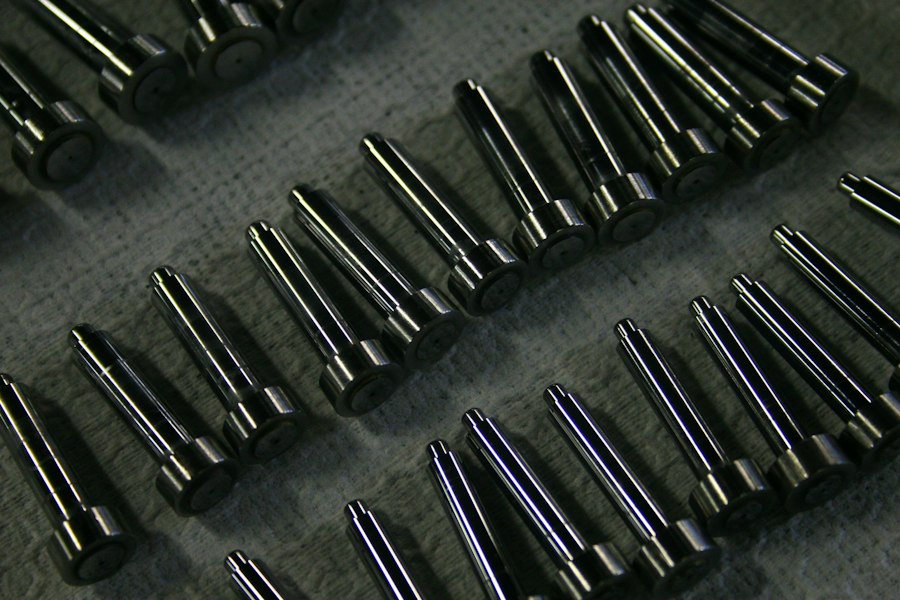
The effectiveness of a spring-loaded window punch hinges on several design elements. At its heart is the tip. This is typically made from exceptionally hard materials like hardened steel alloys or tungsten carbide. The pointed shape is crucial; it concentrates the force onto a minuscule point of contact, creating the necessary stress to fracture the glass. The sharper and harder the tip, the more efficiently it will initiate a break. Following the tip is the spring mechanism. This is the engine of the tool. It’s a tightly wound coil spring designed to store a significant amount of potential energy. The more powerful the spring, the greater the kinetic energy it can impart to the tip upon release. You’ll find punches with varying spring strengths, but for reliable tempered glass breaking, you want one with substantial power. The trigger mechanism is what initiates the spring release. It’s usually a simple push-button or a pressure-activated plunger. When you press the tip against the glass, it depresses the trigger, allowing the spring to expand. The housing that encloses these components is typically made of durable plastic or metal. It needs to be sturdy enough to withstand the forces involved in the impact and to provide a comfortable grip. Many designs incorporate a safety latch to prevent accidental discharge, which is a good feature to have. Finally, some punches include a seatbelt cutter, which is often a small, sharp blade integrated into the body of the tool. This dual functionality makes it an even more valuable emergency device.
Material Quality and Durability
The materials used in the construction of a spring-loaded window punch are paramount to its reliability and lifespan. You don’t want to discover that your tool is made of cheap, flimsy materials when your life is on the line. For the critical tip, look for designations like “hardened steel” or “tungsten carbide.” These are materials known for their exceptional hardness and ability to withstand repeated high-impact forces without deforming or breaking. A dull or chipped tip will significantly reduce the tool’s effectiveness. The spring itself should be made of high-quality spring steel, capable of maintaining its tension and power over time, even with infrequent use. A spring that loses its tension will result in a weaker impact, making it harder to break the glass. The housing of the punch should be made from robust materials like high-impact ABS plastic or anodized aluminum. It needs to be strong enough to contain the force of the spring without cracking or breaking, and it should provide a secure and comfortable grip, even with sweaty or trembling hands. Consider the overall build quality. Does it feel solid and well-assembled? Are there any loose parts or questionable joins? A well-made tool will inspire confidence, and in an emergency, that confidence can be invaluable. Investing in a punch from a reputable manufacturer that clearly states the materials used and has positive reviews regarding durability is a wise choice.
Integrated Features: Seatbelt Cutters and More
While the primary function of a spring-loaded window punch is to break glass, many manufacturers understand that a comprehensive emergency tool should address multiple potential threats. This is why you’ll frequently find window punches bundled with or integrated with a seatbelt cutter. This is a crucial addition, as a jammed seatbelt can be just as immobilizing as a jammed door. The seatbelt cutter typically features a small, razor-sharp blade designed to swiftly sever the webbing of a seatbelt. It’s often recessed within the housing of the punch to prevent accidental cuts, but easily accessible when needed. The combination of a window punch and a seatbelt cutter in a single, compact device makes it an incredibly versatile safety tool. Some advanced emergency tools might also include other features, though these are less common for basic window punches. You might find models with a small LED flashlight for visibility in dark situations, or even a basic emergency whistle. However, for the core purpose of emergency escape, the window punch and seatbelt cutter combination is the most practical and widely beneficial. When evaluating different models, consider whether the integrated seatbelt cutter is easily accessible and effective. A poorly designed cutter might be difficult to use in a stressful situation. Ultimately, the best tool is the one that is accessible, reliable, and performs its intended functions flawlessly when you need it most.
Strategic Placement for Immediate Access
Having a spring-loaded window punch is only half the battle; the other half is ensuring you can access it when you need it most. In an emergency, seconds matter. You don’t want to be fumbling through your glove compartment or digging through a cluttered bag while precious time ticks away. Strategic placement is key to maximizing the effectiveness of this vital safety tool. Think about where you are most likely to be seated and what areas are consistently within your reach. The goal is to have the punch immediately accessible, even if you are disoriented, injured, or in a confined space. Consider the different driving positions and common emergency scenarios. Where can you reliably grab it with one hand, possibly while your other hand is occupied or injured? The answer to this question will vary from person to person and vehicle to vehicle, but there are some generally accepted best practices that can help you make an informed decision. Don’t underestimate the psychological benefit of knowing exactly where your escape tool is. That certainty can provide a crucial element of calm in a chaotic situation.
The Driver’s Reach Zone
As the driver, you are often the first and most critical person to have immediate access to an escape tool. Your “reach zone” is the area you can comfortably access without significant body contortion. For most drivers, this includes the area around the steering wheel, the dashboard within arm’s length, the center console, and the immediate vicinity of the driver’s seat. Many people find that clipping a window punch to their sun visor is an excellent solution. This keeps it directly above and within easy reach of your head and hands. The visor is usually within easy grasp, and the punch will hang freely, making it simple to pull off and use. Another popular and effective location is the center console. If your console has a compartment, you can keep it inside, but ensure it’s not buried under other items. If it has a lid, consider attaching it to the underside of the lid or keeping it in a dedicated organizer within the console. Some people opt for attaching it to the driver’s side door panel, often using Velcro or a specialized holster. This keeps it at a readily accessible height. The key here is consistency. Once you choose a spot, make sure it becomes second nature to know where it is. Practice reaching for it, even when you’re not in an emergency. This muscle memory can be invaluable.
Passenger Accessibility and Family Preparedness
While the driver’s access is paramount, preparing all occupants of the vehicle is equally important, especially if you regularly transport children or other passengers. The principle remains the same: immediate and easy access. For front-seat passengers, similar principles apply as for the driver. The glove compartment can be a viable option, but again, ensure the punch is not buried. Consider a dedicated compartment organizer or placing it on top of other essential items. Seatback pockets are also a common storage solution. A punch slipped into a seatback pocket can be easily retrieved by the passenger. If you have rear-seat passengers, especially children, consider the youngest and least experienced. They might not know where the tool is or how to use it in an emergency. For families, it’s a good idea to have multiple punches in the vehicle. One readily accessible to the driver, and perhaps another for the front passenger or even a smaller, easily manageable one for older children to understand and be instructed on. Regular discussions about car safety and the location and purpose of emergency tools can empower younger passengers. Educating everyone in the vehicle about the tool’s function and how to use it, even in a calm, simulated environment, can build confidence and preparedness. Remember, a tool is only effective if the people who need it can use it.
Considerations for Different Vehicle Types
The ideal placement of your spring-loaded window punch might also depend on the type of vehicle you drive. The layout and accessibility of storage compartments vary significantly between sedans, SUVs, trucks, minivans, and even convertibles. For example, in a truck, the center console might be different, and the door panels might be more rugged. In a minivan, where seating configurations are more complex, having multiple accessible locations for different passengers is even more crucial. Convertibles present a unique challenge due to the lack of a fixed roof and potentially less interior storage. In such cases, a holster that can attach to the seat frame or a dedicated compartment within the seat itself might be necessary. For RVs and larger vehicles, the sheer size means that a single placement might not be sufficient for all occupants. Consider placing punches in easily accessible locations near each seating area. Regardless of the vehicle type, the core principle remains: accessibility. Regularly assess your vehicle’s layout and choose a placement that allows for the quickest and most reliable retrieval in an emergency. Don’t be afraid to experiment with different locations until you find what works best for you and your passengers.
The spring-loaded window punch is an essential tool for emergency situations, allowing individuals to quickly escape from vehicles or buildings in case of an emergency. For those interested in learning more about innovative safety devices, you can check out a related article that explores various tools designed for personal safety and survival. This article provides insights into how these tools can be life-saving in critical moments. To read more, visit Freaky Science for a comprehensive overview of safety gadgets.
Training and Practice: Mastering Your Lifesaver
| Metric | Value | Unit | Description |
|---|---|---|---|
| Spring Force | 15 | Newton | Force exerted by the spring during window punch operation |
| Punch Diameter | 25 | Millimeters | Diameter of the punch used for window cutting |
| Stroke Length | 30 | Millimeters | Maximum travel distance of the punch |
| Cycle Time | 2 | Seconds | Time taken to complete one punch cycle |
| Material Thickness | 1.5 | Millimeters | Maximum thickness of material that can be punched |
| Return Spring Type | Compression | N/A | Type of spring used to return the punch to its original position |
Possessing a spring-loaded window punch is a responsible step towards enhanced safety, but true preparedness lies in knowing how to use it effectively. Like any tool designed for critical situations, practice and understanding are essential. You wouldn’t want to pick up a fire extinguisher for the first time while your kitchen is engulfed in flames, and the same logic applies to your window punch. Familiarizing yourself with its operation in a safe and controlled environment will instill the confidence and muscle memory needed to act decisively when seconds count. This isn’t about becoming an expert glass breaker; it’s about understanding the mechanics and building the assurance that you can deploy the tool successfully under pressure. Think of it as a drill, a rehearsal for a critical moment, ensuring that when the unthinkable happens, you can respond with competence rather than confusion. The investment in a quality tool is amplified by the investment in your own knowledge and skill.
Simulating Emergency Use in a Safe Environment
The best way to ensure you can use your window punch effectively is to practice. However, it’s crucial to do this safely. You absolutely do not want to be practicing on the windows of your everyday vehicle, as this could lead to costly damage and the loss of your emergency tool. Instead, consider acquiring a scrap piece of tempered glass. You can often find these at local auto glass shops or scrap yards for a minimal cost. Alternatively, some manufacturers offer practice kits that include dummy glass or even small targets designed for this purpose. When you practice, simulate the conditions you might face in an emergency. Imagine you are slightly disoriented. Try reaching for the punch with one hand, without looking directly at it. Once you have it, position it firmly against the glass. You don’t need to exert excessive force; the spring mechanism is designed to do the work. Feel the spring engage and release. Aim for the same area you would on a car window – typically near a corner. Repeat this process a few times. Pay attention to how the tool feels in your hand, the resistance as you press it, and the sharp “pop” or “crack” as the glass breaks. This tactile and auditory feedback will help you associate the action with the result. The goal is to make the process so familiar that you can perform it on autopilot, even if your mind is racing.
Understanding Target Areas for Maximum Effectiveness
While tempered glass is designed to shatter, aiming your window punch strategically can improve your chances of success and reduce the number of attempts needed. The most effective areas to strike are typically the corners of the window. These areas are often the weakest points due to the way the glass is mounted in the frame. The frame provides a solid base, and striking the corner allows the stress to propagate efficiently through the glass. Avoid striking the center of the window, as this is often the strongest point. Think of it like cracking a nut; you want to apply pressure at a point where it can easily fracture. Another important consideration is the thickness of the glass. While most car side windows are relatively thin, some vehicles might have slightly thicker glass. However, a quality spring-loaded window punch should be able to handle most standard automotive glass thicknesses. If you are practicing, try different corner locations to see where you achieve the most immediate break. This hands-on experience will give you a better understanding of how the tool interacts with the glass. Remember, in a real emergency, you might only get one or two chances to break the window. Choosing the right spot can make a critical difference.
When and How to Teach Your Loved Ones
Educating your loved ones about the presence and use of a spring-loaded window punch is an integral part of comprehensive car safety. The approach should be age-appropriate and tailored to the individual. For adult passengers, a simple explanation of where the tool is located and its purpose is usually sufficient. You can even have them practice retrieving it under your supervision. For older children or teenagers, a more detailed explanation is warranted. Explain why it’s important to have, and demonstrate its use with a practice glass or kit. Emphasize that it’s a tool for emergencies only and should never be used for play. Teach them about the designated “escape spots” on the car windows and the importance of remaining calm. For younger children, the focus should be on knowing that there is a “special tool” that can help them get out of the car if the doors don’t work, and that a trusted adult will know how to use it. Avoid overwhelming them with technical details or letting them handle the tool unsupervised. The key is to foster an awareness of safety preparedness without causing unnecessary anxiety. Regular, brief discussions about car safety, including the window punch, can reinforce the message and ensure everyone feels more confident and prepared in the event of an emergency.
Beyond the Vehicle: Other Applications and Limitations
While the spring-loaded window punch is primarily designed and marketed for automotive emergencies, its utility isn’t strictly confined to vehicle escapes. Its ability to shatter tempered glass makes it a versatile tool in other situations where quick glass breach is necessary. However, it’s important to understand its limitations. This tool is designed for a specific type of glass, and attempting to use it on other materials might be ineffective or even dangerous. Recognizing these other applications and understanding where the tool falls short will provide you with a more complete picture of its value and when it might be an appropriate item to carry. It’s about understanding the tool’s strengths and weaknesses so you can rely on it when it’s most effective and avoid placing undue expectations on it. This nuanced understanding ensures you are truly prepared, not just armed with a tool.
Breaching Glass in Other Emergency Scenarios
Beyond the automotive realm, your spring-loaded window punch can prove invaluable in a variety of emergency situations. Consider a building fire where smoke is rapidly filling corridors and escape routes are blocked. If a window provides an alternative exit, the punch can be used to quickly break the glass, creating a path to safety. This is particularly relevant in older buildings or situations where fire doors might be jammed or blocked. Similarly, in a boating emergency, if your vessel capsizes or is taking on water, and you become trapped inside, a window punch could be your only means of escape

Your Car Window Can Keep You In—Even When You Need Out
FAQs
1. How does a spring loaded window punch work?
A spring loaded window punch typically features a sharp, hardened steel tip that is activated by pressing it against a window with force. The spring mechanism helps to generate enough impact to shatter the glass upon contact.
2. What are the main uses of a spring loaded window punch?
A spring loaded window punch is primarily used as a safety tool to quickly and effectively break vehicle windows in emergency situations, such as car accidents or submersion in water. It can also be used by rescue personnel to gain access to trapped individuals.
3. Can a spring loaded window punch be used on any type of glass?
Spring loaded window punches are designed to break tempered glass, which is commonly used in vehicle windows. They may not be as effective on laminated glass, such as windshields, which are designed to stay intact upon impact.
4. How should a spring loaded window punch be stored for easy access in emergencies?
It is recommended to keep a spring loaded window punch in a readily accessible location within a vehicle, such as on the sun visor, center console, or attached to a keychain. Avoid storing it in the glove compartment or trunk where it may be difficult to reach in an emergency.
5. Are there any safety precautions to keep in mind when using a spring loaded window punch?
When using a spring loaded window punch, it is important to aim for a corner of the window to maximize the chances of breaking the glass. Additionally, always wear gloves and eye protection to prevent injuries from shattered glass during the breaking process.