Your Silent Guardian: The Unassuming Tool That Saves Lives
Imagine a scenario that no one wants to face. Rain lashes against your windshield, visibility is near zero, and suddenly, the world tilts. You’re in a car accident, your vehicle submerged or overturned. Panic can set in, a cold, paralyzing fear. In those critical moments, your instinct might be to fight against a jammed door or a seatbelt that refuses to yield. This is where a seemingly small, unassuming object becomes your most crucial ally: the essential seat belt cutter and window breaker tool. It’s not just an accessory; it’s a lifeline, a compact device designed with one purpose: to give you a fighting chance when every second counts. You might have seen them advertised, perhaps tucked away in a glove compartment, but do you truly understand their significance? Have you considered how this simple tool can transform a potentially tragic outcome into a story of survival? This isn’t about preparing for the worst-case scenario in a way that breeds anxiety, but rather about empowering yourself with knowledge and the right equipment to face the unexpected with a measure of control. Understanding its functions, its design, and when and how to use it can provide a profound sense of security, knowing you have a direct means of escape when conventional methods fail. It’s about proactive preparedness, a small investment in peace of mind and, more importantly, in your safety and the safety of those you care about.
If you’re interested in safety tools for emergencies, you might find the article on the importance of having a seat belt cutter and window breaker tool particularly insightful. This essential device can be a lifesaver in critical situations, allowing quick escape from a vehicle after an accident. For more information on this topic, you can read the related article at Freaky Science.
The Anatomy of Escape: Understanding Your Emergency Tool
At its core, the seat belt cutter and window breaker tool is engineered for simplicity and effectiveness in high-stress situations. You might be surprised by the thoughtful design packed into such a compact form. These tools are not complex machinery; their brilliance lies in their direct functionality, ensuring that even in a state of shock or limited mobility, you can operate them with ease.
The Razor-Sharp Seat Belt Cutter
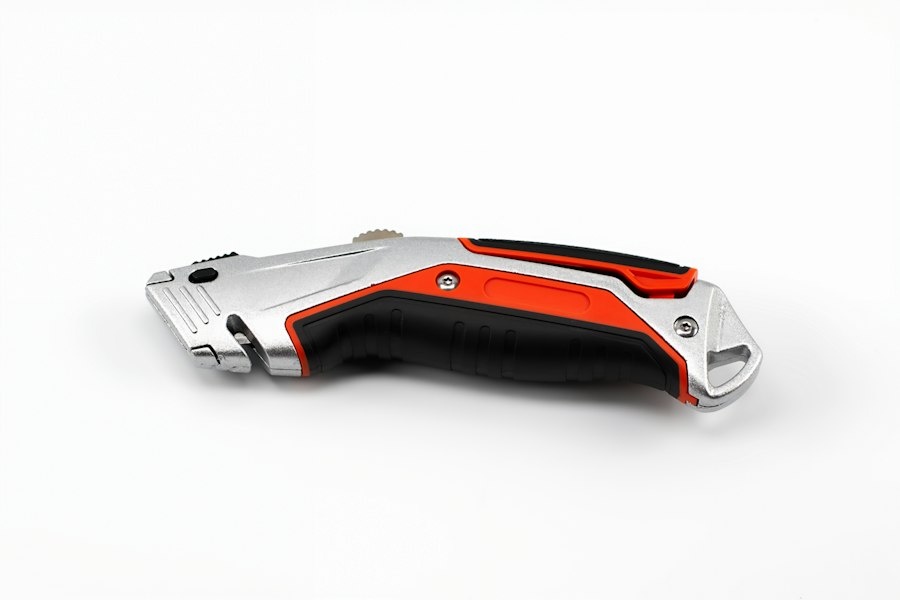
The primary function of one half of this indispensable tool is its ability to sever a seatbelt quickly. Seatbelts, designed for maximum safety during a collision, can become incredibly difficult to release if the buckle mechanism is damaged or jammed by the impact. This is where the integrated blade comes into play. Typically, you’ll find a small, yet incredibly sharp, recessed blade. The recess is a crucial safety feature, preventing accidental cuts to your fingers or the hands of those you might be trying to help. To use it, you simply hook the seatbelt into the designated slot and pull. The design ensures that the belt is drawn across the blade with minimal effort, slicing through the tough webbing in seconds. Think of it as a miniature, highly focused utility knife specifically shaped for the task. The material of the blade is usually high-carbon steel, chosen for its strength and ability to hold a sharp edge, ensuring it can cut through even the most robust seatbelt material without snagging or dulling. The casing around the blade is robust, often made from durable ABS plastic or similar polymers, designed to withstand the rigors of an accident and frequent handling without breaking. Some models even feature a small lever or handle to provide better grip and leverage, especially if your hands are wet or cold. The ergonomics are usually considered, ensuring a comfortable and secure grip even when you’re experiencing adrenaline.
The Powerful Window Breaker
The other half of this dual-purpose tool is dedicated to shattering vehicle windows. In situations where doors are jammed or locked, or if your vehicle is submerged, breaking a window can be your only viable exit. The window breaker tip is typically a hardened metal point, often made of tungsten carbide, known for its extreme hardness and durability. This point is designed to create a significant stress concentration on the glass when struck. When you apply forceful pressure to the edge or corner of a tempered glass window with this tip, the force is focused onto a tiny area, causing the glass to shatter outward. Tempered glass, commonly used for side and rear windows in vehicles, is designed to break into small, relatively harmless pieces, unlike regular glass which can shatter into dangerous shards. The effectiveness of the window breaker relies on striking the glass at the right spot – typically the edges or corners are the weakest points. The design of the breaker tip itself is often slightly domed or pointed, maximizing the impact force. Many tools feature a spring-loaded mechanism. With a spring-loaded breaker, you simply press the tip against the glass and pull back slightly. When released, a powerful internal spring drives the hardened tip forward with considerable force, making it easier to break the window, even with limited strength. This mechanism provides a consistent and powerful impact, reducing the chance of failure due to user strength variations. The housing for the window breaker is equally robust, designed to transfer the impact force effectively without the tool itself cracking or deforming.
Strategic Placement: Where to Keep Your Lifeline Accessible
The effectiveness of your seat belt cutter and window breaker tool is directly proportional to its accessibility. In an emergency, fumbling through the trunk or digging deep into a cluttered glove compartment can be a dangerous waste of precious time. You need to know exactly where it is and be able to grab it instantly, even if you are disoriented or injured.
The Glove Compartment: A Common but Potentially Flawed Location
The glove compartment is often the go-to place for many drivers to store emergency items. It’s convenient, readily accessible from the driver’s seat, and offers some protection for the tool. However, in the chaos of an accident, the glove compartment can be jammed shut, its contents spilled, or become inaccessible due to vehicle damage. If the accident involves a rollover, items within the glove compartment can shift, making it difficult to locate your tool. While it’s a starting point, relying solely on the glove compartment might not be the most strategic choice for this life-saving device. You need to consider the possibility that the normal opening mechanism might not work. Think about what happens in a severe crash – things shift, lock, and break. Your primary tool needs to be protected, yes, but not at the expense of being retrievable. You might also be pinned in a way that prevents you from reaching the glove box with ease.
The Center Console: Another Accessible Option
The center console offers similar advantages to the glove compartment, often being within easy reach of the driver and front passenger. Many consoles have dedicated slots or compartments that can hold the tool securely. Similar to the glove compartment, however, the console can also become jammed or its contents dislodged in a significant impact. If the console is designed with a flip-top lid, a rollover could mean the lid is facing the wrong way or is inaccessible. It’s a good option if it’s a deep console where the tool is unlikely to be thrown around, but you must still consider the potential for it to be blocked. The key here is that both the glove compartment and the center console are internal to the passenger cabin. While this offers protection from the elements, it also means that if the cabin itself is compromised – crushed or blocked – your tool might be trapped with you.
Attached to the Sun Visor: The Champion of Immediate Access
One of the most recommended and effective locations for your seat belt cutter and window breaker tool is attached to your sun visor. Many specialized tools come with a clip or Velcro strap specifically designed for this purpose. The sun visor is consistently accessible, regardless of the nature of the accident. Even in a rollover, the visor generally remains in a position where it can be reached by the driver or front passenger. It’s out of the way of everyday clutter, yet immediately visible and graspable. Attaching it here means that the moment you realize you need it, your hand can go straight to it. Think about the physics of a crash – objects tend to fly forward or sideways. The visor, however, is often hinged and remains somewhat stable relative to the occupant. This placement also means you don’t have to actively search for it; your muscle memory can guide your hand. Some people even use a small, secure bungee cord to attach it firmly to the visor, ensuring it doesn’t detach during a violent impact. This is a strategy that prioritizes speed and certainty in retrieval above all else, which is exactly what you need in an emergency.
On the Driver’s Sun Visor: The Ultimate Proximity
For the driver, attaching the tool specifically to their sun visor is the ultimate testament to prioritizing immediate access. This is the person most likely to be in control of initiating the escape or helping others. Keeping it within arm’s reach, literally a flick of the wrist away, can shave critical seconds off your escape time. This position ensures that even if you are partially trapped or injured, you can still reach for this vital tool without extensive maneuvering. Consider the stress and confusion you’ll be under. The less you have to think about where it is, the better. The driver’s visor is usually the most frequently used visor, so its position is often familiar. This proximity is paramount. It transforms the tool from a mere stored item into an extension of your immediate response capability. You are not just storing it; you are integrating it into your personal safety protocol.
Mastering the Mechanics: How to Effectively Use Your Emergency Tool
Understanding the theory behind your seat belt cutter and window breaker tool is one thing; knowing how to deploy it effectively under duress is another. Practice, even in a calm environment, can make a significant difference when adrenaline is high.
Cutting the Unyielding: Seat Belt Evasion Tactics
When facing a jammed seatbelt, the key is a firm, direct action. First, locate the seatbelt buckle and determine the best angle to access the webbing. You might need to shift your body slightly to get a clear approach. Once you have the seatbelt webbing in the cutting slot of your tool, apply steady, firm pressure. Don’t yank or saw haphazardly. The sharp blade is designed to cut cleanly with a consistent pull. If the belt is particularly thick or tightly stretched, a slight tightening of your grip and a smooth, deliberate pull is usually sufficient. Some people find it helpful to brace the tool against their body or the seat for added leverage. The recessed nature of the blade is your friend here; it prevents you from cutting yourself while allowing you to focus on severing the belt. Visualize the path of the blade through the fabric. It’s a simple, decisive action. Remember, you’re not trying to cut through metal, but through a strong synthetic fiber. The tool is designed to do this with relative ease. If the belt is twisted, try to straighten it as much as possible before cutting, as this can make the process smoother.
Shattering the Barrier: Window Breaking Techniques
Breaking a car window requires a targeted approach. As mentioned, tempered glass, used for side and rear windows, is the target. Do not attempt to break the windshield, as it is made of laminated glass and is much harder to break. Locate the edges or corners of the side window – these are generally the weakest points. Position the hardened tip of your window breaker firmly against the glass at one of these weak points. For spring-loaded models, press the tip against the glass until you feel it engage and then pull back sharply. For manual models, you will need to apply a firm, sharp blow. The goal is to concentrate force onto a small area, causing the glass to fracture. You might need to strike it more than once, especially if you are not using a spring-loaded model or if the glass is particularly resilient. Once the glass begins to crack, it will likely shatter outwards. Be prepared for this and shield your face with your arms if possible. If you have a passenger trapped, instruct them to do the same. The force required can vary, so don’t be discouraged if it doesn’t break on the first attempt. Consistency and accuracy of your strike are more important than brute strength. Many people advocate for a quick, decisive jab rather than a sweeping motion.
In emergency situations, having the right tools can make all the difference, which is why a seat belt cutter and window breaker tool is essential for every vehicle. For those interested in learning more about safety gadgets that can save lives, you might find this article on innovative safety devices particularly insightful. It highlights various tools designed for quick escape during accidents, emphasizing the importance of preparedness. You can read more about these life-saving tools in the article here.
Beyond the Basics: Additional Safety Considerations and Maintenance
| Feature | Description | Material | Blade Type | Window Breaker Tip | Length (inches) | Weight (oz) | Additional Features |
|---|---|---|---|---|---|---|---|
| Compact Rescue Tool | Multi-functional emergency tool for cutting seat belts and breaking car windows | Aluminum Alloy | Stainless Steel Hook Blade | Spring-loaded Tungsten Carbide Tip | 4.5 | 2.3 | Ergonomic grip, Keychain attachment |
| Heavy Duty Rescue Tool | Designed for quick escape in vehicle emergencies | High-Grade Plastic & Metal | Replaceable Razor Blade | Hardened Steel Tip | 5.0 | 3.0 | Non-slip handle, Safety cover for blade |
| Professional Emergency Tool | Used by first responders for vehicle extrication | Stainless Steel | Fixed Hook Blade | Carbide-Tipped Breaker | 6.0 | 4.5 | Magnetic attachment, Lanyard hole |
Your seat belt cutter and window breaker tool is a vital piece of safety equipment, but its effectiveness extends beyond simply knowing how to use it. Proper care and understanding of its limitations are crucial.
Regular Inspection: Ensuring Readiness
Like any piece of safety equipment, your tool needs periodic checks. Don’t just store it and forget it. Once every few months, take it out and inspect it. Check the blade for any signs of rust or dullness. If it appears dull, consider replacing the tool, as a dull blade will not cut the seatbelt effectively. Inspect the window breaker tip for any damage or chips. Ensure the casing is intact and that any spring-loaded mechanism is functioning smoothly. If you notice any issues, address them immediately. A tool that isn’t in perfect working order is not a reliable safety device. Think of it as a fire extinguisher; you wouldn’t want to discover it’s empty or broken when you need it most. A quick visual inspection can save your life. Pay attention to the feel of the mechanism if it’s spring-loaded; it should have a firm resistance before release.
Environmental Factors: Protecting Your Tool
Your tool is exposed to the elements within your vehicle, even if it’s in a protected compartment. Extreme temperatures, humidity, and general wear and tear can affect its performance over time. Keep the blade as clean and dry as possible. If your tool comes with a protective cap for the blade, use it when it’s not in its immediate access location. Avoid storing it in areas prone to excessive moisture. If you live in a region with significant temperature fluctuations, be aware that this can sometimes affect the materials of the tool, though most are designed to withstand these conditions. The key is to minimize unnecessary exposure to harsh environments. For instance, don’t leave it in direct sunlight on the dashboard for extended periods, as heat can degrade some plastics over time.
Practice Makes Prepared: Familiarization Drills
While you can’t realistically practice breaking car windows regularly, you can familiarize yourself with the feel and operation of your tool. In a safe, calm environment, practice unbuckling your seatbelt and then using the cutter. Understand how the tool engages with the webbing. Similarly, practice the motion of using the window breaker on a soft surface (like a cushion) to get a feel for the required pressure and the action of a spring-loaded mechanism. The more comfortable you are with the tool’s operation, the less likely you are to hesitate or fumble in a real emergency. This isn’t about being a hero; it’s about building confidence and muscle memory. Even a few minutes spent practicing the motions can make a world of difference. You can even practice holding it in different ways to see which grip feels most secure and powerful for you. The goal is to make the action instinctive.
A Proactive Approach to Safety: Investing in Peace of Mind
Owning a seat belt cutter and window breaker tool is not about succumbing to fear; it’s about embracing preparedness. It’s a small, often inexpensive, investment that can have an immeasurable return in the event of an emergency. You are taking control of a critical aspect of your safety.
The Cost of Inaction: A Stark Reminder
The cost of a quality seat belt cutter and window breaker tool is negligible when compared to the potential cost of not having one. While we hope you will never need to use it, the peace of mind it offers is invaluable. Think about the scenarios where this tool could be the difference between life and death, or between a minor inconvenience and a severe injury. The moments after an accident are disorienting and chaotic. The ability to quickly and effectively escape your vehicle can prevent further harm, such as drowning if the car goes into water, or injury from fire if the vehicle becomes engulfed. This tool empowers you to overcome obstacles that might otherwise trap you. It’s a proactive step that mitigates risk. Consider the emotional toll on yourself and your loved ones if you were unable to escape a dangerous situation. This tool offers a tangible way to address that potential vulnerability.
Empowering Yourself and Your Loved Ones
By having this tool readily accessible, you are not only protecting yourself but also those who travel with you. Teach your family members, especially teenagers who are new drivers, about the existence and function of this tool. Educate them on its importance and where it’s stored. This knowledge can empower them to act decisively in an emergency, rather than succumbing to panic. When you equip yourself with the right tools, you are better prepared to face unforeseen challenges. It’s about building resilience and ensuring you have the means to help yourself and others when it matters most. This isn’t about creating a doomsday scenario, but about fostering a culture of safety and preparedness within your family. Sharing this knowledge can be just as important as having the tool itself. Ensure they know that in certain emergency situations, this tool is their primary means of egress.
A Small Tool, A Big Difference: The Ultimate Security Blanket
In the grand scheme of life, a few dollars spent on a seat belt cutter and window breaker tool is a tiny investment for a potentially life-saving outcome. It’s the ultimate security blanket for your journeys, a silent guardian that stands ready to assist when conventional means of escape are impossible. Don’t wait for a close call or a tragic news report to prompt you. Make the proactive choice to equip yourself and your vehicle with this essential emergency tool today. It’s a responsible step towards ensuring you and your loved ones are as prepared as possible for any eventuality on the road. This is not just about purchasing an item; it’s about making a conscious decision to prioritize safety and take proactive measures to safeguard your well-being.

Your Car Window Can Keep You In—Even When You Need Out
FAQs
1. How does a seat belt cutter window breaker tool work?
A seat belt cutter window breaker tool typically features a sharp blade to cut through seat belts and a pointed tip to shatter car windows in emergency situations. The blade slices through the seat belt, while the pointed tip is used to strike the window with force to break it.
2. Are seat belt cutter window breaker tools easy to use?
Yes, these tools are designed to be user-friendly and easy to use in emergency situations. They are typically compact and lightweight, making them easy to store in a car’s glove compartment or attach to a keychain for quick access.
3. Can a seat belt cutter window breaker tool be used to escape from a submerged vehicle?
Yes, a seat belt cutter window breaker tool can be a crucial tool for escaping from a submerged vehicle. The tool can help cut through a seat belt that may be stuck due to water pressure and break a window to swim to safety.
4. Are seat belt cutter window breaker tools only for car emergencies?
No, while these tools are commonly used in car emergencies, they can also be useful in other situations. For example, they can be used to break windows in buildings or other structures during emergencies where escape is necessary.
5. Do seat belt cutter window breaker tools require maintenance?
It is recommended to periodically check the condition of the blade and tip of the tool to ensure they are sharp and in good working order. Additionally, make sure the tool is easily accessible in case of an emergency and replace it if damaged or worn out.