Understanding Why Your Car Window Won’t Budge After a Fender Bender
You’ve just been in a minor collision, a jarring thump that rattled your nerves more than anything else. Thankfully, you’re unharmed, and the car seems to be in one piece. Then, as you try to vent the lingering stress by rolling down your window, you notice it. Nothing. Absolutely nothing happens when you press the switch. Panic might start to creep in, but before you resign yourself to a permanently shut window or an exorbitant dealership bill, let’s dive into why this seemingly simple component might have decided to go on strike after your unfortunate encounter. A car accident, even a seemingly minor one, can have a ripple effect on your vehicle’s electrical systems, and the power window system is particularly vulnerable. The force of impact, however slight, can dislodge, break, or short-circuit crucial components that keep your windows gliding smoothly.
If you’ve recently experienced a car crash and are facing issues with your window switch not working, you might find it helpful to read a related article that discusses common electrical problems following an accident. This article provides insights into potential causes and solutions for malfunctioning components in your vehicle. You can check it out here: Common Electrical Issues After a Car Crash.
The Silent Victims: Identifying Potential Causes
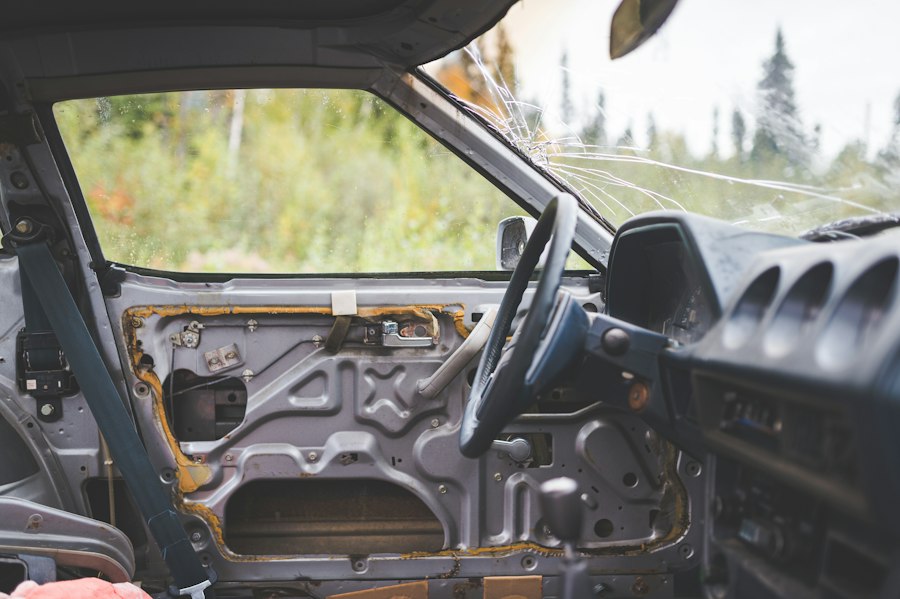
When your car window refuses to obey your command after an accident, it’s usually not a single, isolated issue. Think of it as a chain reaction. The impact, even if it doesn’t immediately manifest as visible damage, can disrupt the intricate network of wires, motors, and switches that control your windows. Understanding these potential culprits is the first step towards a resolution. Don’t assume the worst immediately; often, the problem is more straightforward than you might fear. We’ll explore the most common reasons your power window system has gone silent after a crash, from the obvious to the more insidious.
Electrical Connections Gone Astray
The most frequent offender after an accident is compromised electrical connections. Your car’s wiring harness is a complex web of wires designed to transmit signals and power throughout the vehicle. When your car experiences a jolt, these connections can loosen, become frayed, or even sever completely. Think of it like pulling a plug from a socket – the connection is broken, and the power can’t flow. This is especially true for components located near the impact zone. Even a subtle bend in a metal bracket could put stress on the wiring that runs through it, leading to a disconnection.
Loosened Connectors in Door Panels
Your car door is a hub of electrical activity. Inside the door panel, you’ll find the window motor, the switch assembly, and the wiring that connects them to the rest of the car’s electrical system. A moderate impact can easily cause the connectors to these components to jiggle loose. These connectors are often plastic clips that fit snugly together. A sudden jolt can overcome the friction holding them in place, causing them to separate. This can happen to the connector going directly to the window motor, the switch, or even further up the line in the main wiring harness.
Damaged Wires or Pinched Harnesses
Beyond just connectors, the wires themselves can suffer. The sheer force of impact can cause wires to be pinched between metal components, leading to a break in the electrical path. This might not always be an immediate, clean snap. Sometimes, the insulation can be damaged, exposing the copper wire, which can then corrode or short-circuit with another wire, interrupting the flow of electricity. If the impact was near a door hinge or a door frame, the wiring harness that passes through these areas is particularly susceptible to being crushed or torn.
The Faltering Motor: Power Window Motor Malfunctions
The power window motor is the workhorse that actually moves your window up and down. While designed to be robust, it’s not immune to the trauma of an accident. The shock of the impact can damage the internal workings of the motor or its electrical connections, rendering it useless. It’s like a small engine that’s been rattled too hard.
Internal Motor Damage from Impact
The motor contains delicate gears and electrical components. A significant jolt can cause these internal parts to misalign or even break. If the impact was directly to the door containing the window, the motor might have absorbed some of that force. This could lead to stripped gears, a seized motor, or damage to the electrical windings inside. In some cases, the motor might still hum or make a noise, but it won’t have the power or the correct mechanical engagement to move the glass.
Electrical Circuitry Within the Motor
Even if the mechanical parts of the motor are intact, the electrical circuitry that controls its operation can be affected. This circuitry might be sensitive to voltage spikes or sudden power surges that can occur during an accident. A damaged circuit board within the motor can prevent it from receiving the correct signals from the switch, or from operating in the intended direction.
The Switch Itself: Faulty or Damaged Window Switches
The window switch is your command center. It’s the button you press to tell the motor what to do. Like any electronic component, it can be damaged by a direct impact or by the secondary effects of a collision.
Cracked or Broken Switch Housing
The physical housing of the switch is often made of plastic. A direct hit or even a strong secondary impact can cause this housing to crack or break. While this might seem cosmetic, a fractured switch can compromise the internal electrical contacts, preventing them from making proper contact when you press the button.
Internal Electrical Failures in the Switch
Even if the switch housing looks perfectly fine, the internal components that make the electrical connections can fail. The delicate contacts within the switch can be jarred out of alignment or even damaged by the shock of the impact. This means that when you press the button, the electrical signal simply isn’t being sent to the motor. In some vehicles, the driver’s door has a master switch that controls all windows. If this master switch is damaged, it can affect multiple windows.
The Glass Mechanism: Regulator or Track Issues
While less directly an electrical component, the mechanism that actually holds and moves the glass – the window regulator and its tracks – can also be affected by an accident, and this can indirectly impact the electrical system’s ability to operate. If the mechanism is jammed or bent, the motor might be trying to push against resistance it can’t overcome, or the electrical load might trigger a safety mechanism.
Bent or Misaligned Regulator Arms
The window regulator is essentially a series of arms and gears that lift and lower the glass. A significant impact to the door can bend these arms, causing them to jam in the tracks. The window motor will then be trying to force the glass through a constricted or obstructed path.
Debris or Obstructions in the Tracks
Accidents can dislodge various parts of the car, and this debris can fall into the window tracks. Small pieces of plastic, metal, or even broken glass from other parts of the vehicle can find their way into the channels where your window slides. This obstruction will prevent smooth operation and can put undue stress on the motor and regulator.
Safety Systems and Fuses: Interrupted Power Supply
Modern vehicles have numerous safety systems, and sometimes a minor accident can trigger them, leading to unintended consequences for components like power windows. Additionally, fuses are designed to protect circuits, and an unusual surge of power can cause one to blow.
Blown Fuses Due to Power Surges
During an accident, electrical systems can experience temporary power surges or fluctuations. To protect sensitive components, a fuse in the power window circuit might blow. This is a deliberate action by the fuse to break the circuit and prevent damage. However, it also means that power is cut off to the window motor and switch.
Impact Sensors and Related Systems
Many cars have impact sensors that can deploy airbags or even cut off power to certain non-essential systems in the event of a collision. While power windows are generally not considered essential for immediate safety, it’s possible that a sensor could malfunction or that the system might interpret the impact in a way that temporarily disables window operation as a protective measure. This is less common but not impossible.
Troubleshooting Your Stubborn Window: A Step-by-Step Guide
Now that you have a better understanding of what might be going wrong, it’s time to put on your detective hat. Before you rush to a mechanic, there are several things you can do yourself to diagnose the problem. Safety first, always! Make sure your car is in park and the parking brake is engaged before you start poking around.
Checking the Simple Things First
Before you delve into the more complex possibilities, let’s rule out the most basic issues. These are often overlooked but can save you a lot of time and frustration.
Testing the Switch in Different Positions
Try operating the switch for the affected window multiple times. Sometimes, a slightly sticky contact can be freed up with repeated use. If you have a master switch on the driver’s door that controls all windows, try operating the affected window from there as well as from its individual door switch. If it works from one but not the other, it points towards a problem with either the individual switch or the wiring to it.
Verifying Fuse Integrity
This is a crucial step. Locate your car’s fuse box (usually under the dashboard or in the engine bay – consult your owner’s manual for the exact location). Find the fuse specifically designated for your power windows. It will often have a diagram on the fuse box cover or in your manual. Carefully remove the fuse and inspect it. A blown fuse will have a broken wire filament inside. If it looks blown, replace it with a new fuse of the exact same amperage. If the new fuse blows immediately, you have a short circuit that needs professional attention.
Accessing the Door Panel Components
If the simple checks don’t reveal the issue, you’ll likely need to investigate what’s happening inside the door panel. This is where things can get a bit more involved, and a basic understanding of car interiors is helpful.
Removing Interior Door Panels Safely
Consult your car’s owner’s manual or search online for specific instructions on how to remove your door panel. Generally, this involves locating and removing visible screws (often hidden behind trim pieces or under armrests), then carefully prying away plastic clips that hold the panel to the door frame. Be patient and use a plastic trim tool to avoid scratching or damaging the panel.
Inspecting Wiring Harnesses and Connectors
Once the door panel is off, you’ll have access to the window motor, switch wiring, and the main wiring harness that enters the door. Visually inspect all the connectors you can find. Gently tug on them to ensure they are seated firmly. Look for any signs of frayed wires, melted insulation, or obvious damage. Pay close attention to where the wiring harness passes through the door frame, as this is a common point of stress and potential damage.
Testing the Window Motor
With access to the motor, you can perform some basic tests to see if it’s receiving power and functioning correctly.
Applying Direct Power to the Motor (with caution)
This is a more advanced step and requires some electrical knowledge. If you’re comfortable, you can try to bypass the switch and apply a direct 12-volt power source to the motor terminals. This will tell you if the motor itself is functional. You’ll need jumper wires and a power source (like your car battery, but be extremely careful not to create short circuits). If you are not confident in your electrical abilities, do not attempt this step, as you could cause further damage or injure yourself.
Listening for Motor Operation
Even without direct power, you can sometimes tell if the motor is receiving a signal. With the ignition on and a helper pressing the window switch, listen for any faint whirring or clicking sounds from the motor area. This indicates that a signal is reaching it, even if it’s not strong enough to move the glass.
Checking the Window Switch and Regulator
If the motor seems to be getting power but isn’t working, the issue might lie with the switch or the mechanical regulator.
Testing the Window Switch for Continuity
Using a multimeter, you can test the window switch for continuity. This involves testing if the switch is completing the electrical circuit when pressed. Different pins on the switch will have continuity in different positions (up/down). Again, this requires some familiarity with multimeters and electrical diagrams.
Examining the Regulator and Tracks for Obstructions
With the door panel off and the glass potentially accessible, visually inspect the regulator arms and the tracks they slide in. Look for any bent metal, missing parts, or debris that might be jamming the mechanism. Try to manually move the glass (carefully!) to feel for any resistance that shouldn’t be there.
When to Call in the Professionals
Sometimes, no matter how much you try, the problem is beyond a simple DIY fix. Recognizing when to hand over the reins to an experienced mechanic is crucial to avoid further damage and unnecessary expense.
Complex Electrical Issues and Short Circuits
If you’ve blown multiple fuses, detected significant damage to wiring harnesses, or if your multimeter readings are confusing, it’s time to involve a professional. Diagnosing complex short circuits, especially those hidden within the vehicle’s main wiring loom, can be a time-consuming and intricate process that requires specialized tools and expertise.
Significant Mechanical Damage to the Regulator or Motor
If you’ve identified that the window regulator is bent or broken, or if the window motor appears to have suffered severe physical damage, it’s likely beyond your ability to repair it without specialized parts and tools. Replacing these components often involves disassembling more of the door mechanism, which can be tricky.
Uncertainty and Lack of Experience
Your car’s electrical system is a complex and integrated network. If you’re feeling unsure about any of the diagnostic steps, or if you don’t have the proper tools or experience, it’s always safer and more efficient to let a qualified mechanic handle it. They have the knowledge and equipment to quickly and accurately pinpoint the problem and perform the necessary repairs. Attempting repairs beyond your skill level can lead to more extensive damage, increased costs, and potentially voiding any remaining warranty on your vehicle.
If you’ve recently experienced a crash and found that your car window switch is not functioning properly, you may want to explore some troubleshooting tips to address the issue. A related article that discusses common electrical problems in vehicles can provide valuable insights into diagnosing and fixing such issues. You can read more about it in this informative piece on Freaky Science, which covers various automotive electrical concerns that may arise after an accident.
The Path to a Smoothly Operating Window Again
| Metric | Description | Typical Values / Notes |
|---|---|---|
| Common Causes | Reasons why the car window switch may stop working after a crash | Damaged wiring harness, blown fuse, broken switch, damaged window motor, misaligned window track |
| Fuse Rating | Typical fuse rating for car window circuit | 15A to 30A (varies by vehicle model) |
| Switch Voltage | Operating voltage for window switch circuit | 12V DC (car battery voltage) |
| Repair Time | Estimated time to diagnose and fix window switch issues after crash | 1 to 3 hours depending on damage severity |
| Replacement Cost | Typical cost range to replace a car window switch | 20 to 150 (parts only, varies by vehicle) |
| Diagnostic Steps | Common steps to troubleshoot window switch failure | Check fuse, test switch continuity, inspect wiring, test window motor, check for physical damage |
| Safety Concerns | Potential safety issues related to non-working window switch after crash | Inability to open window for emergency exit, water ingress, electrical short risk |
Getting your car window working again after an accident is often a process of elimination, starting with the simplest potential causes and working your way to the more complex. By understanding the various components involved and their potential vulnerabilities after an impact, you’re better equipped to diagnose the issue. Remember to prioritize safety, consult your owner’s manual, and don’t hesitate to seek professional help when the problem goes beyond your comfort level. A functioning power window isn’t just a convenience; it’s an integral part of your driving experience and can even play a role in your vehicle’s overall safety and comfort. With a little patience and the right approach, you can get that window sliding smoothly once more.

Your Car Window Can Keep You In—Even When You Need Out
FAQs
1. Why is my car window switch not working after a crash?
After a crash, the wiring or connections to the car window switch may have been damaged, causing it to malfunction. It is important to have a professional inspect the switch and wiring to determine the extent of the damage.
2. Can a car window switch be repaired after a crash?
In some cases, a car window switch can be repaired after a crash. If the switch itself is not damaged but the wiring or connections are, a professional may be able to repair or replace the damaged components to restore functionality.
3. What should I do if my car window switch is not working after a crash?
If your car window switch is not working after a crash, it is important to have it inspected by a qualified mechanic as soon as possible. They will be able to diagnose the issue and recommend the necessary repairs to get your window switch working again.
4. Is it safe to continue driving with a malfunctioning car window switch?
It is not recommended to continue driving with a malfunctioning car window switch after a crash. The window may get stuck in a certain position, posing a safety hazard in case of an emergency. It is best to have the switch repaired before driving the vehicle again.
5. How much does it cost to repair a car window switch after a crash?
The cost to repair a car window switch after a crash can vary depending on the extent of the damage and the specific components that need to be repaired or replaced. It is best to consult with a mechanic for an accurate estimate of the repair costs.