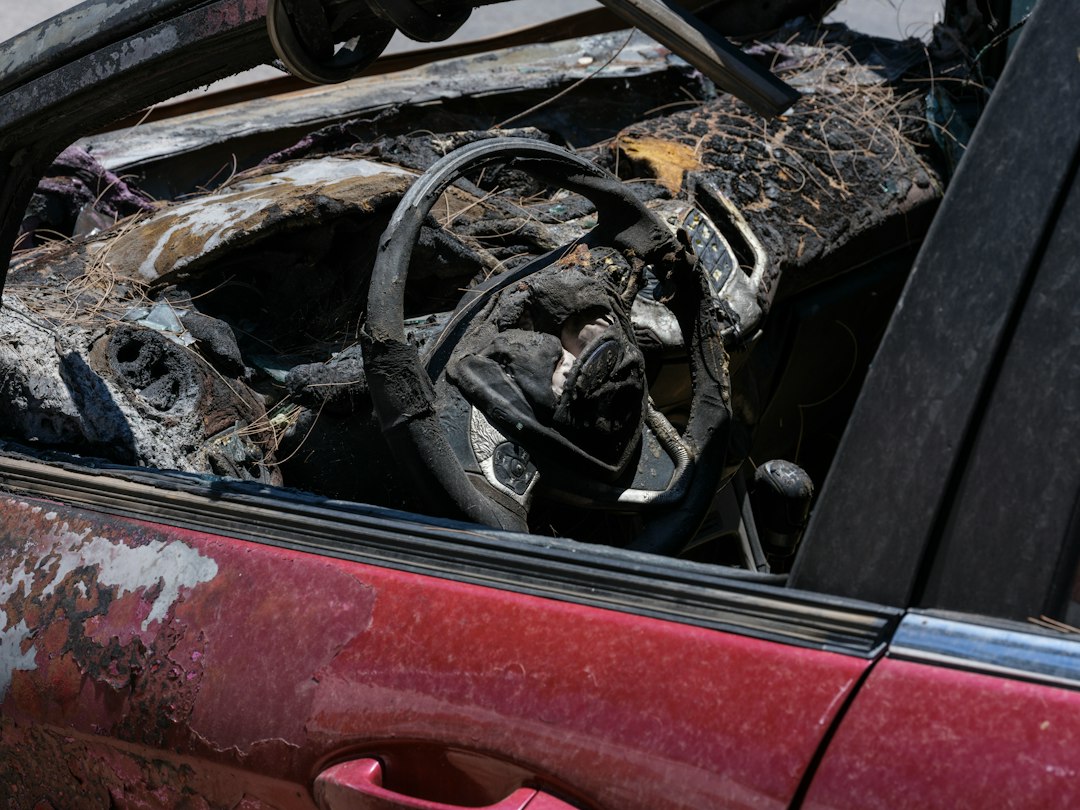
## Understanding the Immediate Impact on Your Electric Car Windows Post-Collision
You’ve just been in an accident, and your adrenaline is still pumping. Amidst the chaos and the assessment of more significant damages, you might notice something else isn’t quite right: your electric car windows. It’s a common, yet often overlooked, issue that can arise after a collision. These are not simple manual cranks; they are sophisticated electronic components, and a jolt to your vehicle’s system can easily disrupt their delicate balance.
The primary reason your electric windows might malfunction after a crash is the sudden and forceful impact your car experiences. This impact can transmit significant shockwaves through the vehicle’s chassis and electrical systems. Think of it like a lightning strike to a complex circuit board; even if the board itself isn’t physically broken, the surge of energy can scramble its delicate pathways. For your electric windows, this means that the motors that raise and lower them, the switches you use to control them, and the wiring that connects them all can be affected.
### The Role of Electrical System Shocks
Modern electric vehicles are particularly sensitive to electrical disruptions. Their systems are intricately connected, and a significant impact can cause temporary or permanent disconnections in crucial wiring harnesses. These harnesses are bundles of wires that carry signals and power throughout the car. A sudden jolt can loosen connectors, break wires internally (even if they appear intact externally), or even cause short circuits. When the power supply to the window motors is interrupted or becomes erratic, the windows will simply cease to function. It’s not just about the motor itself; it’s about the entire pathway of electricity that needs to flow smoothly to operate.
### Physical Damage to Window Mechanisms
Beyond the electrical implications, a crash can also cause direct physical damage to the window mechanisms. The doors of your car are designed to absorb some of the impact, and in doing so, they can deform. This deformation can put stress on the window tracks, causing them to bend or jam. If the window track is no longer perfectly aligned, the glass may struggle to move, leading to it getting stuck or refusing to operate. The motor itself might also be jarred, misaligning internal gears or damaging its housing. Even a seemingly minor fender bender can put enough pressure on a door panel to affect the window’s ability to glide smoothly.
### Safety Features and Their Response to Impact
It’s crucial to understand that your car’s safety systems are designed to activate during a collision. While these systems are vital for your well-being, their activation can sometimes have unintended consequences for other components. For instance, some vehicles have systems that might automatically attempt to retract or secure windows in the event of a severe impact. However, if these systems malfunction or if the impact is not severe enough to trigger a full safety response but still significant enough to cause minor electrical disruptions, you might find your windows unresponsive. The computer that controls these safety features might also send erroneous signals to the window control modules, leading to unexpected behavior or complete shutdown.
In the aftermath of a car crash, the functionality of electric car windows can be a critical safety concern. For more insights on this topic, you can read a related article that discusses the implications of electric window mechanisms in vehicles during emergencies. This article provides valuable information on how these systems operate and what drivers should know to ensure their safety. To learn more, visit this article.
## Assessing the Severity of Your Window Malfunction
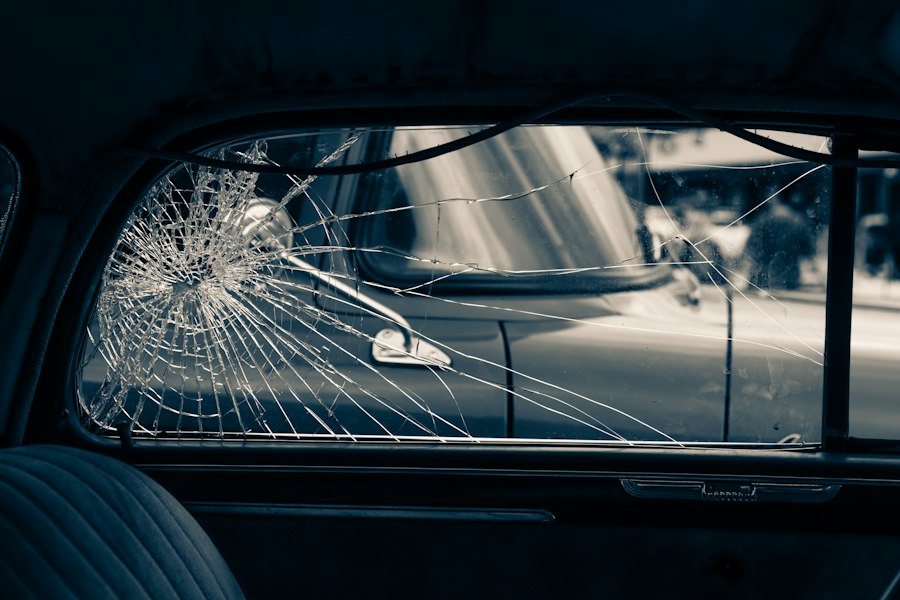
When you discover your electric car windows are not working after an accident, it’s important to resist the urge to immediately try and force them. This can exacerbate the problem. Instead, take a moment to calmly assess the situation. The nature of the malfunction can provide clues as to the underlying cause and what steps you might need to take next. Is it just one window, or all of them? Do they move at all, or are they completely unresponsive?
### Single Window vs. Multiple Window Issues
If only one window is malfunctioning, it might suggest a more localized issue. This could be a problem with that specific window’s motor, its wiring harness, or its track. The impact might have been concentrated on that particular door. On the other hand, if multiple windows, or all of them, have stopped working, this points towards a more systemic problem. It could indicate a broader electrical issue, such as a blown fuse that affects multiple circuits, a damaged main control module for the doors, or a general disruption to the car’s overall electrical power supply. This is why it’s important to check every window after an accident, even if you think the damage was minor.
### Signs of Power vs. Complete Unresponsiveness
Observe whether there’s any sign of life from the window switches. Do the lights on the switches illuminate? Do you hear any faint clicking or whirring sounds when you try to operate them? If you hear sounds but the window doesn’t move, it often indicates that the motor is receiving power but is either jammed, disconnected from the glass, or has internal mechanical failure. If there are no sounds and no lights on the switches, it suggests a loss of power to that circuit, which could be due to a blown fuse, a faulty switch, or a wiring problem further up the chain.
### Visible Damage to Door Panels and Seals
Take a close look at the door panels, particularly around the windows and their seals. Are there any visible cracks, dents, or signs of detachment? The rubber seals around your windows are designed to be snug. If these seals are dislodged, torn, or warped due to impact, they can create resistance that prevents the window from moving. Similarly, a dented door panel can press against the window track, impeding its movement. Sometimes, the damage might be so subtle that it’s not immediately obvious, but the stress on the system is enough to cause the malfunction.
## Troubleshooting Steps You Can Take Safely
Before you call for professional assistance, there are a few basic troubleshooting steps you can try yourself. It’s crucial to prioritize safety; if you’re unsure about any step, it’s always best to leave it to the experts. Remember, you are dealing with an electrical system that has been compromised by a crash, so proceed with caution.
### Checking Fuses and Relays
One of the most common causes of electrical component failure after a jolt is a blown fuse. Your car’s fuse box, typically located under the dashboard or in the engine bay, houses a variety of fuses that protect different electrical circuits. Consult your owner’s manual to locate the fuse(s) specifically related to your power windows. Carefully inspect each relevant fuse. If the metal filament inside the fuse is broken, it needs to be replaced with a fuse of the exact same amperage rating. While you’re there, you might also want to check any relevant relays, although these are usually less prone to failure from impact alone.
### Resetting Window Systems (If Applicable)
Many modern electric vehicles have a reset procedure for their window systems. This often involves a sequence of operations with the ignition and the window switches. Again, your owner’s manual is your best friend here. It will detail the specific reset procedure for your make and model. Typically, it involves turning the ignition to the “on” position, then fully lowering the affected window using the switch, and then holding the switch in the “up” position for a few seconds after the window has fully closed. Repeating this process a couple of times can sometimes recalibrate the window motor and its sensors, resolving minor glitches caused by the electrical jolt.
### Inspecting Accessible Wiring and Connectors
If you are comfortable with basic automotive inspection, you can carefully examine the wiring and connectors that are easily accessible. This might involve gently removing a door panel (again, consult your manual for guidance on this to avoid further damage). Look for any obvious signs of loose connections, frayed wires, or melted insulation. If you find a loose connector, try to gently push it back into place. However, do not attempt to force any connections or manipulate wires if you are not absolutely certain of what you are doing, as this could cause further damage or a dangerous short circuit.
## When to Seek Professional Automotive Repair
There comes a point where DIY troubleshooting is no longer advisable, and it’s time to entrust your vehicle to professionals. After a collision, the damage to your electric car windows could be more complex than a simple blown fuse or a loose connector. The intricate nature of modern automotive electronics, especially in electric vehicles, means that specialized knowledge and tools are often required for effective diagnosis and repair.
### Understanding the Complexity of EV Electrical Systems
Electric vehicles have significantly more complex electrical systems than their gasoline-powered counterparts. The high-voltage battery systems, regenerative braking, and advanced driver-assistance features all rely on a sophisticated network of sensors, control modules, and wiring. A collision can disrupt this delicate balance in ways that are not immediately apparent. The window control modules, for example, are integrated into the broader vehicle network. A fault in one area can cascade and affect others. Trying to repair these systems without the proper diagnostic equipment and understanding can lead to more extensive and costly damage.
### The Importance of Specialized Diagnostic Tools
Automotive repair shops, especially those specializing in electric vehicles, are equipped with advanced diagnostic tools. These tools can communicate directly with your car’s computer systems, reading error codes, monitoring sensor data, and pinpointing the exact source of the malfunction. For electric car windows, these tools can help determine if the issue lies with the motor, the switch, the control module, the wiring harness, or even a software glitch within the vehicle’s integrated systems. Without these tools, you’re essentially trying to fix a problem blindfolded.
### Ensuring Proper Reintegration with Safety Systems
Your electric car windows are not isolated components; they are integrated with various safety systems, such as the anti-pinch feature and the rollover protection systems. If your windows are not functioning correctly, it could be a symptom of a larger issue affecting these safety features. A qualified technician will ensure that any repairs are not only restoring window functionality but also properly reintegrating them with the vehicle’s overall safety network. Improper repairs could compromise these critical safety functions, leaving you vulnerable.
After a car crash, one of the concerns that often arises is the functionality of electric car windows. A recent article discusses how these windows can pose challenges during emergencies, particularly if they become inoperable due to electrical failure. For more insights on this topic, you can read the full article on electric car safety and window mechanisms at Freaky Science. Understanding these features can help drivers be better prepared for unexpected situations on the road.
## Preventing Future Malfunctions and Maintaining Your Vehicle
| Metric | Description | Typical Values / Notes |
|---|---|---|
| Window Auto-Reverse Activation Time | Time taken for the electric window to detect an obstruction and reverse after a crash | Within 0.5 seconds |
| Window Power Cut-off Response | Time to cut power to the window motor after crash detection | Instantaneous to 0.1 seconds |
| Window Glass Breakage Rate | Percentage of windows that break upon impact in a crash | Varies by crash severity; typically 10-30% |
| Window Retraction Distance Post-Crash | Distance the window retracts automatically after crash to allow emergency access | Typically 5-10 cm |
| Battery Power Availability Post-Crash | Percentage of battery power remaining to operate windows after crash | Depends on crash severity; often >50% immediately post-crash |
| Emergency Window Release Time | Time required for manual override or emergency release of electric window | Less than 10 seconds |
| Sensor Activation Accuracy | Accuracy of crash sensors in triggering window safety mechanisms | Above 95% |
While you can’t always prevent accidents, understanding how they can affect your electric car windows and taking proactive steps can help mitigate future issues and maintain your vehicle’s longevity. Regular maintenance and a mindful approach to driving can go a long way.
### Regular Vehicle Inspections and Maintenance
The best defense against unexpected malfunctions is a good offense. Regularly scheduled maintenance checks with a qualified mechanic can help identify potential issues before they become major problems. This includes having your vehicle’s electrical system inspected for any signs of wear, corrosion, or loose connections. A mechanic can also check the window tracks and seals for any signs of damage or wear that might not be obvious to the untrained eye. Keeping up with these routine inspections ensures that all components are functioning as they should.
### Driving Habits and Collision Avoidance
While this might seem obvious, cultivating safe driving habits is paramount in preventing vehicle damage altogether. Defensive driving, maintaining safe following distances, and avoiding distractions can significantly reduce your risk of being involved in an accident. Even minor fender benders can stress delicate components. By prioritizing road safety, you’re not only protecting yourself and others but also safeguarding the integrity of your vehicle’s complex systems, including your power windows.
### Post-Accident Procedures for Electrical Components
After any collision, no matter how minor it may seem, it’s wise to have a thorough inspection of your vehicle’s electrical components. Even if your windows appear to be working immediately after the impact, a latent issue could develop over time. Consider having a mechanic specifically check the power window systems as part of your post-accident assessment. This proactive approach can help catch potential problems early, saving you from more significant repairs and inconveniences down the line and ensuring that your electric car window system remains functional and reliable.
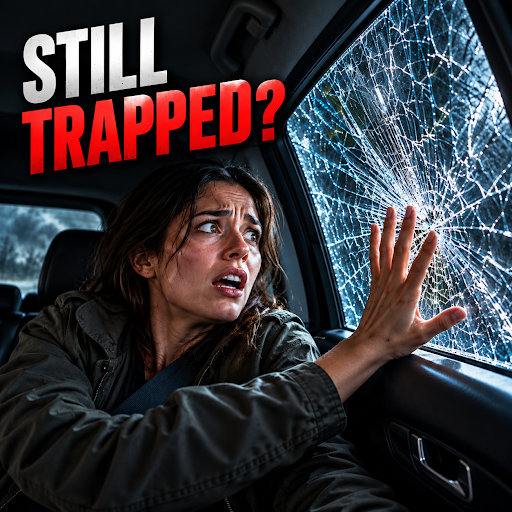
Your Car Window Can Keep You In—Even When You Need Out
FAQs
1. Can electric car windows still work after a crash?
It is possible for electric car windows to still work after a crash, depending on the extent of the damage. However, if the crash has caused significant damage to the window mechanism or wiring, the window may not function properly.
2. Is it safe to operate electric car windows after a crash?
It is not recommended to operate electric car windows after a crash, especially if there is visible damage to the window or surrounding areas. It is best to have the vehicle inspected by a professional to ensure safety.
3. What should I do if my electric car window is stuck after a crash?
If your electric car window is stuck after a crash, do not try to force it open or closed. Contact a professional mechanic or auto body shop to assess the damage and safely repair the window.
4. Can the electric window motor be damaged in a crash?
Yes, the electric window motor can be damaged in a crash if there is significant impact to the door or window area. It is important to have the motor inspected and repaired by a qualified technician.
5. How much does it cost to repair an electric car window after a crash?
The cost to repair an electric car window after a crash can vary depending on the extent of the damage and the specific parts that need to be replaced. It is recommended to get a professional assessment to determine the exact cost of repairs.