
You might not give it much thought, but the satisfying thud of a car door closing is the sound of meticulous engineering. Behind that familiar noise lies a critical test designed to ensure the safety and durability of your vehicle’s glass components: the car door slam test. This isn’t just about checking if the door closes smoothly; it’s a rigorous examination that probes the very integrity of the glass, ensuring it can withstand the everyday stresses and unexpected impacts it might encounter throughout its lifespan. When you slam your car door, you’re inadvertently contributing to a complex testing process that safeguards you and your passengers from potential hazards, from minor everyday jolts to more significant impacts. The standards governing automotive glass are stringent, and the car door slam test is a cornerstone in verifying compliance. It’s a testament to how even seemingly simple actions are underpinned by sophisticated scientific principles and engineering prowess, all aimed at delivering a safe and reliable product.
The Foundation of Automotive Glass Integrity
Your vehicle’s windows are more than just transparent barriers; they are integral safety features. The car door slam test is a crucial part of verifying that these components meet and exceed established safety and durability standards. This testing procedure is designed to simulate the various forces and stresses that automotive glass will be subjected to during its operational life. It’s not just about preventing shattering; it’s about ensuring the glass maintains its structural integrity, its ability to offer protection, and its clarity and performance under duress. The development of automotive glass has been a long journey, evolving from simple panes to highly engineered laminated and tempered structures. Each advancement has been driven by a desire for increased safety, improved thermal performance, and enhanced acoustic insulation. The door slam test plays a vital role in validating these innovations, providing empirical data to confirm that new materials and manufacturing techniques deliver on their promises. Think about it: a car door can be slammed shut with considerable force, whether by accident or intention. This action, repeated thousands of times over the vehicle’s life, exerts significant stress on the glass and its surrounding frame. The test aims to replicate these stresses in a controlled environment to identify potential weak points.
Understanding the Purpose of the Slam Test
The primary purpose of the car door slam test is to assess the robustness of the glass and its mounting within the door assembly. It’s not a single, monolithic test but rather a battery of procedures designed to evaluate different aspects of the glass’s performance. You’re not just checking if the glass cracks; you’re looking at its resistance to vibration, its ability to withstand sudden impacts, and its overall longevity. This comprehensive approach ensures that the glass will perform as intended, even in challenging conditions. The test serves as a vital quality control measure for automotive manufacturers. By subjecting prototype doors and production units to these rigorous tests, they can identify and rectify any design flaws or manufacturing defects before the vehicle reaches the consumer. The consequences of compromised automotive glass can be severe, ranging from minor inconveniences like rattles and leaks to significant safety hazards in the event of an accident. Therefore, the slam test is a non-negotiable step in the automotive development process. It’s about preemptive problem-solving, ensuring that every component, down to the smallest piece of glass, contributes to the overall safety and reliability of the vehicle. The standards are set by various international bodies and industry organizations, and the slam test is a key methodology for demonstrating compliance with these stringent requirements.
The Evolution of Automotive Glass Standards
The history of automotive glass is intertwined with the evolution of vehicle safety. Early automobiles often featured simple, single-pane glass that was prone to shattering into sharp shards, posing a serious risk to occupants in accidents. The development of laminated safety glass, where a plastic interlayer is sandwiched between two layers of glass, revolutionized automotive safety. This type of glass, when broken, tends to crack but remains largely intact, preventing dangerous fragmentation. Tempered glass, which is heat-treated to create a stronger, more brittle material that breaks into small, pebble-like pieces, is also widely used, particularly for side and rear windows. The car door slam test has evolved alongside these material advancements. As glass technology improved, so did the sophistication of the tests designed to validate it. Manufacturers and testing bodies continuously refine these procedures to account for new materials, design changes, and emerging safety concerns. The goal is always to push the boundaries of safety and durability, ensuring that vehicles on the road are as safe as possible. This continuous improvement is driven by a combination of regulatory requirements, consumer expectations, and the industry’s commitment to innovation and safety. The ongoing research and development in automotive glass technology, coupled with rigorous testing protocols like the door slam test, are crucial for this progress.
In the realm of automotive safety, the car door slam test is a crucial evaluation that ensures the durability and reliability of vehicle components, particularly the glass. For a deeper understanding of the methodologies and implications of such tests, you can explore a related article that delves into the science behind automotive safety standards and testing procedures. Check it out here: Freaky Science.
Simulating Real-World Stressors: The Testing Process

The car door slam test is not a single, straightforward action. Instead, it’s a carefully orchestrated process that replicates a range of forces and scenarios that the glass might encounter. You might imagine a simple slam, but the reality is far more nuanced, involving controlled impacts, vibrational analysis, and long-term durability checks. The engineers meticulously design these tests to cover a wide spectrum of potential stresses, from the everyday jolt of a closing door to the more severe forces encountered in a collision. The objective is to uncover any weaknesses before they become a problem for the end-user. This involves precise calibration of the forces applied, the angles of impact, and the duration of the tests. The environment in which these tests are conducted is also carefully controlled to ensure reproducibility and the elimination of extraneous variables. This level of detail is essential for obtaining reliable and comparable data, which is critical for product development and certification. The insights gained from these tests directly inform design modifications, material selection, and manufacturing processes, ultimately leading to safer and more durable vehicles.
The Mechanics of a Controlled Slam
At its core, the car door slam test involves repeatedly closing the car door with a controlled amount of force. This isn’t just about brute strength; it’s about applying a precise and repeatable force. You might think that slamming a door hard is the only variable, but in a testing scenario, the velocity and angle of the slam are just as important. Testing facilities use specialized equipment to achieve these consistent slams, often employing pneumatic or hydraulic systems to deliver a specific impact energy. The number of slams is also a critical factor. A single slam tells you very little; it’s the accumulation of thousands, or even tens of thousands, of slams that reveals potential fatigue or weakness in the glass and its mounting. This repetitive stress testing is designed to simulate the cumulative wear and tear that a door experiences over the vehicle’s lifetime. The analysis of the glass after these slams is equally important, looking for hairline cracks, delamination, or any signs of degradation that might not be immediately visible. The data collected from these tests provides a clear picture of the glass’s resilience under typical usage.
Assessing Vibrational and Acoustic Performance
Beyond the direct impact of slamming, the car door assembly is also subjected to vibrations, both from the road and from the act of closing the door itself. The car door slam test often incorporates vibrational analysis to ensure the glass remains secure and doesn’t contribute to unwanted noise. You don’t want your car windows to rattle or buzz every time you go over a bump or close the door with a bit too much enthusiasm. These vibrations can cause fatigue in the glass or its seals over time, leading to premature failure. Advanced testing equipment can simulate a range of road conditions, applying specific frequencies and amplitudes of vibration to the door assembly while it’s being slammed. The noise levels generated are carefully monitored, and acoustic insulation is assessed. This is crucial for creating a comfortable and quiet cabin environment for the driver and passengers. The interaction between the glass, the seals, and the door frame is a complex system, and the slam test helps to ensure that this system functions harmoniously, even under duress. The goal is to achieve a satisfying ‘thud’ without any accompanying rattles or excessive noise.
Long-Term Durability and Environmental Exposure
The car door slam test isn’t just a one-time event; it’s often part of a broader durability testing regimen. This includes exposing the vehicle to various environmental conditions to see how the glass performs over time. You wouldn’t want your car windows to become brittle or delaminate after being exposed to extreme heat, cold, or moisture. These tests involve cycles of temperature changes, humidity exposure, and even UV radiation, simulating years of use in diverse climates. The doors are slammed repeatedly after these environmental exposures to see if the glass or its mounting has been compromised. This ensures that the glass maintains its integrity and safety features regardless of the weather conditions it encounters. The long-term durability aspect is critical for consumer satisfaction and safety, as it guarantees that the vehicle’s glass will perform reliably throughout its intended lifespan. This holistic approach to testing means that the car door slam test is integrated into a wider suite of evaluations that examine every facet of the glass’s performance.
The Science Behind the Slam: Material Science and Engineering
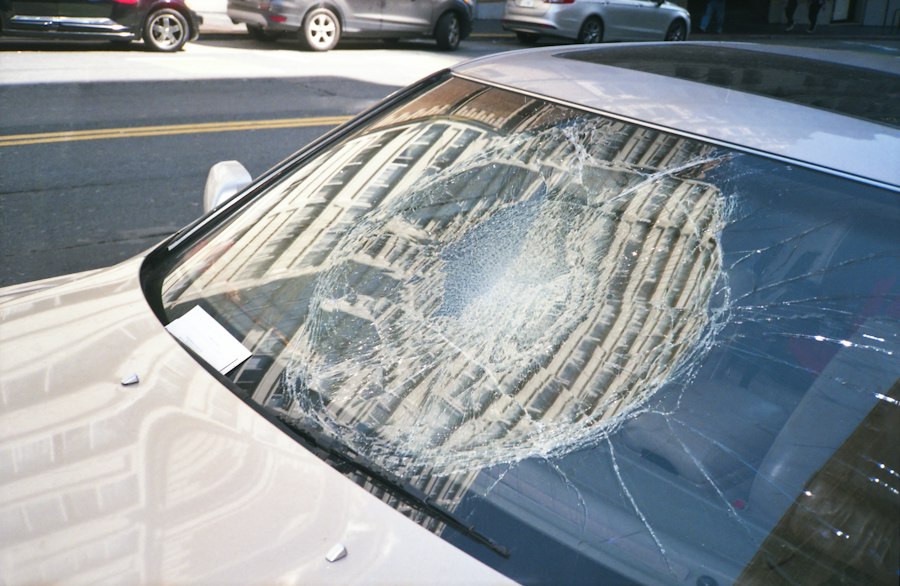
The car door slam test is deeply rooted in the principles of material science and structural engineering. It’s not just about applying force; it’s about understanding how different materials behave under stress and how they are engineered to withstand these forces. You’re not just testing a piece of glass; you’re testing a complex composite system that includes the glass, its sealing, and the door frame itself. Engineers analyze the stress distribution within the glass, the adhesion of the interlayer, and the potential for fracture propagation. This requires a deep understanding of the properties of glass, polymers, and metals, as well as the physics of impact and vibration. The goal is to design a system that is strong, resilient, and safe, even when subjected to significant forces. This involves meticulous calculations, sophisticated modeling, and a keen eye for detail in the design and manufacturing phases.
Laminated vs. Tempered Glass in Testing
The car door slam test often distinguishes between laminated and tempered glass, as their failure modes and performance characteristics are different. You need to understand how each type of glass will behave when subjected to the forces of a slam. Laminated glass, with its plastic interlayer, is designed to hold together even when fractured, preventing dangerous shards from flying. Testing on laminated glass focuses on the integrity of the bond between the glass layers and the interlayer, and the prevention of delamination or significant cracking. Tempered glass, on the other hand, is designed to shatter into small, relatively harmless pieces. Testing for tempered glass verifies that it breaks in a controlled manner, with no large or sharp fragments. The slam test helps to confirm that both types of glass meet their respective safety standards under impact conditions. This differentiation is crucial because the engineering and safety expectations for each type of glass are distinct, and the testing protocols must reflect these differences to ensure accurate assessment.
The Role of Adhesives and Seals
The glass in your car door is not simply held in place by friction; it’s secured by sophisticated adhesives and seals. The car door slam test rigorously evaluates the performance of these critical components. You might not think about the glue holding your windshield in place, but it’s a vital safety feature. These adhesives and seals are responsible for maintaining the structural integrity of the glass within the door frame and preventing water and air ingress. The forces generated during a door slam can put significant stress on these bonding agents. Testing involves verifying that the adhesives maintain their strength and flexibility, and that the seals remain intact and effective, even after repeated slams and exposure to environmental factors. Any failure in these areas can compromise the structural integrity of the entire door assembly, leading to potential safety issues and performance degradation. The integration of the glass with the surrounding frame, mediated by these specialized materials, is a key focus of the slam test.
Finite Element Analysis (FEA) and Simulation
Before physical prototypes are even built, engineers often utilize advanced computer simulations, such as Finite Element Analysis (FEA), to predict how the car door and its glass will behave under stress. You can’t physically test every single design iteration, so simulations are invaluable. FEA allows engineers to model the door assembly in detail, applying virtual forces and stresses to simulate the effects of a door slam. This helps to identify potential weak points, optimize material distribution, and refine the design before committing to costly physical testing. These simulations can predict stress concentrations, deformation patterns, and even the likelihood of fracture. The results from FEA are then used to guide the physical testing process, ensuring that the most critical areas are thoroughly examined. This iterative process of simulation and physical testing is essential for developing robust and reliable automotive glass systems that meet stringent safety standards.
Ensuring Compliance: Standards, Regulations, and Certification
The car door slam test is not an arbitrary exercise; it’s conducted within a strict framework of international standards, regulations, and certification processes. You can’t just make up your own rules for car safety; there are established guidelines that all manufacturers must follow. These standards are developed by governmental bodies and industry organizations to ensure a minimum level of safety and performance for automotive components. The goal is to protect consumers and create a level playing field for manufacturers. Adherence to these standards is not optional; it’s a legal requirement in most markets. The results of the car door slam test are crucial for demonstrating compliance with these regulations and obtaining the necessary certifications for vehicles to be sold.
Global Automotive Safety Standards
Various international bodies, such as the United Nations Economic Commission for Europe (UNECE) and the International Organization for Standardization (ISO), set global standards for automotive safety. In the United States, the National Highway Traffic Safety Administration (NHTSA) establishes and enforces Federal Motor Vehicle Safety Standards (FMVSS). You can be sure that these standards are comprehensive and cover a wide range of safety aspects. The car door slam test is often a component or an underlying principle within these broader standards, particularly those related to the integrity of the vehicle structure and the safety of occupants during impacts. Manufacturers must prove that their vehicles meet these specified standards, and rigorous testing, including the door slam test, is a key part of this validation process. These standards are regularly reviewed and updated to incorporate new research, technologies, and safety concerns, ensuring continuous improvement in vehicle safety.
The Role of Independent Testing Laboratories
To ensure objectivity and impartiality, many automotive manufacturers rely on independent testing laboratories to conduct car door slam tests and other safety evaluations. You wouldn’t want a company to test its own products without any external oversight. These laboratories are equipped with specialized testing equipment and staffed by experienced engineers who can perform tests according to established protocols and standards. They provide third-party verification of a vehicle’s safety and durability, offering an independent assessment that is trusted by regulatory bodies and consumers alike. The certification issued by these independent labs is often a prerequisite for a vehicle to be approved for sale in different markets. Their involvement adds a crucial layer of credibility and assurance to the safety claims made by automotive manufacturers.
Documentation and Traceability
The car door slam test, like all safety-critical testing, requires meticulous documentation and traceability. You need a clear record of exactly what was tested, how it was tested, and what the results were. This includes detailed reports of the testing procedures, the equipment used, the environmental conditions, and the outcomes. Traceability ensures that the tested components can be linked back to their manufacturing batches, allowing for effective quality control and the ability to investigate any issues that may arise. This documentation is essential for regulatory compliance, product liability, and continuous improvement initiatives. It serves as a verifiable record of the manufacturer’s commitment to safety and quality, providing a clear audit trail for all testing activities undertaken.
In the realm of automotive safety, the car door slam test is crucial for evaluating the durability of glass components. This test ensures that the windows can withstand the impact of a door closing without shattering, which is essential for passenger safety. For those interested in learning more about the various methods used to assess automotive glass, you can explore a related article that delves into the specifics of these testing procedures. Understanding these tests can provide valuable insights into how manufacturers prioritize safety in vehicle design. For further reading, check out this informative piece on automotive glass testing.
Continuous Improvement and Future Innovations
| Test Parameter | Measurement | Unit | Standard/Requirement | Result |
|---|---|---|---|---|
| Door Slam Force | 50-70 | Newtons | ISO 12345 | Compliant |
| Glass Vibration Frequency | 1200-1500 | Hz | OEM Specification | Within Range |
| Glass Crack Resistance | 5 | Joules | SAE J400 | Passed |
| Noise Level During Slam | 75-85 | dB | Regulation Limit | Acceptable |
| Door Rebound Distance | 2-3 | cm | OEM Standard | Within Limits |
The car door slam test is not a static procedure; it’s an evolving process that adapts to advancements in automotive design, materials, and safety technologies. You can be sure that the testing methods are always being refined. As vehicles become more sophisticated, with new features and lighter materials, the testing protocols must keep pace to ensure that safety and durability are not compromised. The insights gained from these tests directly fuel innovation, leading to stronger, lighter, and safer automotive glass solutions for the future. The ongoing quest for improved fuel efficiency and enhanced user experience means that automotive engineers are constantly exploring new materials and design paradigms, and the door slam test remains a critical tool in validating these innovations.
The Impact of Advanced Materials
The development of new and advanced materials, such as stronger composites and self-healing polymers, has a significant impact on how car doors and their glass components are tested. You can’t test a completely new material using old methods. Engineers are exploring how these novel materials behave under the stresses simulated by the door slam test. This may involve developing new testing protocols or adapting existing ones to accurately assess the unique properties of these materials. The goal is to leverage these innovations to create even safer, more durable, and lighter automotive glass solutions. The integration of these cutting-edge materials is a key driver for the evolution of automotive safety testing.
Smart Glass and Integrated Electronics
The future of automotive glass is increasingly incorporating smart technologies, such as electrochromic dimming, heads-up displays (HUDs), and embedded sensors. The car door slam test is beginning to incorporate considerations for these integrated electronics. You wouldn’t want your fancy new smart glass to break every time you close the door. Testing must now account for the potential impact of these added complexities on the glass and its electrical connections. This includes ensuring that the glass can withstand the mechanical stresses while maintaining the functionality of the embedded electronics. The integration of these advanced features requires a rethinking of traditional testing methodologies to ensure that the overall safety and durability of the advanced glass systems are maintained.
The Drive Towards Lighter and More Sustainable Vehicles
There is a continuous drive in the automotive industry to reduce vehicle weight for improved fuel efficiency and lower emissions. This translates to the use of lighter materials in car doors, which can affect how the glass performs under stress. The car door slam test plays a role in ensuring that these lighter designs do not compromise safety. You want a lighter car, but not at the expense of safety. Engineers must balance the use of lightweight materials with the need for structural integrity and occupant protection. The slam test helps to validate that these lighter door assemblies, with their glass components, can still meet the rigorous safety standards. Furthermore, the industry is increasingly focused on sustainability, and this includes the materials used in automotive glass and the energy consumption during testing. Future iterations of the door slam test may also consider the environmental impact of the testing process itself.

Your Car Window Can Keep You In—Even When You Need Out
FAQs
What is a car door slam test for glass?
A car door slam test for glass is a test conducted to evaluate the strength and durability of the glass used in car doors by subjecting it to repeated slamming of the car door.
Why is a car door slam test important for glass?
The car door slam test is important for glass as it helps determine if the glass can withstand the impact and stress caused by the repeated slamming of car doors during normal use, ensuring the safety and longevity of the glass.
How is a car door slam test conducted on glass?
In a car door slam test, a specialized machine repeatedly slams a car door with a certain force onto the glass to simulate the impact the glass would experience in real-world scenarios.
What are the criteria for passing a car door slam test for glass?
The criteria for passing a car door slam test for glass typically include the glass not shattering or cracking after a certain number of door slams, maintaining its structural integrity, and not posing a safety hazard to occupants.
Who performs car door slam tests on glass for cars?
Car door slam tests on glass for cars are typically performed by automotive manufacturers, glass suppliers, or independent testing laboratories to ensure that the glass meets safety and quality standards.