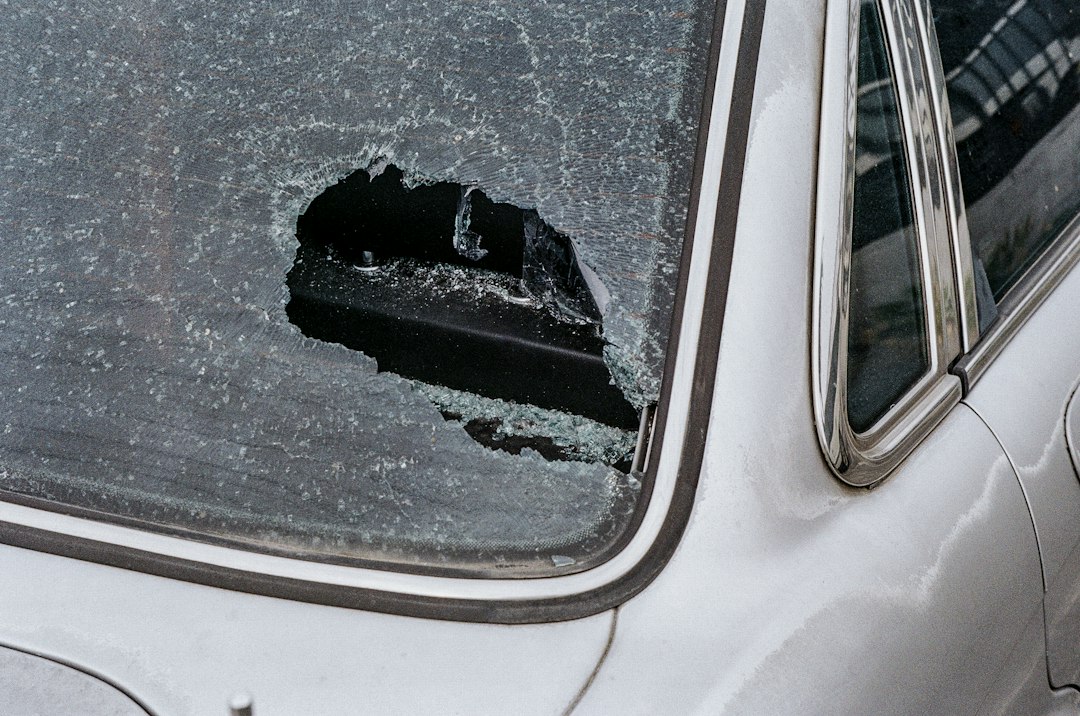
Understanding the Strength: What is Semi-Toughened Glass?
You might not think about your car windows much beyond their ability to let you see the road and keep the elements out. However, the glass that protects you has undergone significant engineering advancements. One such advancement is the use of semi-toughened glass, often referred to as heat-strengthened glass, in automotive applications. Unlike the fully tempered glass found in side and rear windows, or the laminated glass used for windshields, semi-toughened glass offers a unique balance of strength and fracture behavior, contributing significantly to your vehicle’s overall safety.
To truly appreciate the benefits, it’s crucial to understand what makes semi-toughened glass distinct. The process involves heating standard float glass to a temperature just below its softening point. Then, controlled cooling is applied, typically with jets of air. This controlled cooling process creates a specific stress profile within the glass. The surfaces are placed under compression, while the interior of the glass is under tension. This internal stress distribution is the key to its enhanced properties. It’s not as intensely stressed as fully tempered glass, which is why it doesn’t shatter into tiny, pebble-like pieces. Instead, it’s designed to break into larger, more manageable shards. Think of it as a middle ground between ordinary annealed glass, which breaks into dangerous, sharp fragments, and fully tempered glass, which is designed for rapid and safe disintegration. This controlled fracture pattern is precisely what makes it a valuable component in automotive safety systems, particularly for applications where a complete disintegration of the glass is not the primary safety objective, but rather a reduction in the hazard posed by broken glass.
The Manufacturing Nuances
The manufacturing of semi-toughened glass is a precise art. It begins with high-quality float glass, the same foundational material used for most glass products. The critical step is the controlled heating and cooling cycle. The glass is carefully heated in a furnace to a specific temperature, usually around 600-700 degrees Celsius. This temperature is high enough to induce internal stresses but not so high that it leads to distortion or complete softening that would alter the glass’s optical clarity or shape.
Once the glass reaches the desired temperature, it’s rapidly cooled. This cooling process is what creates the unique stress distribution. The rapid cooling of the surface causes it to contract and solidify first, while the interior remains hotter and continues to contract at a slower rate. This differential cooling creates compressive stress on the outer surfaces and tensile stress in the core. The degree of compression and tension is carefully controlled by the cooling rate and the temperature differential. This deliberate engineering of internal stresses is what imbues semi-toughened glass with its enhanced durability and safety characteristics. It’s a process that requires meticulous monitoring of temperature, airflow, and time to achieve the desired outcome, ensuring the glass meets stringent safety standards.
Distinguishing from Other Glass Types
Understanding semi-toughened glass necessitates differentiating it from its counterparts in the automotive world. Your windshield, for instance, is almost always made from laminated glass. This consists of two layers of glass with a plastic interlayer, typically polyvinyl butyral (PVB), sandwiched between them. When laminated glass breaks, the shards adhere to the plastic interlayer, preventing them from scattering and significantly reducing the risk of injury. This is crucial for a windshield, as it needs to maintain its structural integrity to a certain extent to prevent occupants from being ejected and to support airbags.
Fully tempered glass, on the other hand, is what you’ll typically find in your car’s side and rear windows. It undergoes a more intense heating and rapid cooling process than semi-toughened glass. This results in a much higher level of internal stress, causing it to shatter into thousands of small, relatively blunt fragments when broken. The intention here is to minimize the risk of severe cuts. The small size and rounded edges of the fragments make them far less dangerous than the sharp, jagged pieces of ordinary glass.
Semi-toughened glass, therefore, occupies a middle ground. It’s significantly stronger than standard annealed glass and will not shatter into dangerous shards. However, it’s not designed to break into the tiny, pebble-like pieces of fully tempered glass. Instead, it breaks into larger, thicker fragments that are still less hazardous than annealed glass but may be more likely to cause minor cuts compared to tempered glass. This specific fracture behavior is chosen for particular applications where a balance between strength, cost, and fracture characteristics is optimal.
Semi-toughened glass car windows offer a unique combination of safety and clarity, making them an essential feature in modern vehicles. For those interested in learning more about the benefits and applications of this type of glass, a related article can be found at Freaky Science. This resource delves into the properties of semi-toughened glass and its role in enhancing vehicle safety and performance.
Enhanced Impact Resistance: A Bulwark Against the Unexpected

One of the most significant benefits of semi-toughened glass in your vehicle is its enhanced resistance to impacts. Life on the road is unpredictable, and you never know when a stone might be kicked up by another vehicle, or when your car might experience a minor collision. Semi-toughened glass is engineered to withstand these everyday stresses with greater resilience than ordinary glass.
The internal compressive stress on the surface layers acts as a protective barrier. When an impact occurs, this compressive stress must be overcome before the glass begins to fracture. This requires a greater force than would be needed to break standard annealed glass. Think of it like trying to crack a tough outer shell; you need to apply more pressure to get through it. This increased resistance means that your windows are less likely to crack or break from minor impacts, saving you the inconvenience and cost of repairs.
Deflecting Minor Projectiles
The ability of semi-toughened glass to resist minor projectiles is a direct consequence of its strengthened surface. Small stones, grit, or even hail can strike your car windows with considerable force. Standard glass might crack or pit under such impacts, leading to gradual degradation and eventual failure. Semi-toughened glass, however, is much better equipped to absorb and deflect these impacts.
The compressive stress on the surface effectively “heals” or absorbs some of the impact energy. Instead of transferring the full force directly into the glass structure, a portion of that energy is dissipated by the stressed surface. This doesn’t mean the glass is indestructible, but it significantly raises the threshold for damage. For you, the driver, this translates to a more durable vehicle and a reduced likelihood of dealing with cracked or shattered windows due to common road hazards. It’s a subtle but important layer of protection that contributes to your peace of mind.
Resisting Thermal Stress
Beyond physical impacts, your car’s windows are also subjected to thermal stresses. Rapid changes in temperature, such as parking in direct sunlight on a hot day and then encountering a sudden downpour, or the extreme cold of winter, can cause glass to expand and contract. This expansion and contraction creates internal stresses, and if these stresses are too great, the glass can fracture.
Semi-toughened glass, with its inherent compressive surface stress, is more resistant to these thermal stresses. The compressive layer helps to absorb and distribute the thermal expansion and contraction forces, preventing them from accumulating to a point where they could cause the glass to break. This is particularly important in regions with extreme temperature fluctuations. You can feel more confident knowing that your windows are better prepared to handle the rigors of changing weather conditions without compromising your safety.
Fracture Behavior: A Safer Break
While enhanced impact resistance is crucial, the way glass breaks is equally important for vehicle safety. This is where the specific fracture behavior of semi-toughened glass truly shines, offering a distinct advantage over ordinary glass. The goal in automotive safety glass is to minimize injury during a collision or accident, and semi-toughened glass achieves this through its predictable and less hazardous breaking pattern.
Unlike annealed glass, which shatters into long, sharp, and dangerous splinters, semi-toughened glass is designed to break into larger, thicker, and relatively duller fragments. This is a direct result of the controlled stress distribution created during its manufacturing. When the stress threshold is exceeded, the glass fractures, but the internal tension and surface compression dictate the size and shape of the resulting pieces.
Reducing the Danger of Shards
The primary safety benefit of how semi-toughened glass breaks lies in the dramatic reduction of dangerously sharp shards. When ordinary glass breaks, it creates razor-sharp fragments that can cause severe lacerations. These fragments can be propelled with considerable force, posing a significant threat to occupants.
Semi-toughened glass, however, breaks into pieces that are still glass, but their edges are less acute. Imagine the difference between a broken drinking glass and a broken ceramic plate; the latter, while still glass, tends to break into more irregular, less needle-like pieces. This means that in the unfortunate event of a window breakage, the risk of severe cuts and deep lacerations to you and your passengers is significantly reduced. This makes emergency egress or rescue operations safer and less traumatic.
Controlled Fragmentation for Egress
In emergency situations, the ability to exit a vehicle quickly and safely is paramount. The controlled fragmentation of semi-toughened glass aids in this process. While it doesn’t disintegrate into tiny pieces like tempered glass, its breaking pattern is still conducive to creating an opening without the immediate hazard of a widespread shower of needle-sharp fragments.
If a side or rear window needs to be broken for emergency egress, semi-toughened glass will fracture in a way that allows for more controlled breakage. This means you or a rescuer can create a larger, more manageable opening more safely. The larger, blunter pieces are less likely to cause immediate incapacitation, allowing for a more effective escape. This is a critical consideration for emergency preparedness and the design of safety features in modern vehicles.
Cost-Effectiveness and Durability: A Smart Investment
Beyond its direct safety attributes, semi-toughened glass also presents a compelling case for its use based on cost-effectiveness and long-term durability. For vehicle manufacturers, this translates into offering a robust product without an exorbitant price tag. For you, the vehicle owner, it means a more resilient and potentially less expensive component that contributes to the overall value and longevity of your car.
The manufacturing process for semi-toughened glass is more complex and energy-intensive than for annealed glass, but it is generally less so than for fully tempered glass. This means that the cost of producing semi-toughened glass is somewhere in the middle. However, this slightly higher initial cost is often offset by its enhanced durability and the reduced likelihood of needing replacements due to minor damage.
A Balance of Performance and Price
The automotive industry is constantly seeking to balance performance with affordability. Semi-toughened glass offers a sweet spot in this regard. It provides a significant upgrade in impact resistance and safety compared to basic annealed glass, but without the higher manufacturing costs associated with fully tempered glass. This allows manufacturers to equip vehicles with safer windows without dramatically increasing the retail price.
For you, this means that the windows on your vehicle are likely to be more resilient to the everyday wear and tear of driving. You’re less likely to face costly repairs or replacements for minor chips or cracks that could have easily compromised standard glass. It’s a practical benefit that contributes to the overall ownership experience of your vehicle.
Longevity and Reduced Maintenance
The enhanced durability of semi-toughened glass directly translates to a longer lifespan for your car’s windows. The increased resistance to impacts and thermal stress means that the glass is less prone to premature degradation. This means fewer trips to the auto glass repair shop and less downtime for your vehicle.
Consider the cumulative effect over the years. A window that is less likely to pit from road debris, crack from temperature swings, or break from minor bumps will maintain its optical clarity and structural integrity for longer. This not only saves you money on repairs but also contributes to the overall aesthetic and resale value of your vehicle. It’s a smart investment in the long-term well-being of your car.
Semi toughened glass car windows offer a balance between safety and clarity, making them a popular choice in modern automotive design. For those interested in understanding the various types of glass used in vehicles and their unique properties, a related article can provide valuable insights. You can explore more about this topic in detail by visiting this informative article, which delves into the advantages and applications of different glass types in the automotive industry.
Applications Beyond the Obvious: Where You’ll Find It
| Property | Value | Unit | Description |
|---|---|---|---|
| Thickness | 3-6 | mm | Common thickness range for semi-toughened car windows |
| Impact Resistance | Moderate | – | Higher than annealed glass but lower than fully tempered glass |
| Thermal Resistance | Up to 200 | °C | Maximum temperature semi-toughened glass can withstand without damage |
| Fragmentation Pattern | Large shards | – | Breaks into larger pieces compared to fully toughened glass |
| Flexural Strength | 70-90 | MPa | Strength under bending stress |
| Usage | Side and rear windows | – | Typical application in vehicles |
| Manufacturing Process | Partial heat treatment | – | Glass is heated and cooled to increase strength but not fully tempered |
While you might not immediately associate semi-toughened glass with specific parts of your car, its unique properties make it suitable for a range of applications where a balance of strength, controlled fracture, and cost-effectiveness is desired. It’s not the ubiquitous windshield glass, nor is it the finely shattered side window glass, but it plays a vital role in areas where its particular strengths are most beneficial.
Its use is often dictated by specific safety regulations and performance requirements for different vehicle components. Understanding where it’s employed can give you a clearer picture of its contribution to your overall vehicle safety.
Specific Vehicle Components Benefiting from Semi-Toughened Glass
You’ll often find semi-toughened glass used in applications where it needs to withstand moderate impacts and prevent the formation of dangerous shards, but where full tempering might be overkill or not the ideal fracture behavior. One common area is in certain types of sunroofs and panoramic glass roofs. While some might be laminated for maximum safety, others, particularly those with specific designs or within certain vehicle classes, might utilize semi-toughened glass. This provides a stronger barrier against environmental elements and minor impacts while offering a safer breakage pattern than standard glass.
Furthermore, in some heavy-duty vehicles or specialized commercial vehicles, semi-toughened glass might be employed in windows that are more exposed to potential impacts, such as those on buses or construction equipment. In these instances, the durability and controlled fracture are paramount to protecting occupants and ensuring operational continuity. The slightly larger fragments are manageable for egress in less confined spaces, and the enhanced impact resistance is crucial given the environments these vehicles often operate in.
Regulatory Considerations and Design Choices
The choice of glass for specific automotive applications is not arbitrary. It is often driven by stringent safety regulations and the design considerations of the vehicle. Regulatory bodies set standards for the performance of automotive glass in various scenarios, including impact resistance, penetration, and fragmentation patterns.
Manufacturers must select glass that meets or exceeds these standards. Semi-toughened glass provides a compliant and cost-effective solution for many of these requirements. Its predictable fracture behavior, balancing safety with practicality, makes it a valuable material in the automotive designer’s toolkit. It allows for the creation of vehicles that are not only aesthetically pleasing and functional but also inherently safer for their occupants. The specific placement of semi-toughened glass in a vehicle is a deliberate engineering decision, aiming to optimize safety and durability for that particular component.

Your Car Window Can Keep You In—Even When You Need Out
FAQs
What is semi toughened glass used for in car windows?
Semi toughened glass is used in car windows to provide increased strength and resistance to impact compared to regular glass. It helps to enhance the safety and security of the vehicle occupants.
How is semi toughened glass different from fully toughened glass?
Semi toughened glass is heated to a lower temperature during the manufacturing process compared to fully toughened glass. This results in semi toughened glass being less strong and more prone to breakage, but it still offers better strength than regular glass.
Can semi toughened glass car windows shatter like regular glass?
While semi toughened glass is more resistant to impact than regular glass, it can still shatter under extreme force or pressure. However, it is designed to break into small, dull pieces rather than sharp shards, which reduces the risk of injury.
Is semi toughened glass car windows more expensive than regular glass windows?
Yes, semi toughened glass car windows are typically more expensive than regular glass windows due to the additional manufacturing process and materials required to enhance their strength and durability.
Does semi toughened glass car windows provide better security against break-ins?
Yes, semi toughened glass car windows offer better security against break-ins compared to regular glass windows. The increased strength and resistance to impact make it harder for potential intruders to gain access to the vehicle through the windows.