
Understanding the Glass Beneath Your Fingers
You’ve probably never given much thought to the glass that separates you from the outside world when you’re cruising down the road. It’s just there, a transparent barrier allowing you to see without feeling the wind, the rain, or the biting cold. But this seemingly simple component of your vehicle is a marvel of engineering, and its thickness plays a surprisingly crucial role in your safety. When you think about car window glass, you might picture it as a single, monolithic sheet. However, the reality is far more complex, with different types of glass and varying thicknesses designed for specific purposes and to meet stringent safety standards. This article will delve into the intricacies of car window glass thickness, exploring why it matters, what your options are, and what you need to know to ensure you and your passengers are as protected as possible.
When considering the safety and durability of vehicle windows, the thickness of car window glass plays a crucial role. A related article that delves deeper into this topic can be found at Freaky Science, where you can explore various factors that influence glass thickness and its impact on vehicle performance and passenger safety. Understanding these aspects can help car owners make informed decisions about their vehicle’s glass features.
The Science Behind the Strength: Why Thickness Matters
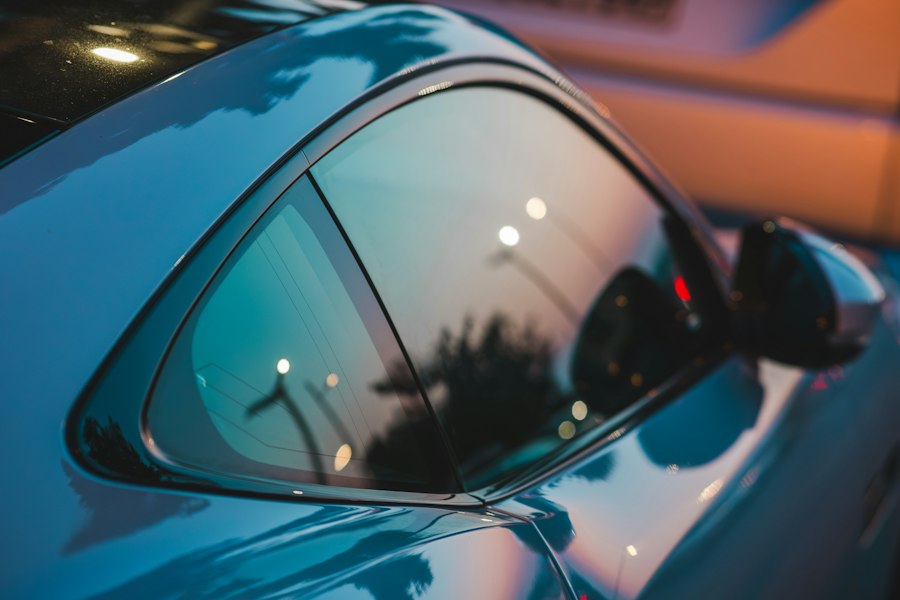
The thickness of your car’s window glass isn’t arbitrary; it’s a carefully calculated parameter that directly impacts its performance, particularly concerning safety and durability. When we talk about glass thickness, we’re not just referring to a cosmetic feature; we’re discussing a fundamental aspect of its structural integrity.
Resilience Against Impact and Stress
The primary reason thickness is so important is its role in resisting impact and stress. Imagine a tiny stone, kicked up from the road by the vehicle in front of you. This seemingly insignificant projectile, traveling at high speed, can exert considerable force upon impact with your windshield. A thicker piece of glass is inherently more capable of absorbing and dissipating this energy. Think of it like trying to bend a thin ruler versus a thick plank of wood; the thicker material will resist deformation and fracture much more effectively. This resistance is critical for preventing small impacts from escalating into significant cracks or complete breakage, which could compromise your visibility and, in severe cases, the structural integrity of your car.
This principle extends beyond road debris. In the event of a collision, the glass needs to withstand considerable forces. While the frame of your car provides the primary structural support, the windows contribute to the overall rigidity of the vehicle’s cabin. Thicker glass can better handle the immense pressures and shocks associated with a crash, potentially preventing the windows from shattering inwards and causing injury to occupants.
Acoustic Insulation and Noise Reduction
Beyond safety, glass thickness also influences your driving experience by affecting noise levels inside the cabin. Thicker glass offers superior acoustic insulation. Sound waves, whether they are the roar of the engine, the rush of wind at highway speeds, or the general din of traffic, are vibrations. Thicker, denser materials are generally better at dampening these vibrations. When sound waves encounter a thicker pane of glass, they have to work harder to pass through. The increased mass and density absorb more of the sound energy, resulting in a quieter and more comfortable ride for you. This is particularly noticeable on longer journeys or in areas with heavy traffic.
Thermal Regulation and Climate Control
The thickness of your car’s windows also plays a role in regulating the interior temperature. While perhaps less intuitive than impact resistance, thicker glass can offer a slight advantage in thermal insulation. In hot weather, thicker glass can provide a marginal increase in resistance to heat transfer from the outside, helping to keep the cabin cooler. Conversely, in colder weather, it can help retain interior heat. While it’s not a substitute for your vehicle’s climate control system, this subtle insulating property contributes to overall comfort and can slightly reduce the workload on your air conditioning or heating.
Specialized Glass Requirements
It’s important to note that not all glass in your vehicle is the same thickness. Different windows have different design requirements and face different stresses. For instance, your windshield is typically the thickest due to its crucial role in protecting occupants from impacts and contributing to airbag deployment. Side and rear windows, while still safety-critical, might have slightly different thickness specifications based on their structural contributions and the types of impacts they are designed to withstand. Understanding these differences highlights the engineering considerations that go into every piece of glass in your car.
Types of Automotive Glass: A Layered Approach to Safety

When you look at your car windows, you might not realize that you’re often looking at more than just a single sheet of glass. Modern automotive glass is a sophisticated composite, designed with safety as its paramount concern. The type of glass used, and its construction, directly influences its thickness and how it behaves under stress.
Laminated Glass: The Windshield Standard
Your windshield is almost universally made from laminated glass. This construction involves sandwiching a layer of polyvinyl butyral (PVB) or similar plastic interlayer between two sheets of glass. The typical thickness of a laminated windshield can range from around 3 millimeters to over 6 millimeters, depending on the manufacturer and specific vehicle model. The crucial aspect here is not just the total thickness, but the combination of the glass layers and the interlayer.
During manufacturing, the glass is heated and then pressed together with the PVB interlayer under high pressure and controlled temperatures. This process creates a strong bond between the glass and the plastic. The real magic of laminated glass happens upon impact. When a projectile hits the windshield, the outer layer of glass may crack or shatter, but the PVB interlayer is designed to hold the fragments together. This prevents the glass from completely breaking apart and creating dangerous shards that could injure occupants. Instead, the glass often cracks in a spiderweb pattern, maintaining a degree of structural integrity and, crucially, keeping your view of the road as clear as possible. This is why the thickness of the glass and the interlayer are so vital – they work in concert to absorb impact and prevent catastrophic failure.
Tempered Glass: The Stronger, Safer Side
Your side and rear windows are typically made from tempered glass. This type of glass undergoes a special heat treatment process. It is heated to a high temperature and then rapidly cooled by blasting it with air. This rapid cooling creates internal stresses within the glass, with the outer surfaces being in compression and the inner core being in tension. This tempering process makes the glass significantly stronger – up to five times stronger than regular annealed glass of the same thickness.
The thickness of tempered side and rear windows can vary, but is often in the range of 3 to 5 millimeters. While tempered glass is strong, its failure mechanism is different from laminated glass. When tempered glass breaks, it shatters into many small, relatively blunt pieces, like little pebbles. This is a deliberate safety feature designed to minimize the risk of serious lacerations compared to the sharp shards that regular glass would produce. The thickness of the tempered glass is critical in achieving this desired strength and fracture pattern. A thicker piece of tempered glass will be even more resistant to shattering from minor impacts, but when it does break, the controlled fragmentation is the key safety benefit.
The Interplay of Thickness and Type
It’s essential to understand that you can’t simply compare the thickness of a laminated windshield to the thickness of a tempered side window and draw definitive conclusions about their relative strength without considering their construction. A thicker tempered side window might be more resistant to a sharp blow than a thinner laminated windshield, but the windshield’s laminated construction offers superior protection against penetration and maintaining visibility during an impact. The chosen thickness for each type of glass is a carefully balanced decision by automotive engineers to meet specific safety performance requirements.
Ensuring Optimal Thickness: What Your Car Comes With and What to Expect
When your vehicle rolls off the assembly line, the glass thickness used is not a matter of guesswork. It’s a result of rigorous testing, adherence to safety regulations, and precise engineering calculations. Understanding what you have and what to expect when replacing or repairing your car’s windows is crucial for maintaining safety.
Factory Specifications: The Benchmark for Safety
Automotive manufacturers spend considerable resources determining the optimal thickness for each piece of glass in your vehicle. This involves sophisticated computer simulations, physical crash testing, and extensive durability evaluations. The goal is to meet or exceed national and international safety standards, which often dictate minimum performance requirements for windshields, side windows, and rear windows. These standards take into account factors like impact resistance, penetration resistance, optical clarity, and the way the glass breaks.
The thickness of your original equipment (OE) glass is specifically chosen to contribute to the overall structural integrity of your car. For example, the windshield, being laminated, is designed to support the roof in a rollover accident and to properly deploy passenger-side airbags. The specific thickness of the glass layers and the PVB interlayer are critical for these functions. Similarly, the thickness of your tempered side and rear windows is selected to provide adequate protection against impacts while ensuring they shatter safely in the event of a collision. When you purchase a new vehicle, you can be confident that the glass installed has been rigorously tested and certified to meet these safety benchmarks.
Replacement Glass: Matching the Original is Key
When you need to replace a broken car window, the most critical factor is to ensure that the replacement glass matches the original specifications in terms of both type and thickness. Using glass that is thinner than the original equipment can significantly compromise your safety. As we’ve discussed, thickness directly impacts a glass’s ability to withstand impacts, maintain structural integrity, and fracture in a safe manner.
If you have a cracked windshield, for example, and opt for a cheaper, thinner replacement that isn’t laminated or is significantly less thick than the OE specification, you’re putting yourself and your passengers at greater risk. The thinner glass will be less resistant to further cracking from minor impacts, may not provide adequate support in a rollover, and could compromise airbag deployment. Similarly, using thinner tempered glass for side or rear windows means they will be less robust and may shatter more easily, potentially leading to more severe injuries.
Always ask for original equipment (OE) equivalent glass or glass from reputable aftermarket manufacturers that explicitly state their products meet or exceed OE specifications. Reputable auto glass shops will be able to inform you about the specific type and thickness of glass that was originally installed in your vehicle and will offer replacements that meet those standards. Don’t be afraid to ask questions about the glass they are using.
Modifications and Aftermarket Additions: Proceed with Caution
While aftermarket window tinting films are common and generally safe when professionally applied, any modifications that involve altering the glass itself or installing non-certified glass should be approached with extreme caution. Some individuals may consider thicker aftermarket glass for enhanced security or soundproofing. However, if this glass is not specifically designed and certified for automotive use and does not meet the original vehicle’s safety specifications, it could have unintended and dangerous consequences.
For instance, installing glass that is too thick could interfere with power window mechanisms, affect the proper seating of seals, or alter the structural dynamics of the vehicle in a crash. Furthermore, non-certified glass may not have the correct optical properties, potentially causing distortion and affecting visibility. If you are considering any aftermarket glass modifications beyond standard tinting, it is imperative to consult with automotive safety experts and ensure that any new glass is certified and tested to perform identically to or better than the original equipment in all safety-critical aspects. Your car’s design has factored in the specific properties of its original glass, and deviating from that can have unforeseen and detrimental effects on your safety.
When considering the safety and durability of your vehicle, the thickness of car window glass plays a crucial role. Thicker glass can provide better protection against impacts and enhance the overall structural integrity of the car. For more insights on this topic, you can explore a related article that delves into various aspects of automotive glass and its importance in vehicle design. Check it out here for a deeper understanding of how glass thickness affects safety and performance.
The Consequences of Compromise: Risks Associated with Substandard Glass
| Type of Car Window | Typical Glass Thickness (mm) | Material | Notes |
|---|---|---|---|
| Front Windshield | 4.5 – 6 | Laminated Safety Glass | Two layers of glass with a plastic interlayer for safety |
| Side Windows | 3 – 5 | Tempered Safety Glass | Heat-treated to shatter into small pieces on impact |
| Rear Window | 3 – 5 | Tempered Safety Glass or Laminated | Varies by vehicle; some use laminated for added safety |
| Sunroof Glass | 4 – 6 | Tempered or Laminated Glass | Designed to withstand impact and UV exposure |
Opting for cheaper or less robust car window glass, whether for replacement or through neglect, can lead to a cascade of negative consequences, all centered around your safety and the integrity of your vehicle. The thickness of your car’s glass is not a trivial detail; it’s a fundamental component of your vehicle’s safety system, and compromising on it carries real risks.
Compromised Structural Integrity and Rollover Protection
As previously mentioned, your car’s windows, particularly the windshield, play a vital role in the structural integrity of the entire vehicle. The windshield is designed to help support the roof in the event of a rollover accident. If the windshield is made of glass that is too thin or not properly laminated, it may not be able to withstand the immense forces exerted during a rollover. This can lead to the roof collapsing, trapping occupants and significantly increasing the risk of severe injury or fatality. Similarly, side and rear windows contribute to the overall rigidity of the cabin, helping to maintain its shape during a collision. Thinner glass offers less resistance to deformation, potentially compromising the protective space for passengers.
Reduced Impact Resistance and Increased Vulnerability
The primary function of car window glass is to protect you from the elements and potential hazards on the road. If your glass is thinner than originally specified, its ability to withstand impacts is significantly reduced. A small pebble kicked up from the road, which might cause a minor chip or crack in the correct thickness of glass, could cause the entire window to shatter if it’s too thin. This not only impairs your visibility but can also lead to the glass breaking inwards, exposing occupants to flying debris or even allowing ejected parts of the vehicle to enter the cabin. In more severe collisions, thinner glass will offer less protection against intrusion from external objects or the buckling of the car’s frame.
Impaired Airbag Deployment
This is a critical, often overlooked, consequence of using incorrect windshield glass. Passenger-side airbags are designed to deploy with specific force and at a specific angle, often utilizing the windshield as a point of support and redirection. If the windshield is not of the correct thickness and type (laminated), it may not provide the necessary rigidity or resistance for the airbag to deploy effectively. This can result in the airbag not deploying as intended, or even deploying improperly, negating its protective function and potentially causing other injuries. The precise thickness and laminating of the windshield are meticulously engineered to work in conjunction with the airbag system.
Increased Risk of Ejection and Injury from Shattering
When tempered glass breaks, it’s designed to shatter into small, relatively harmless pieces. This is achieved through precise control of the glass’s internal stresses, which are directly influenced by its thickness and the tempering process. If tempered glass is too thin, it may not have the correct internal stresses to fracture in this controlled manner. Instead, it could break into larger, sharper shards, similar to regular glass, posing a significant laceration hazard. Furthermore, the risk of occupant ejection from a vehicle during a severe crash is greatly increased if the side or rear windows shatter uncontrollably or are too weak to remain in place.
Financial and Reputational Damage for Installers
For professional auto glass installers, using substandard glass is not just a safety issue; it’s also a significant business risk. Installing glass that is not the correct thickness or type can lead to callbacks, warranty claims, customer dissatisfaction, and damage to their reputation. In the event of an accident where the faulty glass is found to be a contributing factor, installers could face legal liability. Therefore, reputable installers prioritize using certified, correctly specified glass to protect their customers and their business.
Making Informed Choices: Your Role in Maintaining Glass Safety
Ultimately, maintaining the safety of your vehicle’s glass is a shared responsibility. While manufacturers and installers play a crucial role, your awareness and proactive approach are equally important. Understanding the basics of car window glass thickness and its implications empowers you to make informed decisions.
Regular Inspections: Catching Problems Early
Make it a habit to visually inspect your car’s windows regularly. Look for any signs of damage, such as chips, cracks, or stress lines, especially on your windshield. Small chips can spread over time, especially with temperature fluctuations or vibrations, and can compromise the structural integrity of the entire windshield. Early detection allows for timely repair, often a simple chip repair that is much less expensive and far safer than a full replacement. Pay attention to any unusual patterns in how the glass cracks or if you notice any distortion in your vision.
Choosing Reputable Repair and Replacement Services
When you do need auto glass repair or replacement, do your homework. Seek out reputable auto glass shops that have a proven track record and positive customer reviews. Don’t be swayed solely by the lowest price. A significantly cheaper quote might indicate the use of lower-quality, thinner, or non-certified glass. Ask questions about the type and thickness of the glass they will be using for the repair or replacement. A good installer will be transparent and knowledgeable about the products they use and why. They should be able to explain how their chosen glass meets or exceeds original equipment specifications.
Understanding Your Vehicle’s Specifics
Familiarize yourself with the type of glass your vehicle uses. Your owner’s manual might provide some details, or you can ask your mechanic or a trusted auto glass specialist. Knowing whether your windshield is laminated and your side windows are tempered is a good starting point. When getting a quote for replacement, be specific about your vehicle’s make, model, and year. This information helps the installer identify the correct specifications for your car.
The Value of Certified Glass
Always prioritize glass that is certified to meet automotive safety standards. Many aftermarket glass manufacturers adhere to standards set by organizations like the Auto Glass Replacement Safety Standards (AGRSS) or equivalent international bodies. This certification provides assurance that the glass has undergone rigorous testing and meets the necessary safety performance criteria. While OE glass is always the ideal, certified aftermarket glass from a reputable brand is a safe and often more cost-effective alternative, as long as it explicitly matches the original specifications.
Your car’s windows are more than just transparent panels; they are integral safety features. By understanding the importance of glass thickness, the different types of automotive glass, and the risks associated with substandard materials, you can make informed choices that ensure your safety and the safety of your passengers on every journey. Never underestimate the power of a well-engineered piece of glass.

Your Car Window Can Keep You In—Even When You Need Out
FAQs
1. What is the standard thickness of car window glass?
The standard thickness of car window glass is typically around 4 to 6 millimeters (mm) for tempered glass and 4.5 to 6.5 mm for laminated glass.
2. How does the thickness of car window glass affect safety?
The thickness of car window glass plays a crucial role in ensuring the safety of the vehicle’s occupants. Thicker glass is more resistant to impact and less likely to shatter, providing better protection in case of accidents.
3. Are there regulations regarding the thickness of car window glass?
Yes, there are regulations in place that specify the minimum thickness requirements for car window glass to ensure the safety of passengers. These regulations may vary by region or country.
4. What are the benefits of using thicker car window glass?
Thicker car window glass offers improved sound insulation, better protection against break-ins, and enhanced structural integrity of the vehicle. It also provides a higher level of safety in the event of a collision.
5. Can car window glass be customized to be thicker than the standard thickness?
Yes, car window glass can be customized to be thicker than the standard thickness based on specific requirements or preferences. However, it is important to ensure that any modifications comply with safety regulations and do not compromise the overall performance of the vehicle.