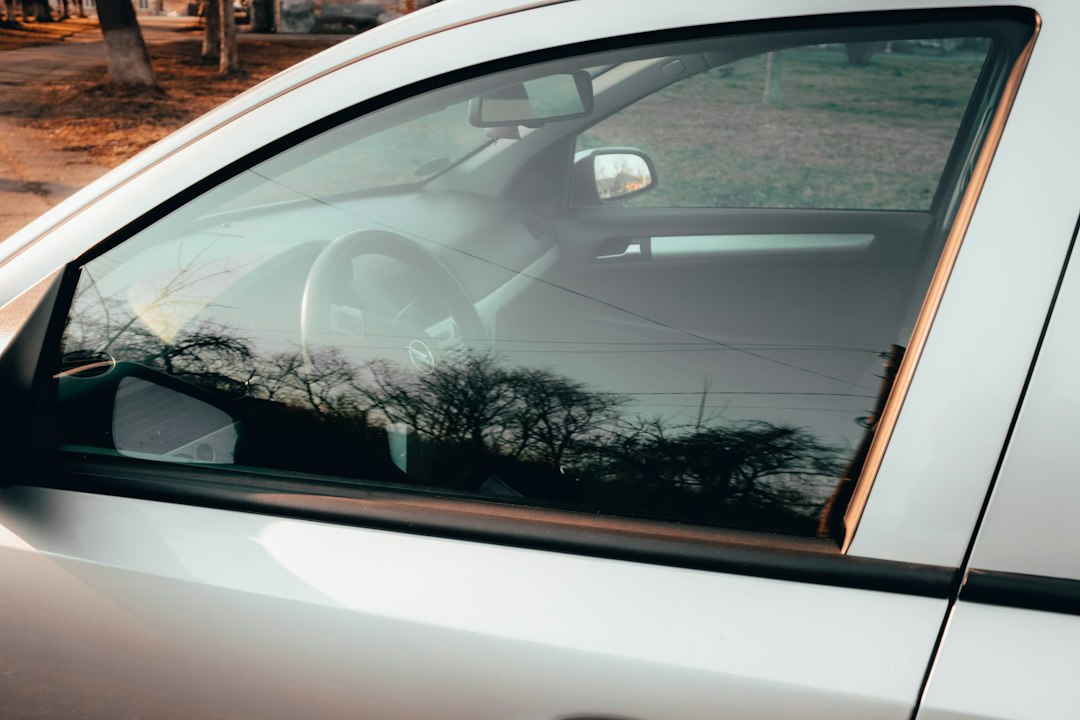
You’ve probably noticed it by now. That satisfying, almost imperceptible “thump” when you close your car door, followed by a deeper silence than you’re used to. The world outside seems to fade a little, the roar of traffic softening to a distant murmur. This isn’t a figment of your imagination, nor is it a mere coincidence. You’re experiencing firsthand the increasing prevalence of laminated side windows, a quiet revolution that’s transforming the way you interact with your vehicle’s cabin and the environment around it. What was once a premium feature, typically reserved for luxury sedans or top-tier trims, is rapidly becoming the standard, and it’s a trend you should pay attention to.
The Silent Upgrade: Understanding Laminated Side Windows
You might be wondering what exactly makes these side windows so different. The answer lies in their construction. Unlike traditional tempered glass, which shatters into small, relatively harmless pieces when broken, laminated glass is a sandwich of materials. Imagine two layers of glass, with a thin, resilient layer of polyvinyl butyral (PVB) in between. This PVB interlayer is the magic ingredient. When the glass is subjected to impact, the PVB stretches and holds the fragments together, preventing them from scattering. You might see spiderweb cracks, but the integrity of the window remains largely intact. This fundamental difference in structure has profound implications for your driving experience, safety, and even the longevity of your vehicle.
The Evolution from Tempered to Laminated
For decades, the automotive industry relied heavily on tempered glass for side windows. It was a cost-effective solution that offered a reasonable level of safety. When a tempered window breaks, it’s designed to minimize the risk of serious injury from sharp shards. However, this inherent brittleness also meant that any significant impact would result in a complete loss of the window, leaving your cabin exposed to the elements and the outside world. The shift towards laminated side windows isn’t an overnight phenomenon; it’s been a gradual evolution driven by advancements in materials science, increasing consumer demand for quieter and safer vehicles, and evolving regulatory pressures. Early adopters of laminated side windows were often found in the luxury segment, where enhanced acoustic performance and a perceived higher level of security were key selling points. Now, however, the benefits have become so apparent and the manufacturing processes so refined that automakers are integrating this technology across a much wider spectrum of their model lineups, from compact cars to SUVs and even pickup trucks. You’re not just buying a car; you’re investing in a vehicle that’s increasingly built with your comfort and security in mind.
Deconstructing the Laminated Glass Sandwich
To truly appreciate the upgrade you’re experiencing, it’s helpful to understand the components of a laminated side window. The outer layer is typically a sheet of glass, often with a slight curvature to match the vehicle’s design. This is followed by the crucial PVB interlayer. This isn’t just a thin film; it’s a specially engineered polymer designed for strength, flexibility, and adhesion to glass. Its thickness can vary depending on the application, but it’s always substantial enough to provide its unique protective properties. Finally, another layer of glass completes the sandwich. The entire assembly is then heated and pressed under controlled conditions to create a permanent bond between the glass layers and the PVB interlayer. This process ensures that the window acts as a single, cohesive unit. The result is a material that’s not only more resistant to shattering but also possesses superior acoustic and UV-filtering properties. This sophisticated construction is what elevates your driving experience beyond simple protection from wind and rain.
Recent advancements in automotive design have led to laminated side windows becoming a standard feature in many new vehicles, enhancing safety and noise reduction. For more insights on this trend and its implications for the automotive industry, you can read a related article at Freaky Science. This shift not only improves passenger protection but also contributes to a quieter ride, making it a significant development in vehicle manufacturing.
The Multifaceted Benefits of Laminated Side Windows
The transition to laminated side windows isn’t just about a minor tweak; it introduces a cascade of tangible benefits that directly impact your comfort, safety, and even the value of your vehicle. You’re not just getting a quieter ride; you’re gaining a more secure and refined environment.
Enhanced Acoustic Comfort: Your Personal Oasis of Calm
Perhaps the most immediate and noticeable benefit you’ll experience is the dramatic reduction in cabin noise. Think about your typical commute. The constant drone of tires on asphalt, the whoosh of air passing over the car’s exterior, the rumble of distant engines – all of these sounds can contribute to fatigue and stress. Laminated side windows act as a significant barrier against this intrusive noise. The PVB interlayer is an excellent sound dampener. It absorbs and dissipates sound waves, preventing them from easily penetrating the cabin. This means you can enjoy conversations with your passengers more easily, listen to your music at lower volumes without missing details, and generally arrive at your destination feeling more relaxed. This enhanced acoustic comfort isn’t just about luxury; it contributes to a safer driving experience by reducing distractions and cognitive load. You’re more aware of your surroundings when you’re not battling a cacophony of external sounds.
Improved Security and Theft Deterrence: A Stronger Defense
Beyond noise reduction, laminated side windows offer a significant boost in security. Imagine a determined thief attempting to break into your vehicle. With tempered glass, a swift strike with a hard object can shatter the window, granting immediate access. Laminated glass, however, is far more resistant to such forced entry. The PVB interlayer will flex and deform, making it much harder to create an opening. While it’s not impervious to determined attackers, it significantly increases the time and effort required, acting as a strong deterrent. This can be particularly reassuring if you frequently park in areas where security is a concern. Moreover, in the event of an accident, the laminated structure helps to prevent the window from falling out completely, which can be crucial in preventing occupants from being ejected from the vehicle. This added layer of security is a quiet reassurance that your vehicle and its contents are better protected.
Superior UV Protection: Shielding You and Your Interior
Another often overlooked benefit of laminated side windows is their inherent ability to block harmful ultraviolet (UV) radiation. The PVB interlayer acts as a natural UV filter, preventing a significant portion of these damaging rays from entering your vehicle’s cabin. This has dual benefits: it protects your skin from prolonged exposure to UV light, reducing the risk of sunburn and long-term skin damage, and it also helps to preserve the condition of your vehicle’s interior. Over time, direct sunlight and UV exposure can cause dashboards to fade and crack, upholstery to discolor, and plastics to become brittle. By reducing UV penetration, laminated side windows help to keep your car’s interior looking newer for longer, preserving its aesthetic appeal and resale value. You’re not just driving in comfort; you’re also making a conscious choice to protect yourself and your investment.
The Automotive Industry’s Embrace of Lamination
The widespread adoption of laminated side windows by automakers is a clear signal that the industry recognizes its value. This isn’t a niche trend anymore; it’s a fundamental shift in how vehicles are constructed. You’re seeing it across brands and vehicle types, indicating a broader commitment to enhancing the driver and passenger experience.
A Standardization Driven by Innovation and Demand
The fact that you’re seeing laminated side windows as standard in so many new models is a testament to the advancements in manufacturing technologies and the growing consumer demand for premium features. Automakers have invested heavily in refining the processes for producing laminated glass efficiently and cost-effectively. This has allowed them to pass on the benefits to a wider customer base without exorbitant price increases. Furthermore, as consumers become more aware of the advantages of laminated glass, their expectations have shifted. You’re no longer willing to settle for a noisy, less secure cabin when a quieter, safer alternative is readily available. This consumer pull, combined with the automotive industry’s drive for innovation and differentiation, has created a perfect storm for laminated side windows to become the new normal.
Key Automakers Leading the Charge
You’ll find laminated side windows appearing more frequently across a diverse range of manufacturers. From German luxury marques like BMW and Mercedes-Benz, who have long championed these features, to mainstream brands like Ford, Toyota, and Honda, the adoption is widespread. Even manufacturers of more utilitarian vehicles, such as pickup trucks from Ram and Chevrolet, are increasingly offering laminated side windows, recognizing the benefits of reduced road noise and improved security for their drivers. This widespread integration means that as you shop for your next vehicle, you’re more likely than ever to encounter this advanced glass technology as a standard offering, rather than an optional upgrade. It’s a reassuring sign that the industry is moving towards a more refined and safer future for all drivers.
Navigating the Laminated Landscape: What It Means for You
The presence of laminated side windows in your new vehicle brings with it a few practical considerations and advantages that you should be aware of. It’s about understanding the nuances of this technology and how it enhances your ownership experience.
Understanding Repair and Replacement
If the inevitable happens and your laminated side window sustains damage, the repair process differs from that of tempered glass. While small chips and cracks can sometimes be repaired using specialized resins that bond to the PVB interlayer and glass, significant damage usually necessitates replacement. This is because the integrity of the laminate is compromised. When it comes to replacement, it’s important to ensure that the new window is also laminated glass. While the cost of replacing laminated glass might be slightly higher than tempered glass, the added benefits of safety, security, and acoustic comfort generally justify the investment. Your insurance policy might also have specific provisions for laminated glass, so it’s always a good idea to understand your coverage.
The Impact on Vehicle Features and Technology
The increasing prevalence of laminated side windows also has implications for various vehicle features and technologies. For instance, many modern vehicles incorporate antennas or sensors within the glass itself. Laminated glass can accommodate these integrations more readily than tempered glass, allowing for cleaner vehicle designs and improved functionality. Furthermore, advanced driver-assistance systems (ADAS) that rely on cameras and sensors positioned around the vehicle can benefit from the consistent optical properties of laminated glass, which can be engineered to minimize distortion. You might also notice that features like rain-sensing wipers or automatic climate control systems function more seamlessly in conjunction with the consistent performance of laminated glass.
As laminated side windows become standard in many new vehicles, the benefits of this safety feature are gaining attention. These windows not only enhance passenger protection by reducing the risk of shattering but also improve sound insulation and UV protection. For a deeper understanding of the advancements in automotive safety technologies, you can read a related article on this topic at Freaky Science, which explores how innovations are shaping the future of vehicle design.
The Future of Automotive Glass: A Quieter, Safer Journey Ahead
| Metric | Value | Notes |
|---|---|---|
| Percentage of Vehicles with Laminated Side Windows (2023) | 45% | Increase from 30% in 2020 |
| Average Noise Reduction (dB) | 5-7 dB | Compared to traditional tempered glass |
| Impact Resistance Improvement | Up to 50% | Better protection against shattering |
| UV Protection Level | Up to 99% | Blocks harmful ultraviolet rays |
| Weight Increase Compared to Tempered Glass | Approximately 10-15% | Due to additional layers in lamination |
| Cost Increase per Vehicle | 5-8% | Varies by manufacturer and model |
| Standardization Year | Expected by 2025 | Projected industry-wide adoption |
As you continue to drive and interact with new vehicles, you’ll undoubtedly notice the subtle yet significant shift towards laminated side windows. This isn’t a fleeting trend but a fundamental evolution in automotive design, driven by a desire to create more comfortable, secure, and refined driving experiences.
Continuous Improvement and Emerging Technologies
The automotive glass industry is constantly innovating. You can expect to see further refinements in PVB interlayer technology, leading to even better acoustic performance, enhanced impact resistance, and improved UV filtering. There’s also ongoing research into smart glass technologies that can dynamically adjust their tint or opacity, offering even greater control over cabin environment and privacy. As these technologies mature, they will likely become more accessible and integrated into a wider range of vehicles, further enhancing your driving experience. The automotive journey is becoming increasingly sophisticated, and the glass in your car plays a crucial role in that evolution.
Your Role as an Informed Consumer
By understanding the benefits of laminated side windows, you’re empowered as a consumer. When you’re in the market for a new vehicle, you can actively seek out models that feature this technology, knowing the tangible advantages it offers. You can ask dealerships about the type of side glass used and inquire about its specific properties. This informed approach not only helps you make a better purchasing decision but also sends a clear message to the automotive industry about what features consumers value. Your awareness contributes to the continued push for innovation and the widespread adoption of these beneficial technologies, ensuring that future vehicles offer you an even better and safer driving experience.

Your Car Window Can Keep You In—Even When You Need Out
FAQs
What are laminated side windows?
Laminated side windows are car windows made of two layers of glass with a layer of polyvinyl butyral (PVB) sandwiched in between. This construction makes the windows more resistant to shattering upon impact.
Why are laminated side windows becoming standard in vehicles?
Laminated side windows are becoming standard in vehicles due to their safety benefits. They provide better protection in case of accidents, reduce the risk of ejection during a crash, and help to minimize noise and vibrations inside the vehicle.
How do laminated side windows enhance safety in vehicles?
Laminated side windows enhance safety in vehicles by remaining intact upon impact, reducing the risk of occupants being ejected from the vehicle. The laminated glass also helps to maintain the structural integrity of the car during a collision.
Are laminated side windows more expensive to replace than traditional windows?
Yes, laminated side windows are typically more expensive to replace than traditional windows. The cost is higher due to the specialized construction of laminated glass and the additional safety features it provides.
Do laminated side windows offer any benefits beyond safety?
Yes, laminated side windows offer benefits beyond safety. They help to reduce noise from outside the vehicle, improve insulation, and provide better protection against UV rays, which can help prevent interior fading and damage.