
The Unseen Shield: Your First Line of Defense on the Road
You probably don’t give much thought to the glass in your car’s windows. It’s just there, letting you see the world go by. But behind that seemingly simple transparency lies a complex engineering marvel designed with one paramount purpose: your safety. Automotive safety glass isn’t just about visibility; it’s about protecting you and your passengers from a multitude of hazards encountered on the road. From flying debris to the jarring impact of a collision, the glass in your vehicle plays a critical, often underestimated, role. Understanding the standards that govern this vital component can provide a deeper appreciation for its importance and the meticulous processes involved in ensuring its effectiveness. This article will delve into the world of automotive safety glass, exploring the regulations, materials, and testing that combine to create the unseen shield separating you from the unpredictable.
Automotive safety glass standards are crucial for ensuring the protection of vehicle occupants in the event of an accident. For a deeper understanding of the various regulations and testing methods that govern these standards, you can refer to a related article that discusses the science behind automotive safety features. This article provides insights into the materials used and the advancements in technology aimed at improving safety. To read more, visit Freaky Science.
The Evolution of Automotive Glazing: From Shattering to Safeguarding

The history of automotive glass is a story of constant innovation driven by the escalating demands for vehicle safety. Early automobiles, much like their predecessors, often used standard, monolithic glass. This type of glass, while clear, was inherently brittle. In the event of an impact, it would shatter into sharp, jagged shards, posing a significant risk of severe laceration to occupants. The realization of this danger spurred the development of safer alternatives.
Early Innovations: The Dawn of Laminated and Tempered Glass
The first significant leap forward came with the introduction of laminated safety glass. This revolutionary material consists of two or more layers of glass bonded together by a transparent interlayer, typically polyvinyl butyral (PVB). When this type of glass breaks, the interlayer acts as a powerful adhesive, holding the fragments together. Instead of showering the interior with dangerous shards, the glass tends to crack in a spiderweb pattern, significantly reducing the risk of injury. Simultaneously, tempered glass emerged as another crucial safety advancement. Produced by rapidly heating and then cooling the glass, tempering creates a glass that is four to five times stronger than ordinary glass of the same thickness. When tempered glass does break, it does so in a controlled manner, fragmenting into small, relatively harmless pebble-like pieces. This distinction between the fracture patterns of laminated and tempered glass is fundamental to their respective applications in vehicles.
The Regulatory Framework: Setting the Benchmarks for Safety
As automotive glass technology advanced, so did the need for standardized regulations to ensure a consistent level of safety across all vehicles. Governments and international bodies established rigorous standards that manufacturers must adhere to. These standards dictate the performance requirements for automotive glass, covering aspects such as impact resistance, penetration, and optical clarity.
Global Standards and Their Impact on Manufacturers
Globally, several key organizations and regulations shape automotive safety glass. In North America, the Department of Transportation (DOT) in the United States and Transport Canada set federal motor vehicle safety standards (FMVSS). FMVSS 205, for instance, specifically addresses the requirements for glazing materials, specifying performance criteria for impact, penetration, and optical properties. Similarly, in Europe, the Economic Commission for Europe (ECE) regulations, particularly ECE R43, govern safety glazing for vehicles. These regulations are not merely guidelines; they are mandatory requirements that manufacturers must meet to sell vehicles in these regions. This global regulatory landscape ensures that whether you purchase a car in Detroit, Berlin, or Tokyo, the safety glass in its windows has undergone stringent testing and meets internationally recognized safety benchmarks. The harmonization of these standards, while challenging, is crucial for a globalized automotive industry and for providing consistent safety to consumers worldwide.
The Role of ANSI and Other National Standards Bodies
Beyond these overarching governmental regulations, national standards bodies play a vital role. The American National Standards Institute (ANSI), for example, often accredits testing laboratories and develops specific standards that complement governmental regulations. These bodies contribute to the continuous refinement of testing methodologies and the development of new safety benchmarks as technology evolves. Their involvement ensures that the testing procedures are robust, reliable, and reflect the latest understanding of automotive safety. The interplay between governmental mandates and the expertise of standards bodies creates a comprehensive and evolving system of automotive safety glass regulations.
The Science Behind the Shield: Materials and Manufacturing Processes
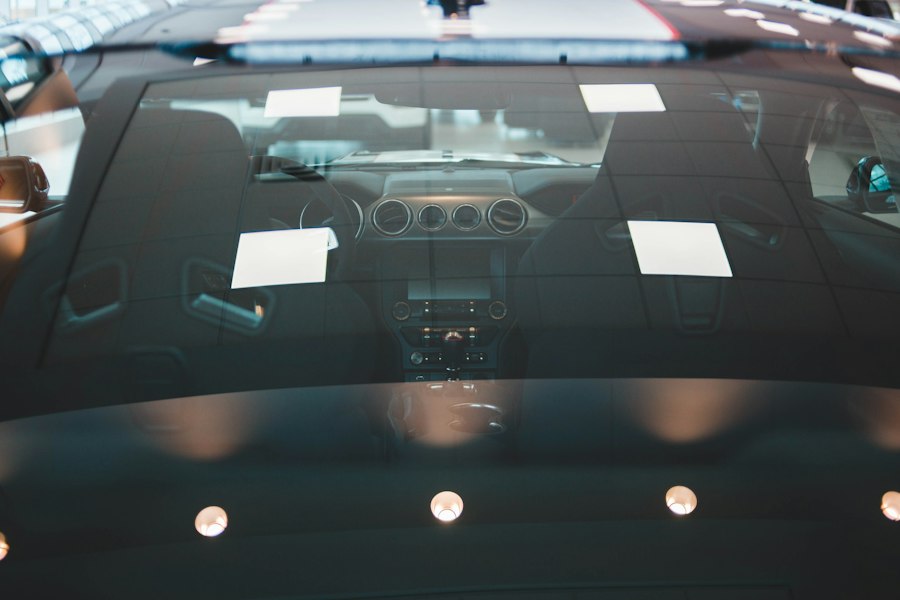
The safety features of automotive glass are not accidental; they are the result of carefully selected materials and precisely controlled manufacturing processes. The type of glass used for different parts of your vehicle is not arbitrary; it’s chosen based on its specific safety characteristics and its intended function.
Laminated Glass: The Windshield’s Indispensable Guardian
Your car’s windshield is almost universally made from laminated safety glass. This choice is driven by its unique ability to prevent projectiles from entering the passenger cabin during a collision or impact. The two layers of glass, typically annealed or heat-strengthened, sandwich a layer of PVB. The PVB interlayer is the critical component that provides the “cling” factor. When the glass breaks, the PVB holds the fragments in place, preventing them from being ejected into the cabin. This dramatically reduces the risk of injury from sharp glass shards. Furthermore, the laminated structure contributes to the structural integrity of the vehicle’s roof, providing crucial support during rollovers. The thickness of the glass and the PVB interlayer are carefully calibrated to meet specific impact and penetration resistance standards.
The PVB Interlayer: More Than Just Adhesive
The polyvinyl butyral (PVB) interlayer is not simply a glue. It’s a highly engineered material with specific properties. Its excellent adhesion to glass, combined with its toughness and elasticity, allows it to absorb energy upon impact. This energy absorption is key to preventing the glass from shattering completely. The PVB also plays a role in acoustic insulation, contributing to a quieter cabin environment. Its development and refinement have been central to the evolution of laminated safety glass, making it the robust protective barrier it is today.
Tempered Glass: The Side and Rear Windows’ Robust Protector
Side and rear windows are typically constructed from tempered glass. While laminated glass is ideal for applications where preventing penetration is paramount, tempered glass offers superior resistance to impact and breaks in a safer manner for areas where penetration is less of a primary concern but occupant ejection is. The tempering process involves heating the glass to a high temperature and then rapidly cooling its surface with air jets. This rapid cooling creates compressive stress on the outer surfaces and tensile stress in the interior. This internal stress distribution makes tempered glass significantly stronger and more resistant to impact than annealed glass. When it does break, the internal tensile stress is released, causing the glass to fracture into numerous small, rounded pieces that are much less likely to cause injury.
The Tempering Process: A Controlled Thermal Embrace
The creation of tempered glass is a sophisticated thermal process. The glass is loaded into a tempering furnace where it is heated to a precise temperature, just below its softening point. Once the glass reaches the desired uniform temperature, it is quickly removed and subjected to a controlled blast of cool air. This rapid cooling, or quenching, solidifies the outer layers while the interior is still hot and attempting to cool more slowly. This differential cooling creates the internal stress patterns that define tempered glass. The uniformity and precision of this process are critical for ensuring consistent safety performance.
Testing Protocols: Simulating Real-World Dangers
The effectiveness of automotive safety glass is not taken for granted. It is subjected to a rigorous battery of tests designed to simulate the various stresses and impacts it might encounter on the road. These tests are the backbone of the regulatory framework, ensuring that the glass meets the stringent safety standards.
Impact Resistance: The Ball Drop and Beyond
One of the most common tests for automotive safety glass involves impact resistance. This often simulates the impact of foreign objects striking the window. For laminated glass, such as windshields, tests might involve dropping a steel ball of a specific weight from a defined height onto the glass. The glass is assessed for its ability to withstand the impact without shattering or allowing the projectile to penetrate. For tempered glass, the tests focus on the nature of the fracture. Similarly, penetration tests might involve striking the glass with pointed objects at various speeds to assess its resistance to being breached. These tests are designed to represent scenarios like rocks thrown from other vehicles, debris on the road, or even minor collisions.
Headform Impact Tests: Simulating Occupant Contact
Another crucial set of tests focuses on simulating contact with vehicle occupants, particularly in the event of a sudden stop or collision. Headform impact tests are designed to assess the potential for injury if a person’s head strikes the glass. For side and rear windows made of tempered glass, the objective is to ensure that the glass breaks into small, relatively harmless fragments. For laminated glass, these tests might assess the ability of the interlayer to contain the broken glass and prevent it from causing lacerations. These tests are vital for understanding the dynamic interaction between occupants and the glazing during an accident.
Environmental and Durability Testing: Ensuring Long-Term Performance
Beyond immediate impact scenarios, automotive safety glass must also withstand the rigors of everyday use and environmental exposure. Tests are conducted to evaluate the glass’s resistance to UV radiation, which can degrade the PVB interlayer over time, leading to discoloration and reduced performance. Abrasion resistance is also tested to ensure that the glass can withstand repeated contact with wipers, cleaning cloths, and everyday wear and tear without becoming opaque or losing its structural integrity. Extreme temperature variations are also simulated to ensure that the glass maintains its properties under a wide range of climatic conditions. This comprehensive testing regimen ensures that your vehicle’s windows remain a reliable safety feature throughout its lifespan.
Automotive safety glass standards play a crucial role in ensuring the protection of vehicle occupants during accidents. These standards dictate the types of materials and manufacturing processes used to create windshields and windows that can withstand impact and minimize injury. For a deeper understanding of the implications of these standards, you can explore a related article that discusses advancements in automotive safety technologies. This resource provides valuable insights into how innovations are shaping the future of vehicle safety. To read more, visit this article.
The Future of Automotive Glazing: Innovation on the Horizon
| Standard | Region | Type of Glass | Key Requirements | Testing Methods | Purpose |
|---|---|---|---|---|---|
| FMVSS 205 | United States | Laminated and Tempered Glass | Impact resistance, light transmittance, and fragmentation control | Impact tests, light transmittance measurement, fragmentation tests | Ensure occupant protection and visibility |
| ECE R43 | Europe and other countries | Laminated and Tempered Glass | Mechanical strength, optical quality, and safety in case of breakage | Impact tests, optical distortion tests, fragmentation tests | Safety and performance of automotive glazing |
| JIS R3211 | Japan | Laminated and Tempered Glass | Strength, light transmittance, and fragmentation control | Impact resistance, light transmittance, fragmentation tests | Protect vehicle occupants and pedestrians |
| AS/NZS 2080 | Australia/New Zealand | Laminated and Tempered Glass | Impact resistance, optical quality, and safety upon breakage | Impact tests, optical distortion, fragmentation tests | Ensure safety and visibility standards |
| GB 9656 | China | Laminated and Tempered Glass | Mechanical strength, light transmittance, and fragmentation control | Impact tests, light transmittance, fragmentation tests | Safety and performance of automotive glass |
The automotive industry is in constant flux, and the technology behind vehicle windows is no exception. Innovations in materials science and manufacturing are paving the way for even safer and more functional automotive glass. As vehicles become more connected and incorporate advanced driver-assistance systems (ADAS), the role of glazing is expanding beyond passive protection.
Smart Glass and Advanced Functionality
The concept of “smart glass” is moving from science fiction to reality. This includes electrochromic glass, which can electronically tint on demand, reducing glare and the need for sunshades. It also encompasses heated glass, which can de-ice and de-fog windows rapidly, improving visibility in challenging weather conditions. Furthermore, the integration of sensors and antennas directly into the glass is becoming increasingly common, enabling seamless connectivity for GPS, Wi-Fi, and mobile communications without compromising the aesthetic or structural integrity of the vehicle.
Enhanced Structural Integrity and Lightweighting
The automotive industry is also focused on reducing vehicle weight to improve fuel efficiency and performance. This translates to a push for lighter yet stronger automotive glass. Advanced manufacturing techniques and new composite materials are being explored to achieve this goal without sacrificing safety. The aim is to develop glazing solutions that offer superior impact resistance and structural support while being significantly lighter than current offerings. This ongoing research and development ensures that the glass in your car will continue to evolve, offering enhanced safety, improved comfort, and greater functionality for years to come. You can rest assured that the unseen shield protecting you on your journeys is constantly being refined and improved.

Your Car Window Can Keep You In—Even When You Need Out
FAQs
What are automotive safety glass standards?
Automotive safety glass standards are regulations and guidelines set by organizations such as the Federal Motor Vehicle Safety Standards (FMVSS) and the International Organization for Standardization (ISO) to ensure the quality and safety of glass used in vehicles.
What are the main types of automotive safety glass?
The main types of automotive safety glass are laminated glass and tempered glass. Laminated glass is made by sandwiching a layer of polyvinyl butyral (PVB) between two layers of glass, while tempered glass is treated with heat to increase its strength.
How do safety glass standards contribute to vehicle safety?
Safety glass standards contribute to vehicle safety by ensuring that the glass used in vehicles is strong enough to withstand impacts, reducing the risk of injuries in case of accidents. They also help prevent shattering, which can cause further harm to occupants.
Are there specific requirements for automotive safety glass thickness?
Yes, safety glass standards specify minimum thickness requirements for automotive glass to ensure adequate strength and durability. The thickness may vary depending on the location of the glass in the vehicle and the type of glass being used.
Do safety glass standards vary by country?
Yes, safety glass standards may vary by country as different regions may have their own regulations and requirements for automotive safety glass. Manufacturers must ensure compliance with the standards of the countries in which they intend to sell their vehicles.