You’re driving down the road, and you notice something new on your car’s windows. Perhaps you’ve just bought a new car, or maybe you’re considering an upgrade to your existing vehicle. You see that term, “laminated,” and it sparks a question: “What does laminated mean on car windows, and why should you care?” You’re not alone. Many drivers have encountered this term without a clear understanding of its implications for their safety, comfort, and the overall integrity of their vehicle. This article is your straightforward guide to demystifying laminated car windows. We’ll break down exactly what it means, how it’s made, and the significant benefits it offers, transforming your perception of what’s just a piece of glass into a crucial safety feature.
Understanding the Lamination Process
When we talk about “laminated” car windows, we’re referring to a specific type of glass construction designed for enhanced safety and performance. It’s not just a single pane of glass; it’s a composite material with a distinct layered structure. Imagine taking two sheets of glass and bonding them together with a strong, transparent interlayer. That’s the essence of lamination. This process is far from accidental; it’s a meticulously engineered method that results in a product with properties significantly different from standard, monolithic glass.
The Core Components of Laminated Glass
At its heart, laminated glass consists of three primary components: two layers of glass and a middle layer, typically made of polyvinyl butyral (PVB). The glass itself can be tempered or annealed, depending on the specific application and desired properties. However, for automotive windshields, tempered glass is almost universally used. The PVB interlayer is the unsung hero of the lamination process. It’s a thermoplastic polymer known for its exceptional adhesion, flexibility, and impact resistance. This layer is crucial in holding the glass fragments together if the window is broken, preventing them from scattering.
How the Layers Are Bonded
The manufacturing of laminated glass is a sophisticated industrial process. It begins with cleaning and preparing the two glass panes. Then, the PVB interlayer, which often comes in large rolls, is precisely cut to match the shape of the glass. This interlayer is placed between the two glass sheets. The next step involves heat and pressure. The stacked assembly is heated in an autoclave, a specialized oven that applies controlled heat and pressure. This process causes the PVB to soften and flow, creating a strong, permanent bond with both glass surfaces. The heat also causes any trapped air to escape, ensuring a clear and seamless interlayer. The result is a single, unified piece of glass that, while appearing as one, is actually a complex composite. The precise control over temperature, pressure, and curing time is critical to achieving the desired optical clarity and structural integrity of the final laminated product.
When exploring the term “laminated” in relation to car windows, it’s important to understand how this process enhances safety and durability. Laminated glass is designed to hold together when shattered, reducing the risk of injury from flying shards. For a deeper dive into the science behind laminated materials and their applications, you can read a related article at Freaky Science. This resource provides valuable insights into the benefits and uses of laminated glass in various industries, including automotive.
The Safety Advantages of Laminated Glass

The primary reason behind the widespread adoption of laminated glass in vehicles, particularly for windshields, is its unparalleled safety performance. When an accident occurs, or even in less severe situations like a rock strike, the way glass breaks is a critical factor in passenger safety. Laminated glass dramatically improves this aspect compared to traditional glass. It’s not just about preventing shattering; it’s about controlling the breakage in a way that minimizes harm.
Impact Resistance and Fragmentation Control
When a laminated windshield is struck with significant force, such as by an object or in a collision, the glass will crack. However, due to the PVB interlayer, the fragments of glass will adhere to this interlayer. Instead of shattering into sharp, dangerous shards that can cause severe cuts and injuries, the glass tends to spiderweb or crack in a pattern while remaining largely intact. This “holding together” effect is a game-changer. It significantly reduces the risk of occupants being ejected from the vehicle during a rollover accident, a phenomenon that dramatically increases the likelihood of serious injury or fatality. Furthermore, it prevents sharp glass fragments from flying into the passenger cabin, protecting faces and bodies from lacerations.
Protection Against Ejection and Debris
The “containment” property of laminated glass is perhaps its most critical safety function. In severe impacts, particularly rollovers, the force can be immense. Without a strong retention mechanism, occupants can be thrown through the openings of the vehicle, leading to catastrophic outcomes. Laminated glass acts as a barrier, keeping occupants inside the vehicle and also shielding them from external debris that might enter the cabin during a crash. This enhanced protection is a direct result of the PVB interlayer’s ability to absorb and distribute impact energy. Think of the PVB as a shock absorber for the glass, preventing it from disintegrating into dangerous pieces. The difference between a fractured but intact laminated window and a shattered pane of regular glass can be the difference between life and death in a serious accident.
Additional Benefits Beyond Safety

While safety is the paramount concern addressed by laminated glass, its advantages extend into other areas of vehicle functionality and occupant comfort. These secondary benefits contribute to a more pleasant and secure driving experience, making laminated windows a valuable feature for any car owner.
Enhanced Sound Insulation
The layered structure of laminated glass, with the PVB interlayer, acts as a natural sound dampener. The PVB material effectively absorbs sound waves, reducing the amount of external noise that penetrates the cabin. This means less road noise, less wind noise, and a generally quieter interior. A quieter cabin contributes significantly to driver focus and reduces fatigue on long journeys. It creates a more serene and comfortable environment for all occupants, making conversations easier and the overall driving experience more enjoyable. This sound deadening effect is a noticeable improvement for many drivers, even if they don’t consciously attribute it to the lamination of their windows.
UV Protection and Glare Reduction
The PVB interlayer also offers inherent benefits in filtering out harmful ultraviolet (UV) radiation from the sun. Prolonged exposure to UV rays can cause damage to skin and fade vehicle interiors over time. Laminated glass significantly reduces the transmission of these harmful rays, offering a degree of protection to both occupants and the car’s dashboard and upholstery. Additionally, some laminated glass formulations incorporate special coatings or colorants in the PVB interlayer that can help reduce glare. This is particularly beneficial for drivers, as it can improve visibility by softening the intensity of sunlight without significantly darkening the window. This reduction in glare can lead to less eye strain and a more comfortable driving experience, especially during bright, sunny conditions.
Where You’ll Find Laminated Glass on Your Car
The application of laminated glass in vehicles isn’t uniform across every window. Its use is dictated by safety regulations and design considerations for specific parts of the vehicle. Understanding which windows are laminated can help you appreciate the engineering that goes into your car’s safety features.
The Windshield: A Laminated Necessity
Your car’s windshield is almost universally made of laminated glass. This is for the critical safety reasons discussed earlier: preventing ejection, containing fragments, and maintaining structural integrity in an accident. The windshield is a primary barrier against the elements and a crucial component of the car’s structural support, especially during rollovers, where it helps to maintain the cabin’s shape. The visibility provided by the windshield is paramount, and the way laminated glass breaks allows for a controlled crack pattern, which, while potentially obscuring vision, is far safer than complete disintegration. Repairing a laminated windshield is also common; a professional can often fix small chips and cracks without needing to replace the entire unit, preserving its structural integrity.
Side and Rear Windows: A Mix of Technologies
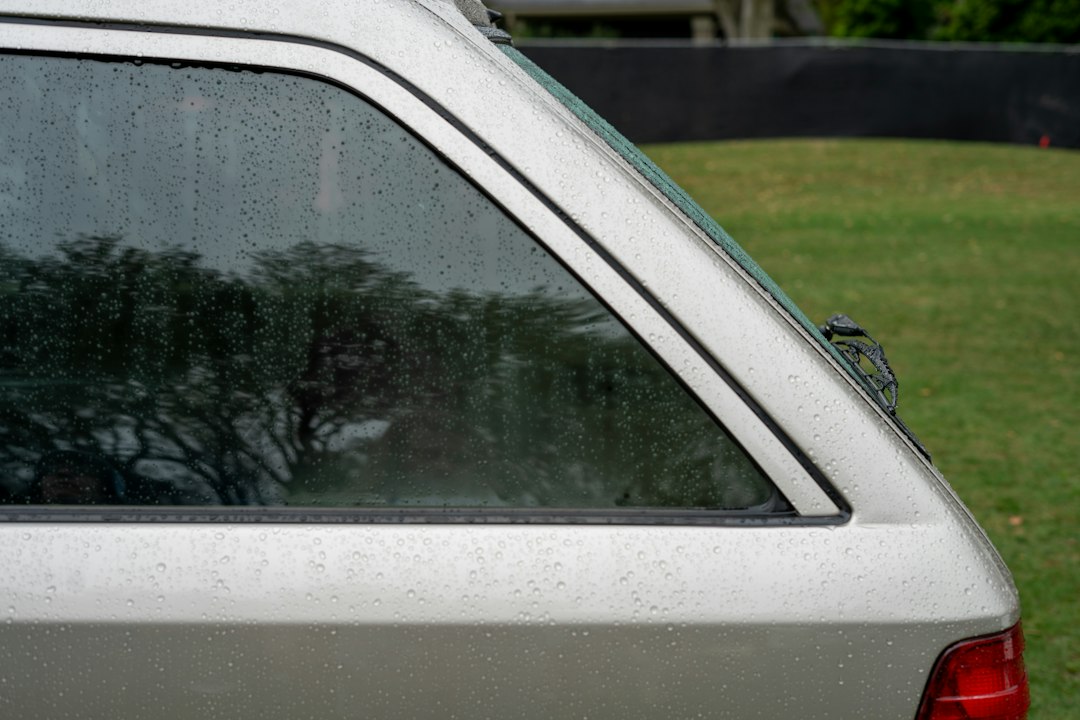
While windshields are a standard application for lamination, the side and rear windows of your vehicle can be a mix of laminated and tempered glass. Tempered glass is commonly used for side and rear windows because when it breaks, it shatters into small, relatively blunt pieces. This type of breakage is considered safer for side windows, as it allows for a rapid exit from the vehicle in an emergency, which is a primary concern for these specific openings. However, some higher-end vehicles or specific design choices might incorporate laminated glass in side or even rear windows for enhanced sound insulation or to provide a more uniform safety profile across all glass components. The choice between laminated and tempered for these windows often comes down to a balance of safety priorities, cost, and desired performance characteristics. You might notice that if a side window breaks, it often crumbles into many small pieces, a hallmark of tempered glass, whereas a windshield will crack and stay largely in one piece.
When considering the safety features of your vehicle, understanding what laminated means on a car window is essential, as it refers to a type of glass that is designed to hold together when shattered, reducing the risk of injury from flying shards. For more insights on automotive safety and technology, you might find this article on Freaky Science particularly informative, as it delves into various innovations that enhance the driving experience.
Maintaining and Repairing Your Laminated Windows
| Aspect | Description | Typical Use | Benefits | Common Materials |
|---|---|---|---|---|
| Definition | Glass that is bonded with a plastic interlayer, usually polyvinyl butyral (PVB), between two layers of glass. | Car windshields and some side windows | Prevents shattering, holds glass together on impact | Glass + PVB interlayer |
| Safety | Reduces risk of injury by keeping glass shards bonded | Front windshields, some side windows | Improved occupant protection in crashes | Tempered glass with PVB |
| Sound Insulation | Plastic interlayer dampens sound transmission | Luxury vehicles, noise-sensitive environments | Quieter cabin experience | Glass + PVB or acoustic interlayers |
| UV Protection | Interlayer blocks most UV rays | All laminated windows | Protects interior and occupants from UV damage | Glass + UV-blocking interlayer |
| Durability | More resistant to penetration and breakage | Windshields and some side windows | Enhanced security and longevity | Glass + PVB |
Laminated glass, particularly your windshield, is a durable component of your vehicle, but it’s not indestructible. Understanding how to maintain it and when to seek professional repair is essential for preserving its safety functions and your vehicle’s overall condition.
Routine Inspections for Damage
Regularly inspecting your laminated windows, especially your windshield, for any signs of damage is crucial. This includes small chips, cracks, or star-shaped breaks caused by impacts from stones, debris, or even severe weather. Even minor damage can compromise the structural integrity of the glass and, in turn, the safety of the vehicle. A small chip can, over time and with temperature fluctuations or further impacts, spread into a larger crack, necessitating a full replacement. Make it a habit to quickly scan your windshield before and after driving, especially on highways or roads known for debris.
Understanding Repair vs. Replacement
The good news about laminated glass is that many minor damages, such as small chips and cracks, can often be repaired by professional auto glass technicians. Repair involves injecting a special resin into the damaged area, which then cures to bond the glass fragments together and restore clarity. This process is significantly cheaper and faster than replacement, and it can effectively restore the structural integrity of the windshield. However, if the damage is too large, too extensive, or located in a critical viewing area (like directly in front of the driver), replacement is the only safe option. Technicians are trained to assess the severity of the damage and recommend the most appropriate course of action. Ignoring damage or attempting to repair it yourself without the proper tools and materials can lead to ineffective repairs and compromised safety. Always entrust these repairs to certified professionals.

Your Car Window Can Keep You In—Even When You Need Out
FAQs
What does “laminated” mean on a car window?
When a car window is described as “laminated,” it means that the window is made up of multiple layers of glass with a layer of plastic sandwiched in between. This design helps improve the strength and safety of the window.
Why are car windows laminated?
Car windows are laminated to enhance safety and security. The layers of glass and plastic make the window more resistant to shattering upon impact, reducing the risk of injuries from broken glass during accidents.
What are the benefits of laminated car windows?
Laminated car windows provide improved sound insulation, better protection against UV rays, increased security against break-ins, and enhanced structural integrity in the event of a collision.
Can laminated car windows be repaired if damaged?
If a laminated car window is damaged, it is recommended to consult a professional auto glass repair service. Depending on the extent of the damage, they may be able to repair the window or recommend a replacement if necessary.
Are all car windows laminated?
Not all car windows are laminated. Typically, front windshields are laminated for safety reasons, while side and rear windows may be made of tempered glass, which is designed to shatter into small, dull pieces for safety.