
You’re Driving, and You Notice It: That Little Etching on Your Car Window
You’ve probably seen it before, a small, often circular or triangular symbol etched into the corner of your car’s side or rear windows. It might say “Tempered” or “Laminated,” and alongside it, you’ll likely find a series of letters and numbers. What does this actually mean for you, the driver? It’s more than just an obscure manufacturing stamp; it’s a key to understanding the safety glass that protects you and your passengers. You might not think about your car windows much until they’re compromised, but their design and material are crucial for your well-being on the road. This article will demystify what “tempered” signifies on your car windows, delving into the science behind this safety feature and why it’s so important.
When discussing the term “tempered” in relation to car windows, it’s essential to understand the safety and manufacturing processes involved. Tempered glass is treated to withstand greater stress and impact than regular glass, making it a crucial component in automotive design. For a deeper insight into the properties and benefits of tempered glass, you can refer to this informative article on the topic at Freaky Science.
The Science of Shattering: How Tempered Glass Works
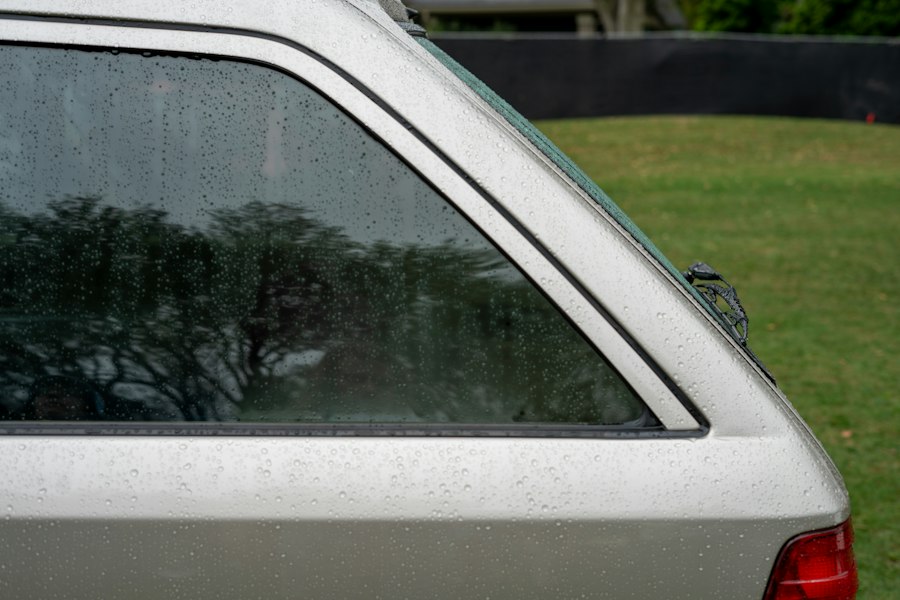
When you encounter the word “tempered” on a car window, it’s referring to a specific manufacturing process that dramatically alters the glass’s properties, making it significantly safer than ordinary glass. Think of it as glass that’s been put through a rigorous training regime to prepare it for the harsh realities of the road. This process isn’t accidental; it’s a deliberate engineering feat designed to control how the glass breaks, thereby minimizing injury in the event of an accident.
Heat Treatment: The Core of Tempering
The primary method of tempering glass is through a process called thermal tempering. This involves heating ordinary annealed glass to a very high temperature, typically around 600-700 degrees Celsius (1100-1300 degrees Fahrenheit). This is far above its softening point but below its melting point. Imagine the glass becoming almost pliable, like warm taffy. Once it reaches this critical temperature, it’s rapidly cooled. This rapid cooling, often achieved by blowing jets of air onto the surface, is the crucial step.
The Stressful Outcome: Creating Internal Tension
As the outer surfaces of the glass cool down and contract much faster than the interior, they become compressed. The interior, still hot and molten, continues to contract as it cools, pulling the already solidified outer layers inward. This creates a state of intense internal stress. The outer surfaces are in a state of compression, while the inner core is in a state of tension. This might sound counterintuitive – you might think tension would make it weaker. However, this specific combination of stresses is what makes tempered glass so strong and safe. The outer compressive layer essentially shields the inner tensile layer from direct impact.
The “Granule” Effect: Controlled Breakage
When tempered glass is subjected to a significant impact that overcomes the outer compressive layer and reaches the inner tensile layer, it doesn’t shatter into large, jagged shards like ordinary glass. Instead, the stored energy is released catastrophically, causing the entire pane to break into thousands of small, relatively blunt, granular pieces. These tiny fragments are much less likely to cause severe lacerations than the sharp, knife-like pieces of broken annealed glass. This is the defining characteristic of tempered glass and the primary reason for its use in applications where safety is paramount, such as vehicle windows.
Other Tempering Methods: Beyond Heat
While thermal tempering is the most common method for automotive glass, it’s worth noting that chemical tempering also exists. This process involves immersing glass in a molten salt bath. Ion exchange occurs, where larger sodium ions in the glass are replaced by smaller potassium ions from the salt bath. As these larger ions try to expand in the cooler bath, they create compressive stress on the surface, similar to the thermal process. However, for the sheer volume and durability required for car windows, thermal tempering is the industry standard.
Why Cars Need This Special Glass: Safety First

The decision to use tempered glass in your car’s side and rear windows isn’t arbitrary; it’s a direct response to the need for enhanced safety for drivers and passengers. Imagine the consequences if your side windows shattered like ordinary glass during a collision. The potential for severe injury from flying shards would be immense. Tempered glass offers a vital layer of protection, mitigating these risks.
Preventing Ejection and Windscreen Intrusion
One of the primary safety considerations in vehicle design is preventing occupants from being ejected during a crash. While seatbelts and airbags are the main lines of defense, intact windows play a role. In some crash scenarios, the force can be so great that it might push occupants through a compromised window opening. Tempered glass, while designed to break, does so in a way that keeps the window opening largely intact initially, offering some resistance to ejection. Conversely, the windscreen, which is designed to remain largely intact to prevent occupant ejection and stop external objects from entering, is typically made of laminated glass, a different type of safety glass. The distinction is important: tempered for controlled breakage, laminated for structural integrity.
Reducing the Risk of Lacerations
As discussed, the granular nature of tempered glass breakage is its most significant safety advantage. When a side or rear window breaks, the thousands of small, blunt fragments are far less likely to cause deep cuts and severe bleeding than the large, sharp pieces that would result from annealed glass. This drastically reduces the risk of lacerations to occupants, especially during a rollover accident or a side-impact collision where the windows are more likely to be the point of failure. This controlled fragmentation is a life-saving feature.
Visibility During and After a Crash
While the primary function of glass is to provide visibility, its behavior during a crash is equally critical. Tempered glass breaks into a pattern that, while obstructing vision, doesn’t completely blind the driver or passenger instantaneously. This can be crucial for navigating the immediate aftermath of an accident, allowing for a brief period of orientation before the glass is fully dispersed. This is a stark contrast to ordinary glass, which can shatter and obscure vision almost entirely in one go.
The Visible Clues: What to Look For on Your Windows
You might be wondering how you can identify tempered glass on your own vehicle. The etching on the window is your primary guide, and it’s not as cryptic as it might seem. These markings are standardized and provide essential information about the glass’s manufacturing and safety compliance.
Decoding the Etchings: A Manufacturer’s Mark
At the bottom corner of most car side and rear windows, you’ll find a series of markings. The word “Tempered” is usually the most prominent identifier. Alongside this, you’ll often see a manufacturer’s logo or name, indicating who produced the glass. This is standard practice for accountability and quality control.
Safety Standards and Certifications
Following the manufacturer’s mark, you’ll typically find a code that signifies compliance with safety standards. For North America, this often includes the “DOT” designation, followed by a number. The DOT number indicates that the glass meets the Federal Motor Vehicle Safety Standards (FMVSS). For example, DOT 24 means the glass meets FMVSS 205, which pertains to glazing materials. In Europe, you might see an “E” mark within a circle, indicating compliance with European ECE regulations. These certifications assure you that the glass has undergone rigorous testing and meets specific safety requirements.
The Significance of the Number Sequence
Beyond the DOT designation, there’s usually a sequence of numbers and sometimes letters. This often indicates the manufacturer’s specific model or type of glass. For tempered glass, it’s important to note that this code will clearly distinguish it from laminated glass, which would have different markings (e.g., “Laminated” or codes related to laminated safety glazing standards). The presence of “Tempered” is your unequivocal confirmation of the glass type. You might also see a date code, indicating when the glass was manufactured.
When considering the safety features of your vehicle, understanding what tempered means on car windows is essential. Tempered glass is designed to be stronger and more resistant to impact than regular glass, making it a popular choice for automotive applications. For a deeper dive into the benefits and characteristics of tempered glass, you can explore this informative article on the topic. It provides valuable insights that can help you make informed decisions regarding your vehicle’s safety features. To learn more, visit this article.
Distinguishing Tempered from Laminated: A Crucial Difference
| Aspect | Description | Purpose | Safety Feature | Common Use |
|---|---|---|---|---|
| Tempered Glass | Glass that has been heat-treated to increase strength | To make the glass stronger and more resistant to impact | Shatters into small, blunt pieces instead of sharp shards | Side and rear car windows |
| Manufacturing Process | Heating glass to ~620°C and then rapidly cooling it | Creates compressive stress on the surface and tensile stress inside | Improves durability and safety | Automotive windows, shower doors, glass doors |
| Strength | Approximately 4-5 times stronger than regular annealed glass | Resists breakage from impacts and pressure | Reduces risk of injury during accidents | Used where safety and strength are critical |
| Breakage Pattern | Breaks into small granular chunks | Minimizes injury from sharp edges | Enhances passenger safety | Side windows, rear windows |
| Identification | Usually marked with a small etching or label on the glass | To certify tempered safety glass | Ensures compliance with safety standards | Automotive glass manufacturing |
It’s essential to understand that not all car windows are made of tempered glass. The windscreen (windshield) of your vehicle is almost always made of laminated glass, and there’s a very good reason for this. The properties and intended function of tempered and laminated glass differ significantly, and understanding these differences is crucial for comprehending automotive safety glass as a whole.
Laminated Glass: The Windscreen’s Backbone
Laminated glass is constructed by sandwiching a layer of polyvinyl butyral (PVB) plastic between two sheets of ordinary glass. When laminated glass breaks, the PVB layer acts like a strong adhesive, holding the broken pieces of glass together. This prevents the glass from shattering outwards and significantly reduces the risk of occupant ejection. It also provides a stronger barrier against projectiles entering the vehicle. This is why it’s the preferred choice for windscreens, where maintaining structural integrity and preventing intrusion are paramount.
The Functional Divide: Side vs. Front
The distinction between tempered and laminated glass on your vehicle is based on their intended function. Your side and rear windows are designed to break in a controlled, safe manner to minimize injury. Your windscreen is designed to remain largely intact to protect you from external hazards and prevent ejection. While both are safety glasses, their mechanisms of achieving safety are fundamentally different. You’ll rarely, if ever, see laminated glass used for side or rear windows on modern passenger cars, and conversely, tempered glass is almost never used for windscreens.
Recognizing the Breakage Pattern
The most obvious difference you might encounter is how the glass breaks. If you’ve ever seen a car window shattered, the difference between a tempered side window and a laminated windscreen will be stark. A tempered window will be a web of small, granular fragments, while a laminated windscreen will have cracks but the glass will largely remain in place, held by the PVB interlayer. This visible distinction is a testament to the different safety philosophies behind each type of glass.
The Importance of Proper Replacement: When Safety is Compromised
Understanding what tempered glass is and how it functions is only half the battle. The critical takeaway is how this knowledge impacts you when a window needs replacement. Using the correct type of glass is not just about aesthetics or convenience; it’s a matter of safety compliance and ensuring your vehicle continues to offer the protection it was designed to provide.
The Risks of Incorrect Replacement
If a side or rear window on your car is damaged, it must be replaced with another piece of tempered glass. Using laminated glass in place of tempered glass would compromise the vehicle’s safety system. It might seem like an easy fix, but the breakage pattern would no longer be controlled, increasing the risk of injury to occupants. Conversely, attempting to use tempered glass for a windscreen replacement would be equally dangerous, as it would not provide the necessary structural integrity to prevent ejection or projectile intrusion.
Seeking Professional Expertise
When you need a car window replaced, always consult with a reputable auto glass repair specialist. They have the expertise and knowledge to identify the correct type of glass required for each specific window on your vehicle. They will be able to read the markings on your existing glass and source an exact replacement that meets all the necessary safety standards and specifications. Never attempt to replace car glass yourself unless you are a trained professional with access to the correct materials.
Maintaining Vehicle Safety Standards
Your car is a complex system of safety features, and the glass is an integral part of that system. By ensuring that any replacement glass is the correct type – tempered for side and rear, laminated for the windscreen – you are actively contributing to maintaining the original safety standards of your vehicle. This adherence to proper specifications is crucial for your protection and the protection of your passengers in the unfortunate event of an accident. It’s a small detail that has significant implications for your safety on the road.

Your Car Window Can Keep You In—Even When You Need Out
FAQs
What does tempered mean on car window?
Tempered glass is a type of safety glass that is processed by heating and then rapidly cooling the glass to make it stronger and more durable. This process also causes the glass to shatter into small, blunt pieces when broken, reducing the risk of injury.
Is tempered glass used in car windows?
Yes, tempered glass is commonly used in car windows, particularly in side and rear windows. It provides added safety by reducing the risk of serious injury in case of an accident or impact.
How can you tell if a car window is made of tempered glass?
One way to identify tempered glass in a car window is to look for a small logo or marking in one of the corners of the glass. Additionally, when broken, tempered glass will shatter into small, pebble-like pieces rather than sharp, jagged shards.
What are the benefits of tempered glass in car windows?
Tempered glass in car windows offers increased safety by reducing the risk of serious injury from broken glass. It is also more resistant to impact and scratches, making it a durable choice for automotive applications.
Can tempered glass be repaired if it gets damaged?
Tempered glass cannot be repaired once it is damaged. If a car window made of tempered glass is cracked or shattered, it will need to be completely replaced with a new piece of tempered glass.