The Unseen Shield: Understanding Laminated Glass’s Remarkable Resilience
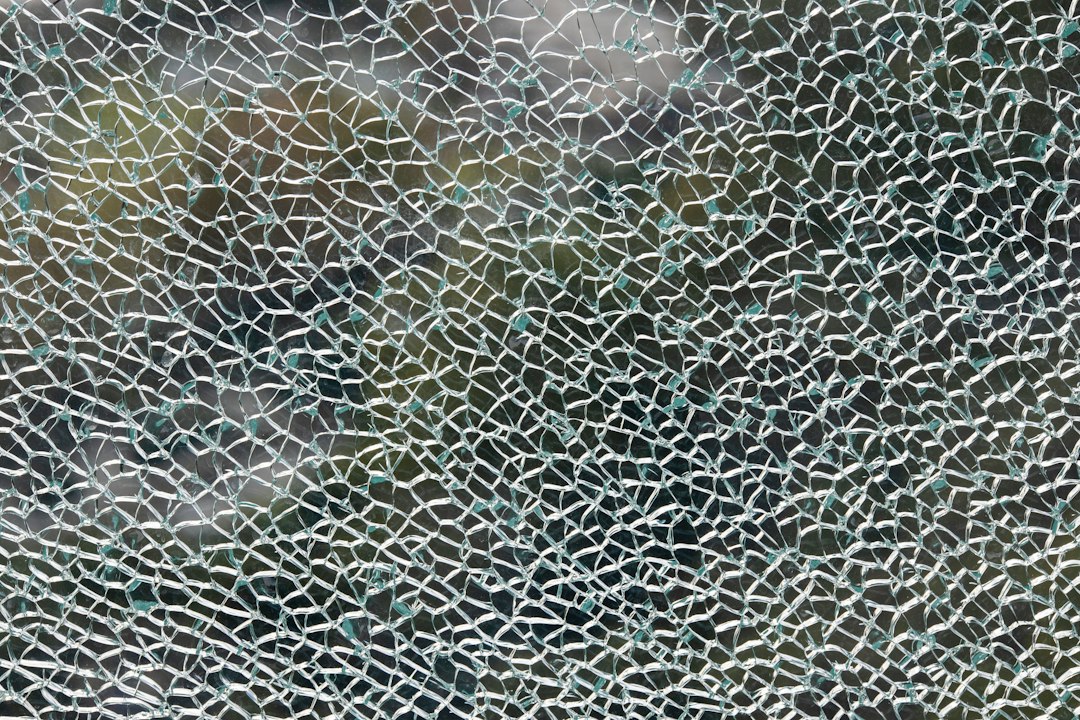
You’ve seen it. A window struck by a forceful impact, a spiderweb of cracks radiating from a central point. Yet, the glass hasn’t shattered outwards, sending shards flying. Instead, it holds firm, a testament to its underlying strength. This isn’t magic; it’s the fascinating science of laminated glass, a material that cracks but refuses to break apart. You might wonder, how can something so seemingly fragile endure such punishment while remaining a cohesive unit? The answer lies in its unique construction, a deliberate engineering feat that marries the clarity of glass with the tenacity of a polymer interlayer.
Imagine a sandwich, but one designed for extreme conditions. Laminated glass is precisely that: two or more panes of glass bonded together by a layer of polyvinyl butyral (PVB), a tough, transparent plastic. This interlayer is the unsung hero, the reason why, even when fractured, the glass remains a single, albeit cracked, sheet. It’s this interlayer that absorbs and dissipates the energy of an impact, preventing the catastrophic disintegration we associate with ordinary annealed glass. Understanding this interplay between the rigid glass and the flexible interlayer is key to appreciating why laminated glass, despite its visible damage, often continues to serve its protective purpose.
Laminated glass is known for its durability and safety features, but it can still experience cracking under certain conditions. Understanding the reasons behind these cracks is essential for both manufacturers and consumers. For a deeper insight into this topic, you can refer to the article that discusses the mechanisms of laminated glass failure and its ability to hold together despite cracking. To learn more, visit this article.
## The Anatomy of a Laminated Pane: Layers of Strength
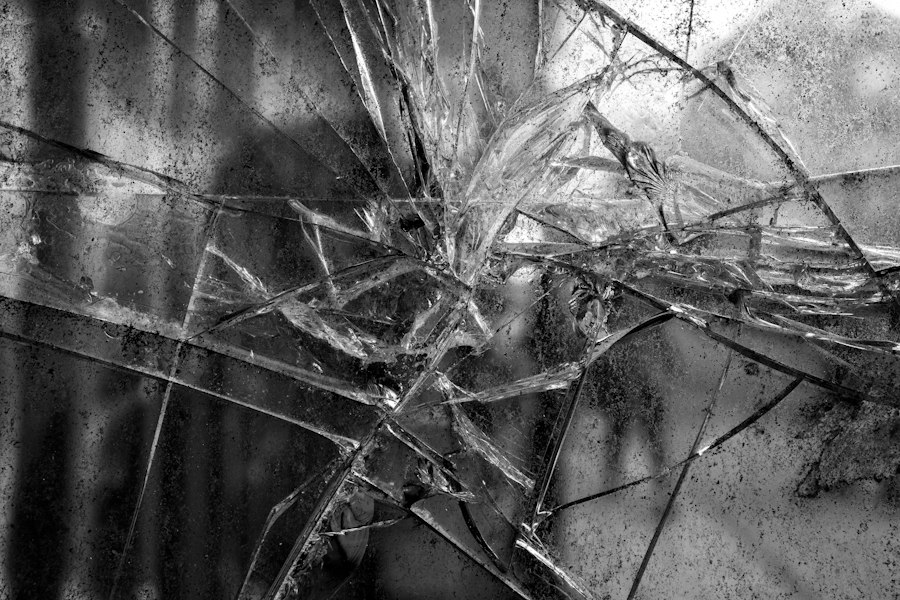
At its core, laminated glass is a composite material. It’s not just glass; it’s a carefully orchestrated fusion of different components, each contributing to its overall performance. You’re not looking at a monolithic sheet; rather, you’re observing the result of a precise manufacturing process.
## The Glass Itself: A Foundation of Rigidity
The glass used in laminated panes is typically annealed glass, the same kind you might find in standard windows. It’s manufactured by heating raw materials like sand, soda ash, and limestone to extremely high temperatures until they melt. This molten glass is then cooled slowly, a process called annealing, which relieves internal stresses. This slow cooling is crucial. If glass cools too quickly, internal stresses build up, making it brittle and prone to spontaneous breakage. Annealed glass, while still breakable, provides a clear and optically sound base for the laminated structure. In some applications, tempered glass might be used as one or both of the glass layers in a laminate. Tempered glass undergoes a secondary heat treatment that creates significant compressive stress on its surface and tensile stress in its interior. This makes it four to five times stronger than annealed glass and causes it to shatter into small, relatively harmless granular pieces when broken. However, for the specific phenomenon of cracking but staying intact, annealed glass is more commonly the focus, as its fracture pattern, when bonded by PVB, is what visually demonstrates the interlayer’s effectiveness.
## The Polyvinyl Butyral (PVB) Interlayer: The Flexible Heart
The true magic of laminated glass resides in the PVB interlayer. This is not just any plastic; it’s a highly specialized thermoplastic. PVB is a polymer known for its excellent adhesion to glass, its remarkable toughness, its transparency, and its ability to absorb energy. During the manufacturing process, the PVB film is placed between the glass panes, and the entire assembly is heated under pressure in an autoclave. This process causes the PVB to melt and bond permanently to the glass surfaces, creating a strong, cohesive unit. The thickness of the PVB layer can vary depending on the intended application, with thicker layers providing greater impact resistance and sound insulation. Think of it as a shock absorber for the glass. When an object strikes the outer pane, the PVB doesn’t just break; it stretches and deforms, absorbing a significant portion of the impact energy. This absorption prevents the stress from immediately propagating through the entire thickness of the glass and causing it to fracture explosively.
## The Bonding Process: A Marriage of Materials
The creation of laminated glass is a sophisticated manufacturing process. It’s not as simple as slapping two pieces of glass together. The process involves careful cleaning of the glass surfaces to ensure optimal adhesion, precise placement of the PVB interlayer, and then a controlled heating and pressurization phase in an autoclave. The autoclave essentially acts as a giant oven and press, forcing the PVB to flow and adhere intimately to the glass. This high-pressure, high-temperature environment ensures that there are no air bubbles or voids between the layers, which would compromise the strength and integrity of the laminate. The result is a strong, durable bond where the glass and the PVB become inseparable. This intimate bond is what allows the PVB to effectively transfer the stress from one side of the crack to the other, holding the fractured glass together.
## The Impact Event: When Forces Collide
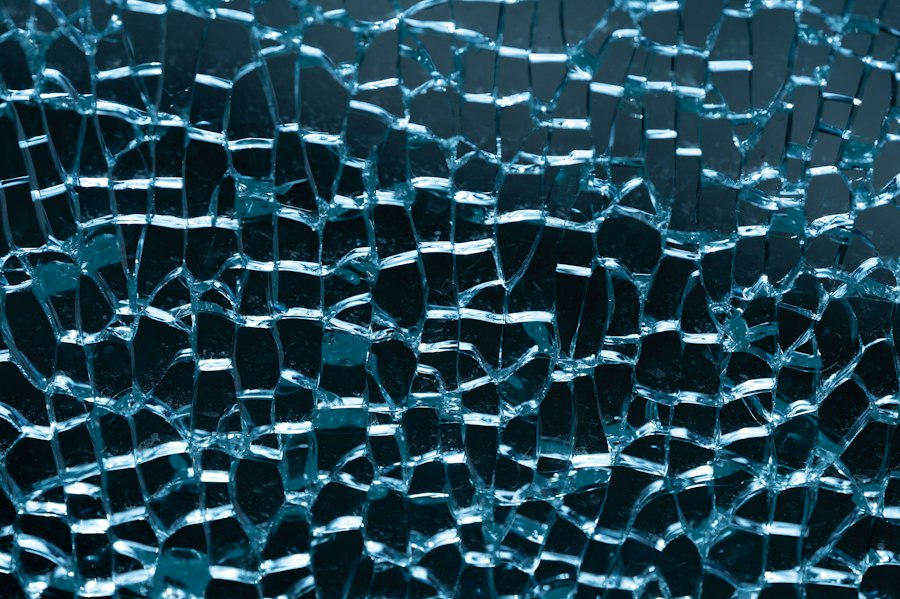
When a force, be it from a projectile, a strong wind gust, or even accidental impact, strikes a laminated glass pane, a sequence of events unfolds. It’s a dynamic process where the energy of the impact is managed and distributed in a way that ordinary glass cannot replicate. You’re witnessing a controlled failure, not a catastrophic one.
## Initial Fracture: The First Sign of Stress
The moment of impact is critical. The force is concentrated on a small area of the outer glass pane. If this force exceeds the tensile strength of the glass, it will fracture. This is the visible “cracking” you observe. The pattern of the cracks can vary depending on the nature and force of the impact. Typically, you’ll see radial cracks emanating from the point of impact, like spokes on a wheel, and concentric cracks forming around it. However, the key difference is that these fractures don’t propagate freely through the entire pane. The stress, while sufficient to break the brittle glass, is not enough to overcome the tensile strength of the PVB interlayer and the adhesion between the PVB and the glass on either side of the fracture.
## The PVB’s Role: Absorbing and Dissipating Energy
This is where the PVB truly shines. As the glass cracks, the PVB interlayer stretches and deforms. This stretching action absorbs a substantial amount of the impact energy that would otherwise cause the glass to shatter. Think of it like a rubber band being stretched – it stores energy. The PVB interlayer acts as a viscous damper, dissipating the energy through internal friction as it deforms. Furthermore, the PVB’s inherent toughness and its strong bond with the glass prevent the cracks from spreading further. The force is effectively “bridged” across the crack by the PVB, holding the two fractured pieces of glass in place. This is why you see the cracked pane still forming a barrier, preventing immediate passage.
## Maintaining Integrity: The “Stay-In-Place” Phenomenon
The combined effect of the PVB’s energy absorption and its ability to bridge the cracks results in the characteristic “stay-in-place” behavior of laminated glass. Even when significantly damaged, the pane remains largely intact, held together by the tenacious PVB interlayer. This is a critical safety feature. In applications like car windshields, storefronts, or hurricane-resistant windows, this ability to prevent glass from falling into the interior is paramount for protecting occupants and maintaining structural integrity. You might have a shattered windshield, but you can still see through it, and more importantly, the wind and debris are still largely blocked. This is the direct consequence of the PVB’s remarkable ability to maintain the structural coherence of the glass, even under duress.
## The Science of Stress and Strain: A Molecular Dance
Delving deeper into the physics reveals the sophisticated interplay of forces at a molecular level. It’s not just about layers; it’s about how these layers respond to stress and strain, a dance of molecular bonds and energy transfer.
## Brittle Fracture in Glass: A Tale of Weak Bonds
Glass, by its nature, is a brittle material. This means it has a very low tensile strength compared to its compressive strength. When you apply a force that tries to pull it apart (tensile stress), the weak points in its atomic structure – microscopic flaws and surface imperfections – become critical. These flaws act as stress concentrators, meaning the stress is amplified at these points. When the localized stress at a flaw exceeds the strength of the atomic bonds holding the glass together, a crack initiates. Once initiated, these cracks propagate rapidly through the material, seeking out the path of least resistance, leading to catastrophic failure – shattering. In annealed glass, this propagation is largely unimpeded by internal stresses.
## The PVB’s Viscoelastic Behavior: More Than Just a Glue
The PVB interlayer is a viscoelastic material. This means it exhibits properties of both viscous fluids and elastic solids. When subjected to a rapid force, like an impact, its elastic properties dominate, allowing it to deform and absorb energy. However, its viscous nature also comes into play, providing a damping effect. This combination is crucial. A purely elastic material might deform and spring back, potentially transferring the energy back to the glass. A purely viscous material might deform too slowly to be effective during a high-speed impact. The PVB strikes a perfect balance, offering both rapid deformation for energy absorption and a damping effect to dissipate that energy over time. The molecular chains within the PVB are constantly interacting and sliding past each other, a process that generates heat and dissipates energy.
## Adhesion and Stress Transfer: A Cooperative Effort
The strong adhesive bond between the PVB and the glass is as vital as the PVB’s intrinsic properties. This adhesion ensures that when one layer is stressed, the stress is effectively transferred to the adjacent layer. When the glass cracks, the PVB doesn’t just sit there; it actively engages with the fractured edges of the glass. The PVB layer grips the glass fragments, preventing them from separating. This stress transfer is not uniform; it’s a complex distribution that prevents the localized stress at the crack tip from reaching critical levels in the remaining glass. The PVB effectively “holds” the fractured pieces together, distributing the load across a larger area of intact glass and PVB.
Laminated glass is known for its strength and safety features, but it can still crack under certain conditions while maintaining its structural integrity. This phenomenon occurs due to the unique composition of laminated glass, which consists of layers of glass bonded together with a plastic interlayer. When stress is applied, the outer layer may crack, but the interlayer holds the pieces together, preventing shattering. For a deeper understanding of the factors that contribute to these cracks and the science behind laminated glass, you can read more in this insightful article on Freaky Science.
## Applications and Advantages: Beyond the Obvious Protection
| Metric | Description | Reason Related to Laminated Glass |
|---|---|---|
| Glass Layer Thickness | Typically 2-6 mm per glass layer | Thicker layers resist initial impact but can crack under stress |
| Laminating Interlayer Material | Polyvinyl Butyral (PVB) or Ethylene-vinyl acetate (EVA) | Holds glass shards together after cracking, preventing shattering |
| Impact Resistance | Measured in joules (J) | Glass cracks under high impact but interlayer absorbs energy and holds pieces |
| Crack Propagation Rate | Slow compared to tempered glass | Interlayer slows crack spread, maintaining structural integrity |
| Post-Crack Load Bearing | Maintains up to 70-90% of original strength | Interlayer keeps glass bonded, allowing load transfer despite cracks |
| Safety Performance | Prevents dangerous shards | Cracked glass remains adhered, reducing injury risk |
The unique properties of laminated glass translate into a wide array of practical applications, where its ability to crack yet remain intact offers significant advantages over traditional glazing. You’re not just looking at a stronger piece of glass; you’re seeing a solution to various safety and performance challenges.
## Enhanced Safety and Security: A Barrier Against Intrusion and Injury
Perhaps the most significant advantage of laminated glass is its inherent safety and security. In the event of breakage, the glass fragments remain adhered to the PVB interlayer, preventing them from falling and causing injury. This is why it’s mandatory for automotive windshields. It significantly reduces the risk of occupants being cut by sharp glass during a collision or sudden stop. Beyond automotive use, laminated glass is crucial in security glazing for banks, government buildings, and retail stores, providing a barrier against forced entry and protecting the occupants from projectiles. Even in residential settings, it offers peace of mind against accidental impacts. You break it, but it doesn’t “break apart” in a dangerous way.
## Superior Sound Insulation: A Quieter Environment
The PVB interlayer isn’t just about stopping shards; it’s also an excellent acoustic dampener. Its viscoelastic properties allow it to absorb sound waves, significantly reducing the transmission of noise from the outside to the inside (or vice versa). This makes laminated glass an ideal choice for applications where noise reduction is a priority, such as in hotels, apartments, hospitals, and buildings located near busy roads or airports. You might hear the impact, but the sound that travels through the laminated pane is significantly muffled compared to single-pane glass.
## UV Protection and Glare Reduction: Shielding from the Sun’s Rays
Many PVB interlayers can be formulated to block a significant portion of the sun’s harmful ultraviolet (UV) radiation. This is invaluable for protecting interior furnishings, artwork, and sensitive materials from fading and degradation caused by UV exposure. Additionally, certain PVB formulations can incorporate tints or coatings to reduce glare and solar heat gain, improving occupant comfort and reducing reliance on air conditioning. So, while the glass might crack, it’s still doing its job of shielding you from the sun’s damaging effects.
## Structural and Architectural Innovations: Designing with Confidence
The predictable failure mode of laminated glass allows architects and designers to push the boundaries of what’s possible. In applications where structural integrity is paramount, such as in overhead glazing, balustrades, and facades, laminated glass provides a safety net. If a panel cracks, it will remain in place, preventing the risk of falling glass. This allows for larger expanses of glass and more innovative architectural designs, knowing that safety is intrinsically built into the material. You can have expansive glass walls, confident that even if an impact occurs, the integrity of the barrier will be maintained.
## Maintaining the Shield: Care and Considerations
While laminated glass is remarkably resilient, it’s not indestructible, and understanding its limitations and how to care for it ensures its long-term effectiveness. You’ve learned the science; now consider the practicalities of its upkeep.
## Cleaning and Maintenance: Preserving Clarity and Functionality
Cleaning laminated glass is generally straightforward and similar to cleaning regular glass. Mild soaps or glass cleaners and a soft cloth or squeegee are usually sufficient. It’s important to avoid abrasive cleaners or tools that could scratch the glass surface, as these imperfections can potentially become stress risers over time, although the PVB interlayer significantly mitigates this risk. Regular cleaning helps maintain optical clarity and allows for early detection of any minor damage that might occur. Ensuring the seals around the frame are intact also plays a role in the overall performance of the laminated glass installation.
## Understanding Limitations: When Cracking Becomes Compromise
While laminated glass is designed to remain intact after cracking, it’s essential to recognize its limitations. A significantly impacted or heavily cracked pane, while still a barrier, may have reduced structural integrity compared to an undamaged pane. In such cases, it’s advisable to have the glass inspected and potentially replaced, especially in critical applications like overhead glazing or areas subjected to high wind loads. The PVB interlayer’s ability to hold shattered glass together is a safety feature, not a perpetual structural solution after severe damage. If the cracks are extensive, the overall load-bearing capacity of the pane will be diminished.
## Disposal and Recycling: An Eco-Conscious End-of-Life
The composite nature of laminated glass presents a recycling challenge. Separating the glass from the PVB interlayer requires specialized processes. However, advancements are being made in recycling technologies to recover both materials. For now, disposal often involves crushing the glass and sending it to landfill, or in some cases, it can be repurposed for aggregate in construction. As the demand for sustainable materials grows, expect to see more innovative solutions for recycling laminated glass, ensuring that this remarkably resilient material has a responsible end-of-life. Your broken windshield might have a second life, just not as another pane of glass in its current form.

Your Car Window Can Keep You In—Even When You Need Out
FAQs
Why does laminated glass crack but still hold together?
Laminated glass is made up of two or more layers of glass with a layer of polyvinyl butyral (PVB) sandwiched in between. When the glass cracks, the PVB layer holds the broken pieces together, preventing them from shattering and maintaining the structural integrity of the glass.
What causes laminated glass to crack?
Laminated glass can crack due to various reasons such as impact, stress, temperature fluctuations, or manufacturing defects. The cracks may start from the edge or center of the glass and can spread depending on the severity of the cause.
Can laminated glass crack without breaking apart?
Yes, laminated glass can crack without completely breaking apart. The PVB interlayer helps to keep the broken pieces in place, preventing them from separating and falling out. This feature is especially important for safety and security reasons.
Is it possible to repair cracked laminated glass?
In some cases, cracked laminated glass can be repaired depending on the size and location of the crack. However, it is recommended to consult a professional glass repair service to assess the damage and determine the best course of action to ensure the continued safety and integrity of the glass.
How can one prevent laminated glass from cracking?
To prevent laminated glass from cracking, it is important to handle it carefully, avoid impacts or excessive stress, and ensure proper installation. Regular maintenance and inspections can also help identify any potential issues early on and prevent them from developing into cracks.