
The Hidden Strength: Understanding How Tempered Glass Becomes Your Safety Net
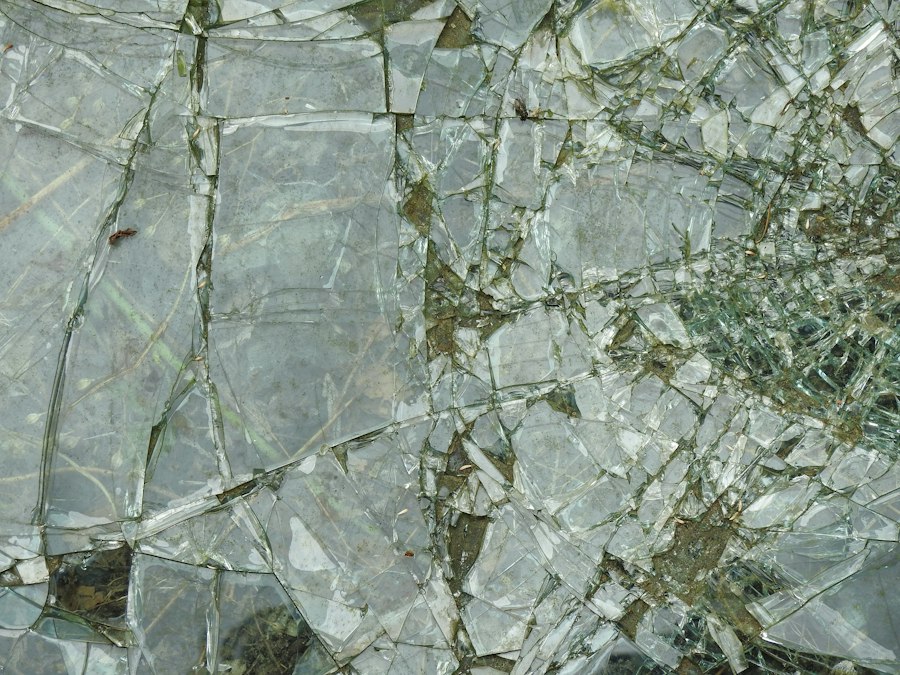
You’ve likely encountered tempered glass without even realizing it. It’s the glass in your car windows, the shower doors in your bathroom, the shelves of your refrigerator, and even the protective screens on your smartphone. But have you ever stopped to wonder why, when this seemingly ordinary material breaks, it does so in such a dramatically different way than a pane of regular glass? The answer lies in a clever, controlled process that transforms ordinary glass into an extraordinary safety feature. You see, when tempered glass shatters, it doesn’t produce long, jagged shards that can cause severe injuries. Instead, it disintegrates into thousands of small, relatively blunt fragments. This is not a random act of destruction; it’s the result of deliberate engineering, a testament to how we’ve learned to manipulate materials for our well-being. The seemingly chaotic explosion of tiny pieces is, in fact, a meticulously designed safety mechanism, preventing the kind of devastating cuts and lacerations that would otherwise be a constant threat.
Tempered glass is known for its strength and safety features, but it can shatter into small, harmless pieces under certain conditions. This phenomenon occurs due to the internal stresses created during the tempering process, which can be exacerbated by factors such as thermal shock or impact. For a deeper understanding of the science behind why tempered glass shatters, you can read a related article on this topic at Freaky Science.
The Foundation of Fragility: The Nature of Ordinary Glass
Before we delve into the marvel of tempered glass, it’s crucial to understand the inherent weakness of its predecessor: ordinary, annealed glass. Imagine glass as a vast, interconnected network of molecules, like a tightly packed city. When glass is manufactured, it’s heated to a high temperature and then cooled slowly. This slow cooling allows the molecules to settle into a relatively stable, uniform arrangement. However, this uniformity also creates internal stresses. Think of it as a city where all the buildings are packed extremely close together, but with some subtle, unseen pressures pushing them against each other. These stresses are inherent to the glass structure itself.
Microscopic Fault Lines: Internal Stresses in Annealed Glass
These internal stresses are not immediately apparent. You can look at a pane of ordinary glass and see no obvious signs of strain. However, at a microscopic level, these tensions are present throughout the material. They are the result of the uneven cooling process. As the outer surfaces of the molten glass cool and solidify, they contract. The interior, however, remains molten for longer. When the interior eventually cools and contracts, it tries to shrink, but it’s now constrained by the already solid outer layers. This creates a tug-of-war within the glass, leaving the surface in a state of compression and the interior in a state of tension. It’s like a spring that’s been compressed on the outside but is trying to expand on the inside. This delicate balance is easily upset.
The Cascade of Cracks: How Ordinary Glass Breaks
Because of these internal tensile stresses, ordinary glass is quite brittle. When you apply force to a pane of annealed glass, whether it’s a sharp tap or a significant impact, the stress concentrates at any microscopic flaw or imperfection on the surface. These flaws act as stress risers, points where the internal tension is amplified. Once the stress at a flaw exceeds the glass’s tensile strength, a crack begins to propagate. This crack travels rapidly through the glass, seeking out other flaws and existing stresses. Because the interior of the glass is under tension, the crack can extend far and wide, encouraged by the internal forces. The result is a violent fracture that splits the glass into long, sharp, and dangerous shards. These shards are essentially the manifestation of the released internal tensile stresses, each piece carrying a significant amount of stored energy. The sharpness comes from the way the material tears apart along these planes of weakness.
The Alchemical Transformation: Forging Tempered Glass

Now, let’s move to the magic of tempering. Tempered glass, also known as toughened glass, undergoes a special heat treatment process that fundamentally alters its internal stress distribution. It’s not a different type of glass in terms of its chemical composition; it’s the same silica-based material. The difference lies entirely in how it’s processed. This process is designed to create a specific and beneficial internal stress pattern, making it much stronger and safer than ordinary glass. The goal is to introduce a controlled form of stress that will dictate how the glass breaks when it is subjected to force.
The Intense Heat: Heating Ordinary Glass to Its Limit
The tempering process begins with heating a pane of annealed glass to a very high temperature, typically around 600-700 degrees Celsius (1100-1300 degrees Fahrenheit). This temperature is well above the glass’s softening point, but critically, it’s below its melting point. At this elevated temperature, the glass becomes pliable and its internal molecular structure loosens up. Imagine the city of buildings from before, but now the ground is soft, and the buildings can subtly shift and rearrange themselves. This state of extreme heat is essential for the next step, where the deliberate creation of stress begins. The precise temperature and duration of this heating phase are crucial for achieving the desired outcome.
The Rapid Chill: Quenching for Strength
Once the glass has reached the optimal temperature and has been held there for a sufficient period, it undergoes a rapid cooling process called quenching. This is typically done by blasting the surface of the hot glass with high-pressure air from precisely calibrated nozzles. This rapid cooling is the key to creating the tempered glass’s unique properties. As the outer surfaces of the glass cool down much faster than the interior, they begin to contract and solidify. However, the interior of the glass is still hot and in a more molten state. As the interior continues to cool, it also tries to contract.
The Internal Tug-of-War: Creating Compressive Strength
This is where the crucial difference lies. Because the outer surfaces have already solidified and are resisting the contraction of the interior, the interior is put under immense compressive stress. Conversely, the outer surfaces are placed in a state of tensile stress. However, the critical point is that the compressive stresses on the surface are significantly stronger than the tensile stresses in the interior. Think of it like stretching a piece of rubber. If you stretch it evenly, it will eventually break. But if you manage to compress the outer layers significantly while leaving the inner core under some tension, the material becomes much more resistant to breaking. The forces are balanced in a way that makes it incredibly difficult for external forces to overcome the internal compression. This carefully engineered stress profile is what makes tempered glass so much stronger and safer.
The Science of Sacrifice: How Tempered Glass Breaks Safely
The real magic of tempered glass is revealed when it does break. Because of the carefully controlled internal stresses, its failure mode is dramatically different from that of ordinary glass. The compressive stress on the surface acts as a protective shield, absorbing and distributing impact energy. This makes tempered glass significantly stronger than annealed glass, up to five times stronger, in fact. But when that force eventually exceeds the material’s limit, the way it fails is what makes it a safety feature.
The Release of Stored Energy: A Controlled Detonation
When a significant impact occurs, it first has to overcome the substantial compressive stress on the outer surface. If the impact is strong enough to overcome this, it begins to create a crack. However, unlike ordinary glass where the interior is in tension and readily propagates cracks, the interior of tempered glass is under compression. When a crack starts, it encounters this compressive force. The internal tensile stresses are minimal. Instead, the breaking process involves the rapid release of the stored energy within the glass. Imagine a compressed spring. When you release it, it snaps. In tempered glass, the outer layers are in compression, and the inner layers are in tension. When the outer layer is breached, it releases its compressive force, and the inner layers, which were under tension, rapidly expand.
The Fragmentation Effect: Tiny, Blunt Cubes
This rapid release of energy causes the entire pane of glass to fracture almost simultaneously. Because the tensile stresses are not as widespread as in annealed glass, and the breaking process is so rapid and uniform, the glass doesn’t have the opportunity to form long, sharp shards. Instead, the stored energy causes the glass to shatter outwards in a wave of fracture. The way the molecules are arranged and the rapid release of stress result in the formation of small, relatively blunt fragments. These fragments are often described as pebble-like or granular. They are the result of the controlled de-stressing of the material. The sharp edges that would be so dangerous in annealed glass are largely absent, significantly reducing the risk of deep cuts and lacerations.
Why Not Sharp Edges? The Nature of the Fracture
The reason these tiny pieces are not razor-sharp is due to the way the glass breaks. The initial impact overcomes the surface compression. However, the internal structure, now dominated by outward-expanding tensile forces from the core and the remaining compression from the surface, leads to a brittle fracture that propagates in a multitude of directions. The energy is dissipated in creating many small fracture surfaces rather than a few large, sharp ones. The inherent structure of glass, when fractured in this specific way, lends itself to this granular disintegration. It’s a controlled disintegration, designed to minimize harm.
Tempered glass is known for its strength and safety features, but it can still shatter into small, harmless pieces under certain conditions. This phenomenon occurs due to the internal stresses created during the tempering process, which can be exacerbated by factors such as extreme temperature changes or physical impact. For a deeper understanding of the science behind why tempered glass behaves this way, you can read more in this insightful article on the topic. The article provides a comprehensive explanation of the mechanisms involved and offers valuable insights into the properties of tempered glass. To explore further, visit this link.
The Everyday Applications: Tempered Glass in Your World
| Factor | Description | Impact on Shattering | Example/Metric |
|---|---|---|---|
| Internal Stress | Tempered glass is heat-treated to create compressive stress on the surface and tensile stress inside. | Causes glass to break into small, blunt pieces rather than sharp shards. | Surface compressive stress: ~100 MPa |
| Edge Damage | Chips or cracks on edges act as stress concentrators. | Increases likelihood of spontaneous shattering. | Edge strength reduced by up to 50% |
| Nickel Sulfide Inclusions | Microscopic impurities trapped during manufacturing. | Can cause delayed spontaneous breakage due to phase changes. | Occurs in ~1 in 2000 panes |
| Thermal Stress | Rapid temperature changes cause uneven expansion. | May trigger shattering if stress exceeds tolerance. | Glass can withstand ~150°C difference |
| Impact Force | Physical blows or pressure applied to the glass. | Breaks glass into small granular pieces. | Impact energy threshold: ~10 J/cm² |
The safety benefits of tempered glass are so profound that it has become a ubiquitous material in countless applications where safety is paramount. You interact with it daily, often without consciously thinking about its engineered properties. From the mundane to the critical, tempered glass plays a vital role in protecting you and others. Its strength and safety profile make it the material of choice for numerous industries.
Automotive Excellence: Enhancing Driver and Passenger Safety
Perhaps one of the most well-known applications of tempered glass is in the automotive industry. Your car’s side and rear windows are almost exclusively made of tempered glass. This is a deliberate safety choice. In the event of an accident, if these windows break, they will shatter into small, rounded pieces, significantly reducing the risk of injury to occupants from flying glass. The front windshield, however, is typically made of laminated glass, which is a different safety technology designed to prevent penetration while remaining largely intact. The distinction is important for understanding the specific safety roles of different glass types in vehicles.
Architectural Integrity: Safeguarding Homes and Buildings
In architecture, tempered glass is used extensively for its safety and strength. Shower doors are a prime example; imagine the danger if a glass shower door shattered into sharp shards. Tempered glass prevents this. Balustrades, skylights, and even large glass panels in buildings often utilize tempered glass, especially in areas where there’s a higher risk of impact or human contact. It’s also mandated in certain building codes for safety reasons, particularly in high-traffic areas or where there’s a risk of falling. Its ability to withstand greater impact and break safely makes it an essential component of modern building safety standards.
Protecting Your Devices: The Screen Protector Revolution
On a smaller, yet incredibly personal scale, tempered glass has revolutionized the protection of our electronic devices. The protective screen covers on smartphones, tablets, and smartwatches are often made from thin sheets of tempered glass. These protectors are designed to absorb the impact of drops and scratches, sacrificing themselves to save the much more expensive and fragile screen beneath. When the protector breaks, it shatters into tiny pieces, preventing damage to your device and also minimizing the risk of injury to your fingers from a cracked screen. This small but significant application highlights the widespread impact of tempered glass technology.
Beyond the Break: Other Advantages of Tempered Glass
While its shattering behavior is its most celebrated safety feature, tempered glass offers several other advantages that contribute to its widespread adoption. These benefits, combined with its inherent safety, make it a superior choice for many applications. It’s not just about how it breaks; it’s also about how it performs before it reaches that point.
Enhanced Strength: Resisting Everyday Forces
As mentioned earlier, tempered glass is significantly stronger than annealed glass. This increased strength means it can withstand greater pressure, impact, and thermal stress. This makes it ideal for applications where the glass is subjected to more than just gentle handling. Think about the shelves in your refrigerator, which need to support the weight of food and beverages without cracking. Or the glass on a commercial storefront, which must withstand wind pressure and the occasional accidental bump. Tempered glass provides the necessary resilience for these demanding environments.
Thermal Resistance: Withstanding Temperature Swings
Tempered glass also exhibits better resistance to thermal shock compared to ordinary glass. Thermal shock occurs when there’s a rapid change in temperature, which can cause ordinary glass to crack. Tempered glass, due to its internal stress distribution, is more capable of withstanding these temperature fluctuations without fracturing. This makes it suitable for applications like oven doors, cookware lids, and even certain types of laboratory equipment where temperature changes are common. The controlled internal stresses help to absorb and dissipate the stresses caused by rapid heating or cooling.
The Visual Clarity: No Compromise on Aesthetics
Crucially, the tempering process does not alter the optical properties of the glass. Tempered glass remains as clear and transparent as its annealed counterpart. This means you don’t have to sacrifice visual clarity for safety or strength. The glass still offers the same pristine view, allowing light to pass through unimpeded. This is essential for applications like windows, display cases, and any situation where visibility is important. The aesthetic appeal of the glass is preserved while its structural integrity and safety are significantly enhanced. The visual experience remains unchanged, making the safety benefits seamless and unobtrusive.

Your Car Window Can Keep You In—Even When You Need Out
FAQs
Why does tempered glass shatter into small pieces?
Tempered glass is designed to break into small, granular pieces when shattered to reduce the risk of injury. This is due to the unique manufacturing process that creates internal tension within the glass, causing it to break into small, less dangerous pieces.
What causes tempered glass to shatter unexpectedly?
Tempered glass can shatter unexpectedly due to various factors such as manufacturing defects, damage to the edges or surface, or sudden changes in temperature. These factors can disrupt the internal tension in the glass, leading to spontaneous shattering.
Can tempered glass shatter due to impact?
While tempered glass is more resistant to impact than regular glass, it can still shatter when subjected to a strong force or impact. When tempered glass breaks due to impact, it shatters into small pieces to minimize the risk of injury.
Is tempered glass more prone to shattering than regular glass?
Tempered glass is actually less prone to shattering than regular glass due to its manufacturing process that creates internal tension. However, when tempered glass does shatter, it breaks into small pieces instead of sharp shards, making it safer in terms of potential injuries.
Can tempered glass shatter due to stress or pressure?
Tempered glass is designed to withstand higher levels of stress and pressure compared to regular glass. However, excessive stress or pressure beyond its capacity can cause tempered glass to shatter. When this happens, the glass breaks into small, relatively harmless pieces.