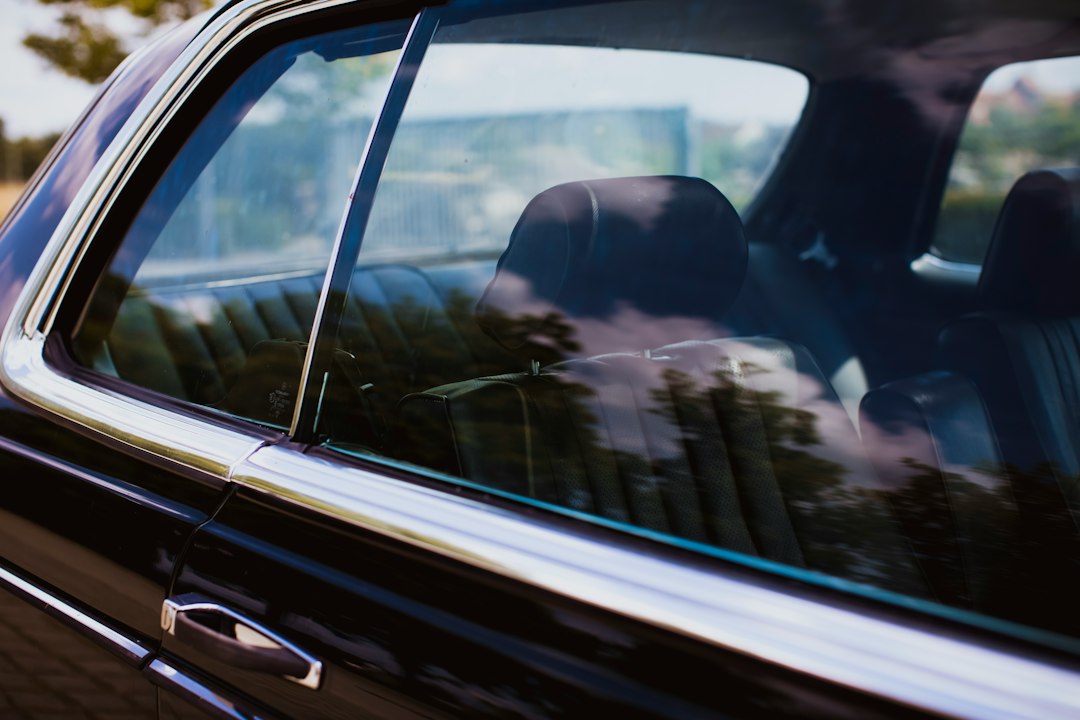
You might not give your car windows much thought, beyond their role in letting you see the road ahead and keeping the elements out. But beneath that seemingly simple pane of glass lies a sophisticated engineering marvel, particularly when it comes to safety and longevity. The unsung hero in this story is the polyvinyl butyral (PVB) interlayer, a thin yet incredibly strong film that dramatically enhances the performance of your car’s glass. Understanding what PVB is, how it works, and the profound benefits it offers will undoubtedly change how you view your car’s windows. It’s not just about seeing clearly; it’s about being protected.
The Invisible Shield: What is PVB and How Does It Work?
When you look at a car window, especially the windshield, you’re not just seeing a single sheet of glass. Modern automotive glass is typically a laminate, a sandwich construction where a layer of plastic is bonded between two layers of glass. The PVB interlayer is that crucial middle layer. It’s a thermoplastic polymer, meaning it softens when heated and hardens when cooled, a property that’s key to its effectiveness during the manufacturing process. During lamination, the glass and PVB are heated under pressure, creating a strong, permanent bond. This molecular adhesion is what gives the laminate its unique strength and shatter-resistant properties.
The Science Behind the Strength
The molecular structure of PVB is what makes it so adept at holding glass together. It’s a highly resilient material that can absorb significant amounts of energy before failing. When a force, such as an impact from a stone or a collision, strikes the glass, the PVB interlayer is designed to stretch and deform. This stretching acts as a shock absorber, dissipating the energy of the impact across a wider area of the glass. Instead of the glass shattering into sharp, dangerous shards, the PVB interlayer helps to keep the fragments bonded together, creating a spiderweb-like crack pattern rather than a complete breakage. This is a fundamental difference that directly impacts your safety.
Manufacturing Excellence: Bringing PVB and Glass Together
The process of creating laminated glass with a PVB interlayer is a precision operation. It involves meticulous cleaning of the glass surfaces, precise cutting and positioning of the PVB film, and then a controlled heating and pressing process. The exact composition of the PVB, including its thickness and any additives it might contain, is carefully calibrated by manufacturers to meet stringent safety standards and performance requirements for different automotive applications. Innovations in PVB technology continue to emerge, focusing on enhancing acoustic insulation, UV protection, and even integrating electronic functionalities. The result of this sophisticated manufacturing is a composite material that is far stronger and safer than monolithic glass.
PVB interlayer car windows are gaining attention for their ability to enhance safety and reduce noise, making them a popular choice among manufacturers. For those interested in learning more about the benefits and applications of PVB interlayers in automotive glass, a related article can be found at Freaky Science, which delves into the science behind this innovative technology and its impact on vehicle performance.
Enhancing Passenger Safety: Protecting You from the Unexpected
The most critical benefit of PVB interlayers in car windows is their unparalleled contribution to passenger safety. In the unfortunate event of an accident or impact, the difference between laminated glass with PVB and standard glass can be life-saving. The way PVB behaves under stress is designed to minimize injury and prevent ejection from the vehicle.
Minimizing Injury from Shattering Glass
This is arguably the most significant safety feature. When regular glass breaks, it shatters into thousands of sharp, jagged pieces that can cause severe lacerations to occupants. Think of a hailstorm or a rock impact on a simple glass pane – the result is a dangerous scattering of sharp fragments. With a PVB interlayer, even if the glass cracks, the majority of the fragments remain adhered to the PVB film. This drastically reduces the risk of cuts and serious injuries from flying glass shards. The spiderweb cracks, while unsightly, are a testament to the PVB’s ability to contain the damage and prevent a shower of dangerous projectiles. This containment is crucial in protecting your face, eyes, and other exposed body parts during a collision.
Preventing Ejection During Rollovers
Car rollovers are among the most dangerous types of accidents. In such scenarios, occupants can be tragically ejected from the vehicle if the windows break and fall out. The strength and adhesion provided by the PVB interlayer help to keep the automotive glass intact, even under extreme stress. This greatly reduces the likelihood of occupants being thrown from the car, significantly increasing their chances of survival and reducing the severity of injuries sustained. The integrity of the windshield, in particular, is critical during a rollover, as it plays a structural role in supporting the roof and preventing it from collapsing. A PVB-backed windshield remains more structurally sound, offering a vital protective barrier.
The Role in Airbag Deployment
You might not connect your windows to your airbags, but they are intricately linked in terms of safety systems. The proper functioning of airbags is crucial, and the windshield plays a role in this. When the passenger-side airbag deploys, it strikes the windshield with considerable force to cushion the passenger. The PVB interlayer in the windshield is designed to withstand this impact without shattering, allowing the airbag to perform its intended function effectively. If the windshield were to break apart under the force of the airbag, it could compromise the airbag’s protective capability and even lead to secondary injuries.
Boosting Durability and Longevity: A Window that Lasts

Beyond immediate safety concerns, the PVB interlayer also contributes significantly to the durability and lifespan of your car’s windows, saving you from frequent replacements and ensuring a consistently clear view. This resilience translates into long-term value and performance.
Resistance to Impact and Abrasion
The combination of glass and PVB creates a far more robust window than single-pane glass. While it’s impossible to make automotive glass completely impervious to damage, the PVB interlayer enhances its resistance to minor impacts, such as those from small stones or road debris. Instead of the glass chipping or cracking easily, the PVB absorbs some of the shock, making the glass more resilient to everyday wear and tear. This also translates to improved resistance against scratching and abrasion from things like automatic car washes or even the grit that can accumulate on your car’s surface. While deep scratches can still occur, the PVB helps to prevent the glass from becoming brittle and prone to further damage.
Protection Against Environmental Factors
Your car’s windows are constantly exposed to the elements. The PVB interlayer offers a degree of protection against various environmental factors that can degrade glass over time. It acts as a barrier against UV radiation, which can fade interior materials and cause plastics to become brittle. While specialized UV coatings are often applied to automotive glass, the PVB itself provides an inherent level of UV blocking. Furthermore, it helps to prevent moisture ingress, which can lead to delamination or corrosion of the glass edges over extended periods, especially in humid climates or after exposure to road salt in winter. This barrier function ensures that the integrity of the glass remains intact for longer.
Reduced Likelihood of Replacement
The enhanced durability and impact resistance mean that your car’s windows are less likely to need replacement due to minor damage. This translates into significant cost savings over the life of your vehicle. Instead of facing the expense and inconvenience of replacing chipped or cracked windshields, you can enjoy the peace of mind that comes with knowing your windows are built to last and withstand the rigors of daily driving. This also contributes to maintaining the resale value of your car, as a pristine windshield and windows are a desirable feature.
Added Comfort and Convenience: More Than Just Safety
The benefits of PVB interlayers extend beyond just safety and durability; they also contribute to a more comfortable and enjoyable driving experience. These advantages are often subtle but make a noticeable difference in your daily commute and long journeys.
Enhanced Acoustic Insulation
One of the most appreciated secondary benefits of PVB interlayers is their ability to dampen sound. The soft, flexible nature of the PVB film acts as an acoustic barrier, reducing the amount of external noise that enters the cabin. This means less road noise, less wind noise at higher speeds, and a generally quieter interior environment. A quieter cabin can reduce driver fatigue, improve concentration, and make conversations easier. This enhanced acoustic performance is particularly beneficial for vehicles used for long-distance travel or in areas with heavy traffic. The development of acoustic PVB, which is specifically engineered with sound-dampening properties, further amplifies this benefit, creating a more serene and luxurious driving experience.
Improved Thermal Performance
PVB interlayers also contribute to improved thermal performance within the vehicle. By blocking a significant portion of solar radiation, they help to keep the cabin cooler in the summer and warmer in the winter. This reduces the workload on your car’s air conditioning and heating systems, leading to better fuel efficiency and a more consistent cabin temperature. You’ll likely notice that your car heats up less quickly when parked in direct sunlight and that the interior stays warmer for longer when the heating is on. This improved thermal comfort enhances the overall driving experience, making your journeys more pleasant regardless of the weather outside.
Superior Optical Clarity
While it might seem counterintuitive that a plastic interlayer could improve clarity, PVB, when manufactured to high standards, offers exceptional optical clarity. This means that the film itself does not significantly distort your view of the road or your surroundings. The bonding process ensures a smooth, seamless interface between the glass layers, preventing any optical aberrations. This clear vision is paramount for safe driving, allowing you to react quickly to changing road conditions and hazards. Manufacturers also use PVB to create specialized glass, such as tinted or privacy glass, without compromising visual quality from the driver’s perspective.
PVB interlayer car windows play a crucial role in enhancing vehicle safety and comfort, and for those interested in exploring this topic further, a related article can be found on Freaky Science. This article delves into the science behind PVB interlayers and their impact on automotive design, making it a valuable resource for anyone looking to understand the benefits of advanced window technology. You can read more about it in this informative piece here.
The Future of Automotive Glass: Innovations and Continued Importance of PVB
| Metric | Value | Unit | Description |
|---|---|---|---|
| Thickness | 0.38 – 0.76 | mm | Typical thickness range of PVB interlayer used in car windows |
| Light Transmission | 88 – 92 | % | Visible light transmission percentage through PVB interlayer laminated glass |
| Impact Resistance | High | Qualitative | Ability to absorb impact and prevent shattering |
| Sound Insulation | 30 – 35 | dB | Typical sound reduction provided by laminated glass with PVB interlayer |
| UV Protection | Up to 99 | % | Percentage of ultraviolet rays blocked by PVB interlayer |
| Temperature Resistance | -40 to 80 | °C | Operating temperature range for PVB interlayer in automotive applications |
| Adhesion Strength | 0.5 – 1.0 | MPa | Bond strength between glass and PVB interlayer |
| Flexibility | Moderate | Qualitative | Ability to deform without cracking under stress |
The automotive industry is constantly evolving, and so is the technology used in its components. PVB interlayers are at the forefront of innovation in automotive glass, promising even more advanced features and enhanced performance in the years to come. The fundamental role of PVB in safety and durability ensures its continued importance.
Smart Glass and Integrated Technologies
Future automotive glass may incorporate embedded technologies, and PVB is the ideal interlayer for this. Imagine windshields that can display navigation information directly onto the glass, or windows that can change their tint electronically for instant privacy or sun control. PVB’s ability to adhere to glass and encapsulate other materials makes it a perfect substrate for these “smart glass” applications. These advancements will further integrate your vehicle’s windows into its digital ecosystem, providing new levels of convenience and functionality. The electronic components can be sandwiched within the PVB, protected from the elements and the physical stresses of driving.
Advanced Composite Materials
Research is ongoing into developing even stronger and lighter composite materials that can further enhance the safety and efficiency of vehicles. PVB is a key component in many of these experimental materials, often used in conjunction with advanced polymers or reinforcing fibers. The goal is to create glass solutions that offer superior protection while reducing vehicle weight, which in turn improves fuel economy and reduces emissions. The continuous development of PVB formulations with enhanced properties, such as greater impact resistance or improved environmental sustainability, will ensure its relevance in the next generation of automotive design.
Sustainability and Environmental Considerations
As the automotive industry increasingly focuses on sustainability, the role of PVB is also being examined through an environmental lens. Manufacturers are exploring ways to produce PVB more sustainably, including using bio-based feedstocks and developing more energy-efficient manufacturing processes. Furthermore, the durability that PVB provides means fewer replacements, which indirectly contributes to resource conservation. The recyclability of laminated glass, while complex, is also an area of ongoing research and development, aiming to improve the environmental footprint of automotive glass throughout its lifecycle.
In conclusion, the PVB interlayer is far more than just a layer in your car’s windows; it’s a critical component that underpins your safety, the durability of your vehicle, and your overall driving comfort. From its molecular strength that holds glass together during impact to its ability to reduce noise and heat, PVB is an essential part of modern automotive engineering. The next time you look through your windshield, take a moment to appreciate the invisible shield that protects you, a testament to the ingenuity and importance of this remarkable material.

Your Car Window Can Keep You In—Even When You Need Out
FAQs
What is a PVB interlayer in car windows?
A PVB (polyvinyl butyral) interlayer is a type of plastic material that is used to bond two layers of glass together in car windows. It provides strength, safety, and security by holding the glass layers together in the event of an impact.
How does a PVB interlayer enhance safety in car windows?
A PVB interlayer enhances safety in car windows by preventing the glass from shattering upon impact. In the event of a collision, the interlayer holds the glass together, reducing the risk of injuries from flying glass shards.
Are PVB interlayer car windows resistant to break-ins?
Yes, PVB interlayer car windows are more resistant to break-ins compared to traditional car windows. The interlayer makes it difficult for thieves to break through the glass, providing an added layer of security for the vehicle.
Can PVB interlayer car windows reduce noise inside the vehicle?
Yes, PVB interlayer car windows can help reduce noise inside the vehicle. The interlayer acts as a sound barrier, absorbing and dampening external noise, resulting in a quieter and more comfortable driving experience.
Are PVB interlayer car windows easy to maintain?
Yes, PVB interlayer car windows are easy to maintain. They can be cleaned using a mild detergent and water, similar to regular car windows. Routine cleaning and maintenance can help keep the windows looking clear and in good condition.