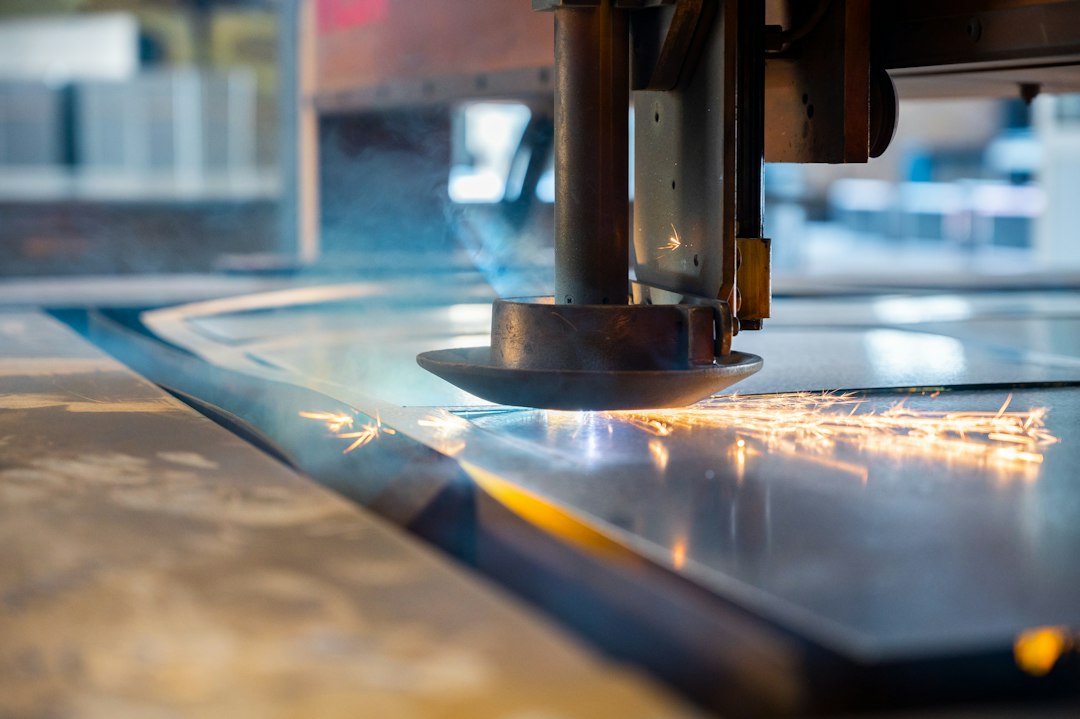
Preparing the Canvas: Selecting and Preparing Your Glass
Your journey into tempered glass manufacturing begins with the raw material: glass itself. The type of glass you start with significantly influences the final product’s properties and the manufacturing process. For standard architectural and automotive applications, soda-lime glass is the most common choice, prized for its affordability and clarity. However, for specialized uses like high-temperature environments or impact resistance beyond the norm, you might consider borosilicate glass or aluminosilicate glass, though these come with a higher price tag and can be more challenging to work with due to their different thermal expansion coefficients.
The Foundation: Choosing the Right Glass Sheet
Before you even think about heating, you must make an informed decision about your glass. Consider the intended application. Will this glass be used in a window where UV resistance is paramount? Is it for a display screen that needs to withstand frequent touch and potential impacts? For most consumer-facing applications, standard float glass is perfectly adequate. This is the same glass you find in most windows and picture frames. Its manufacturing involves melting sand, soda ash, and limestone, then floating the molten glass on a bed of molten tin. This process ensures a remarkably flat and uniform surface, a crucial prerequisite for the subsequent tempering process. If your application demands greater clarity or a reduced green tint often seen in thicker float glass, you might opt for low-iron glass. This variant has a lower concentration of iron impurities, resulting in exceptional transparency.
For demanding environments, like those found in laboratories or aerospace, specialized glass types become necessary. Borosilicate glass, for instance, possesses a very low coefficient of thermal expansion. This means it expands and contracts very little when subjected to temperature changes, making it incredibly resistant to thermal shock. Imagine a beaker used to heat a substance; borosilicate glass can handle rapid temperature fluctuations without cracking. Similarly, aluminosilicate glass offers superior strength and scratch resistance compared to soda-lime glass, making it a preferred choice for high-wear surfaces like smartphone screens. However, these specialized glasses often require different tempering parameters due to their unique compositions.
Purity is Paramount: Cleaning for Perfection
Once you’ve selected your glass, the next critical step is ensuring its absolute cleanliness. Even microscopic particles of dust, oil, or manufacturing residue can create stress points during the heating and cooling cycle, leading to catastrophic failure – the glass shattering prematurely or developing visible defects. Think of it like preparing a canvas for a masterpiece; any speck of dirt will mar the final image.
The cleaning process typically involves a multi-stage approach. You’ll likely start with an industrial washing machine specifically designed for glass. These machines employ high-pressure sprays of deionized water and specialized detergents. Deionized water is crucial because it has had all mineral ions removed, preventing water spots and further residue. The detergents are formulated to break down and emulsify oils and organic contaminants without leaving behind their own film.
Following the detergent wash, a thorough rinse with more deionized water is essential. You might then have a final rinse with a polishing compound or a specific rinsing agent to ensure no trace of detergent remains. Some manufacturers also incorporate an air knife stage, using a powerful jet of filtered, dry air to blow away any remaining water droplets, further minimizing the risk of water spots. For extremely critical applications, manual inspection under bright, angled lights might be employed to visually confirm the absence of any blemishes before the glass proceeds to the furnace. The goal here is a pristine, unblemished surface ready to withstand the rigors of tempering.
The manufacturing process of tempered glass is a fascinating topic that highlights the importance of safety and durability in modern construction and design. For a deeper understanding of this process, you can explore a related article that delves into the various techniques and technologies used in the production of tempered glass. This article provides insights into the heating and cooling methods that enhance the strength of the glass, making it an essential material in many applications. To read more about it, visit this link.
The Crucible of Transformation: The Heating Process
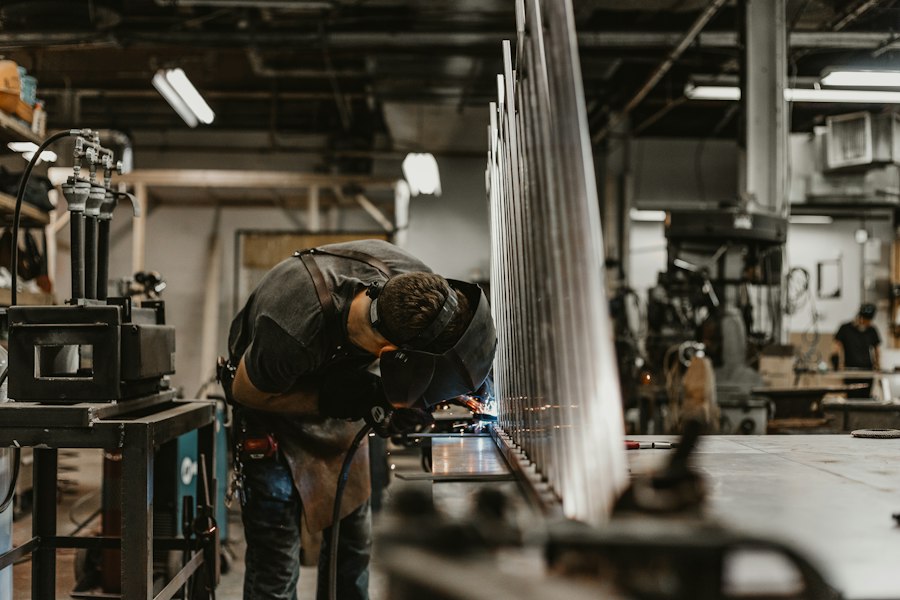
This is where the magic truly happens. The glass, now perfectly clean, enters the heart of the tempering process: a specialized furnace. The objective is to heat the glass to a precise temperature, just below its softening point, and then hold it there for a specific duration. This controlled heating is not about melting; it’s about preparing the glass for the dramatic cooling that follows.
Reaching the Threshold: Uniform Heating in the Furnace
The furnaces used in tempered glass manufacturing are typically convection furnaces. This means they circulate hot air to ensure uniform heating of the glass. Radiant heat furnaces, which rely on direct heat radiation, can lead to uneven temperatures across the glass surface, resulting in inconsistent tempering. The glass is usually transported through the furnace on a bed of rollers, often made of ceramic or a specialized heat-resistant alloy. These rollers move the glass slowly and steadily, ensuring it spends the optimal amount of time at the target temperature.
The temperature range is critical. For standard soda-lime glass, this typically falls between 620°C and 650°C (approximately 1150°F to 1200°F). The exact temperature and dwell time (how long the glass stays at that temperature) depend on the glass thickness, its composition, and the desired level of temper. Thicker glass requires longer dwell times and potentially slightly higher temperatures to ensure the heat penetrates to the core. The furnace’s internal atmosphere is also carefully controlled. It’s usually kept neutral, meaning there’s no significant excess of oxygen or other reactive gases, to prevent any unwanted chemical reactions with the glass surface.
The roller system is designed to be as non-intrusive as possible. The rollers rotate to prevent flat spots from forming on the glass, and their spacing is carefully calculated to support the glass without causing it to sag or deform. The speed of the rollers is precisely calibrated to ensure the glass achieves the required uniform temperature throughout its journey. Sensors are strategically placed throughout the furnace to monitor and maintain these precise temperature gradients, ensuring consistency from one batch to the next. Any deviation from the prescribed temperature profile can lead to under-tempered or over-tempered glass, both of which compromise its strength and safety characteristics.
The Waiting Game: Achieving Thermal Equilibrium
Once the glass reaches the desired temperature, it enters a holding zone within the furnace. This isn’t a passive waiting period; it’s an active phase designed to ensure thermal equilibrium. This means that the temperature throughout the entire thickness of the glass sheet becomes uniform. If you were to pull the glass out of the furnace immediately after reaching the target temperature without this holding period, the surface would be hot, but the core might still be cooler. This unevenness would lead to an uneven tempering process, creating internal stresses that could compromise the glass’s strength.
The dwell time in this holding zone is directly proportional to the glass thickness. A thin pane of glass might only need a few minutes to reach equilibrium, while a thick piece of tempered glass could require considerably longer. During this phase, the convection system continues to circulate hot air, ensuring that heat transfer is efficient and uniform. The rollers continue their steady rotation, supporting the glass and preventing any sagging or distortion. Advanced monitoring systems keep a constant vigil on the temperature profile, making minute adjustments as needed to maintain the precise equilibrium. This phase is crucial for laying the groundwork for the dramatic cooling that will imbue the glass with its remarkable strength. Without achieving this uniform internal temperature, the subsequent rapid cooling would not be able to create the necessary compression on the surface and tension in the core, the very mechanism that defines tempered glass.
The Shock of Strength: The Quenching Process
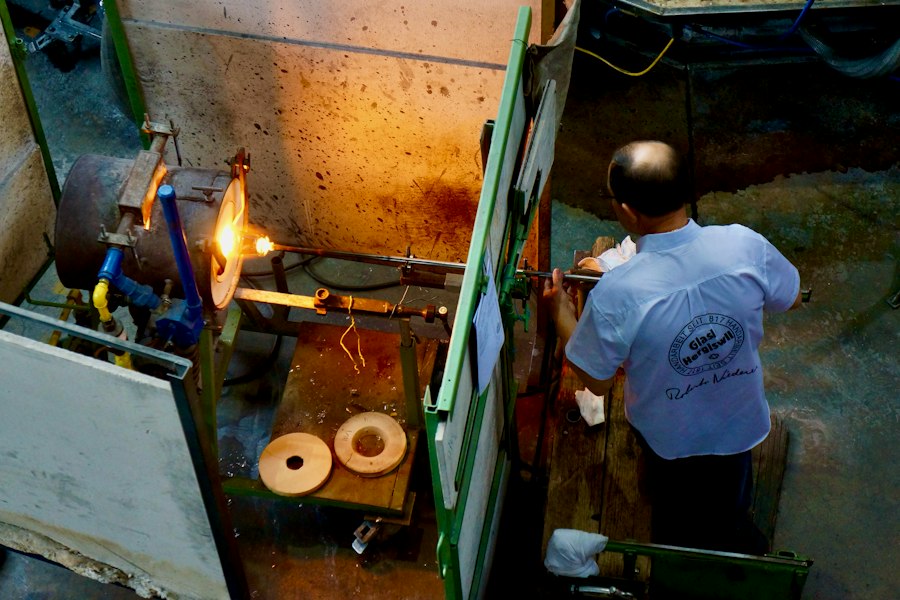
After the carefully controlled heating, the glass is subjected to the most critical stage of tempering: rapid cooling, or quenching. This is where the glass transitions from a malleable state to a state of incredible strength and safety. The rapid and controlled cooling creates specific internal stresses that are the hallmark of tempered glass.
A Blast of Cool Air: The Quenching Line
The moment the glass exits the furnace, it enters the quenching line. This is typically a series of powerful air jets positioned above and below the glass as it travels on its roller conveyor. These jets blast the glass surface with high-pressure, cool, filtered air. The goal is to cool the outer surfaces of the glass much faster than the interior.
This differential cooling is what creates the unique stress profile of tempered glass. As the outer surfaces cool and solidify rapidly, they contract. However, the still-hot interior resists this contraction, causing the outer surfaces to be put into a state of compression. Simultaneously, the contracting outer surfaces pull inward on the hotter interior, placing the core of the glass in a state of tension. This balanced internal stress is what gives tempered glass its exceptional strength. When the glass is subjected to an impact, any force applied to the surface must first overcome this strong compressive layer before it can reach the tensional core.
The intensity and pattern of the air jets are meticulously controlled. The air pressure, the angle of the jets, and the distance from the glass are all precisely calibrated. These parameters are adjusted based on the glass thickness, its composition, and the desired temper level. For instance, thicker glass requires more intense cooling to achieve the same level of compression as thinner glass. The quenching line is designed to be highly uniform, ensuring that the cooling is consistent across the entire surface of the glass. Any unevenness in the quenching process can lead to uneven stress distribution, potentially creating weak spots. The speed at which the glass travels through the quenching line is also critical, dictating the duration and intensity of the cooling.
The Stress Within: Understanding Compression and Tension
The true strength of tempered glass lies in its internal stress structure. During the quenching process, the rapid cooling of the surfaces creates a powerful compressive stress on the outer layers. This compression can be significant, often ranging from 10,000 to 12,000 pounds per square inch (psi). This compressive layer acts as a protective shield. When the glass is subjected to a force that would normally cause it to break, like a sharp impact or a significant bending load, the energy of that force is absorbed by this compressive layer.
Beneath this strong compressive layer lies a more relaxed, yet still somewhat tensional, core. As the outer layers contracted and cooled, they pulled the still-hot interior inward, creating a state of tensile stress in the center of the glass. While this sounds counterintuitive to strength, it’s this balance of compression on the outside and tension on the inside that makes tempered glass so robust. The tensile stress in the core is less than the compressive stress on the surface, so the glass can withstand considerable force before the tensile stress in the core reaches its breaking point.
When tempered glass does break, it does so in a characteristic way. Unlike regular glass, which shatters into large, sharp shards, tempered glass fragments into small, pebble-like pieces with relatively dull edges. This is because the stored-up internal energy is released suddenly and uniformly when the compressive layer is overcome. The break propagates rapidly through the glass, resulting in a multitude of small, less dangerous fragments. This safety feature is a primary reason why tempered glass is mandated in applications where human safety is a concern, such as car windows, shower doors, and architectural glazing.
Quality Assurance and Finishing Touches
Once the glass has been tempered, the process isn’t entirely complete. Rigorous quality checks are essential to ensure the glass meets the required standards, and final finishing steps prepare it for its intended application. This stage is crucial for delivering a reliable and safe product.
A Final Inspection: Ensuring Structural Integrity
Before leaving the manufacturing facility, each piece of tempered glass undergoes a thorough inspection. This is not just a visual check; it involves specialized testing to confirm the integrity of the temper. One of the most common methods is the “edge tap test.” A small, specialized hammer is used to tap the edge of the glass. A properly tempered pane will produce a clear, ringing sound, indicative of the internal stress. A duller sound might suggest a flaw in the tempering process.
Another critical inspection involves checking for visual defects. This includes looking for any surface imperfections like scratches, chips, or bubbles that may have occurred during the manufacturing process. Specialized lighting techniques, such as polarized light, are often used to reveal internal stresses or defects that might not be visible under normal light. The flatness of the glass is also checked, especially if it’s intended for applications where distortion is unacceptable. Automated optical inspection systems are increasingly being employed to conduct these checks with high speed and accuracy, supplementing human inspection.
The level of temper is also often verified. This is typically done by measuring the surface compression using a polarimeter. This device analyzes the light passing through the glass and can quantify the compressive stress on the surface. Different standards dictate the minimum surface compression required for various applications. Any glass that fails to meet these stringent quality standards is rejected and often recycled back into the raw material stream. This commitment to quality assurance is paramount, as the safety and performance of the final product depend entirely on the success of the tempering process.
Beyond the Furnace: Cutting, Drilling, and Coating
While tempering creates the inherent strength of the glass, further processing is often required to prepare it for its final use. It’s important to note that most of these operations – cutting, drilling, and grinding – **must be performed before the glass is tempered.** Once glass is tempered, it becomes extremely difficult to alter its dimensions without causing it to break. Trying to cut or drill tempered glass would immediately release the stored internal stresses, leading to catastrophic failure.
Therefore, if your design requires specific shapes, holes, or polished edges, these modifications are meticulously carried out on the glass before it enters the tempering furnace. Precision cutting machines, often using water jets or diamond saws, are used to achieve the exact dimensions and shapes required. Drilling operations are performed with specialized diamond-tipped bits and cooling systems to prevent overheating. Edges are then ground and polished to remove any sharp edges and to achieve the desired finish, whether it’s a smooth, seamed edge for basic applications or a highly polished edge for decorative purposes.
In addition to mechanical modifications, the glass can also be coated after tempering for various functional purposes. These coatings can include:
- Low-Emissivity (Low-E) Coatings: These microscopic layers of metal or metal oxides reduce heat transfer, improving energy efficiency in buildings by reflecting infrared radiation.
- Solar Control Coatings: These coatings reduce the amount of solar heat and visible light that passes through the glass, helping to keep interiors cooler and reducing glare.
- Self-Cleaning Coatings: These advanced coatings use photocatalytic and hydrophilic properties to break down organic dirt and allow rainwater to wash it away, keeping the glass cleaner for longer.
- Decorative Coatings: These can include frosted, tinted, or patterned coatings applied for aesthetic purposes.
These coating processes are typically carried out in vacuum deposition chambers, where thin layers of material are applied to the glass surface under controlled conditions. The choice of coating depends entirely on the intended application and the performance requirements of the final tempered glass product.
The manufacturing process of tempered glass involves several critical steps that enhance its strength and safety, making it a popular choice for various applications. For a deeper understanding of the techniques and innovations in this field, you can explore a related article on the topic. This article provides insights into the thermal treatment and cooling processes that are essential for producing high-quality tempered glass. To learn more, visit this informative resource which delves into the science behind glass tempering.
The Strength of Safety: Applications and Advantages of Tempered Glass
| Process Step | Description | Typical Temperature (°C) | Duration | Key Metrics |
|---|---|---|---|---|
| Cutting | Glass sheets are cut to desired dimensions | Room Temperature | Seconds to minutes | Cut accuracy ±0.5 mm |
| Edge Grinding | Edges are smoothed to remove sharpness and defects | Room Temperature | 1-3 minutes | Edge radius typically 1-3 mm |
| Washing | Glass is cleaned to remove dust and contaminants | Room Temperature | 2-5 minutes | Surface cleanliness level: Class 1000 or better |
| Heating | Glass is heated uniformly to softening point | 600 – 650 | 10 – 20 minutes | Temperature uniformity ±5°C |
| Quenching | Rapid cooling by air jets to induce compressive stress | Room Temperature (cooling air) | 5 – 10 seconds | Surface compressive stress: 69 – 138 MPa |
| Inspection | Visual and mechanical testing for defects and strength | Room Temperature | 5 – 15 minutes | Break strength: 4-5 times annealed glass |
The unique properties of tempered glass make it an indispensable material across a wide range of industries. Its enhanced strength and safety features are not just desirable; they are often mandatory, contributing significantly to user protection and product durability.
Where Strength Meets Safety: Diverse Applications
You encounter tempered glass every day, often without realizing it. Its application is driven by the need for increased safety and durability. In the automotive industry, side and rear windows are almost universally made from tempered glass because of its ability to shatter into small, relatively harmless pieces upon impact, protecting occupants from severe cuts. Similarly, architectural glazing heavily relies on tempered glass for windows, doors, and balustrades, particularly in buildings with high foot traffic or in areas where impact resistance is crucial. Think of shower enclosures, glass tabletops, and glass shelving; these are common household items that benefit from the safety of tempered glass.
The electronics industry also utilizes tempered glass extensively, especially for touchscreens on smartphones, tablets, and laptops. Here, it provides both scratch resistance and protection against accidental drops. In appliance manufacturing, oven doors and refrigerator shelves are often made of tempered glass due to its ability to withstand temperature fluctuations and physical stress. Even in industrial settings, tempered glass is used for machine guards and protective screens where impact and abrasion resistance are paramount. The inherent safety features of tempered glass make it a superior choice over standard annealed glass in any scenario where breakage could pose a hazard.
The Edge Over Annealed Glass: Key Benefits
The advantages of tempered glass over standard annealed glass are numerous and significant. The most prominent benefit is its enhanced strength. Tempered glass is typically 4 to 5 times stronger than annealed glass of the same thickness, making it far more resistant to bending and impact. This increased strength reduces the likelihood of breakage under normal use.
Crucially, tempered glass offers superior safety. As previously discussed, when it does break, it shatters into small, rounded fragments, minimizing the risk of serious injury. This contrasts sharply with annealed glass, which breaks into large, jagged shards. Tempered glass also possesses greater resistance to thermal shock. It can withstand significant temperature differentials without cracking, making it suitable for applications involving rapid or extreme temperature changes.
Furthermore, the elimination of dangerous shards makes tempered glass ideal for situations where visibility and safety are paramount. The process also offers a degree of design flexibility, as mentioned, allowing for shaped and drilled glass before tempering. While the tempering process itself adds to the cost of the glass, the enhanced durability, safety, and reduced risk of costly replacements and potential liability often make tempered glass a more economical choice in the long run. Its combination of strength, safety, and resilience makes it a fundamental material in modern manufacturing and design.

Your Car Window Can Keep You In—Even When You Need Out
FAQs
What is tempered glass?
Tempered glass is a type of safety glass that is processed through a series of heating and cooling to increase its strength and durability. When broken, tempered glass shatters into small, blunt pieces instead of sharp shards, reducing the risk of injury.
How is tempered glass manufactured?
The manufacturing process of tempered glass involves heating the glass to a high temperature of about 620 degrees Celsius and then rapidly cooling it with jets of cold air. This process, known as quenching, creates internal stresses that give the glass its strength.
What are the advantages of using tempered glass?
Tempered glass is stronger than regular glass, making it more resistant to impact and thermal stress. It is also safer because it breaks into small, dull pieces that are less likely to cause injury. Additionally, tempered glass is more heat-resistant than standard glass.
Can tempered glass be cut or drilled after the tempering process?
No, tempered glass cannot be cut or drilled after it has been tempered. Any attempt to modify tempered glass after the tempering process will cause it to shatter into small pieces. Therefore, all cutting and drilling must be done before the glass is tempered.
What are the common applications of tempered glass?
Tempered glass is commonly used in various applications where safety and durability are important, such as in car windows, shower doors, glass doors, glass tables, and building facades. It is also used in mobile devices, like smartphones and tablets, for its scratch-resistant properties.