
The jarring sound, the sudden impact, the sickening lurch – it’s a scenario no one wants to experience, but one that tragically happens all too often. You’ve been in a car crash. Your mind might be reeling, adrenaline pumping, and a sense of disorienting shock washing over you. In these critical moments, confusion can be your worst enemy. However, knowing how to react and what steps to take can make a significant difference in your safety and well-being. This guide is designed to equip you with the essential knowledge to escape your car safely after an accident, ensuring you prioritize your immediate survival and prepare for the next crucial stages.
Assessing the Immediate Situation and Your Condition
The very first priority after a car crash is to understand your immediate surroundings and assess your own physical state. This isn’t a time for panic; it’s a time for controlled observation and decisive action. The seconds after impact are crucial, and a calm, systematic approach can prevent further harm.
Evaluating Your Physical Well-being
Your own body is the first thing you need to check. Before attempting to move or exit the vehicle, take a moment to gauge any injuries.
Start with a mental sweep. Are you able to move your limbs? Do you feel any sharp pains or numbness? Is your head throbbing, or do you have any vision disturbances?
Pay attention to any unusual sensations. While adrenaline can mask pain, persistent discomfort, bleeding, or difficulty breathing are clear indicators that you need immediate attention. If you are conscious and able, try to gently move your fingers and toes. Can you wiggle them? This is a basic check for spinal cord issues.
If you suspect a serious injury, such as a broken bone or a head injury, it’s crucial to remain as still as possible. Moving can exacerbate these conditions. In such cases, your immediate focus should be on signaling for help and waiting for emergency services. Do not attempt to self-extricate if you believe you are seriously injured. Your priority is to prevent further damage until professional help arrives.
Recognizing Potential Hazards Around Your Vehicle
Once you’ve done a quick self-assessment, turn your attention outward. The crash site itself can present a multitude of dangers that you need to be aware of.
Look for immediate threats to your safety outside the car. Is the vehicle on fire? Are there visible sparks or leaking flammable liquids, such as gasoline? If you smell strong fumes, this is a serious warning sign.
Check for structural integrity of the car. Is it on its side, upside down, or partially submerged in water? Each of these scenarios requires a different approach. A car that is unstable or at risk of rolling further will demand a more urgent exit.
Observe the surrounding environment. Are you in a busy intersection with oncoming traffic? Are you near a body of water? Is there debris scattered around that could cause further injury if you exit? Understanding these external factors will dictate the speed and method of your exit. If traffic is still a significant threat, you might need to wait for a break or signal to other drivers before attempting to leave.
In the unfortunate event of a car crash, knowing how to escape safely can be crucial for your well-being. For more detailed guidance on this topic, you can refer to a related article that provides essential tips and strategies for escaping a vehicle after an accident. This resource can help you understand the necessary steps to take in such emergencies. To read more, visit this article.
Prioritizing Your Escape Strategy
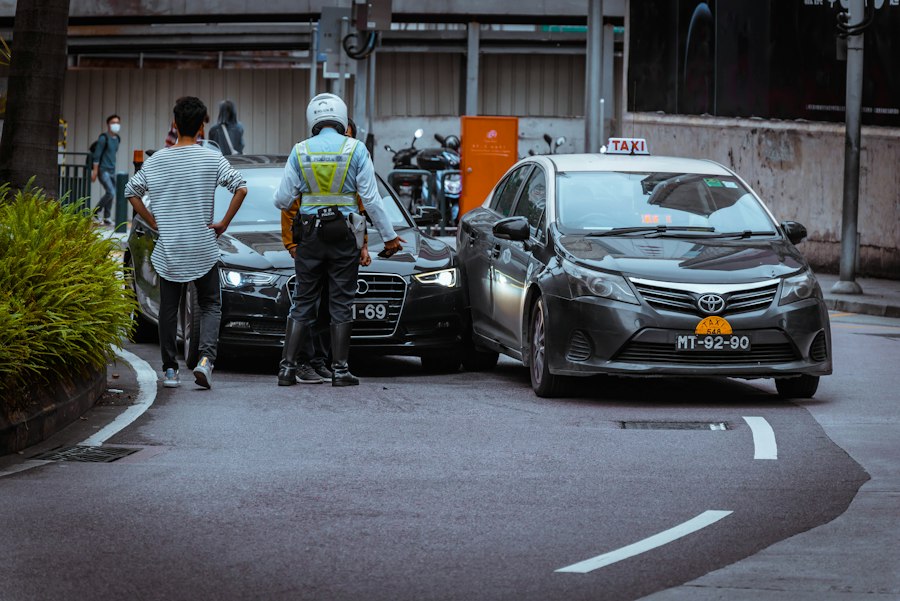
Once you’ve assessed the immediate situation, your next step is to determine the safest and most effective way to get out of your vehicle. This involves understanding your options and choosing the one that best suits your circumstances.
Identifying the Primary Exit Route
Your car’s doors are designed as your primary escape routes. However, after a crash, they may be jammed or damaged.
Attempt to open your door in the usual manner. If it opens, great. This is the simplest and safest exit.
If the door doesn’t open normally, try using more force. Sometimes, the impact can simply jam the mechanism slightly. However, be mindful of your strength and avoid overexerting yourself if you suspect significant damage.
If the door is completely jammed or obstructed by debris, you’ll need to consider alternative methods. Don’t waste precious time and energy struggling with a door that clearly won’t budge.
Exploring Secondary and Emergency Escape Options
When primary exits are compromised, you need to know about the other ways to get out. Modern vehicles are equipped with safety features that can be lifesaving in these situations.
Your car’s windows are your next best option. Most modern cars have tempered glass windows that are designed to shatter more easily than the windshield. The rear side windows are typically the best candidates for this.
If you have a tool like a seatbelt cutter and glass breaker (often integrated into one device and sometimes attached to a keychain or found in a glove compartment), now is the time to use it. Aim for a corner of the window. A sharp, forceful tap on the edge can cause the glass to fracture and then shatter.
If you don’t have a dedicated tool, you might be able to use a hard, pointed object like a metal pen, a car key (though this is less effective), or even the heel of your shoe. However, be aware that this will require more force and might be more difficult.
In some vehicles, the sunroof can also serve as an escape route, especially if it’s a large, pop-open type. This is generally a last resort if all other windows and doors are inaccessible.
Executing Your Exit with Safety in Mind
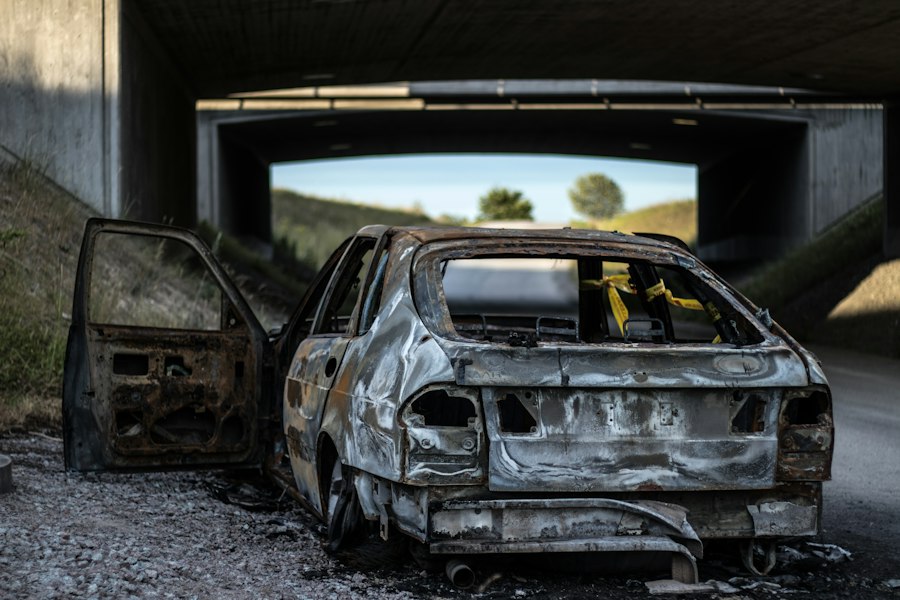
Actually getting out of your car requires careful execution, especially if you’re dealing with difficult circumstances. It’s not just about breaking free; it’s about doing so without sustaining further injury.
Unbuckling and Clearing Obstructions
Before you even think about leaving, you need to get yourself free from your restraints.
First and foremost, unbuckle your seatbelt. If the buckle is jammed, use your seatbelt cutter if you have one. If not, you may need to use significant force or a pointed object to try and pry it open, but be cautious not to injure yourself in the process.
Once you are unbuckled, clear any immediate obstructions around your person. This could be anything from airbag debris to items that have fallen from the dashboard or seats. Move these carefully out of your way to allow for free movement.
Navigating Out of the Vehicle
The act of physically exiting the car needs to be deliberate and controlled, even under pressure.
If you are exiting through a door, ensure it opens sufficiently to allow you to pass through without scraping yourself.
If you are exiting through a window, be extremely cautious of the broken glass. Carefully clear away any sharp shards from the frame and the sill before attempting to climb out. Use your hands to shield your face and body as you move.
When climbing out, try to do so feet first, if possible. This allows you to maintain better control and balance. If you are exiting through a broken window, it might be necessary to push yourself out carefully, using your arms to support your weight and guide your descent.
If the car is on its side or upside down, you may need to use the interior of the car for leverage. Brace yourself against seats or other stable objects as you maneuver yourself towards the exit point.
Moving to a Safe Location and Seeking Assistance
Once you are out of the vehicle, the immediate danger from the car itself may be over, but new risks can emerge. Your next steps are critical for ensuring your continued safety and getting the help you need.
Relocating Away from the Crash Site
The scene of an accident can remain hazardous for some time. It’s imperative to get yourself and any passengers to a safer distance.
Move a significant distance away from the immediate crash area. This protects you from potential secondary collisions, explosions (if there’s a fuel leak or fire), or falling debris. Aim for at least 100 feet (about 30 meters) away, or further if possible, especially if you suspect the vehicle might be unstable or a fire hazard.
If you are on a roadway, try to get off the road entirely. Find a safe spot on the shoulder, a grassy verge, or even further into a field if the terrain allows. The goal is to be well out of the path of any other vehicles that might be approaching.
If it’s dark or visibility is poor, try to move to a well-lit area if one is available. However, don’t prioritize this over getting away from the immediate danger of the car.
Contacting Emergency Services and Alerting Others
Your next crucial action is to get professional help on the way.
Call emergency services immediately. Dial your local emergency number (e.g., 911 in North America, 112 in Europe, 999 in the UK).
When you speak to the dispatcher, remain as calm as possible. Provide them with your exact location. Be as specific as you can – street names, intersections, landmarks, or mile markers.
Next, report the nature of the accident: how many vehicles are involved, if there are any injuries, and if there are any immediate hazards like fire or traffic blockages.
If you are able to, stay on the line with the dispatcher until they tell you to hang up. They may have further instructions or need more information.
If you have passengers who are also able to assist, delegate tasks. One person can call for help while another checks on other passengers or looks for hazards. If you have a first-aid kit and know how to use it, and if it’s safe to do so, you can begin basic first aid for minor injuries while waiting for paramedics. However, do not move anyone with suspected serious injuries.
In the unfortunate event of a car crash, knowing how to escape safely can be crucial for your survival. A related article offers valuable insights on this topic, providing tips on how to react quickly and effectively in such situations. For more detailed information, you can check out the article on Freaky Science, where you will find practical advice that could make a difference in an emergency.
Post-Escape Protocols and Preparedness
| Step | Action | Details | Estimated Time | Safety Tips |
|---|---|---|---|---|
| 1 | Assess Situation | Check for injuries and hazards like fire or leaking fuel | 5-10 seconds | Stay calm and avoid sudden movements |
| 2 | Unbuckle Seatbelt | Release seatbelt carefully to avoid injury | 2-3 seconds | Use both hands if necessary to avoid getting stuck |
| 3 | Unlock Doors | Try electronic or manual door locks | 5-10 seconds | If doors are jammed, try windows or emergency tools |
| 4 | Open Windows | Use power window controls or break window if necessary | 10-20 seconds | Use a hard object to break corner of window, avoid center |
| 5 | Exit Vehicle | Carefully climb out through door or window | 10-15 seconds | Watch for traffic and debris outside |
| 6 | Move to Safety | Get to a safe distance away from the vehicle and road | Varies | Stay visible and call emergency services |
Escaping the car is just the first phase of dealing with the aftermath of a crash. There are still important steps to take and knowledge that can benefit you in future situations.
Documenting the Scene and Gathering Information
Even if you feel fine, it’s important to begin the process of documenting what happened for insurance purposes and potential legal matters.
If you are able and it is safe to do so, take pictures and videos of the accident scene. Capture the position of the vehicles, any damage, skid marks, traffic signals, and road conditions.
Exchange information with the other driver(s) involved. This includes their name, contact information, insurance company, and policy number. Also, get the license plate number of their vehicle.
If there are witnesses, ask for their contact information as well. Their independent accounts can be invaluable.
Make notes about what happened from your perspective. While your memory is fresh, jot down details about the sequence of events, the speed of the vehicles, and any contributing factors you observed.
Preparing for the Future and Essential Car Safety Items
Learning from every experience, including a car crash, is vital for improving your safety and that of others.
Consider creating a basic emergency kit for your car. This should include items like a first-aid kit, a flashlight with extra batteries, a multi-tool with a seatbelt cutter and glass breaker, jumper cables, a blanket, water, and non-perishable snacks.
Regularly check your car’s safety equipment. Ensure your seatbelts are in good working order, and be aware of the location of your airbags.
Familiarize yourself with your car’s owner’s manual. It often contains specific information about emergency procedures and safety features relevant to your particular vehicle model.
Practice the steps outlined in this guide. While you hope never to use them, knowing what to do in a stressful situation can make a critical difference. Understanding how to operate your car’s emergency exits and knowing where your safety tools are stored can empower you to act quickly and decisively if the unthinkable happens. Your preparedness is your best defense.

Your Car Window Can Keep You In—Even When You Need Out
FAQs
What should I do immediately after a car crash?
After a car crash, the first thing you should do is check yourself and your passengers for injuries. If possible, move to a safe location away from the road and turn on your hazard lights. Call emergency services to report the accident.
How can I escape from a car after a crash?
To escape from a car after a crash, try to remain calm and assess the situation. If the doors are jammed, try to break a window using a window breaker tool, a heavy object, or by kicking it near the edges. Exit the vehicle through the broken window carefully to avoid injuries.
What should I do if I am unable to escape from a crashed car?
If you are unable to escape from a crashed car, stay as calm as possible and continue trying to open the doors or windows. If you have a cellphone, call emergency services and inform them of your situation and location. Stay visible by waving an item outside the window to attract attention.
Is it important to wear a seatbelt during a car crash?
Wearing a seatbelt during a car crash is crucial for your safety. Seatbelts help to restrain you in your seat and prevent ejection from the vehicle during a collision. They also reduce the risk of serious injuries and can save lives in the event of an accident.
What are some tips for preventing being trapped in a car after a crash?
To prevent being trapped in a car after a crash, always keep a window breaker tool within reach in your vehicle. Regularly check and maintain your car’s doors and windows to ensure they can be easily opened in case of an emergency. Additionally, practice how to quickly exit your vehicle in different scenarios to be prepared for unexpected situations.