
You’re standing in front of a large window, or perhaps you’re considering a new shower enclosure, a glass tabletop, or even a balustrade. The question arises: which type of glass should you choose? Your mind, or perhaps a salesperson’s, might conjure up two common terms: tempered glass and laminated glass. While both are safety glass, designed to perform better and break more safely than standard annealed glass, they achieve this through fundamentally different processes and offer distinct advantages and disadvantages. Understanding these differences is crucial to making the right choice for your project, ensuring both safety and functionality. This article will break down these distinctions, helping you navigate the world of safety glass with confidence.
The Genesis of Strength: How Each Glass Type is Made
The distinct properties of tempered and laminated glass stem directly from their manufacturing processes. These methods not only dictate how the glass behaves when broken but also influence its applications, durability, and cost. Let’s delve into the creation of each to understand their inherent strengths.
The Thermal Transformation of Tempered Glass
Tempered glass, often referred to as toughened glass, undergoes a rigorous heat treatment process. Imagine placing ordinary annealed glass into a specially designed furnace. This furnace heats the glass to temperatures just below its softening point, typically around 1,200 degrees Fahrenheit (650 degrees Celsius). Once it reaches this critical temperature, the glass is rapidly cooled by a process called “quenching.” This rapid cooling is achieved by blasting the hot glass with high-pressure air jets on both surfaces simultaneously.
This intense cooling causes the outer surfaces of the glass to solidify and contract much faster than the inner core. As the inner core continues to cool and contract, it pulls on the already hardened outer layers, creating a state of controlled internal stress. The outer surfaces are put into a state of compression, while the inner core is left in tension. This internal stress distribution is the key to tempered glass’s enhanced strength and safety. Think of it like stretching a rubber band and then letting it snap back; the tension is palpable. In tempered glass, this tension is locked within, making it significantly more resilient to impact, bending, and thermal shock than its untreated counterpart.
The process is irreversible; once tempered, glass cannot be cut or drilled without shattering. Any modification after tempering will disrupt the carefully balanced internal stresses, causing the entire pane to break apart. This is a critical consideration during the design and installation phases.
The Lamination Bond: A Sandwich of Strength
Laminated glass, on the other hand, achieves its safety characteristics through adhesion, not thermal stress. This process involves sandwiching a layer of polymer interlayer, most commonly polyvinyl butyral (PVB), between two or more layers of annealed glass. Imagine you have two sheets of standard glass. Between these two sheets, a thin, transparent layer of PVB is placed.
This “sandwich” is then subjected to heat and pressure in an autoclave. The autoclave is essentially a specialized oven that uses both heat and vacuum to fuse the glass and the interlayer together. The heat softens the PVB, allowing it to bond securely to the glass surfaces, while the pressure ensures a complete and uniform adhesion, eliminating any air bubbles or voids.
The result is a composite material where the glass layers are held together by the tenacious PVB interlayer. When the laminated glass is subjected to impact, the glass layers may crack, but the PVB interlayer will hold the fragments together, preventing them from scattering. This is the signature characteristic of laminated glass: it breaks but stays in place, creating a barrier that significantly reduces the risk of injury from sharp shards. The strength of the bond between the glass and the interlayer determines the overall performance of the laminated product.
The thickness of the glass layers and the PVB interlayer can be varied to create laminated glass with different strength and safety ratings, making it a versatile choice for a wide range of applications.
When considering the differences between tempered and laminated glass, it’s essential to understand their unique properties and applications. For a more in-depth exploration of these types of glass, you can refer to a related article that discusses their characteristics, benefits, and uses in various industries. To learn more, visit Freaky Science.
Performance Under Pressure: How They Break and Why It Matters
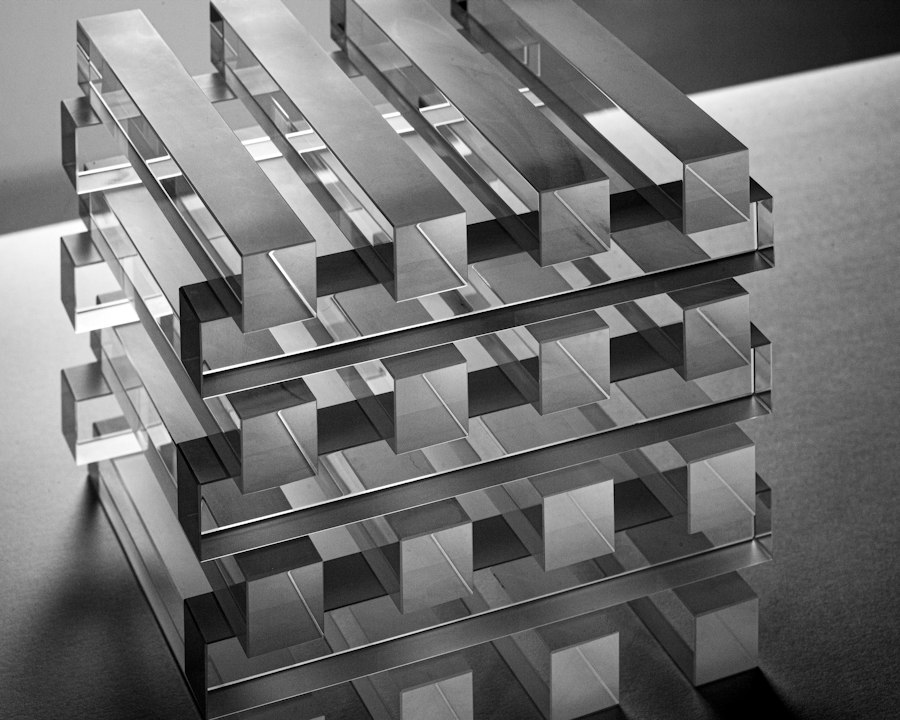
The way tempered and laminated glass behaves when subjected to stress, particularly impact, is their most significant distinguishing feature and the primary reason they are classified as safety glass. Understanding these breakage patterns is crucial for selecting the appropriate glass for specific applications where safety is paramount.
The Shattering Grace of Tempered Glass
When tempered glass experiences an impact strong enough to overcome its internal compressive strength, it fractures. However, it doesn’t shatter into large, jagged shards like annealed glass. Instead, it breaks into thousands of small, relatively blunt pieces, often described as pebble-like fragments. This characteristic breakage pattern is a direct result of the internal stresses created during the tempering process.
When the outer compressive layer is breached, the stored energy within the glass is released. This energy causes the entire pane to fracture almost instantaneously. Because the glass is under tension internally, it breaks in a way that distributes the stress, leading to the formation of numerous small fragments. The edges of these fragments are significantly less sharp and dangerous than those of broken annealed glass, greatly reducing the risk of severe cuts and lacerations.
This controlled breakage makes tempered glass ideal for applications where human impact is a concern, such as shower doors, tabletops, and shelving. If a tempered glass product breaks, the resulting fragments are much less likely to cause serious injury. The entire pane will typically disintegrate into a pile of small pieces.
The Tenacious Hold of Laminated Glass
Laminated glass breaks in a fundamentally different manner, and this difference makes it superior in applications where containing the breakage is more important than complete disintegration. When laminated glass is impacted with sufficient force, the glass layers on either side of the PVB interlayer will crack and may even spiderweb. However, the PVB interlayer acts as a strong adhesive, holding the fractured glass pieces together.
The glass may break, but the integrity of the pane is largely maintained. The shards remain attached to the interlayer, preventing them from falling out or creating a dangerous opening. This “hold-together” characteristic is what makes laminated glass ideal for overhead glazing, skylights, and situations where a falling hazard needs to be prevented. It also offers enhanced security against forced entry, as the interlayer makes it significantly harder to break through.
In essence, while tempered glass shatters safely, laminated glass breaks but remains intact. This distinction dictates their respective strengths and suitability for different safety requirements.
Applications Tailored to Strengths: Where Each Glass Excels

The distinct properties of tempered and laminated glass naturally lend themselves to different applications. While both are considered safety glass, their unique breakage patterns and other characteristics make them the preferred choice for specific scenarios. Understanding these applications will help you pinpoint the best solution for your needs.
Tempered Glass: Designed for Human Interaction and Thermal Resistance
Tempered glass is widely used in situations where people are likely to come into close proximity with the glass, or where the glass might be subjected to sudden temperature changes. Its ability to break into small, blunt fragments makes it a go-to for:
- Shower Enclosures and Doors: The most common application. If the glass breaks, the small fragments significantly reduce the risk of injury in a wet and potentially slippery environment.
- Automotive Side and Rear Windows: Side and rear windows in vehicles are typically made of tempered glass for passenger safety.
- Glass Tabletops and Shelving: Furniture with glass components benefits from tempered glass’s strength and safe breakage.
- Patio Doors and Balustrades: Areas where impact is possible, and safe breakage is essential.
- Appliances: Oven doors and refrigerator shelves often utilize tempered glass for its heat resistance and safety.
- Building Facades (where specified for impact): In certain architectural designs, tempered glass might be used in exterior applications where impact resistance is a primary concern, but the risk of falling debris is not.
Tempered glass also boasts superior resistance to thermal shock, meaning it can withstand significant temperature fluctuations without breaking. This makes it suitable for applications near heat sources.
Laminated Glass: Security, Sound Control, and Impact Containment
Laminated glass is the preferred choice for applications where security, sound insulation, or the containment of breakage is paramount. Its “hold-together” nature makes it ideal for:
- Windshields of Vehicles: The front windshield of virtually all cars is laminated glass. This is crucial for preventing the driver and passengers from being ejected during an accident and for maintaining structural integrity in rollovers.
- Skylights and Overhead Glazing: If a skylight breaks, the PVB interlayer will hold the shards, preventing them from falling onto people or property below.
- Hurricane-Resistant Windows and Doors: Laminated glass is essential in hurricane-prone areas to withstand the impact of windborne debris.
- Security Glazing and Burglar-Resistant Windows: The interlayer makes it much harder for intruders to break through the glass, providing an added layer of security.
- Aquarium Glass: The strength and ability to hold together under pressure make it suitable for large aquariums.
- Soundproof Windows and Doors: The PVB interlayer can help dampen sound transmission, making laminated glass effective for acoustic insulation.
- Flooring and Stair Treads: Where glass is used as a walking surface, laminated glass provides safety and structural integrity.
The ability of laminated glass to hold together, even when broken, also makes it a choice for applications where UV protection is desired, as the interlayer can block a significant portion of harmful UV rays.
Beyond Breakage: Additional Properties and Considerations
While strength and breakage patterns are the most prominent differentiators, tempered and laminated glass possess other properties that might influence your decision. These include optical clarity, UV resistance, sound dampening capabilities, and their respective costs and installation complexities.
Optical Clarity and Visual Appearance
Generally, both tempered and laminated glass offer excellent optical clarity, comparable to annealed glass. However, the manufacturing process for laminated glass can sometimes introduce very slight distortions or a subtle tint, especially in thicker panes or those with colored interlayers. High-quality laminated glass, particularly with clear PVB interlayers, will appear virtually indistinguishable from tempered or annealed glass in terms of visual clarity.
Tempering, being a purely thermal process applied to a single pane, typically does not affect the optical clarity of the glass. The inherent quality of the base glass will be maintained.
Ultraviolet (UV) Ray Protection
Laminated glass offers inherent UV protection due to the PVB interlayer. The polymer acts as a barrier, blocking a significant percentage of harmful UV radiation from passing through. This is beneficial for protecting interior furnishings, artwork, and flooring from fading and degradation over time. Tempered glass, on its own, offers minimal UV protection. If UV resistance is a key requirement, laminated glass is the clear winner.
Sound Insulation Properties
The layered structure of laminated glass, particularly the PVB interlayer, provides superior sound insulation compared to tempered glass. The flexible interlayer absorbs sound waves, reducing their transmission through the glass. This makes laminated glass an excellent choice for applications where noise reduction is important, such as in high-traffic areas, near busy roads, or in sound-sensitive environments like recording studios or libraries. Tempered glass offers minimal sound dampening benefits beyond that of standard annealed glass.
Cost and Installation Nuances
Generally, both tempered and laminated glass are more expensive than annealed glass due to their specialized manufacturing processes. However, the cost can vary significantly based on the thickness of the glass, the type and thickness of the interlayer (for laminated glass), and any additional treatments or coatings.
- Tempered Glass: Typically less expensive than laminated glass of comparable thickness. Its installation is straightforward, similar to annealed glass, but it must be done after the glass has been tempered, as it cannot be cut or drilled afterwards. This requires precise measurements and fabrication before the tempering process.
- Laminated Glass: Often more expensive than tempered glass, especially for thicker interlayers or specialized types of glass used in the laminate. Installation is similar to annealed glass, as it can be cut and drilled to size before the lamination process. However, the weight of laminated glass can be greater, potentially requiring stronger framing and support systems.
The decision often comes down to a cost-benefit analysis, weighing the safety features and performance characteristics against the budget.
When considering the best type of glass for your project, understanding the differences between tempered and laminated glass is crucial. Tempered glass is known for its strength and safety, while laminated glass offers additional benefits such as sound insulation and UV protection. For a deeper insight into these two types of glass and their unique properties, you can refer to this informative article that explores their applications and advantages in detail. Check it out here to make an informed decision for your needs.
Navigating Regulations and Standards: Ensuring Compliance
| Aspect | Tempered Glass | Laminated Glass |
|---|---|---|
| Manufacturing Process | Heated to high temperatures and rapidly cooled to increase strength | Two or more glass layers bonded with a plastic interlayer (usually PVB) |
| Strength | 4-5 times stronger than regular annealed glass | Similar strength to annealed glass but enhanced safety due to interlayer |
| Safety on Breakage | Shatters into small, blunt granules to reduce injury | Glass shards stick to the plastic interlayer, preventing separation |
| Thickness Range | Typically 3mm to 19mm | Varies depending on number of layers; commonly 6.38mm and above |
| Applications | Automotive windows, shower doors, glass doors, facades | Windshields, skylights, glass floors, security glazing |
| UV Protection | Minimal UV blocking | Interlayer blocks up to 99% of UV rays |
| Sound Insulation | Limited sound insulation | Better sound dampening due to interlayer |
| Cost | Generally less expensive than laminated glass | Higher cost due to multiple layers and interlayer |
| Edge Strength | Edges are more vulnerable to damage if not properly finished | Edges protected by interlayer, less prone to chipping |
When specifying glass for construction projects, whether for residential or commercial purposes, adherence to building codes and safety standards is not optional; it’s mandatory. Both tempered and laminated glass are recognized as safety glazing materials, but their specific applications and requirements are often dictated by these regulations. Understanding these standards ensures you are selecting the right product for the job and meeting legal obligations.
Recognizing the Role of Building Codes
Building codes, such as the International Building Code (IBC) in the United States or similar standards in other countries, establish minimum safety requirements for buildings. These codes often mandate the use of safety glazing in specific locations where there is a risk of human impact or falling hazards. They typically specify the types of glass that qualify as safety glazing and the locations where they must be installed.
For instance, codes will commonly require safety glazing in doors, sidelites adjacent to doors, bathroom shower doors, and in areas within a certain distance from walking surfaces where a person could fall against the glass. They will also specify requirements for overhead glazing and glazing in areas prone to high winds or impact.
- Tempered Glass in Codes: Building codes frequently specify tempered glass for areas where the risk of injury from breakage is a primary concern. Its ability to break into small, blunt fragments makes it suitable for human impact areas.
- Laminated Glass in Codes: Codes often mandate laminated glass for applications where containing breakage and preventing falls is critical, such as overhead glazing or in hurricane-prone regions. It is also frequently specified for security and access control applications.
It is crucial to consult the specific building codes applicable to your project’s location, as requirements can vary. Local authorities having jurisdiction (AHJs) will enforce these codes.
Understanding Industry Standards and Certifications
In addition to building codes, various industry standards and certifications provide further guidance on the performance and safety of glass products. Organizations like the American Society for Testing and Materials (ASTM) develop these standards, which often outline specific test methods to evaluate the safety and performance characteristics of glass.
- ASTM Standards for Tempered Glass: Standards like ASTM C1048 define the requirements for heat-treated flat glass, including tempered glass. These standards specify the physical and mechanical properties, as well as the breakage patterns, that tempered glass must meet.
- ASTM Standards for Laminated Glass: Standards like ASTM C1172 specify the requirements for laminated architectural flat glass. These standards address the construction of the laminate, the performance of the interlayer, and the glass’s resistance to impact, penetration, and weathering.
Glass manufacturers often label their products with certifications indicating compliance with these relevant ASTM or other national/international standards. Look for these markings, as they provide assurance of the glass’s performance and safety. In some cases, specific projects might require the glass to meet even more stringent standards, such as those for blast resistance or forced entry.
By understanding and adhering to these codes and standards, you can ensure that the glass you select not only meets aesthetic and functional requirements but also provides the highest level of safety and compliance for your project. Consulting with architects, engineers, or glass specialists is always advisable to navigate these complexities effectively.

Your Car Window Can Keep You In—Even When You Need Out
FAQs
What is tempered glass?
Tempered glass is a type of safety glass that is processed by heating annealed glass to a high temperature and then rapidly cooling it. This process makes the glass stronger and more resistant to breakage.
What is laminated glass?
Laminated glass is made by sandwiching a layer of polyvinyl butyral (PVB) between two or more layers of glass. When broken, the glass pieces tend to adhere to the PVB layer, reducing the risk of injury.
How do tempered and laminated glass differ in terms of strength?
Tempered glass is generally stronger than laminated glass. Tempered glass is up to five times stronger than regular glass of the same thickness, while laminated glass is more resistant to impact but not as strong as tempered glass.
What happens when tempered glass breaks?
When tempered glass breaks, it shatters into small, blunt pieces that are less likely to cause injury. This is due to the internal stress created during the tempering process, causing the glass to break into small granular chunks.
Where are tempered and laminated glass commonly used?
Tempered glass is often used in applications where safety is a concern, such as in car windows, shower doors, and glass doors. Laminated glass is commonly used in architectural applications, such as skylights, glass facades, and hurricane-resistant windows.