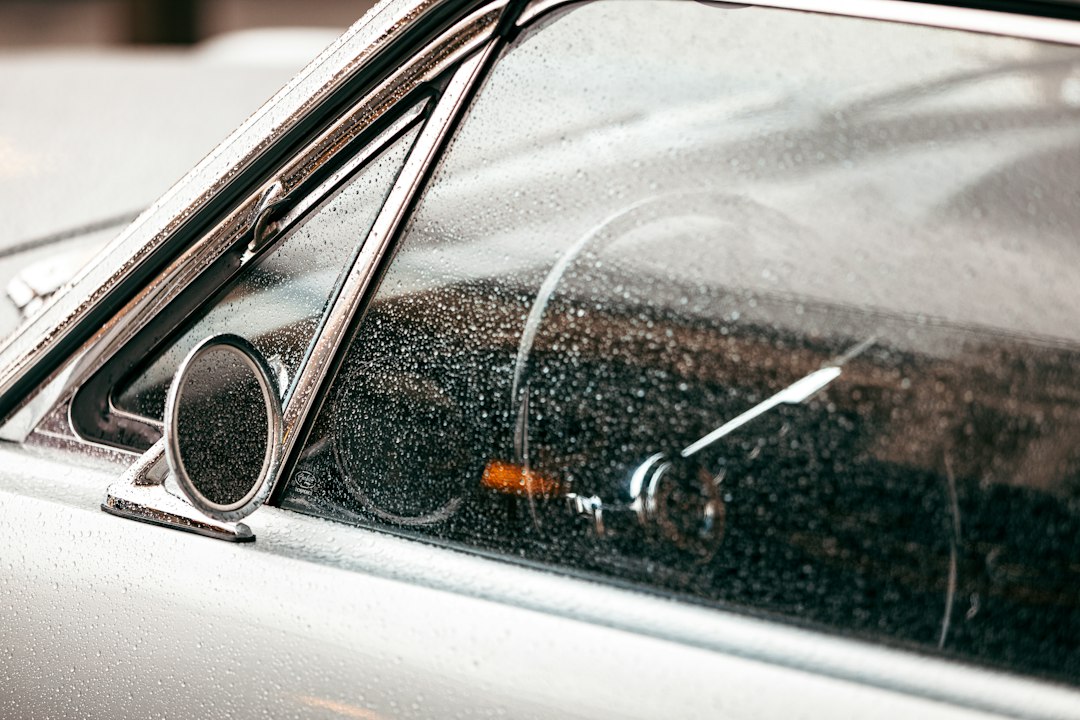
You might not give it much thought when you’re cruising down the road, but the glass in your car windows is a marvel of engineering, designed with your safety and comfort as its primary functions. It’s not just a transparent barrier; it’s a sophisticated material that plays a crucial role in protecting you from the elements, impacts, and even the sun’s harsh rays. Understanding how this seemingly simple component works reveals a lot about the careful considerations that go into every vehicle.
The Fundamental Purpose: More Than Just a View
Your car windows serve several vital purposes, all contributing to a safer and more enjoyable driving experience. Beyond the obvious function of allowing you to see your surroundings – an absolute necessity for navigation and hazard avoidance – they are integral to the structural integrity of your vehicle and your personal security.
Seeing the World Around You
This is perhaps the most intuitive role of your car windows. They provide you with a panoramic view of the road ahead, to the sides, and behind you, enabling you to be aware of other vehicles, pedestrians, cyclists, and any potential obstacles. This constant visual input is fundamental to making safe driving decisions, from changing lanes to braking to turning. The clarity and distortion-free nature of the glass are paramount here. Any significant warping or haziness would impede your ability to accurately judge distances and speeds, turning a routine drive into a dangerous proposition.
Protecting You from the Elements
The transparency of your car windows belies their formidable ability to keep the outside out. They act as a shield against wind, rain, snow, dust, and debris. Imagine driving in a downpour without your windows; the interior would quickly become swamped, making driving impossible and creating a host of visibility issues due to water spray. Similarly, on a hot day, they help to keep out the scorching sun and wind, allowing your air conditioning system to work more efficiently and keeping you comfortable. They are a barrier against noise pollution too, contributing to a quieter cabin environment.
Contributing to Vehicle Structure and Safety
While often perceived as fragile, your car windows are surprisingly strong and contribute to the overall structural integrity of your vehicle. Especially the windshield, which is bonded to the car’s frame, plays a significant role in supporting the roof during a rollover accident, preventing it from collapsing. Side and rear windows, though less structurally critical than the windshield, still add rigidity to the body of the car. In the event of a collision, the way the glass breaks is also a carefully engineered safety feature, designed to minimize injury.
Understanding how car window glass works is essential for both safety and comfort while driving. For a deeper dive into the science behind automotive glass, including its composition and the technology used to enhance its strength and clarity, you can read a related article at Freaky Science. This resource provides valuable insights into the innovations that make modern car windows more durable and effective in protecting passengers.
The Science of Strength: Understanding Automotive Glass Materials
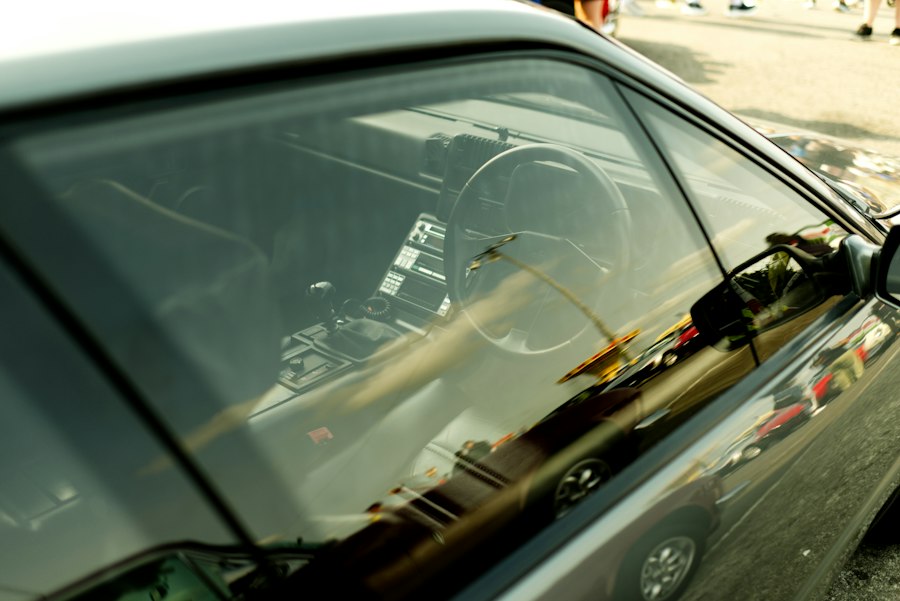
The type of glass used in your car is not the same as the glass found in your home windows. Automotive glass is specifically designed to meet stringent safety standards, and there are two primary types you’ll encounter: laminated and tempered glass. Each has unique properties that dictate where it’s used and why.
Laminated Glass: The Unbreakable Bond
Laminated glass is the superhero of automotive glass, primarily used for windshields. Its construction involves sandwiching a layer of polyvinyl butyral (PVB) plastic between two sheets of glass. This interlayer is the key to its safety. When laminated glass is struck with enough force to break, the glass shards adhere to the PVB layer, preventing them from scattering into the cabin.
- How it’s Made: The process begins with two sheets of glass. A layer of PVB, which is a strong and flexible thermoplastic, is placed between them. The three layers are then heated and pressed together under high pressure in an autoclave. This process creates a strong, transparent bond between the glass and the plastic.
- Safety Benefits: The primary safety benefit of laminated glass is its crack-holding ability. Even if the glass cracks extensively, it largely remains in place. This prevents occupants from being ejected from the vehicle during a severe accident and significantly reduces the risk of cuts from sharp glass fragments. It also offers better sound insulation and UV protection compared to tempered glass.
- Where You Find It: Almost all car windshields are made of laminated glass. This is because the windshield is a major structural component and needs to withstand impacts from road debris and contribute to the roof’s support.
Tempered Glass: The Shatter-Resistant Choice
Tempered glass, also known as toughened glass, undergoes a special heat treatment process that makes it significantly stronger and safer than regular glass. This process dramatically increases its resistance to impact and thermal shock. When tempered glass does break, it shatters into small, relatively harmless pebble-like pieces.
- The Heat Treatment Process: Tempered glass is produced by heating ordinary glass to a high temperature (around 620°C or 1150°F) and then rapidly cooling the surfaces with blasts of air. This rapid cooling causes the outer surfaces to contract and solidify much faster than the interior. This creates a state of compression in the outer layers and tension in the inner core.
- Safety Features of Shattering: The unique property of tempered glass is how it breaks. Due to the internal stresses, when it’s fractured, the tension is released explosively, causing the glass to shatter into hundreds of small, rounded fragments instead of sharp, jagged shards. This significantly reduces the risk of serious lacerations.
- Applications in Vehicles: Tempered glass is typically used for side windows, rear windows, and sunroofs. These areas are less critical for structural integrity compared to the windshield, and the shatter-resistant nature of tempered glass makes it an ideal choice for occupants’ safety in side impacts or rollovers.
The Mechanics of Mobility: How Windows Go Up and Down
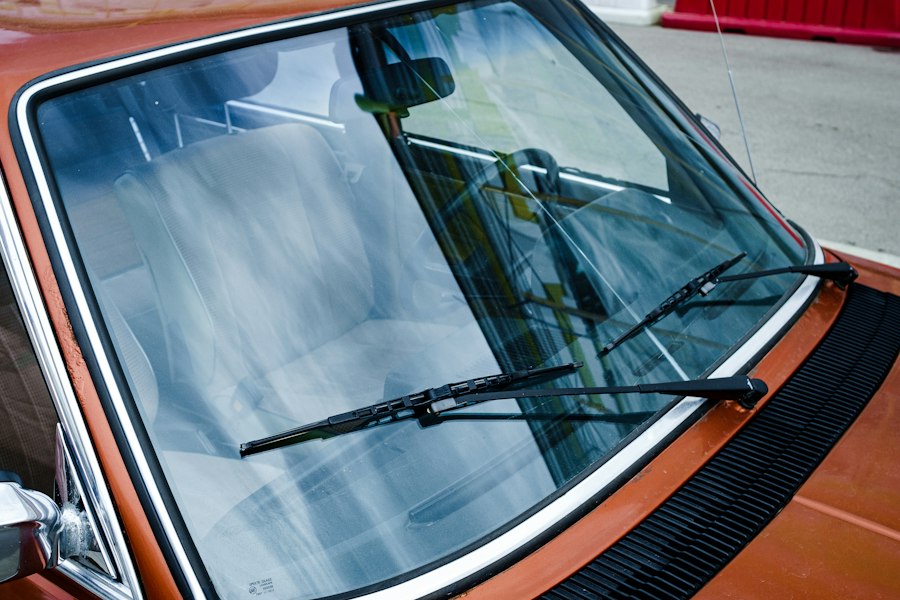
Beyond their protective qualities, car windows are also designed for convenience, allowing you to control airflow and access the outside environment. The mechanisms that raise and lower them have evolved over time, from simple manual cranks to sophisticated electronic systems.
Manual Window Regulators: The Classic Crank
For many years, the primary method for operating car windows was the manual window regulator. This system uses a hand-crank that you turn to raise or lower the glass. It’s a mechanical marvel of gears and levers that translates your turning motion into the vertical movement of the window.
- The Inner Workings: Inside the door panel, a series of gears are connected to the crank handle. As you turn the crank, these gears engage with a pinion gear that rotates a sector gear. This sector gear is attached to a metal arm or scissor-like mechanism that is connected to the bottom of the window glass. As the sector gear turns, it moves the arm up or down, smoothly raising or lowering the window.
- Simplicity and Reliability: Manual regulators are known for their simplicity and reliability. With fewer electronic components, they are less prone to failure and easier to repair. This made them a standard feature in vehicles for decades, and they are still found in some entry-level or older models.
- The Tactile Experience: For some, the manual crank offers a satisfying tactile experience, a direct connection to the car’s operation. It’s a straightforward and dependable way to interact with your vehicle.
Power Window Systems: The Electric Revolution
In modern vehicles, power windows have become the norm, offering a far more convenient and effortless way to operate your car’s glass. These systems utilize electric motors and a switch to control the window’s movement.
- The Components of Power Windows: A power window system typically consists of an electric motor, a regulator mechanism (often a more refined version of the manual type, adapted for motor drive), switches located in the driver’s door and often in each passenger door, and a wiring harness connecting everything. When you press the switch, it sends an electrical signal to the motor.
- Motorized Movement: The electric motor, powered by the car’s battery, drives the regulator. This can be either a gear-driven system similar to manual regulators, or a cable-driven system where a motor pulls a steel cable to move the window. The motor is designed to provide enough torque to lift and lower the window efficiently.
- Convenience and Features: Power windows offer unparalleled convenience. You can operate them with a single touch of a button, even from the driver’s seat for all windows. Many modern systems also include features like “auto-up” and “auto-down” functions, where a quick flick of the switch initiates full window travel, and anti-pinch protection that stops the window from closing if it detects an obstruction.
Enhancing the Drive: Advanced Window Technologies
Beyond their fundamental functions, car windows are increasingly incorporating advanced technologies to improve safety, comfort, and efficiency. These innovations are transforming windows from passive barriers into active contributors to the driving experience.
Tinting and UV Protection: Shielding from the Sun
The sun’s ultraviolet (UV) rays can be harmful to both your skin and your car’s interior, causing fading and degradation of materials. Many car windows come with built-in UV protection, and aftermarket tinting can further enhance this.
- Factory Tinting and UV Coatings: Many manufacturers apply a subtle tint and a UV-resistant coating during the glass manufacturing process. This coating absorbs a significant portion of UV radiation, preventing it from reaching the cabin. This not only protects occupants but also helps preserve the dashboard, upholstery, and other interior surfaces from sun damage.
- Aftermarket Window Tinting: Window tinting film is a popular aftermarket modification. These films are applied to the interior surface of the glass and come in various shades, offering different levels of light transmission and UV rejection. Professional installation is crucial to ensure a smooth, bubble-free finish and optimal performance. Tinting can also reduce glare and improve privacy.
- Heat Rejection: Beyond UV protection, some advanced tints also incorporate solar control features. These films can reflect a significant amount of infrared radiation (heat), helping to keep the car cooler in direct sunlight. This reduces the workload on the air conditioning system and improves fuel efficiency.
Defogging and Defrosting: Clear Vision in Any Weather
Maintaining clear visibility is paramount, especially in adverse weather conditions. Modern vehicles often feature integrated systems to combat fog and ice buildup on the windows.
- Heated Windshields: Some high-end vehicles are equipped with heated windshields. These can incorporate fine heating elements embedded within the glass layers or a very thin, transparent conductive coating. When activated, these elements gently warm the glass, melting frost and preventing fogging. This offers a more uniform and faster defogging/defrosting experience than traditional methods.
- Rear Defrosters: Nearly all vehicles have rear defrosters, which are essentially a series of thin, horizontal wires embedded in the tempered glass of the rear window. When activated, these wires heat up, evaporating condensation and melting frost. The pattern of the wires is carefully designed to provide effective defrosting without obstructing your view too significantly.
- Hydrophobic Coatings: While not a heating system, hydrophobic coatings are another technology that aids in visibility. These treatments cause water to bead up and roll off the glass more easily, improving visibility during rain. This effect can be beneficial for both windshields and side windows.
Understanding how car window glass works is essential for both safety and comfort while driving. The glass used in vehicles is specially designed to withstand impacts and provide clarity, which is crucial for visibility on the road. For a deeper dive into the science behind automotive glass and its various types, you can explore this informative article on Freaky Science. This resource offers insights into the manufacturing processes and the properties that make car windows resilient and effective.
The Future of Automotive Glass: Innovation on the Horizon
| Aspect | Description | Typical Values / Characteristics |
|---|---|---|
| Material | Type of glass used in car windows | Laminated glass (windshield), Tempered glass (side and rear windows) |
| Thickness | Thickness of the glass panes | Windshield: ~6 mm, Side windows: ~4-5 mm |
| Safety Features | How glass behaves on impact | Laminated glass holds shards together; Tempered glass shatters into small granules |
| UV Protection | Ability to block ultraviolet rays | Up to 99% UV blockage with special coatings or films |
| Tinting | Reduction of visible light transmission | Varies from 5% (very dark) to 70% (light tint) |
| Insulation | Thermal insulation properties | Double-pane or coated glass reduces heat transfer by up to 30% |
| Operation Mechanism | How the window moves up and down | Electric motor with regulator or manual crank system |
| Sealing | Prevents water and air leaks | Rubber seals and weatherstripping around window edges |
The evolution of car windows is far from over. As automotive technology advances, so too does the potential of the glass that forms our primary connection to the outside world. We are already seeing glimpses of what the future holds, with innovations that promise greater safety, enhanced connectivity, and a more integrated vehicle experience.
Smart Glass and Integrated Displays
The concept of “smart glass” is moving from science fiction to reality in the automotive sector. This includes advancements that can dynamically change their properties, such as tinting on demand or even displaying information directly.
- Electrochromic Glass: This type of glass can change its tint electronically. By applying a voltage, the glass darkens, reducing glare and heat. This allows for a seamless transition from clear to tinted without the need for mechanical blinds or films. It’s particularly useful for sunroofs and side windows, offering occupants personalized control over their environment.
- Heads-Up Displays (HUDs) and Augmented Reality: While HUDs traditionally project information onto the windshield, future iterations may see information integrated directly into the glass itself. Imagine navigation prompts, speed readouts, or even warnings about potential hazards appearing as if they are part of the road ahead, overlayed by augmented reality technology. This could significantly enhance driver awareness and reduce distractions.
- Increased Connectivity: Imagine car windows that can communicate with external systems. This could include sensors embedded within the glass that monitor weather conditions, or even windows that can display charging status for electric vehicles when parked. The glass could become an interactive interface, seamlessly integrating the car with its environment.
Enhanced Safety Features and Materials
The drive for ever-greater safety in vehicles will undoubtedly lead to further innovations in glass technology, pushing the boundaries of both strength and intelligent response.
- Advanced Laminated and Composite Materials: Researchers are exploring new interlayer materials and composite structures for laminated glass that could offer even greater impact resistance, while remaining lightweight. This could improve occupant protection in severe accidents and contribute to better fuel efficiency by reducing overall vehicle weight.
- Self-Healing Glass: While still in the early stages of development, the concept of self-healing glass is tantalizing. Imagine microscopic fissures or minor scratches that could automatically repair themselves over time, extending the lifespan of the glass and reducing the need for costly replacements. This could be achieved through embedded microcapsules containing a healing agent.
- Integrated Sensors and Cameras: The smooth, expansive surface of car windows makes them ideal locations for integrating sensors and cameras. These could monitor the driver’s alertness, detect external objects with greater precision, or even assist in advanced driver-assistance systems (ADAS) by providing a broader field of view than traditional external cameras. This integration could lead to more robust and reliable autonomous driving capabilities.
You interact with your car windows every single day, often without a second thought. Yet, they are a testament to the intricate balance of safety, functionality, and aesthetics that modern automotive design strives for. From the fundamental ability to see the road to the sophisticated technologies that promise to shape the future of driving, your car windows are far more than just panes of glass; they are vital components in your journey.

Your Car Window Can Keep You In—Even When You Need Out
FAQs
1. How is car window glass different from regular glass?
Car window glass is made using tempered glass, which is stronger and more resistant to shattering than regular glass. This type of glass is designed to break into small, dull pieces to reduce the risk of injury in case of an accident.
2. What is the purpose of the tint on car window glass?
The tint on car window glass helps to reduce glare from the sun, improve privacy, and block harmful UV rays. It also helps to keep the interior of the car cooler by reducing the amount of heat that enters through the windows.
3. How does the defogging feature on car window glass work?
The defogging feature on car window glass works by using a heating element embedded in the glass. When activated, the heating element warms up the glass to quickly evaporate any condensation or fog that has formed on the surface, improving visibility for the driver.
4. Can car window glass be repaired if it gets chipped or cracked?
Small chips or cracks in car window glass can often be repaired using a special resin that is injected into the damaged area. However, if the damage is extensive or affects the structural integrity of the glass, it may be necessary to replace the entire window.
5. How does the power window feature on car windows work?
The power window feature on car windows uses an electric motor to raise or lower the window with the push of a button. The motor is connected to a regulator mechanism that moves the window up and down along a track, allowing for easy operation without the need for manual cranking.