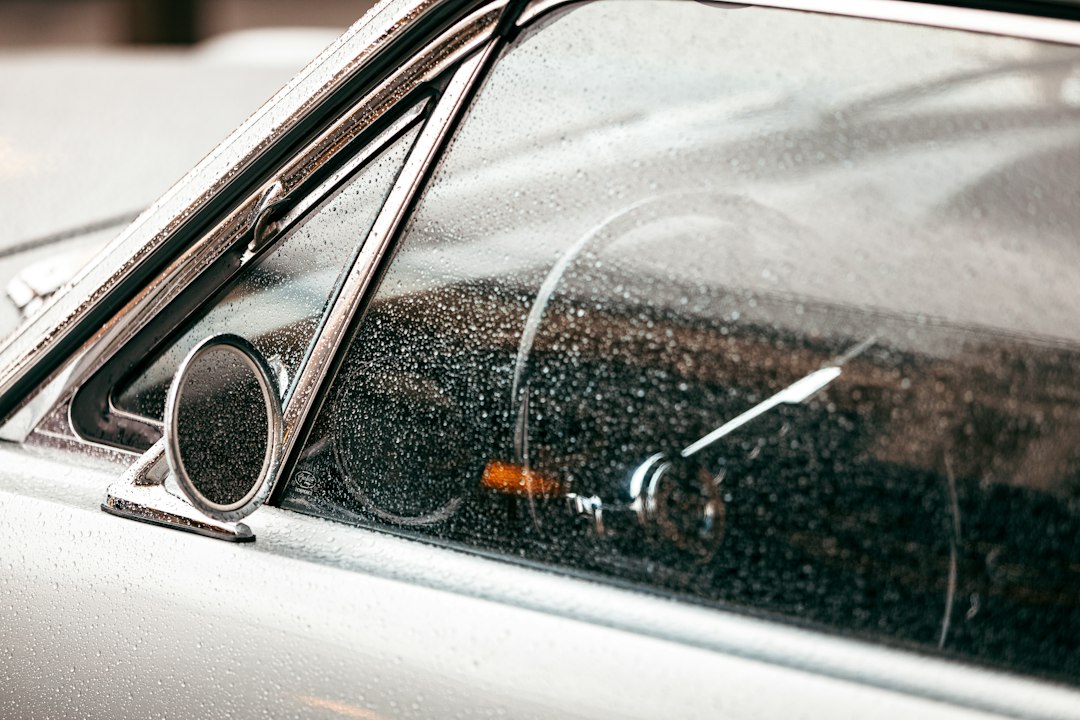
The Hidden Forces: Understanding What Makes Car Windows Shatter
You’re driving along, the sun is shining, and suddenly, a sharp crack echoes through your car. Your windshield, once a clear portal to the world, is now marred by a spiderweb of cracks, or worse, has completely shattered. It’s a startling and often frightening experience, and you might find yourself wondering, “How did this happen?” The answer isn’t always a dramatic collision. Car windows, designed for safety, are surprisingly vulnerable to a variety of forces that can lead to their shattering. Understanding these causes is crucial, not just for peace of mind, but for ensuring your safety and the safety of your passengers. You see, a compromised window isn’t just an aesthetic issue; it can significantly impact the structural integrity of your vehicle and your ability to react effectively in emergencies. This article will delve into the common culprits behind shattered car windows, from the seemingly mundane to the more impactful, and offer insights into how you can better protect yourself and your vehicle.
Car windows can shatter for various reasons, including temperature changes, manufacturing defects, or impact from external objects. Understanding these factors is essential for vehicle safety and maintenance. For a deeper insight into the science behind why car windows shatter, you can read a related article on this topic at Freaky Science.
Temperature Extremes: The Silent Stressors on Your Glass

One of the most common, yet often overlooked, reasons for car window shattering is the effect of extreme temperature fluctuations. Glass, like most materials, expands when heated and contracts when cooled. When these changes happen rapidly or unevenly across the surface of your car window, immense stress can build up. You might not even realize the forces at play until a small, seemingly insignificant crack appears and then rapidly spreads.
The Rapid Freeze-Thaw Cycle: A Recipe for Disaster
This is particularly prevalent in regions with harsh winters. Imagine this scenario: You park your car overnight in sub-zero temperatures. The glass cools significantly, contracting. Then, during the day, the sun, even weak winter sun, warms the exterior of the windshield. This outer layer of glass heats up and expands, while the interior, shielded from direct sunlight, remains cold and contracted. This differential expansion creates internal stress. If there’s even a tiny existing chip or imperfection in the glass – and most windshields have a few – this stress can be enough to cause the crack to propagate explosively. The rapid freeze-thaw cycle, where temperatures swing wildly between freezing and above freezing, exacerbates this problem. Water can seep into micro-fissures, freeze and expand, widening the cracks, only to melt and contract again, repeating the damaging cycle.
The Scorching Heat of Summer: Another Form of Stress
While winter is often highlighted, the extreme heat of summer can be just as damaging. Leaving your car parked in direct sunlight for extended periods can cause the interior of the vehicle to become incredibly hot. The dashboard, seats, and other surfaces absorb and radiate heat, significantly raising the temperature of the glass from the inside. This, in conjunction with the already hot exterior from direct sun exposure, creates another form of differential expansion. The glass is being heated from both sides, but the rate of heating and the amount of heat absorbed can vary, leading to internal stresses that can cause a seemingly sound window to fracture. You might notice this effect more if your car has tinted windows, as darker tints absorb more heat.
Physical Impacts: The Obvious Culprits
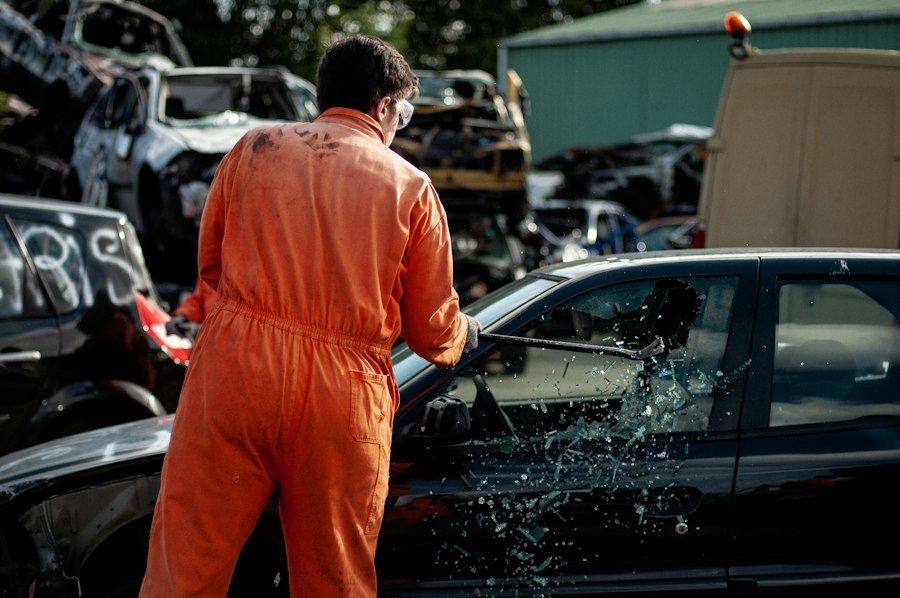
While temperature is a silent killer of car windows, physical impacts are the more dramatic and often obvious causes of shattering. These can range from the unexpected to the accidental, and the force of impact directly correlates with the severity of the damage.
Projectiles from the Road: Rocks, Gravel, and Debris
This is perhaps the most frequent cause of windshield damage. When you’re driving behind a truck or on a gravel road, small stones, rocks, and other debris can be kicked up by the tires. These projectiles can strike your windshield at high speed, creating chips and cracks. While a small chip might seem manageable, it’s a weak point. Subsequent impacts, even from something as minor as a heavy raindrop or another, smaller pebble, can cause that chip to rapidly expand into a larger crack or even shatter the entire pane. The speed of your vehicle, the size and hardness of the projectile, and the angle of impact all play a role in determining the extent of the damage.
Accidents and Collisions: The Force of Impact
In the unfortunate event of a collision, car windows are often subjected to immense forces. Depending on the nature of the accident, windows can shatter due to direct impact with other vehicles, stationary objects, or even from the force of the airbags deploying. Modern car windows, especially side and rear windows, are often made of tempered glass. This type of glass is designed to shatter into small, blunt pieces when broken, reducing the risk of severe injury from sharp shards. However, in a high-impact collision, the force can be so great that even tempered glass will shatter completely. Windshields, on the other hand, are typically made of laminated glass, which is designed to stay intact even when cracked, with a layer of plastic sandwiched between two layers of glass. This prevents the glass from scattering and provides a safety barrier. However, severe impacts can still cause lamination failure and significant breakage.
Vandalism and Deliberate Acts: The Malicious Shatter
Sadly, car windows can also shatter due to deliberate acts of vandalism. This can involve anything from a rock thrown at the car to a deliberate attempt to break the window with a tool. The force involved in such acts is usually significant, leading to immediate and catastrophic shattering. This type of damage is not only costly to repair but also poses a significant safety risk, leaving the vehicle exposed and vulnerable.
Manufacturing Defects and Wear and Tear: The Hidden Flaws
While less common than external factors, manufacturing defects and the natural wear and tear of a car over time can also contribute to window shattering. These issues can create pre-existing weaknesses that make the glass more susceptible to failure under normal operating conditions.
Imperfections in the Glass: Microscopic Flaws
During the manufacturing process of automotive glass, microscopic imperfections can sometimes occur. These can include tiny bubbles, inclusions, or variations in the glass composition. While these flaws are often undetectable to the naked eye, they can create stress points within the glass. Over time, especially when exposed to temperature fluctuations or minor impacts, these stress points can weaken the glass, leading to cracks that can eventually result in shattering. Reputable manufacturers have stringent quality control measures in place to minimize these defects, but they are not entirely eliminated.
Aging and Degradation of the Sealant: The Weakening Bond
Car windows are not just pieces of glass; they are integrated into the vehicle’s structure and sealed into place. The sealant used around the edges of the windows plays a crucial role in maintaining the structural integrity of the vehicle and preventing water ingress. Over time, exposure to sunlight, temperature changes, and environmental elements can cause this sealant to degrade, crack, or lose its adhesion. A weakened seal can allow moisture to seep into the gap between the glass and the vehicle frame, which can then freeze and expand in colder climates, putting pressure on the glass. Furthermore, a compromised seal can also lead to a loss of structural support for the window itself, making it more prone to flexing and fracturing under stress.
Car windows can shatter for various reasons, including temperature changes, manufacturing defects, or even minor impacts. Understanding these factors is essential for vehicle safety and maintenance. For a deeper insight into the science behind why some car windows break unexpectedly, you can read this informative article on the topic. It provides valuable information that can help drivers be more aware of potential risks. To learn more, check out this related article.
The Science of Shattering: Stress, Strain, and Fracture Mechanics
| Factor | Description | Impact on Window Shattering | Example/Metric |
|---|---|---|---|
| Type of Glass | Tempered vs. laminated glass used in car windows | Tempered glass shatters into small pieces; laminated glass holds together | Side windows usually tempered; windshields laminated |
| Temperature Changes | Rapid heating or cooling causing stress in glass | Can cause thermal stress fractures leading to shattering | Temperature difference > 50°C can induce cracks |
| Impact Force | Physical impact from objects or accidents | High impact can cause immediate shattering | Impact energy > 10 Joules can break tempered glass |
| Manufacturing Defects | Internal flaws or impurities in glass | Weak points increase likelihood of spontaneous breakage | Nickel sulfide inclusions cause delayed shattering |
| Installation Stress | Improper fitting or pressure during installation | Pre-stressed glass more prone to cracking | Uneven pressure > 5 MPa can cause micro-cracks |
| Environmental Factors | Exposure to chemicals, moisture, or vibrations | Can weaken glass structure over time | Salt spray exposure accelerates corrosion at edges |
Understanding why glass shatters involves a bit of physics and materials science. Glass, in its amorphous state, behaves differently from crystalline materials. When subjected to stress, it doesn’t deform plastically like metal; instead, it stores the energy elastically until it reaches its breaking point, at which point it fractures.
Stress Concentration at Imperfections: The Achilles’ Heel of Glass
No piece of glass is perfectly uniform. Even microscopic scratches, chips, or internal flaws act as points of stress concentration. Imagine pulling a piece of paper with a small tear; the tear will naturally spread from that point. Similarly, any tiny imperfection on a car window acts like a starting point for cracks. When external forces, whether from temperature changes or impacts, are applied, the stress becomes magnified at these imperfection points. This localized stress can exceed the glass’s tensile strength, initiating a fracture. The crack then propagates outwards from this point, often in a characteristic spiderweb pattern.
The Role of Tempered vs. Laminated Glass: Safety Features in Action
The type of glass used in your car is a critical factor in how it shatters. As mentioned earlier, side and rear windows are typically made of tempered glass. This glass is heated to a high temperature and then rapidly cooled. This process creates internal compressive stresses on the outer surfaces and tensile stresses in the interior. When tempered glass breaks, the surface layers release their stored energy, causing the entire pane to shatter into many small, relatively harmless pieces. This is a safety feature designed to minimize the risk of injury from sharp shards. Windshields, however, are made of laminated glass. This consists of two layers of glass with a layer of polyvinyl butyral (PVB) plastic in between. When laminated glass breaks, the glass fragments adhere to the PVB interlayer, preventing them from scattering and creating a much safer barrier. The PVB also helps maintain the structural integrity of the windshield, which contributes to the overall safety of the vehicle’s occupants during a rollover or collision.
Safety Insights and Prevention: Protecting Your View
The good news is that you’re not entirely powerless against shattered car windows. By understanding the causes, you can take steps to mitigate risks and ensure your safety.
Regular Inspection and Prompt Repair: A Stitch in Time Saves Nine
The most important preventative measure you can take is to regularly inspect your car windows for any signs of damage. Even a small chip or crack can compromise the integrity of the glass and lead to more significant problems. If you notice any damage, no matter how minor, get it repaired as soon as possible. Professional auto glass repair services can often fix chips and small cracks effectively, preventing them from spreading and potentially saving you from the cost and inconvenience of a full replacement. Ignoring minor damage is a gamble that can have severe consequences.
Driving Habits and Awareness: Navigating the Road Safely
Be mindful of your driving environment. When driving on gravel roads or behind large trucks, maintain a safe following distance to reduce the risk of being hit by kicked-up debris. Avoid sudden braking or acceleration when you can, as these can create additional stress on your vehicle, including its windows. If you live in an area with extreme temperature fluctuations, try to park your car in a shaded area or a garage when possible to minimize the impact of rapid temperature changes on your glass. Using a sunshade in the summer can also help reduce the interior temperature of your car.
Understanding Your Insurance Coverage: Being Prepared for the Worst
Familiarize yourself with your auto insurance policy. Many comprehensive insurance policies cover glass damage, often with a low or no deductible for windshield repairs. Knowing your coverage can help you make informed decisions about repairing or replacing damaged windows without undue financial burden. Promptly addressing damage can also prevent it from escalating into a more expensive claim.
In conclusion, the shattering of car windows is rarely a random event. It’s often the result of a combination of environmental factors, physical impacts, and the inherent properties of glass. By understanding these causes and implementing preventative measures, you can significantly reduce the risk of this startling experience and ensure your continued safety on the road. Your car’s windows are more than just transparent barriers; they are crucial components of your vehicle’s safety system, and protecting them is paramount.

Your Car Window Can Keep You In—Even When You Need Out
FAQs
1. Why do car windows shatter?
Car windows can shatter due to various reasons such as impact from a collision, extreme temperature changes, manufacturing defects, or vandalism.
2. Can a small chip or crack cause a car window to shatter?
Yes, a small chip or crack in a car window can weaken the overall structure, making it more susceptible to shattering, especially when exposed to sudden changes in temperature or additional stress.
3. How do extreme temperature changes lead to car window shattering?
Extreme temperature changes can cause the glass to expand or contract rapidly, putting stress on the window. If the glass is already weakened or has imperfections, this stress can lead to the window shattering.
4. Are there specific types of glass used in car windows that are more prone to shattering?
Tempered glass, commonly used in car windows, is designed to shatter into small, blunt pieces for safety reasons. However, if tempered glass is damaged or has manufacturing defects, it can shatter more easily than laminated glass.
5. What should I do if my car window shatters unexpectedly?
If your car window shatters unexpectedly, safely pull over to the side of the road, avoid touching the broken glass, and seek professional help to assess the damage and replace the window if necessary.