
You’re probably reading this from behind a pane of glass. It’s so ubiquitous, so utterly mundane, that you barely notice it. But that transparent barrier separating you from the world outside your vehicle is about to undergo a radical transformation. Forget the simple function of visibility; the car window of tomorrow is poised to become an intelligent, interactive, and integral part of your driving experience, and indeed, your life. The innovations bubbling away in labs and design studios are not merely incremental upgrades; they are fundamental shifts that will redefine what you expect from your car’s glass.
Beyond Transparency: The Rise of Smart Glass
The concept of “smart glass” has moved from science fiction to tangible reality, and its application in automotive windows promises a revolution. Imagine glass that can instantaneously adjust its opacity, from perfectly clear to completely opaque, on demand. This isn’t just about privacy; it’s about nuanced control over your environment, and the technology is rapidly advancing to make this a standard feature.
Electrochromic and Thermochromic Technologies
At the forefront of this smart glass revolution are electrochromic and thermochromic technologies. Electrochromic glass, often referred to as “smart tinting” or “dimmable glass,” changes its tint when an electrical voltage is applied. This means you could, with the touch of a button or even a voice command, adjust the tint of your windows to block out glare from the sun, reduce heat absorption, or simply enhance privacy. Think about driving on a bright, sunny day; instead of fiddling with sun visors or squinting, you could simply tell your car to dim the windows, creating a perfectly comfortable cabin. The possibilities extend to even more sophisticated applications, such as automatically tinting windows to prevent overheating in direct sunlight, which can significantly reduce the need for air conditioning and improve fuel efficiency.
Thermochromic glass, on the other hand, changes its tint in response to temperature fluctuations. While less controllable than electrochromic glass, it offers a passive, energy-saving solution. Windows coated with thermochromic materials could darken as the sun heats them, naturally reducing the amount of solar radiation entering the car. This could be particularly beneficial in warmer climates, helping to keep the interior cooler without any active intervention. The combination of these two technologies could lead to a highly adaptive and energy-efficient vehicle environment, where the glass actively works to maintain optimal cabin conditions. The development of these technologies is moving at an impressive pace, with manufacturers focusing on improving response times, durability, and cost-effectiveness, paving the way for widespread adoption.
Liquid Crystal Displays (LCD) and Organic Light-Emitting Diodes (OLED) Integrated into Glass
But smart glass is far more than just tinting. The integration of display technologies like LCD and OLED directly into car windows is set to transform them into dynamic information hubs. Imagine your car window becoming a secondary display for navigation, traffic updates, or even entertainment. This isn’t about replacing the windshield with a giant screen, which could be a distraction, but rather about utilizing the side and rear windows for subtle, context-aware information delivery.
For instance, as you approach a turn, the side window could subtly highlight the correct lane, or display the upcoming speed limit. This kind of augmented reality projection directly onto your field of vision, without requiring you to look away from the road, is a significant safety enhancement. Furthermore, these display-integrated windows could offer personalized experiences. A passenger could have their window display a movie or a game, entirely independent of what the driver sees. The technology is evolving to create thinner, more flexible, and more energy-efficient displays that can be seamlessly integrated into the glass structure, minimizing any impact on transparency and aesthetics when not in use. The challenge lies in creating displays that are both robust enough to withstand the rigmarole of daily driving and sophisticated enough to offer a rich user experience.
As the automotive industry continues to evolve, the future of car window glass is becoming increasingly important, particularly with advancements in technology and materials. For an in-depth exploration of these innovations, you can read a related article that discusses the potential of smart glass and its applications in enhancing vehicle safety and energy efficiency. To learn more, visit this article.
Enhancing Safety and Security Through Advanced Glass
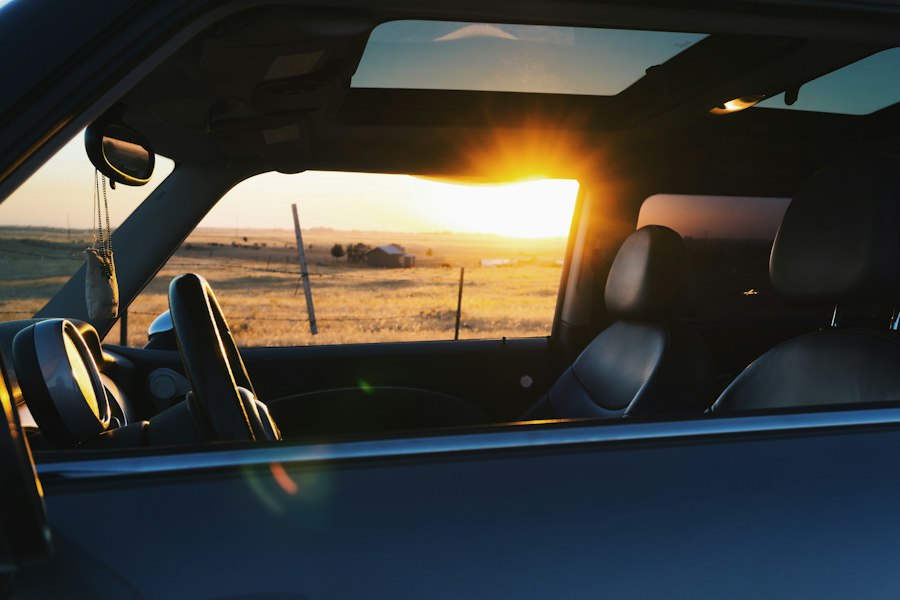
The evolution of car window glass isn’t just about comfort and convenience; it’s also about creating safer vehicles and more secure environments for occupants. New materials and designs are emerging that will make your car more resilient to impacts and provide advanced surveillance and communication capabilities.
Laminated and Tempered Glass Innovations
While laminated and tempered glass are already standard safety features, ongoing innovations are pushing their capabilities further. Laminated glass, typically used for windshields, consists of a plastic layer sandwiched between two sheets of glass. Upon impact, the glass fragments adhere to the plastic interlayer, preventing them from scattering into the cabin and causing injury. Future iterations will likely incorporate even stronger interlayer materials, offering superior resistance to penetration from debris, vandalism, and even collisions. Imagine glass that can withstand impacts from small projectiles without shattering, or that is significantly harder to break for security purposes.
Tempered glass, used for side and rear windows, is heated and cooled rapidly to create a stronger, more shatter-resistant material. When it does break, it shatters into small, relatively harmless pieces. Innovations in tempering processes are leading to glass that is even stronger and more resistant to thermal shock, which is crucial in preventing windows from breaking due to extreme temperature changes. The development of self-healing glass, a more futuristic concept, also holds promise. This technology, inspired by biological healing processes, could allow microscopic cracks in the glass to repair themselves over time, extending the lifespan of the glass and reducing maintenance costs. This would not only improve safety by ensuring the structural integrity of the windows but also contribute to a more sustainable automotive industry by reducing the need for replacements.
Integrated Sensors and Communication Systems
The concept of embedding sensors and communication systems directly into car window glass is a game-changer for vehicle safety and connectivity. Think about a layer of tiny, almost invisible sensors woven into the glass itself. These sensors could monitor a myriad of environmental factors, from rain and fog density to the presence of other vehicles or pedestrians. This data can then be fed into the car’s advanced driver-assistance systems (ADAS), allowing for more precise and proactive safety interventions.
For example, sensors could detect the onset of a slippery road surface by analyzing the interaction of rain with the glass, triggering the traction control system before you even feel the loss of grip. Similarly, cameras integrated into the windows could provide a 360-degree view of the vehicle’s surroundings, enhancing parking assistance and blind-spot monitoring. Beyond safety, these embedded systems could also facilitate seamless communication. Imagine your car windows acting as antennae for Wi-Fi, cellular, and even vehicle-to-everything (V2X) communication, allowing your car to “talk” to other vehicles, infrastructure, and even pedestrians. This interconnectivity is crucial for the future of autonomous driving and smart city integration, enabling real-time data exchange for improved traffic flow and enhanced safety for all road users.
Revolutionizing the Driving Experience: Aesthetics and Functionality

The future of car window glass isn’t just about what it does, but also about how it looks and how it enhances your overall driving experience. Designers are exploring new shapes, functionalities, and integrations that will make your car interior a more immersive and personalized space.
Curvature and Aerodynamic Integration
The traditional flat or gently curved car window is about to be replaced by more radical designs. As automotive design increasingly prioritizes aerodynamics and sleek aesthetics, you’ll see windows that flow more seamlessly into the vehicle’s bodywork. This means deeper curves, more complex shapes, and potentially even the entire canopy of the car becoming a single, continuous piece of glass. This not only reduces drag and improves fuel efficiency but also creates a more modern and futuristic look.
Imagine a car where the side windows curve inwards to meet the roofline in a smooth, unbroken sweep. This level of integration requires advanced manufacturing techniques and materials that can be formed into complex geometries while maintaining optical clarity and structural integrity. The benefits extend beyond aesthetics; a more aerodynamic design can lead to quieter cabin noise, as wind buffeting is reduced. Furthermore, designers are exploring how to integrate advanced functionalities into these complex glass structures without compromising their visual appeal. This push towards form and function convergence is a hallmark of the future of automotive design, with car windows playing a central role.
Acoustic Insulation and Noise Reduction
One of the most appreciated, yet often overlooked, benefits of advanced car window glass will be its contribution to a quieter, more serene driving experience. The constant hum of traffic, the roar of the engine, and the rush of wind can all contribute to driver fatigue and reduce the enjoyment of a journey. Future car windows will be engineered with enhanced acoustic insulation properties.
This can be achieved through various methods, including the use of multi-layered glass with specialized acoustic dampening interlayers, similar to those used in high-end audio systems. These interlayers absorb sound vibrations, significantly reducing the amount of external noise that penetrates the cabin. You could find yourself driving in near silence, able to hold conversations without raising your voice or enjoying your music at a lower volume. This acoustic enhancement is not just about luxury; it contributes to a safer driving experience by reducing driver distraction and stress, allowing for better concentration on the road. The ongoing research into novel materials and composite structures for glass fabrication will continue to push the boundaries of acoustic performance, making your car a sanctuary on wheels.
Sustainability and Efficiency: The Greener Glass of Tomorrow
As the automotive industry pivots towards a more sustainable future, car window glass is not being left behind. Innovations are focusing on reducing the environmental impact of glass production and enhancing its contribution to vehicle efficiency.
Recycled Materials and Eco-Friendly Manufacturing
The production of automotive glass is an energy-intensive process. However, manufacturers are increasingly exploring the use of recycled glass in their production cycles. By incorporating post-consumer and post-industrial recycled glass, the need for raw materials is reduced, and the energy required for smelting and processing is significantly lowered. This not only conserves natural resources but also decreases the carbon footprint associated with glass manufacturing.
Beyond recycled materials, there’s a growing focus on developing more eco-friendly manufacturing processes. This includes optimizing furnace temperatures, reducing water consumption, and minimizing waste throughout the production chain. The goal is to create a circular economy for automotive glass, where materials are reused and recycled as much as possible, and the environmental impact of their creation is minimized. This commitment to sustainability extends to the entire lifecycle of the glass, from its production to its eventual recycling at the end of the vehicle’s life.
Lightweighting and Energy Efficiency Contributions
The quest for fuel efficiency and extended range for electric vehicles places a premium on reducing vehicle weight. Advanced car window glass is playing a crucial role in this “lightweighting” effort. By developing thinner, yet stronger, glass formulations and integrating advanced structural designs, manufacturers are able to significantly reduce the overall weight of the windows. This reduction, while seemingly small per pane, adds up across the entire vehicle, contributing to better fuel economy for internal combustion engine vehicles and increased range for electric vehicles.
Furthermore, as discussed with smart glass technologies, the ability to control light and heat transmission through windows directly impacts a vehicle’s energy consumption. By reducing the need for air conditioning to cool the cabin, or by passively managing solar gain, smart glass contributes to a more energy-efficient vehicle operation. This dual approach – reducing the physical weight of the glass and enabling active energy management – positions car window glass as a key enabler of a more sustainable automotive future.
As the automotive industry continues to innovate, the future of car window glass is becoming increasingly fascinating. Advances in materials and technology promise to enhance safety, energy efficiency, and even provide smart features that could revolutionize the driving experience. For a deeper dive into these emerging trends and their potential impact, you can read a related article on this topic at Freaky Science, which explores the latest developments in automotive glass technology.
The Road Ahead: Challenges and Opportunities
| Metric | Current Status | Future Projection (Next 10 Years) | Impact on Automotive Industry |
|---|---|---|---|
| Smart Glass Adoption Rate | 5% of new vehicles | Estimated 60% of new vehicles | Enhanced user experience with adjustable tint and privacy |
| Energy Efficiency Improvement | Standard glass with minimal insulation | Up to 30% reduction in cabin cooling/heating energy | Lower vehicle energy consumption, extended EV range |
| Integration of Heads-Up Display (HUD) | Limited to luxury models | Standard in mid-range and above vehicles | Improved driver safety and information accessibility |
| Self-Healing Glass Technology | Experimental stage | Commercially available for minor scratch repair | Reduced maintenance costs and longer glass lifespan |
| Weight Reduction | Standard laminated glass | Up to 20% lighter composite glass materials | Improved fuel efficiency and vehicle performance |
| Solar Energy Harvesting Capability | Minimal or no integration | Glass panels generating up to 50 watts per window | Supplemental power for vehicle electronics |
The future of car window glass is undeniably exciting, but realizing these advancements will not be without its hurdles. The transition to these sophisticated technologies presents a unique set of challenges that manufacturers and consumers alike will need to navigate.
Cost, Durability, and Repairability
One of the most significant challenges is the cost associated with these advanced technologies. Smart glass, integrated displays, and sophisticated sensor arrays are, at present, considerably more expensive than traditional glass. For these innovations to become mainstream, manufacturers will need to find ways to reduce production costs through economies of scale and further technological refinement. Equally important is the question of durability. Car windows are subjected to a constant barrage of environmental stressors, from harsh weather conditions and road debris to everyday wear and tear. Ensuring that these advanced glass components can withstand such rigors for the lifetime of a vehicle is paramount. This includes developing coatings that resist scratching and UV degradation, and ensuring the long-term reliability of embedded electronic components.
Furthermore, the repairability of these complex glass systems is a major consideration. When a traditional car window breaks, replacement is usually a straightforward and relatively affordable process. However, with integrated sensors, displays, and smart tinting capabilities, a cracked or damaged window could become a far more complex and costly repair. The industry will need to develop new repair methodologies and potentially modular designs to address this issue, ensuring that drivers aren’t faced with exorbitant repair bills.
Consumer Adoption and Regulatory Frameworks
The successful integration of these innovations also hinges on consumer acceptance and the establishment of appropriate regulatory frameworks. Consumers will need to understand the benefits of these advanced glass technologies and be willing to embrace them. This will require effective communication and education from automakers about how these features enhance safety, convenience, and efficiency. Early adoption will likely be in higher-end vehicles, but as costs decrease and familiarity grows, these features will filter down to more affordable models.
On the regulatory front, as car windows become more interactive and data-generating, new standards will need to be developed. This includes guidelines for data privacy and security related to the sensors and communication systems embedded within the glass. Furthermore, regulations will need to address the safety implications of dynamic tinting and augmented reality displays, ensuring they do not pose a distraction or safety hazard to drivers. The evolution of vehicle safety standards will need to keep pace with technological advancements, creating a framework that encourages innovation while prioritizing public safety. The opportunities presented by these future car window technologies are immense, promising a safer, more comfortable, and more connected driving future for all.

Your Car Window Can Keep You In—Even When You Need Out
FAQs
1. What are some advancements in car window glass technology?
Advancements in car window glass technology include self-tinting glass, heads-up display windshields, and smart glass that can adjust transparency levels.
2. Will future car window glass be more resistant to shattering?
Yes, future car window glass is expected to be more resistant to shattering due to the development of stronger materials such as laminated glass and tempered glass.
3. How will car window glass contribute to energy efficiency in vehicles?
Car window glass with improved insulation properties can help regulate the interior temperature of the vehicle, reducing the need for heating or cooling systems and thus improving energy efficiency.
4. Are there any safety features being integrated into future car window glass?
Yes, safety features such as augmented reality displays, rain-sensing capabilities, and impact detection sensors are being integrated into future car window glass to enhance driver safety.
5. What environmental benefits can be expected from advancements in car window glass?
Advancements in car window glass technology can lead to improved fuel efficiency by reducing the need for air conditioning, as well as increased use of sustainable materials in glass production, contributing to environmental sustainability.