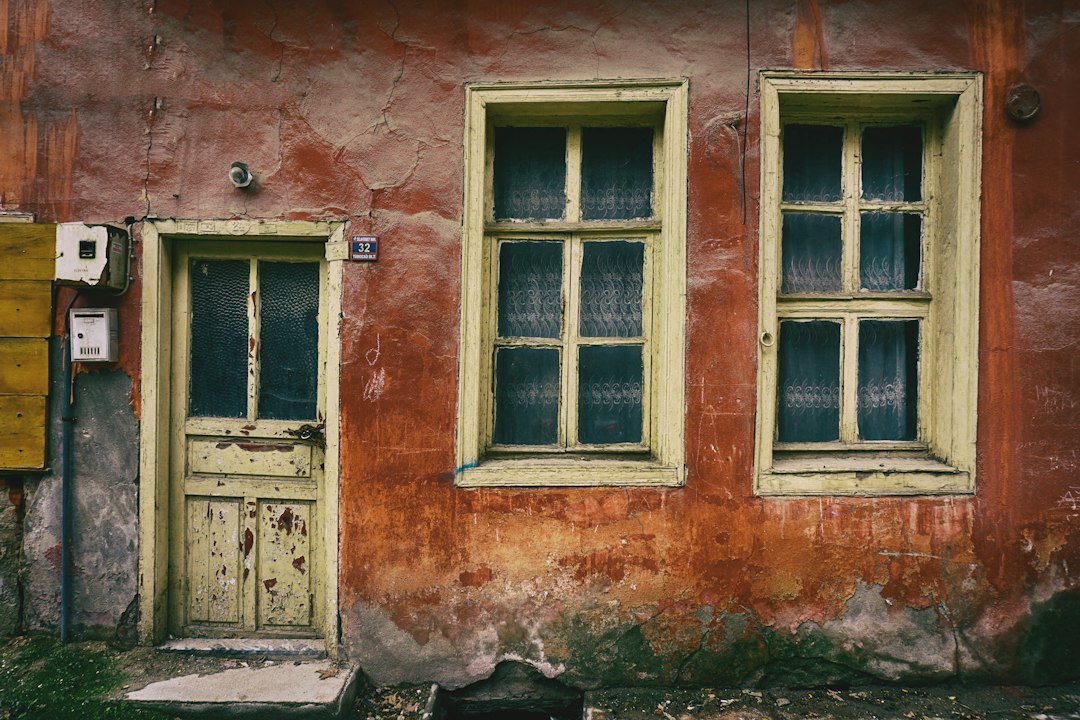
You’re standing in your living room, sunlight streaming through your windows. They look great, they let in the light, and they keep the weather out. But have you ever stopped to consider what kind of windows you have? It might seem like a minor detail, but understanding your window types is more than just a trivia point. It’s crucial for everything from routine maintenance and repairs to understanding their energy efficiency and making informed decisions about replacements. Knowing your window type empowers you to be a more proactive and knowledgeable homeowner.
Maybe you’ve noticed a draft, or perhaps you’re considering an upgrade to improve your home’s insulation. Or maybe, just maybe, you’re embarking on a renovation project and need to specify new windows. Whatever your motivation, this guide is designed to demystify the world of windows and equip you with the knowledge to confidently identify yours. We’ll break down the common types, explore their characteristics, and give you the tools to distinguish them. So, let’s get started on this journey to becoming a window-savvy homeowner.
Understanding the Anatomy of a Window
Before we dive into specific window types, it’s helpful to understand the basic components that make up any window. This foundational knowledge will make it much easier to identify the differences between various styles. Think of it like learning the parts of a car before you can identify specific models.
The Frame: The Window’s Outer Shell
The frame is the structural element that surrounds the glass and holds the entire window unit in place within the wall opening. It’s the most visible part of the window from both the inside and outside. Frames can be made from a variety of materials, each with its own pros and cons in terms of durability, insulation, and aesthetics. Common frame materials include wood, vinyl, aluminum, and composite materials. The design and construction of the frame often dictates how the window operates and opens. For example, a very thick, robust frame might suggest a casement or awning window, while a thinner, more streamlined frame could be indicative of a double-hung or slider. The way the frame is joined at the corners and the profiles of its various parts are also clues to its construction and potential age.
The Sash: The Movable Part Containing the Glass
The sash is the part of the window that holds the glass panes and is designed to move (or not move, in the case of fixed windows) to allow for ventilation and access. Most windows have at least one sash. Some have two sashes that move independently, while others have a single sash that pivots or swings open. The number of sashes, how they move, and how they are constructed are key identifying features. For instance, windows with sashes that slide up and down are typically double-hung or single-hung. Those with sashes that slide horizontally are sliders. If the sash swings outward or inward on hinges, it’s likely a casement or awning window. The presence of muntins or grilles, which are decorative bars that divide the glass, can also be part of the sash design, though they can sometimes be applied to the glass surface of a single pane.
The Glazing: The Glass Itself
The glazing refers to the glass panels within the window. Modern windows typically feature double or triple-pane glazing, meaning there are two or three layers of glass separated by a space (or spaces). This space is usually filled with air or an inert gas like argon or krypton to improve insulation. Older windows might have single-pane glazing, which offers very little in the way of energy efficiency. You might also notice that the glass has a slight tint or a coating, which are features designed to enhance energy performance by reflecting heat or blocking UV rays. Sometimes, observing the edges of the glass where it meets the sash can reveal if it’s a single or multiple-pane unit. You might see a spacer bar between the glass panes in double or triple-glazed windows.
The Hardware: The Operational Bits
The hardware encompasses all the moving parts and mechanisms that allow you to operate the window. This includes things like handles, locks, latches, hinges, and chains. The type of hardware can be a strong indicator of the window’s operation and style. For example, casement windows typically have a crank handle that operates a mechanism to open and close the sash. Double-hung windows often have simple latches at the meeting rail and may have sash lifts for pulling them down. Slider windows usually have small latches or locks. Observing the hardware is a very direct way to understand how the window is meant to function. The style and finish of the hardware can also offer clues about the age and quality of the window.
If you’re looking to identify your window type, you may find it helpful to read a related article that provides detailed insights and tips on this topic. Understanding the different types of windows can help you make informed decisions about repairs or replacements. For more information, check out this article on window types at Freaky Science.
Identifying Windows by How They Open
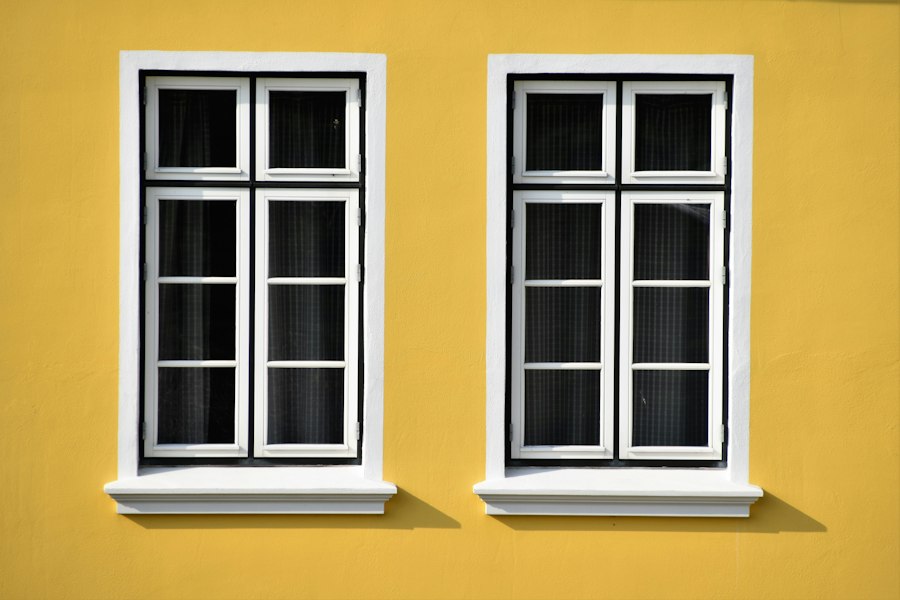
The most common and straightforward way to categorize windows is by their mechanism of operation. How the window opens and closes is a fundamental characteristic that defines its type and function. Once you understand these different opening styles, you’ll be well on your way to identifying your own windows.
Sliding Windows: Effortless Horizontal Movement
Sliding windows, often called sliders or gliding windows, are designed to open horizontally. One or more sashes slide along tracks. They are characterized by their ease of operation and are a popular choice for contemporary homes or where access to the window is limited, such as above a kitchen sink or in a narrow opening. You’ll typically find a fixed sash and a movable sash, or sometimes two movable sashes that slide past each other. The tracks are visible at the bottom of the frame, and you’ll usually see a simple latch or lock mechanism on the movable sash.
Single-Hung Sliders
While less common than their double-hung counterparts, single-hung sliders exist. In these, only one sash slides horizontally, while the other remains fixed. This configuration is often seen in older homes or in specific architectural styles. The primary identifying feature here is that the movement is restricted to only one of the two glass panes.
Double-Hung Sliders
More prevalent are double-hung sliders, where both sashes are capable of sliding horizontally. This allows for more ventilation control, as you can open either sash or both to varying degrees. You can usually distinguish this by looking for the potential of both glass panes to move.
Hinged Windows: Swinging Open with Ease
Hinged windows open by swinging outwards or inwards, much like a door. These are often chosen for their ventilation capabilities and the aesthetic they can provide. The visible hinges on the side of the sash are a dead giveaway for this category.
Casement Windows: The Crank-Operated Classic
Casement windows are hinged on one side and typically open outward using a hand crank. You’ll recognize them by the crank mechanism located at the bottom of the frame. When closed, the sash seals tightly against the frame, offering excellent airtightness and energy efficiency. Look for a crank handle, and note that the entire sash swings open, not just a portion of it.
Awning Windows: Top-Hinged for Protection
Awning windows are hinged at the top and swing outward from the bottom. They are often installed above or below other windows, or in locations where ventilation is needed without compromising security or protection from rain. Because they swing outward at the bottom, they provide a degree of shelter from rain when open. You’ll identify these by the hinges at the top and the sash pushing outwards from the bottom.
Hopper Windows: Bottom-Hinged for Ventilation
Hopper windows are the inverse of awning windows. They are hinged at the bottom and swing inward from the top. They are commonly found in basements, bathrooms, or other areas where ventilation is required but space is limited. Their inward swing means you can still get fresh air without the window taking up exterior space, and they are less likely to be damaged by external elements when open. You’ll see hinges at the bottom and the sash tilting inwards from the top.
Double-Hung and Single-Hung Windows: The Traditional Vertical Movers
These are perhaps the most traditional and recognizable window types in many parts of the world. They are characterized by their vertical operation.
Double-Hung Windows: Both Sashes Move
Double-hung windows feature two sashes that slide vertically up and down within the frame. Both sashes are typically operable, meaning you can open the top sash to let hot air escape or the bottom sash to let fresh air in. This design offers excellent ventilation control. You’ll notice two separate sashes that move independently within the same frame, and typically latches at the point where the two sashes meet.
Single-Hung Windows: Only the Bottom Sash Moves
Single-hung windows are similar to double-hung windows, but only the bottom sash slides vertically. The top sash is fixed in place. These are generally less expensive than double-hung windows and offer less ventilation flexibility. The key distinction is that the top glass pane is permanently fixed, and only the bottom one can be moved.
Recognizing Windows by Their Fixed Nature or Unique Designs

Beyond the common opening mechanisms, there are windows that are designed to be stationary or have distinct shapes and functionalities that set them apart. Understanding these will complete your window identification toolkit.
Fixed Windows: Designed for Light, Not Air
Fixed windows, also known as picture windows or non-operable windows, are installed to allow natural light into a space without providing ventilation. They are typically large and can offer unobstructed views. The defining characteristic is the absence of any moving parts or hardware for opening. The sash is essentially fused to the frame. You won’t find any handles, cranks, or sliding mechanisms. Their sole purpose is to let light in and enhance the view.
Picture Windows: The Unobstructed View
Picture windows are a subtype of fixed windows, often larger in size, designed to frame a scenic view and maximize natural light. They are a popular architectural feature, especially in living rooms and dining rooms. Their large, unbroken glass expanse is their most prominent feature.
Transom Windows: High and Mighty Light Bringers
Transom windows are small windows positioned above a door or another window. They are typically fixed and serve to allow additional light into a room or hallway. They are a classic architectural element, adding visual interest and light to often overlooked spaces. You’ll spot them as a smaller, often rectangular or arched, window sitting high up.
Specialty Window Shapes: Beyond the Rectangle
While most windows are rectangular, you’ll encounter many with unique shapes that serve aesthetic or functional purposes.
Bay and Bow Windows: Adding Dimension and Space
Bay windows are a series of windows that project outward from the exterior wall of a building, creating a bay or alcove. They are typically made up of three or more windows, with a large central picture window and two smaller windows on the sides that are often angled. Bow windows are similar but are characterized by a curved or bowed appearance, typically made of four or more windows joined together to form a gentle arc. Both add visual interest, interior space, and light. The outward projection and the distinct angled or curved arrangement of multiple window panes are the key identifiers.
Skylights: Windows to the Sky
Skylights are windows installed in a roof to allow natural light to enter a building. They come in various shapes and sizes, from small circular units to large glass panels. They can be fixed or operable, allowing for ventilation. The fact that they are installed in the roof, rather than a wall, is their defining characteristic.
Garden Windows: Miniature Greenhouses
Garden windows are small, box-like windows that project outward from the exterior wall, typically in a kitchen. They have a glass roof and sides, creating a mini greenhouse effect for growing herbs or plants. They provide extra light and a unique architectural detail. Their protruding, boxy shape with multiple glass panels is what sets them apart.
Delving into Window Construction and Material Clues
The materials used in window construction and the way they are built can offer further insights into their type, age, and performance. Pay attention to these details when trying to pinpoint your window’s identity.
Frame Materials: Wood, Vinyl, Metal, and More
The material of your window frame is a significant clue to its style and properties.
Wood Frames: Classic and Customizable
Wood frames are traditional and offer excellent insulation. They are also highly customizable and can be painted or stained to match your home’s decor. However, they require more maintenance than other materials to prevent rot and weathering. You’ll recognize wood by its grain and the way it can be shaped and finished. Older homes often feature beautiful, albeit sometimes worn, wooden window frames.
Vinyl Frames: Durable and Low-Maintenance
Vinyl frames are a popular choice due to their durability, low maintenance, and affordability. They are resistant to warping and rotting and offer good insulation. Vinyl frames typically have a smooth, continuous surface and can be found in various colors, though white and beige are most common. You’ll notice the extruded plastic construction and the often hollow chambers within the frame for insulation.
Aluminum Frames: Sleek and Strong
Aluminum frames are strong, durable, and slim, allowing for larger glass areas. They are often used in modern or commercial buildings. However, aluminum is a poor insulator, so it’s usually paired with thermal breaks to improve energy efficiency. You’ll recognize aluminum by its metallic sheen and its often slender profile.
Composite Frames: The Best of Both Worlds?
Composite frames are made from a blend of materials, often wood fibers and plastics, aiming to combine the aesthetics of wood with the durability and low maintenance of vinyl. They can be a very effective and long-lasting option. The visual appearance can be quite varied, sometimes mimicking wood grain closely, but the feel and texture might be slightly different from solid wood.
Glazing Options: Single, Double, and Beyond
As mentioned earlier, the number of panes in your window is a crucial indicator of its energy efficiency and age.
Single-Pane Glazing: The Energy-Inefficient Past
Single-pane windows have only one layer of glass. They are common in older homes and offer very little insulation, leading to significant heat loss in winter and heat gain in summer. You can usually identify this by looking at the edge of the glass where it meets the frame; you’ll only see one distinct layer.
Double-Pane Glazing: The Standard for Efficiency
Double-pane windows have two layers of glass separated by a sealed space. This space is typically filled with air or an inert gas like argon, which significantly improves insulation. In a double-pane window, you’ll see a visible spacer bar between the two panes of glass, and the entire unit will be thicker than a single-pane window.
Triple-Pane Glazing: Maximum Insulation
Triple-pane windows have three layers of glass with two sealed spaces between them. This offers the highest level of insulation and is increasingly popular in colder climates or for homeowners seeking maximum energy efficiency. The thickness of the window unit will be noticeably greater, and you’ll see two distinct spacer bars.
Muntins and Grilles: Decorative or Structural?
Muntins and grilles are the bars that divide window panes. Their presence and construction can be another clue.
True Divided Lites: Authentic and Detached
In windows with true divided lites, the muntins are actual bars that separate individual panes of glass. These are often found in older, historic homes and can be quite distinctive. You’ll see separate pieces of glass, and the muntins are a physical part of the sash construction.
Simulated Divided Lites (SDLs): The Modern Replica
Simulated divided lites (SDLs) are decorative bars that are applied to the surface of a single pane of glass, creating the appearance of individual panes. These offer the look of true divided lites with the energy efficiency of a single, larger pane. You can usually tell the difference by looking closely at the glass surface; if the bars feel like they are adhered to the glass rather than integral to its structure, they are likely SDLs.
Grilles Between the Glass: Hidden Efficiency
Grilles between the glass are decorative bars that are installed within the sealed space of a double or triple-pane window. This offers the aesthetic appeal of grilles without compromising the window’s insulation or making it difficult to clean. You’ll see the grilles within the sealed unit, between the panes of glass, and the outer glass surface will be smooth.
If you’re looking to identify your window type, you might find it helpful to explore a related article that provides detailed insights on this topic. Understanding the different window types can significantly impact your home’s energy efficiency and aesthetics. For more information, you can check out this informative piece on window classifications at Freaky Science. This resource will guide you through the various styles and features, making it easier for you to make informed decisions about your windows.
Putting it All Together: A Step-by-Step Identification Process
| Window Type | Description | Key Features | How to Identify |
|---|---|---|---|
| Single-Hung | One movable sash (usually the bottom) slides vertically. | Top sash fixed, bottom sash moves up and down. | Try sliding the bottom part up; top part remains stationary. |
| Double-Hung | Both sashes move vertically. | Both top and bottom sashes slide up and down. | Check if both top and bottom parts can slide vertically. |
| Casement | Hinged on the side, opens outward like a door. | Crank handle, opens outward horizontally. | Look for a crank or handle; window swings outward. |
| Awning | Hinged at the top, opens outward from the bottom. | Opens outward from bottom, usually small. | Try pushing the bottom outward; top remains fixed. |
| Slider | Sashes slide horizontally. | One or more sashes slide left or right. | Try sliding window panes side to side. |
| Fixed | Non-operable window, does not open. | No moving parts, purely for light/view. | Window does not open or move. |
| Bay | Combination of three windows projecting outward. | Center fixed or operable, flanked by angled side windows. | Look for a protruding window structure with multiple panes. |
| Bow | Curved set of windows projecting outward. | Multiple windows forming a gentle curve. | Look for a rounded outward projection with several windows. |
Now that you’ve got a grasp of the various components and types, let’s walk through how you can systematically identify your windows. This process will help you consolidate your knowledge and arrive at a confident identification.
Step 1: Observe the Opening Mechanism
Start by looking at how the window opens. Does it slide horizontally? Does it crank open on hinges? Does it slide vertically? This is your primary categorizing factor.
- Slides horizontally? It’s likely a slider.
- Crank handle and swings outward? It’s likely a casement.
- Hinges at the top and swings outward from the bottom? It’s an awning.
- Hinges at the bottom and swings inward from the top? It’s a hopper.
- Slides vertically up and down? It’s a double-hung or single-hung.
- Doesn’t open at all? It’s a fixed window.
Step 2: Examine the Sash Configuration
Once you’ve identified the opening type, look at the sashes. How many are there? Do both move?
- For sliders: Does only one sash slide, or do both?
- For hung windows: Can both the top and bottom sashes be moved, or is the top one fixed?
- For hinged windows: Is it a single sash that opens, or are there multiple?
Step 3: Inspect the Frame Material and Construction
Take a closer look at the frame. What material is it made of? What’s its profile like?
- Wood grain visible? It’s a wood frame.
- Smooth, plastic-like surface? It’s likely vinyl.
- Metallic sheen? It’s probably aluminum.
- Does the frame seem unusually thick or thin? This can sometimes indicate the age or the type of glass used.
Step 4: Investigate the Glazing and Any Divisions
Observe the glass itself. Is it a single pane? Can you see a spacer bar indicating double or triple glazing? Are there any bars dividing the glass?
- Single layer of glass? Single-pane.
- Visible spacer bar between two layers? Double-pane.
- Two visible spacer bars? Triple-pane.
- Are the divisions physical bars of wood, or do they appear to be on the surface or between the glass? This will help distinguish between true divided lites, SDLs, or grilles between the glass.
Step 5: Note Any Special Features or Shapes
Finally, consider the overall shape and any unique characteristics.
- Does it project outward from the wall in an angled or curved way? It might be a bay or bow window.
- Is it located in the roof? It’s a skylight.
- Is it a small, boxy projection, often in a kitchen? It could be a garden window.
- Is it a small window placed high above a door or another window? It’s a transom window.
By systematically working through these steps, you’ll be able to confidently identify the type of windows you have. This knowledge is invaluable for maintenance, repairs, and making smart decisions about your home’s future. Whether you’re looking to improve energy efficiency, enhance curb appeal, or simply understand your property better, becoming a window expert is a rewarding endeavor.

Your Car Window Can Keep You In—Even When You Need Out
FAQs
What are the common types of windows?
Common types of windows include single-hung, double-hung, casement, sliding, awning, bay, and picture windows.
How can I identify if my window is a single-hung or double-hung window?
Single-hung windows have a fixed top sash and a bottom sash that moves up and down. Double-hung windows have both the top and bottom sashes that can move up and down.
What is the difference between a casement window and a sliding window?
A casement window is hinged on one side and opens outward with a crank, while a sliding window has sashes that slide horizontally.
How do I determine if my window is an awning window?
Awning windows are hinged at the top and open outward from the bottom, allowing for ventilation even during light rain.
Can you explain what a bay window is?
A bay window is a combination of three or more windows that angle out beyond the exterior wall, creating a small nook or alcove inside the room.