Understanding the Unseen Burden: How Much Heat Does Your AC Truly Dump Outside?
You stand on your porch, the summer sun beating down relentlessly. You retreat inside, the cool, conditioned air a welcome balm. But have you ever paused to consider where that indoor coolness actually comes from? And more importantly, where does all that heat go? Your air conditioning unit, the unsung hero of sweltering days, isn’t just magically making your home colder; it’s actively moving heat from your living space to the great outdoors. This process, while essential for your comfort, comes with a significant thermal price tag for your surroundings. Understanding the amount of heat your AC releases outside is crucial, not just for appreciating the science behind your comfort, but also for making informed decisions about energy efficiency and even the impact on your local microclimate.
When considering the efficiency and environmental impact of air conditioning systems, it’s important to understand how much heat they release outdoors. This topic is explored in detail in a related article that discusses the mechanics of air conditioning units and their heat exchange processes. For more insights into this subject, you can read the article here: Freaky Science. Understanding these dynamics can help homeowners make informed decisions about their cooling systems and energy consumption.
The Fundamental Exchange: Thermodynamics in Action
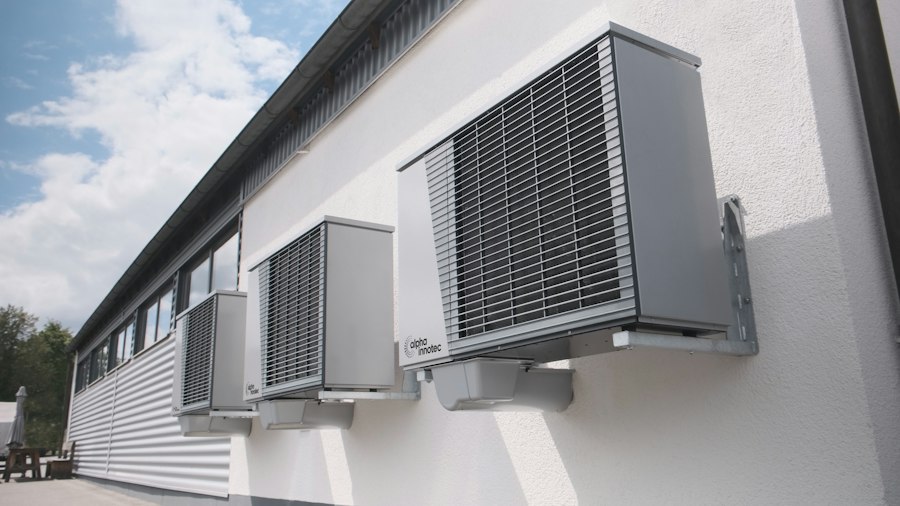
Your air conditioner operates on a fundamental principle of thermodynamics: heat naturally flows from warmer areas to cooler areas. However, to achieve the counter-intuitive feat of cooling your home while it’s hotter outside, your AC employs a refrigeration cycle. This cycle involves a refrigerant, a special fluid that absorbs and releases heat as it changes states between liquid and gas. Think of it as a heat-traveling courier.
The Refrigerant’s Journey: A Cycle of Heat Transfer
The journey of your refrigerant begins inside your home, at the evaporator coil. Here, the liquid refrigerant is at a low pressure and temperature. As warm indoor air passes over this coil, the refrigerant absorbs the heat from the air, causing the refrigerant to evaporate into a gas. This absorption of heat is what cools the air that’s then blown back into your home. The now-gaseous refrigerant, carrying the heat it just absorbed, travels through copper tubing to the outdoor unit, commonly known as the condenser.
The Condenser’s Role: Releasing the Burden
Inside the outdoor unit, the heat-laden gaseous refrigerant is compressed by a compressor. This compression significantly increases its pressure and temperature. The hot, high-pressure gas then flows through the condenser coils. Here, a fan blows ambient outdoor air over these coils. Because the refrigerant is now much hotter than the surrounding outside air, heat is transferred from the refrigerant to the outside air. As the refrigerant loses heat, it condenses back into a high-pressure liquid. This cooled liquid then travels back to the indoor unit to begin the cycle anew. So, in essence, your AC isn’t destroying heat; it’s simply moving it from where you don’t want it (inside) to where you don’t mind it (outside). The heat released outside is a combination of the heat absorbed from your home and the heat generated by the AC’s own operation (primarily from the compressor and fan motors).
Quantifying the Heat: BTU and Beyond

When we talk about the cooling capacity of an air conditioner, we typically use the unit of measurement known as British Thermal Units (BTUs). One BTU is the amount of heat required to raise the temperature of one pound of water by one degree Fahrenheit. Air conditioners are rated by their cooling capacity in BTUs per hour (BTU/hr). A larger BTU rating indicates a greater cooling capacity, meaning the unit can remove more heat from a space in a given hour.
Matching Capacity to Space: The Importance of Sizing
The BTU rating of your AC is directly proportional to the amount of heat it will release outdoors. If your AC is rated at 12,000 BTU/hr, it means it is designed to remove 12,000 BTUs of heat from your indoor environment every hour it’s running at full capacity. However, it’s crucial to understand that this is the net cooling effect. The total heat dumped outside is actually greater than the BTU rating of the unit.
The Role of Efficiency: SEER and its Implications
The efficiency of your air conditioner, often measured by its Seasonal Energy Efficiency Ratio (SEER), also plays a role in how much heat is released. A higher SEER rating means the unit is more efficient, consuming less electricity to achieve the same amount of cooling. While a more efficient unit will use less energy, it will still be releasing a comparable amount of heat for the cooling it provides. Think of it this way: a more efficient car might use less fuel to travel the same distance, but it still expends energy and generates heat. The primary difference lies in the energy input required to achieve the heat transfer. An AC that is correctly sized for your home will run more efficiently and cycle less frequently, potentially leading to less continuous heat release, but the total heat expelled over a cooling season will be directly related to the amount of cooling delivered.
The Heat Equivalent: From BTUs to Watts and Kilojoules
While BTUs are the standard for cooling capacity, it’s helpful to understand the heat release in terms of other energy units. For instance, one watt of electrical power is equivalent to approximately 3.412 BTUs per hour. Your AC doesn’t just transfer heat; it also consumes electricity to power the compressor and fans, and this electrical energy is converted into heat. This “waste heat” from the AC’s operation is also expelled outdoors. Therefore, the total heat released outdoors is the sum of the heat removed from your home plus the heat generated by the AC’s motor and compressor.
Calculating the Total Heat Load: A Deeper Dive
To get a more precise estimate of the total heat released outdoors, you need to consider the AC’s electrical consumption. For example, if an AC unit has a cooling capacity of 12,000 BTU/hr and its electrical input is 1,500 watts, the total heat expelled outdoors would be roughly:
(12,000 BTU/hr) + (1,500 watts * 3.412 BTU/hr/watt) = 12,000 BTU/hr + 5,118 BTU/hr = 17,118 BTU/hr.
This means that for every hour this AC runs at full capacity, it’s dumping nearly 17,118 BTUs of heat into your backyard, in addition to the heat it’s pulling from your house. This calculation underscores that the heat load on your surroundings is significantly higher than what’s advertised as the cooling capacity.
Factors Influencing Outdoor Heat Release
The amount of heat your AC releases outdoors isn’t a static number. Several factors influence the actual thermal burden your unit places on its environment. Understanding these variables can help you appreciate the dynamic nature of this heat exchange.
Ambient Temperature: The Outdoor Thermostat
The temperature of the air outside your home is a critical determinant of how much heat your AC releases. When the outdoor temperature is very high, your AC has to work harder to expel the heat from inside. This is because the temperature difference between the refrigerant in the condenser coils and the surrounding air is smaller, making heat transfer less efficient. Consequently, the AC may run for longer periods or at a higher capacity to achieve the desired indoor temperature. This increased workload means more heat is generated by the compressor and fans, and more heat is ultimately expelled.
The Uphill Battle: High Heat and AC Strain
Imagine trying to cool a drink with ice on a scorching summer day versus a cool autumn evening. On the hot day, the ice melts faster, and the drink warms up more quickly. Similarly, when the outside air is hot, the condenser coils struggle to shed their heat effectively. This “uphill battle” for the AC translates directly into a greater amount of heat being released into the already hot environment. You might notice your AC unit running almost constantly on extremely hot days, and this continuous operation contributes to a larger cumulative heat release.
Humidity Levels: The Moisture Factor
Humidity plays a surprisingly significant role in the heat your AC releases. Not only does the AC cool the air, but it also dehumidifies it by condensing moisture from the air onto the evaporator coil. This condensed water is then drained away. The process of condensing water vapor requires energy, and this energy is drawn from the air, contributing to the cooling effect. However, the energy used for dehumidification is also ultimately transferred outdoors.
The Hidden Heat in Water Vapor: Latent Heat
Water vapor in the air carries “latent heat.” When this vapor condenses into liquid water, it releases this latent heat. Your AC is effectively removing this latent heat from your indoor air during the dehumidification process, and this heat is then expelled outdoors along with the heat that was removed from the air’s temperature. Therefore, on humid days, your AC is not only dealing with the sensible heat (the heat you feel as temperature) but also the latent heat contained within the water vapor. This extra energy transfer means more heat is being pushed outside.
AC Unit Size and Efficiency: The Engine’s Output
As previously discussed, the size (BTU rating) and efficiency (SEER rating) of your AC unit directly impact the amount of heat released. A larger, more powerful unit will naturally have a higher potential for heat release, assuming it’s operating to its full capacity. Conversely, a smaller, less powerful unit will release less heat. The efficiency rating influences how much electrical energy is required to achieve the cooling. A highly efficient unit will use less electricity to remove a certain amount of heat, meaning less of that electrical energy is converted into waste heat. However, the fundamental heat transfer process remains the same.
Over-Sized Units: More Work Than Necessary
A common mistake homeowners make is installing an AC unit that is too large for their needs. An over-sized AC will cool the house down very quickly and then cycle off. While this might seem like a good thing, it leads to short, frequent cycles. These on-off cycles are less energy-efficient and can actually result in less effective dehumidification, as the AC doesn’t run long enough to remove much moisture. Furthermore, the compressor and fans work at their peak output during these short bursts, and all that energy is dumped outside as heat, albeit in shorter, more intense bursts. This can create a localized hot spot around your outdoor unit.
When considering the efficiency of air conditioning systems, it’s important to understand how much heat they release outdoors. This process not only affects the immediate environment but can also contribute to urban heat islands. For a deeper insight into this topic, you can explore a related article that discusses the implications of AC systems on outdoor temperatures and energy consumption. To learn more, check out this informative piece on Freaky Science.
The Cumulative Impact: Heat Islands and Microclimates
| Metric | Value | Unit | Description |
|---|---|---|---|
| Heat Released Outdoors | 1.2 to 1.5 | kW per kW of cooling | Amount of heat expelled outdoors for every kW of cooling provided indoors |
| Typical Cooling Capacity | 3.5 | kW | Average cooling capacity of a residential AC unit |
| Total Heat Released | 4.2 to 5.25 | kW | Heat released outdoors by a 3.5 kW AC unit (cooling + compressor work) |
| Coefficient of Performance (COP) | 3 to 4 | Ratio | Efficiency ratio of AC units (cooling output / electrical input) |
| Electrical Power Input | 0.875 to 1.17 | kW | Electrical energy consumed by a 3.5 kW cooling AC unit |
The individual heat output of your AC unit might seem negligible in the grand scheme of things. However, when you consider the millions of air conditioning units running simultaneously across a city, the cumulative impact can be substantial, contributing to phenomena like the urban heat island effect and altering local microclimates.
The Urban Heat Island Effect: Amplifying the Swelter
Urban areas are notoriously hotter than surrounding rural areas. This “urban heat island effect” is caused by a combination of factors, including the absorption of solar radiation by dark surfaces like asphalt and concrete, the lack of vegetation, and the heat generated by human activities, including the operation of countless air conditioning units. The heat expelled by ACs adds to the overall thermal burden of a city, making it even hotter, especially during the day. This increased heat can lead to higher energy consumption as people turn up their ACs to compensate, creating a feedback loop.
ACs as Contributors to the Heat Burden
During peak cooling seasons, air conditioning units can contribute a significant amount of waste heat to the urban environment. In densely populated areas with many homes and businesses, the collective output of these units can raise ambient temperatures by several degrees. This is particularly noticeable in areas with a high concentration of commercial buildings or apartment complexes, where numerous AC units are often clustered together. The heat released isn’t just dissipated into the atmosphere; it can be trapped by buildings and asphalt, further exacerbating the heat island effect.
Local Microclimate Alterations: The Backyard Hot Zone
Even on a smaller scale, your AC unit can create a localized “hot zone” in your backyard. The continuous expulsion of hot air from the condenser coils can significantly increase the temperature in the immediate vicinity of the unit. This can affect the health of nearby plants, making it difficult for them to thrive in the elevated temperatures. It can also make spending time in that area uncomfortable. You might notice that the grass around your AC unit appears drier or more stressed than in other parts of your yard.
Impact on Flora and Fauna: Subtle but Significant
The elevated temperatures around AC units can have subtle but significant impacts on local ecosystems. Plants that are sensitive to heat may struggle to survive. Insects and small animals that rely on cooler microhabitats may be displaced. While this might seem like a minor inconvenience, the cumulative effect across many households can contribute to a broader alteration of local biodiversity. Furthermore, the increased heat can create an environment conducive to certain heat-loving pests, potentially leading to their proliferation.
Optimizing Your AC’s Outdoor Footprint
While you can’t eliminate the heat your AC releases, you can take steps to optimize its operation and minimize its impact on your surroundings. These strategies focus on ensuring your AC runs as efficiently as possible and on managing the heat it does expel.
Regular Maintenance: The Key to Efficiency
The most effective way to ensure your AC is releasing heat efficiently is through regular maintenance. This includes professional tune-ups at least once a year, ideally before the peak cooling season begins. Technicians will clean the condenser coils, check refrigerant levels, inspect electrical components, and ensure the fan is operating correctly. Clean condenser coils are crucial for efficient heat transfer. If they are clogged with dirt, dust, and debris, the AC will struggle to dissipate heat, leading to reduced efficiency and increased energy consumption, and thus more heat released indirectly.
The Importance of Clean Coils: Breathing Freely
Think of the condenser coils as the lungs of your outdoor AC unit. If those lungs are clogged, the unit can’t “breathe” properly, meaning it can’t effectively release the heat it’s carrying. Regular cleaning by a professional ensures that the coils are free of obstructions, allowing for optimal heat exchange with the surrounding air. This not only reduces the amount of heat your AC dumps but also extends the lifespan of the unit and lowers your energy bills.
Strategic Placement: Giving Your AC Room to Breathe
The location of your outdoor AC unit can also influence its performance and heat release. Ideally, the unit should be placed in a shaded area to reduce the ambient temperature around it, allowing for more efficient heat dissipation. However, avoid placing it too close to windows or doors that you frequently open, as this will simply blow hot air back into your home. Ensure there is ample clearance around the unit for proper airflow. Avoid placing it in enclosed spaces or directly against walls.
Shading Strategies: Natural and Artificial Solutions
Planting a small, deciduous tree or shrub near your outdoor unit can provide natural shade during the hottest parts of the day. Alternatively, you could consider installing a shade structure, but ensure it doesn’t obstruct airflow. The goal is to create an environment where the unit can operate with less resistance from high ambient temperatures. Proper ventilation is paramount; the unit needs to be able to draw in cooler air and expel hot air without impediment.
Upgrading to High-Efficiency Units: Investing in the Future
If your current air conditioner is old and inefficient, consider upgrading to a newer, high-efficiency model with a high SEER rating. While the initial investment can be significant, the long-term savings on energy bills and the reduced environmental impact can be substantial. Newer units are designed to transfer heat more effectively and with less energy input, meaning less waste heat is generated.
The Energy Star Label: A Mark of Efficiency
When purchasing a new AC unit, look for the Energy Star label. This certification indicates that the product meets strict energy efficiency guidelines set by the U.S. Environmental Protection Agency. Energy Star certified air conditioners use at least 10% less energy than standard models, which translates to both lower electricity bills and a reduced contribution to the overall heat load on your environment. The technology in modern high-efficiency units allows for more precise temperature control and better management of the refrigerant cycle, leading to a more optimized heat transfer process.

Your AC Blows Hot Air Outside. Is That Heat From Your Room?
FAQs
1. How much heat does an AC release outdoors?
An air conditioner releases heat outdoors through the process of heat exchange. The amount of heat released depends on the efficiency of the AC unit and the cooling capacity required.
2. Why does an AC release heat outdoors?
Air conditioners work by removing heat from indoor air and releasing it outdoors. This process involves the refrigerant absorbing heat from the indoor air, then releasing it outside through the condenser coils.
3. Does the amount of heat released by an AC vary based on its size?
Yes, the size of an AC unit can impact the amount of heat it releases outdoors. Larger AC units typically have higher cooling capacities and may release more heat compared to smaller units.
4. Can the location of an AC unit affect the amount of heat it releases outdoors?
Yes, the location of an AC unit can impact the amount of heat it releases outdoors. Placing the unit in a shaded area or ensuring proper ventilation can help improve its efficiency and reduce the heat released.
5. Are there ways to minimize the heat released by an AC outdoors?
To minimize the heat released by an AC outdoors, regular maintenance such as cleaning the condenser coils, ensuring proper insulation, and using energy-efficient models can help reduce the overall heat output.