You’ve probably noticed it: that persistent hum of your air conditioner kicking in, a welcome relief from the sweltering heat. But have you ever stopped to think about how efficiently that cool air is being delivered, or more importantly, how much energy it’s consuming in the process? Maximizing your home’s air conditioning efficiency isn’t just about setting your thermostat a few degrees lower; it’s a sophisticated dance with thermodynamics, specifically the principles of heat transfer. By understanding and leveraging these principles, you can transform your AC from an energy guzzler into a surprisingly lean and effective cooling machine, saving you money and contributing to a more sustainable environment.
Understanding the Fundamentals of Heat Transfer in Cooling
At its core, air conditioning is all about moving heat. Your AC unit doesn’t “create” cold; it actively removes heat from the air inside your home and expels it outside. This process relies entirely on the fundamental laws of thermodynamics, particularly the concept of heat transfer. Heat naturally flows from a warmer object to a cooler object. Your air conditioner manipulates this natural tendency to achieve its cooling goal.
The Refrigeration Cycle: Your AC’s Heartbeat
To understand how heat is moved, you need to grasp the refrigeration cycle, the ingenious process at the heart of every air conditioning system. This cycle involves a special fluid called refrigerant, which has the unique ability to change its state between liquid and gas at specific pressures and temperatures.
Evaporation: The Cooling Magic Happens Here
The first key stage is evaporation. Inside your home, in the evaporator coil (often found within your indoor air handler), the liquid refrigerant flows through a series of tubes. As warm, humid air from your home passes over these tubes, the heat from the air is absorbed by the refrigerant. This absorption of heat causes the refrigerant to evaporate, transforming from a liquid into a low-pressure gas. This process directly cools the air circulating through your home, delivering that sought-after cool breeze. Think of it like sweating: as the sweat evaporates from your skin, it takes heat with it, cooling you down.
Compression: Powering the Cycle
The gaseous refrigerant then travels to the compressor, typically located in your outdoor unit. The compressor’s job is to increase the pressure and temperature of the refrigerant gas. This is a critical step that prepares the refrigerant to release its absorbed heat outside. It’s the “work” component of the cycle, requiring significant energy input, which is why your AC’s energy consumption is directly linked to the compressor’s operation.
Condensation: Releasing Heat Outdoors
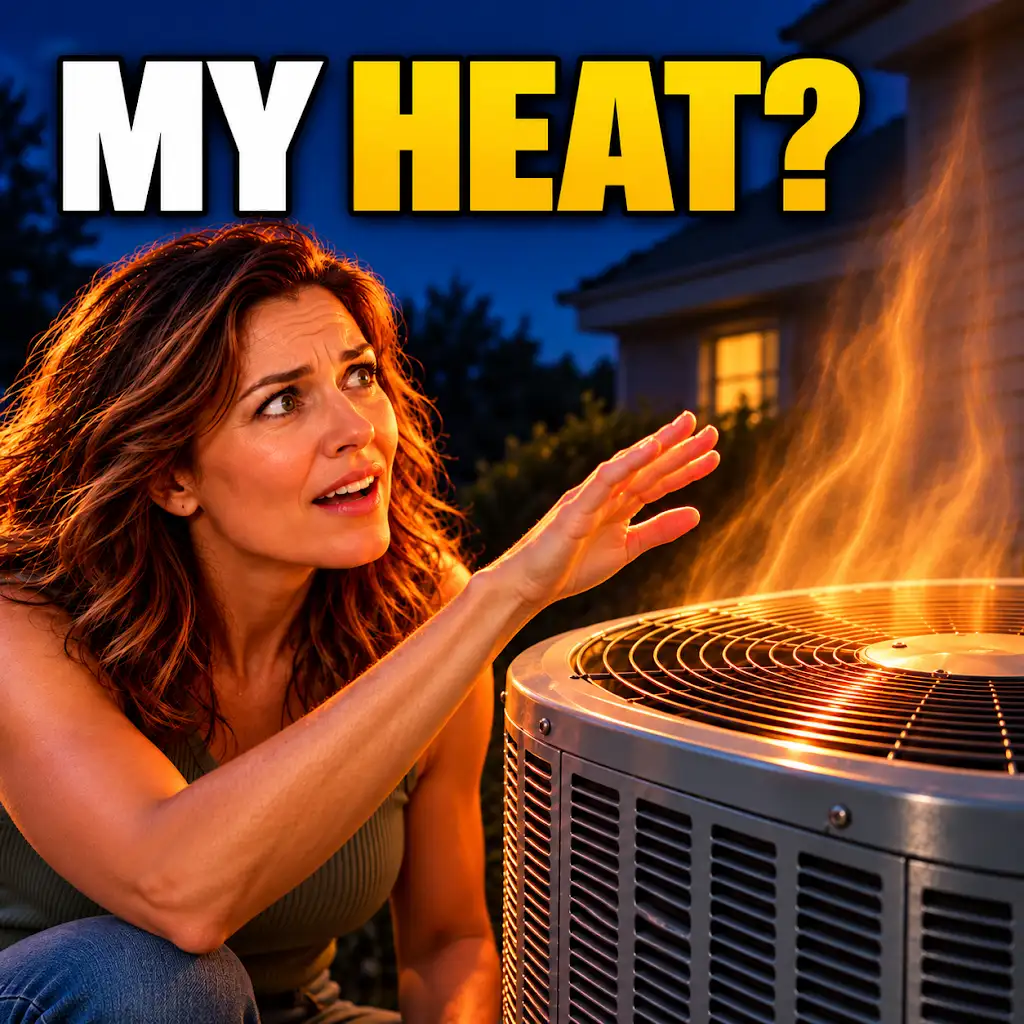
Next, the high-pressure, hot gaseous refrigerant flows into the condenser coil, also located in your outdoor unit. Here, the refrigerant releases the heat it absorbed from inside your home into the cooler outdoor air. As it loses heat, the refrigerant condenses back into a high-pressure liquid. This is where you’ll often feel warm air being blown out of your outdoor AC unit.
Expansion: Setting the Stage for More Cooling
Finally, the high-pressure liquid refrigerant passes through an expansion valve. This valve restricts the flow, causing a sudden drop in pressure and temperature. The refrigerant is now a cool, low-pressure liquid, ready to enter the evaporator coil again and begin the cycle anew. Each of these stages is interconnected and relies on efficient heat transfer to function optimally.
Key Principles of Heat Transfer at Play
Within this cycle, several fundamental principles of heat transfer are actively at work:
Conduction: Transfer Through Direct Contact
Conduction is the transfer of heat through direct contact between particles. In your AC, conduction occurs as heat moves from the warm air in your home to the surface of the evaporator coil, and from the refrigerant within the coil to the air passing over it. Similarly, heat is conducted from the refrigerant in the condenser coil to the metal fins and then to the surrounding air. The material and design of these coils play a significant role in how effectively conduction occurs.
Convection: Heat Movement by Fluid Flow
Convection is the transfer of heat through the movement of fluids (liquids or gases). Your AC unit relies heavily on convection. The fan in your indoor unit blows air over the evaporator coil, creating convective heat transfer to cool the air. Likewise, the fan in your outdoor unit blows ambient air over the condenser coil, facilitating convective heat transfer to dissipate heat. The efficiency of these fans and the airflow they generate are crucial.
Radiation: Heat Emitted as Waves
Radiation is the transfer of heat through electromagnetic waves. While less dominant than conduction and convection in the direct cooling process of your AC, radiation still plays a role. For example, the hot refrigerant in the condenser coil emits thermal radiation. However, the primary focus for AC efficiency lies in optimizing conduction and convection within the system and minimizing unwanted heat transfer into your home.
Understanding heat transfer is crucial for optimizing home air conditioning systems, as it directly impacts energy efficiency and comfort levels. For a deeper dive into the principles of heat transfer and their application in air conditioning, you can explore this informative article on [Freaky Science](https://www.freakyscience.com/sample-page/). This resource provides valuable insights into how heat exchange processes work and how they can be effectively managed to enhance the performance of your cooling systems.
Optimizing Heat Exchange Surfaces for Maximum Efficiency
The coils within your air conditioning system – the evaporator coil inside and the condenser coil outside – are the primary sites where heat exchange takes place. Their design, cleanliness, and surrounding environment directly impact your AC’s ability to efficiently transfer heat, and therefore, its overall energy consumption. Think of these coils as the lungs of your AC; if they’re clogged or inefficient, your whole system struggles.
The Evaporator Coil: Your Home’s Internal Heat Exchanger
The evaporator coil is where the magic of cooling happens within your home. It’s responsible for absorbing heat from your indoor air. The larger the surface area of the evaporator coil, and the more effectively air can flow over it, the more heat your AC can absorb with each pass.
Coil Design and Surface Area
Modern AC units often feature finned coils. These fins significantly increase the surface area available for heat transfer, allowing the refrigerant to absorb heat from a much larger volume of air. The spacing and material of these fins are engineered for optimal performance. Manufacturers also consider the arrangement of the tubes within the coil to maximize contact with the airflow.
Maintaining Airflow Over the Evaporator
Even with a perfectly designed coil, if air cannot flow freely over it, heat transfer will be severely hampered. This is why regular maintenance of your air filters is paramount. A clogged filter restricts airflow, forcing your AC to work harder and longer to achieve the desired temperature. This reduced airflow means less warm air comes into contact with the cold evaporator coil, leading to less heat absorption and increased energy waste.
The Condenser Coil: Releasing Heat to the Outside World
The condenser coil, located in your outdoor unit, is where your AC dumps the heat it has removed from your home. An efficient condenser coil means your AC can effectively offload this heat, allowing the refrigerant to cool down and prepare for another cycle of absorption.
Keeping the Condenser Coil Clean
The most critical factor for condenser coil efficiency is keeping it clean. Outdoor units are exposed to dirt, dust, leaves, grass clippings, and other debris. When these accumulate on the condenser fins, they act as an insulating layer, preventing the coil from releasing heat effectively. This forces the compressor to run longer and at higher pressures to achieve the same cooling effect, dramatically increasing energy consumption. You should regularly inspect and gently clean your outdoor unit.
Ensuring Unobstructed Airflow Around the Condenser
Just as with the indoor unit, unrestricted airflow is vital for the outdoor condenser. Ensure that no plants, bushes, fences, or other obstructions are too close to the unit. The general recommendation is at least two feet of clear space around the entire unit. This allows the fan to draw in ambient air and expel the hot refrigerant vapor efficiently. Overgrown vegetation can create a “blanket” around the unit, impeding heat dissipation.
Understanding Frost Buildup: A Sign of Trouble
Frost forming on the evaporator coil is a clear indicator of an efficiency problem. It typically occurs when airflow is insufficient (due to a clogged filter or fan issue) or when the refrigerant levels are low. This layer of ice acts as an insulator, preventing heat from being absorbed from the room air. The AC then has to work much harder, and the performance is severely compromised. If you notice frost on your indoor coil, turn off the AC immediately and address the underlying issue.
Leveraging Insulation and Sealing for Heat Control

While your air conditioning system is actively managing heat transfer within its own components, your home’s structure itself is a massive factor in how much heat your AC needs to contend with in the first place. Effective insulation and sealing act as a barrier, working in conjunction with your AC to maintain a comfortable indoor temperature with less effort. They are, in essence, your first line of defense against unwanted heat gain.
The Role of Insulation in Preventing Heat Transfer
Insulation is designed to resist the flow of heat. In the context of your home, it slows down the transfer of heat from the warmer outside environment into your cooler conditioned indoor space during the summer. Proper insulation in your attic, walls, and crawl spaces significantly reduces the workload on your air conditioner.
Attic Insulation: The Most Crucial Defense
Your attic is often the largest source of heat gain into your home during the summer. Sunlight heats the roof, and that heat radiates down into your attic space. Without adequate insulation, this heat will readily transfer through your ceiling into your living areas. Ensuring your attic is properly insulated with the recommended R-value for your climate zone is one of the most impactful steps you can take to improve AC efficiency. Consider blown-in fiberglass or cellulose for effective coverage.
Wall and Floor Insulation: Completing the Barrier
While attics are paramount, well-insulated walls and floors also contribute to a more efficient home. Older homes may have less insulation in their walls, and this can be a significant source of heat infiltration. Options like blown-in insulation or rigid foam boards can be added to improve thermal resistance. Similarly, insulating crawl spaces and basements prevents heat from entering from below.
Sealing Air Leaks: Stopping Unwanted Heat Entry
Even the best insulation can be rendered less effective by air leaks. Air leaks are gaps or cracks in your home’s building envelope that allow conditioned air to escape and unconditioned air to enter. These leaks are particularly problematic in the summer as they allow hot, humid outdoor air to infiltrate your home.
Identifying and Sealing Common Leak Points
Common areas for air leaks include:
- Around windows and doors: Check for drafts and seal them with caulk or weatherstripping.
- Electrical outlets and switch plates: These can be surprisingly leaky. Use foam gaskets behind the cover plates.
- Plumbing and wiring penetrations: Where pipes and wires enter your home from the outside, seal any gaps.
- Attic hatches and basement access points: Ensure these are well-sealed and insulated.
- Ductwork: Leaky ducts, especially those in unconditioned spaces like attics or crawl spaces, can lose a significant amount of cool air before it even reaches your rooms.
The Impact of Air Sealing on Humidity
Beyond just temperature, air sealing also plays a crucial role in controlling humidity. When hot, humid outdoor air leaks into your home, it carries moisture. Your AC has to work harder not only to cool this air but also to dehumidify it. By sealing leaks, you reduce the amount of humid air entering, making your AC more efficient at both cooling and dehumidifying.
Window Treatments: A Direct Assault on Solar Heat Gain
Windows are a significant source of heat gain, especially during sunny afternoons. The sun’s radiant energy can easily penetrate glass, warming up your indoor space.
Utilizing Blinds, Curtains, and Shades
The most basic and effective way to combat solar heat gain through windows is to use window treatments. Keeping blinds, curtains, or shades closed during the hottest parts of the day, especially on south- and west-facing windows, can dramatically reduce the amount of solar radiation entering your home. Darker, thicker fabrics are generally more effective at blocking heat.
Considering Energy-Efficient Window Films
For a more permanent solution, consider applying energy-efficient window films. These films are designed to reflect a portion of the sun’s heat away from your windows without significantly reducing visibility. They can be a cost-effective way to improve the performance of existing windows.
Optimizing Fan and Airflow Management for Efficient Heat Distribution
The fans within your air conditioning system are responsible for moving air – the medium that carries heat. Whether it’s pulling warm air over the evaporator coil or pushing cool air into your rooms, efficient fan operation and well-managed airflow are critical for maximizing the effectiveness of your AC and minimizing energy waste.
The Role of Your AC’s Fans: More Than Just Blowing
Your AC system has at least two primary fans: the indoor fan (blower) and the outdoor fan (condenser fan). Both play distinct but equally important roles in the heat transfer process.
The Indoor Blower: Circulating Conditioned Air
The indoor blower is responsible for drawing air from your home, passing it over the cold evaporator coil, and then pushing the cooled air back into your living spaces through the ductwork. The speed and efficiency of this fan directly impact how quickly and evenly your home is cooled.
Variable-Speed Blowers: A Game Changer
Modern, high-efficiency AC units often feature variable-speed blowers. Unlike single-speed blowers that operate at full power or are off, variable-speed fans can adjust their speed based on the cooling demand. This allows them to run at lower speeds for longer periods, providing more consistent temperature control and better dehumidification. Running at lower speeds also consumes significantly less energy.
Ensuring Proper Fan Settings
Many thermostats allow you to control the fan setting. While “Auto” is generally recommended for energy savings (the fan runs only when cooling is needed), setting the fan to “On” will continuously circulate air. This can help equalize temperatures throughout your home, but it also means the fan runs even when the AC isn’t actively cooling, consuming unnecessary electricity. For maximum efficiency, use the “Auto” setting unless you have a specific reason to run the fan continuously.
The Outdoor Condenser Fan: Dissipating Heat
The outdoor fan’s job is to draw ambient air across the condenser coil, facilitating the release of heat from the refrigerant to the outside. A properly functioning condenser fan is essential for the system to expel heat effectively.
Maintaining Fan Motor Health
Just like any motor, the condenser fan motor requires proper lubrication and maintenance. A worn or inefficient motor will draw more power and may not move air as effectively. Regular professional check-ups can ensure your outdoor fan is operating at peak performance.
Ductwork: The Unsung Hero (or Villain) of Air Distribution
Your ductwork is the network of channels that deliver cooled air from your AC unit to the various rooms in your home. The efficiency of your entire system is heavily reliant on the integrity and design of your ductwork.
Sealing Duct Leaks: Preventing Cool Air Loss
As mentioned previously, leaky ducts are a major source of energy waste. If your ducts run through unconditioned spaces like attics, basements, or crawl spaces, any cool air that escapes is essentially wasted, as it’s lost to the environment before it can reach your living space.
Professional Duct Sealing
Professional duct sealing services use specialized mastic sealants or metal tape to seal seams, joints, and connections throughout your duct system. This is a critical step in maximizing AC efficiency, especially in older homes.
Duct Insulation: Keeping Cool Air Cool
Ducts passing through unconditioned spaces should be insulated. This insulation prevents the cool air inside the ducts from absorbing heat from the surrounding environment as it travels to your rooms. Without insulation, especially in hot attics, a significant portion of your cooled air can be warmed up before it even reaches your thermostat.
Duct Sizing and Design: Ensuring Proper Airflow
The size and design of your ductwork also play a role. If ducts are undersized, they can restrict airflow, leading to reduced cooling capacity and increased strain on the blower motor. Oversized ducts can lead to reduced air velocity, which can impact heat transfer efficiency. A properly designed and balanced duct system ensures optimal airflow to each room.
Preventing Airflow Blockages Within the Home
Beyond the AC unit and ductwork, you also need to ensure that airflow within your home is not obstructed.
Keeping Vents and Registers Clear
Furniture, rugs, or curtains can block supply and return air vents and registers, hindering the free movement of air. Ensure that all vents are unobstructed to allow for efficient circulation. Regularly check that furniture isn’t pushed directly against them.
Avoiding Over-Sealing Rooms
While sealing air leaks is beneficial, completely sealing off rooms can create pressure imbalances and restrict airflow. Your AC system is designed to work with a certain degree of air exchange. Ensure there’s adequate return air for the system to function effectively.
Understanding heat transfer is crucial for optimizing home air conditioning systems, and a related article that delves deeper into this topic can be found at Freaky Science. This resource explores various methods to enhance energy efficiency and improve cooling performance, making it an excellent read for homeowners looking to reduce their energy bills while maintaining comfort.
Advanced Strategies and Smart Technologies for Enhanced Efficiency
| Metric | Unit | Description | Typical Value |
|---|---|---|---|
| Cooling Capacity | BTU/hr | Amount of heat removed from indoor air per hour | 12,000 – 36,000 |
| Coefficient of Performance (COP) | Dimensionless | Ratio of cooling output to electrical energy input | 3.0 – 4.5 |
| Heat Transfer Rate (Q) | Watts (W) | Rate of heat transfer through the system | 3,500 – 10,500 |
| Airflow Rate | Cubic Feet per Minute (CFM) | Volume of air moved by the system per minute | 400 – 1,200 |
| Temperature Difference (ΔT) | °F | Difference between indoor return air and supply air temperature | 15 – 20 |
| Refrigerant Evaporation Temperature | °F | Temperature at which refrigerant evaporates in the evaporator coil | 35 – 45 |
| Heat Exchanger Efficiency | Percentage (%) | Effectiveness of heat transfer in the evaporator/condenser coils | 70 – 85 |
Beyond the fundamental principles and basic maintenance, several advanced strategies and smart technologies can further elevate your home’s air conditioning efficiency, turning your system into a more intelligent and responsive cooling solution. These often involve leveraging data and automation to optimize performance and reduce energy consumption.
Smart Thermostats: Intelligent Control of Cooling
Smart thermostats have revolutionized how we manage our home’s climate. They go far beyond basic programmable thermostats by learning your habits, adapting to your schedule, and offering remote control capabilities.
Learning Your Habits and Optimizing Schedules
Many smart thermostats feature algorithms that learn your daily routines. They can automatically adjust the temperature when you’re typically away or asleep, avoiding unnecessary cooling. Some even use geofencing to detect when you’re leaving or returning home via your smartphone and adjust the temperature accordingly.
Remote Access and Control
The ability to control your thermostat remotely via a smartphone app offers immense flexibility. You can adjust the temperature before you arrive home, ensuring comfort without wasting energy while the house was empty. You can also monitor energy usage and receive alerts if there are any anomalies.
Energy Usage Reporting and Insights
Smart thermostats provide valuable data on your energy consumption. You can see when your AC is running, how much energy it’s using, and identify patterns that might indicate inefficiencies. This data empowers you to make informed decisions about your cooling habits and further optimize your system.
Periodic Professional Maintenance: The Cornerstone of Longevity and Efficiency
While you can perform many basic maintenance tasks yourself, periodic professional tune-ups are invaluable for ensuring your AC system operates at its peak efficiency and longevity.
Expert Diagnosis and Calibration
A qualified HVAC technician has the tools and expertise to perform a comprehensive system check. They can identify subtle issues that might be invisible to the untrained eye, such as refrigerant leaks, electrical problems, or wear and tear on critical components. They can also calibrate the system to ensure it’s operating within manufacturer specifications.
Cleaning and Lubrication of Key Components
Beyond cleaning your coils and changing filters, professionals can thoroughly clean and lubricate components like the fan motor, bearings, and drain lines. These tasks are crucial for smooth operation and preventing premature wear.
Refrigerant Level Checks and Adjustments
Refrigerant is the lifeblood of your AC system. If the refrigerant level is too low or too high, it can significantly impact efficiency and performance. Professionals can accurately measure refrigerant levels and make necessary adjustments. Overcharged or undercharged systems are notoriously inefficient and can lead to premature failure.
Considering High-Efficiency AC Units and Upgrades
If your air conditioner is old and struggling to keep up, it might be time to consider an upgrade. Modern AC units are significantly more energy-efficient than older models.
Understanding SEER and EER Ratings
When looking at new AC units, pay attention to their Seasonal Energy Efficiency Ratio (SEER) and Energy Efficiency Ratio (EER). SEER measures a unit’s efficiency over an entire cooling season, while EER measures its efficiency at a specific outdoor temperature. Higher SEER and EER ratings indicate greater efficiency and lower operating costs. The U.S. Department of Energy mandates minimum SEER ratings, but opting for units with ratings well above the minimum can lead to substantial long-term savings.
The Role of Proper Sizing
It’s crucial to ensure that any new AC unit is properly sized for your home. An oversized unit will cycle on and off too frequently, leading to inefficient operation and poor dehumidification. An undersized unit will struggle to cool your home on hot days, running constantly and still failing to reach the desired temperature. A qualified HVAC professional can perform a load calculation to determine the correct size for your specific needs.
Integrating Ventilation Strategies for Improved Air Quality and Efficiency
While your AC cools and dehumidifies, your home also needs fresh air to maintain good indoor air quality. Integrating ventilation strategies can complement your AC’s operation rather than working against it.
Energy Recovery Ventilators (ERVs) and Heat Recovery Ventilators (HRVs)
ERVs and HRVs are ventilation systems that bring fresh outdoor air into your home while exhausting stale indoor air. The key to their efficiency lies in their ability to transfer heat and/or moisture between the incoming and outgoing air streams. In the summer, an ERV can pre-cool the incoming warm, humid air by transferring some of its coolness to the outgoing cool, dry air. This significantly reduces the load on your AC.
Demand-Controlled Ventilation (DCV)
DCV systems use sensors (like CO2 sensors) to monitor indoor air quality and adjust ventilation rates accordingly. This means you’re not over-ventilating your home when it’s not needed, saving energy. When your AC is running, DCV can ensure that fresh air is introduced in a way that minimizes energy loss.
By understanding and actively implementing these principles and technologies, you can transform your home’s air conditioning from a necessary but costly appliance into an efficient, intelligent system that keeps you comfortable while minimizing your environmental impact and your utility bills. It’s an ongoing process, but one that yields significant rewards.
Your AC Blows Hot Air Outside. Is That Heat From Your Room?
FAQs
What is heat transfer in home air conditioning?
Heat transfer in home air conditioning refers to the process of moving heat from inside a home to the outside, in order to cool the indoor space.
How does heat transfer work in air conditioning systems?
Heat transfer in air conditioning systems typically involves the use of refrigerants that absorb heat from indoor air, then release it outside through a series of coils and fans.
What are the different types of heat transfer in home air conditioning?
The main types of heat transfer in home air conditioning are conduction (heat transfer through solid materials), convection (heat transfer through fluids like air), and radiation (heat transfer through electromagnetic waves).
Why is understanding heat transfer important in home air conditioning?
Understanding heat transfer in home air conditioning is crucial for maintaining efficient cooling systems, reducing energy consumption, and ensuring optimal comfort levels indoors.
How can homeowners improve heat transfer in their air conditioning systems?
Homeowners can improve heat transfer in their air conditioning systems by regularly cleaning or replacing air filters, sealing ducts to prevent air leaks, and scheduling routine maintenance with HVAC professionals.