
You’re sitting in your living room, the hum of your air conditioner a comforting white noise against the oppressive heat outside. You feel a pleasant chill, a welcome respite. But a nagging question might have crossed your mind: is all this cool air circulating within your home, or is some of that potentially polluted outdoor air sneaking in through your AC system? It’s a valid concern, especially in urban environments or during allergy season. Understanding how your air conditioner interacts with the outside environment is key to ensuring the air you breathe indoors is as healthy as possible. This article will delve into the complex relationship between your AC and the external atmosphere, dissecting the mechanisms by which outdoor air can enter your home and what you can do to mitigate any undesirable influx.
The Fundamental Operation of Your Air Conditioner
To truly grasp whether outdoor air enters your house through your AC, you first need a foundational understanding of how your air conditioning system operates. It’s not simply a magical box that conjures cold air. Instead, it’s a sophisticated machine that relies on a cycle of refrigeration to remove heat from your indoor environment and expel it outdoors. Think of it as a heat pump, but one designed to move heat in the opposite direction of a furnace.
The Refrigeration Cycle Explained
At its core, your AC system employs a refrigerant, a special fluid that has a low boiling point. This refrigerant circulates through a closed loop of components: the evaporator coil, the compressor, the condenser coil, and the expansion valve.
- Evaporator Coil (Indoor Unit): This is where the cooling magic begins. Warm indoor air is drawn by a fan across the cold evaporator coil. As the warm air makes contact with the coil, heat is transferred from the air to the refrigerant. The refrigerant absorbs this heat, causing it to evaporate from a liquid to a gas. This process cools the air, which is then blown back into your home.
- Compressor (Outdoor Unit): The gaseous refrigerant, now carrying the heat from your home, travels to the compressor. The compressor, located in your outdoor unit, is the heart of the system. It compresses the refrigerant gas, significantly increasing its pressure and temperature. This is an energy-intensive step.
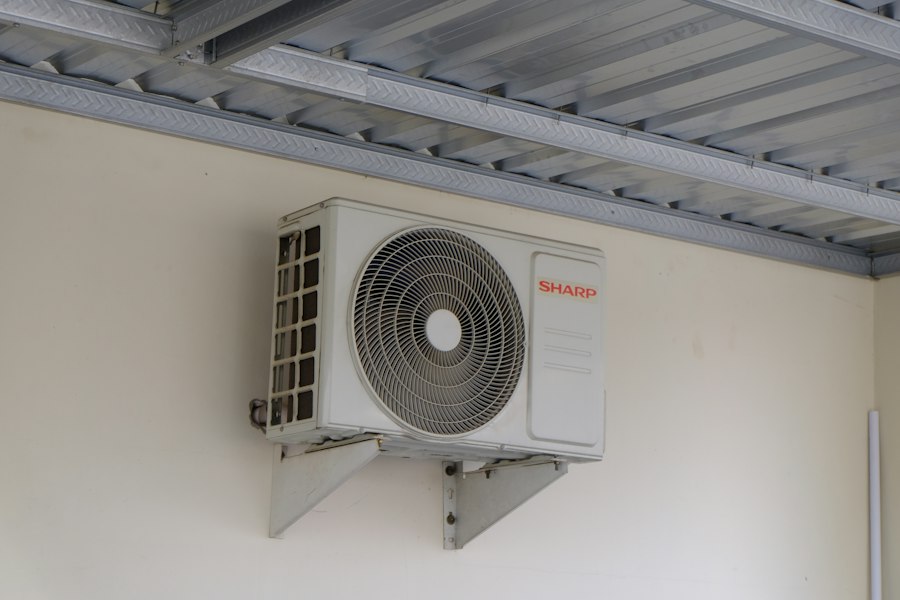
- Condenser Coil (Outdoor Unit): The hot, high-pressure refrigerant gas then flows to the condenser coil, also in the outdoor unit. Here, a fan blows outdoor air across the coil. Because the refrigerant is hotter than the outside air, heat is transferred from the refrigerant to the outdoor air, causing the refrigerant to condense back into a liquid. This is why the outdoor unit of your AC blows out hot air.
- Expansion Valve (or Capillary Tube): The high-pressure liquid refrigerant then passes through the expansion valve. This device restricts the flow of the refrigerant, causing a rapid drop in pressure. As the pressure drops, the refrigerant cools down dramatically, preparing it to absorb heat again when it re-enters the evaporator coil.
This continuous cycle of evaporation and condensation, driven by the compressor, effectively transfers heat from inside your home to the outside.
Airflow Paths: Where Does the Air Come From?
Now, let’s focus on the air itself. Your air conditioner doesn’t create air; it circulates existing air. There are two primary sources of air that your AC system can draw from:
- Recirculated Indoor Air: In most standard residential air conditioning systems, the vast majority of the air being cooled is the air already present within your home. The indoor unit’s fan pulls air from your living spaces through return vents, cools it, and then pushes it back out through supply vents. This is the most energy-efficient way to cool your home because you’re simply re-cooling air that has already been conditioned.
- Outdoor Air (Ventilation): This is where the possibility of outdoor air entering your home through the AC becomes relevant. Some HVAC systems, particularly those in commercial buildings or more advanced residential setups, are designed with a “fresh air intake” or ventilation mode. This intake allows a controlled amount of outdoor air to be mixed with the recirculated indoor air before it passes through the cooling coils. This is done to improve indoor air quality by diluting pollutants, odors, and carbon dioxide buildup.
The key distinction is whether your system is designed to actively draw in outdoor air, or if outdoor air can passively infiltrate your system.
Understanding how outdoor air enters a house through the air conditioning system is crucial for maintaining indoor air quality and energy efficiency. For a deeper exploration of this topic, you can refer to a related article that discusses various factors influencing air exchange in homes and the implications for HVAC systems. To learn more, visit this article.
Pathways for Outdoor Air Infiltration
Even if your AC system doesn’t have a dedicated fresh air intake, there are still several ways outdoor air can find its way into your home through your HVAC system. These aren’t always intentional design features but can be consequences of how your system is installed, maintained, or aged.
Leaks in the Ductwork
The ductwork is the network of channels that transports the conditioned air throughout your home. These ducts are typically made of metal or flexible materials and are often located in unconditioned spaces like attics, crawl spaces, or basements.
- Sealing Issues: Over time, the seals at the joints and connections of your ductwork can degrade, crack, or become dislodged. This creates gaps and openings through which air can leak. If these leaks are located in areas where they are exposed to outdoor air (like a duct running through an uninsulated attic), then outdoor air can be drawn into the ductwork.
- Damage: Pests, accidental damage, or simply the passage of time can cause physical holes or tears in the ductwork. These breaches provide direct entry points for outside air.
- Negative Pressure: Your HVAC system creates pressure differentials. If there are significant leaks in your ductwork in areas exposed to the outside, and if your home has areas of negative pressure (which can happen when exhaust fans are running or certain types of windows are open), outdoor air can be actively pulled into the ducts through these leaks. Think of it like a vacuum cleaner hose with holes in it – it’s not just sucking up what’s directly in front of the nozzle; it’s also drawing in air from around the holes.
The Nature of Air Exchangers and Ventilation Systems
As mentioned earlier, some HVAC systems are designed to incorporate outdoor air. This is often achieved through dedicated ventilation components.
- Energy Recovery Ventilators (ERVs) and Heat Recovery Ventilators (HRVs): These are sophisticated devices designed to bring in fresh outdoor air while exhausting stale indoor air, all while minimizing energy loss. They achieve this by transferring heat and/or moisture between the incoming and outgoing air streams. While their purpose is to control the exchange of air, if these systems are not properly maintained or sealed, or if there are leaks within their housing or connections, it can lead to an uncontrolled influx of outdoor air, potentially carrying pollutants.
- Direct Fresh Air Intakes: Simpler ventilation systems might have a direct intake pipe that brings outdoor air into the HVAC system. The amount of air brought in is usually regulated by dampers. However, if these dampers malfunction or if the intake is not properly screened, outdoor air can enter.
Passive Infiltration Through the Unit Itself
Even without leaks in the ductwork or intentional ventilation, the air conditioning unit itself can be a point of entry for outdoor air.
- Outdoor Unit Placement: If your outdoor AC unit is located in a poorly ventilated area, near a source of pollution (like a busy street or a factory), or in a dusty environment, the air it draws in for cooling the condenser can be contaminated. While this air is primarily expelled back outside after cooling the refrigerant, some of it can, under certain conditions, find its way back into the indoor air stream through minute gaps or inefficiencies in the unit’s design.
- Cracks and Gaps in the Indoor Unit: The indoor unit, which houses the evaporator coil and fan, is also not perfectly sealed. Tiny gaps can exist between panels, around fan motors, or where the refrigerant lines enter. If these units are located in areas where they can draw in ambient air from unconditioned spaces (like a dusty crawl space or a garage), that air could potentially be mixed with the conditioned air.
Factors Influencing Outdoor Air Entry
The degree to which outdoor air enters your home through your AC is not constant. Several factors play a significant role in determining the volume and quality of this exchanged air.
System Design and Age
The initial design of your HVAC system is a primary determinant.
- Residential vs. Commercial Systems: Commercial HVAC systems are far more likely to have dedicated fresh air intakes as they are often mandated by building codes to ensure adequate ventilation for a larger number of occupants. Residential systems, especially older ones, typically prioritize recirculating indoor air for efficiency. Modern, high-efficiency residential systems might incorporate controlled ventilation, but it’s usually an optional feature or a separate component.
- Age and Wear: As systems age, seals degrade, components wear down, and the overall integrity of the ductwork can diminish. Older systems are generally more prone to leaks and less efficient sealing, making them more susceptible to uncontrolled outdoor air infiltration.
Local Climate and Environmental Conditions
The environment outside your home directly impacts the air that might enter.
- Air Quality: If you live in an area with poor outdoor air quality – high levels of pollution, dust, pollen, or industrial emissions – any outdoor air that infiltrates your AC system will carry these contaminants indoors. Conversely, if you live in a pristine natural environment, the outdoor air is likely to be cleaner than indoor air.
- Humidity and Temperature: Extreme outdoor temperatures and humidity can influence how your AC system operates and can exacerbate existing leaks. For example, a significant temperature difference might cause condensation on ductwork in unconditioned spaces, potentially leading to mold growth and further compromising the ductwork’s integrity.
Maintenance Habits
How well you maintain your HVAC system is arguably one of the most controllable factors.
- Filter Quality and Replacement Frequency: Your air filter is your first line of defense against airborne particles. A clogged or low-quality filter will restrict airflow, forcing your system to work harder and potentially leading to strain that could exacerbate existing leaks. Regular replacement with high-quality filters (HEPA or MERV rated) is crucial for both indoor air quality and system efficiency.
- Duct Cleaning: Over time, dust, debris, and even mold can accumulate inside your ductwork. If these accumulations are significant, they can become dislodged and circulated throughout your home. More importantly, debris can obstruct airflow and contribute to pressure imbalances that draw in more outdoor air through leaks. Regular professional duct cleaning can mitigate this.
- Professional Inspections: Annual or biannual professional inspections by an HVAC technician can identify potential problems before they become significant. They can check for duct leaks, assess the condition of seals, test system performance, and recommend necessary repairs.
Identifying and Mitigating Outdoor Air Infiltration
Recognizing that outdoor air might be entering your home through your AC is the first step. The next is to take action to identify and reduce this infiltration.
Signs of Unwanted Outdoor Air
Several symptoms can suggest that outdoor air is compromising your indoor environment via your AC.
- Unexplained Odors: If you notice smells from outside – exhaust fumes, strong floral scents, or even the smell of rain – entering your home when your AC is running, it’s a strong indicator of infiltration.
- Increased Allergy Symptoms: If your allergy symptoms worsen when your AC is on, it suggests that outdoor allergens like pollen, dust mites, or mold spores are being drawn into your home.
- Dust Accumulation: A sudden or noticeable increase in dust settling on surfaces, even with regular cleaning, can point to unfiltered outdoor air entering your system.
- Unusual Noises: You might hear whistling or hissing sounds from vents or near your AC unit, which can indicate air being pulled through leaks.
- Inconsistent Cooling: If some rooms feel significantly warmer or cooler than others, it can sometimes be a sign of air leaks in the ductwork, where conditioned air is escaping and potentially being replaced by unconditioned outdoor air.
Practical Steps for Reduction
Fortunately, there are concrete steps you can take to minimize outdoor air infiltration.
- Regular Filter Replacement: This is non-negotiable. Follow the manufacturer’s recommendations or your HVAC professional’s advice for filter replacement. Consider higher MERV-rated filters, but ensure your system can handle the increased airflow resistance.
- Professional Duct Sealing: If you suspect duct leaks, schedule a professional inspection. Technicians can use specialized tools and materials to seal leaks, which can significantly improve both air quality and energy efficiency. This often involves mastic sealants or specialized tapes applied to the joints and seams of your ductwork.
- Consider a Home Energy Audit: A professional energy auditor can assess your home’s overall airtightness, including your HVAC system and ductwork. They can pinpoint areas of air leakage and recommend solutions.
- Proper Sealing of the Indoor Unit: Ensure that the indoor unit of your AC is well-sealed to the wall or ceiling it’s installed in, especially if it’s located in an unconditioned space.
- Upgrade Your HVAC System: If your system is very old and inefficient, consider an upgrade. Newer systems are designed with better sealing and can incorporate controlled ventilation options.
- Install a Smart Thermostat with Ventilation Control: Some smart thermostats offer features to control ventilation. You can program them to bring in fresh air only when outdoor air quality is good or at specific times of the day.
- Maintain Your Outdoor Unit: Keep the area around your outdoor unit clear of debris. Ensure there are no obstructions that could force the unit to draw in air from undesirable sources.
Understanding how outdoor air enters your home through the air conditioning system is crucial for maintaining indoor air quality and energy efficiency. For a deeper insight into this topic, you can explore an informative article that discusses various factors affecting air exchange in residential settings. This can help you identify potential issues and solutions related to your HVAC system. To learn more, check out this related article that delves into the science behind air circulation and its impact on your living environment.
The Role of Ventilation in Indoor Air Quality
| Metric | Description | Typical Value | Notes |
|---|---|---|---|
| Air Exchange Rate (ACH) | Number of times outdoor air replaces indoor air per hour through AC system | 0.1 – 0.5 ACH | Depends on system design and duct sealing |
| Outdoor Air Intake Percentage | Percentage of outdoor air mixed into the conditioned air | 0% – 20% | Higher in systems with dedicated fresh air intake |
| Filtration Efficiency | Effectiveness of AC filters in removing outdoor air pollutants | MERV 6 – MERV 13 | Higher MERV ratings filter smaller particles |
| Infiltration Rate | Uncontrolled outdoor air entering through leaks in AC ducts | 0.05 – 0.2 CFM per square foot of duct surface | Lower rates indicate better duct sealing |
| Humidity Control | Ability of AC to manage moisture from outdoor air | Relative Humidity maintained at 30%-50% | Depends on system capacity and outdoor conditions |
While this article focuses on the potential for uncontrolled outdoor air entry, it’s important to acknowledge the critical role of controlled ventilation in maintaining healthy indoor air quality.
The Necessity of Fresh Air
Your home is a sealed environment, and over time, pollutants can build up indoors. These can include:
- Volatile Organic Compounds (VOCs): Released from building materials, furniture, cleaning products, and personal care items.
- Carbon Dioxide (CO2): Exhaled by occupants. High levels can lead to drowsiness and reduced cognitive function.
- Moisture: From cooking, showering, and breathing, which can lead to mold growth.
- Particulates: Dust, pet dander, and cooking fumes.
Balancing Efficiency and Health
Controlled ventilation systems, like ERVs and HRVs, are designed to address this by bringing in a measured amount of fresh outdoor air while exhausting stale indoor air. This process dilutes indoor pollutants and improves overall air quality.
- Smart Ventilation: The key is “smart” ventilation. Instead of relying on passive infiltration, which can bring in unfiltered and potentially harmful outdoor air, these systems allow you to control the exchange. Some advanced systems can even monitor outdoor air quality and adjust ventilation rates accordingly.
- When Outdoor Air is the Problem: Of course, there are times when the outdoor air itself is heavily polluted. In such scenarios, your goal should be to minimize any outdoor air intake and rely more heavily on recirculating indoor air, perhaps with enhanced filtration. This is where the benefits of a well-sealed home and a high-quality air filter truly shine.
Ultimately, whether outdoor air enters your house through your AC is a nuanced question. While many residential systems are designed to recirculate indoor air, leaks, system design, and the presence of ventilation components mean that some exchange is often occurring. By understanding these mechanisms and taking proactive steps to maintain your system and seal your home, you can significantly improve the quality of the air you breathe, ensuring your home remains a healthy sanctuary, regardless of what’s happening outside.

Your AC Blows Hot Air Outside. Is That Heat From Your Room?
FAQs
1. How does outdoor air enter the house through an AC system?
Outdoor air can enter the house through an AC system when there are leaks or gaps in the ductwork, allowing outside air to be drawn in and circulated throughout the home.
2. What are some common sources of outdoor air entering the house through an AC system?
Common sources of outdoor air entering the house through an AC system include poorly sealed windows and doors, cracks in the walls or foundation, and gaps in the ductwork or around the AC unit itself.
3. Can outdoor air entering the house through an AC system affect indoor air quality?
Yes, outdoor air entering the house through an AC system can affect indoor air quality by introducing pollutants, allergens, and other contaminants into the home. This can lead to health issues for occupants, especially those with respiratory conditions.
4. How can outdoor air infiltration through an AC system be prevented?
Outdoor air infiltration through an AC system can be prevented by properly sealing and insulating the home, regularly maintaining and inspecting the AC unit and ductwork, and using air filters to trap contaminants before they enter the home.
5. What are the potential consequences of outdoor air entering the house through an AC system?
The potential consequences of outdoor air entering the house through an AC system include decreased energy efficiency, higher utility bills, compromised indoor air quality, and potential health risks for occupants. Regular maintenance and proper sealing of the home can help mitigate these issues.