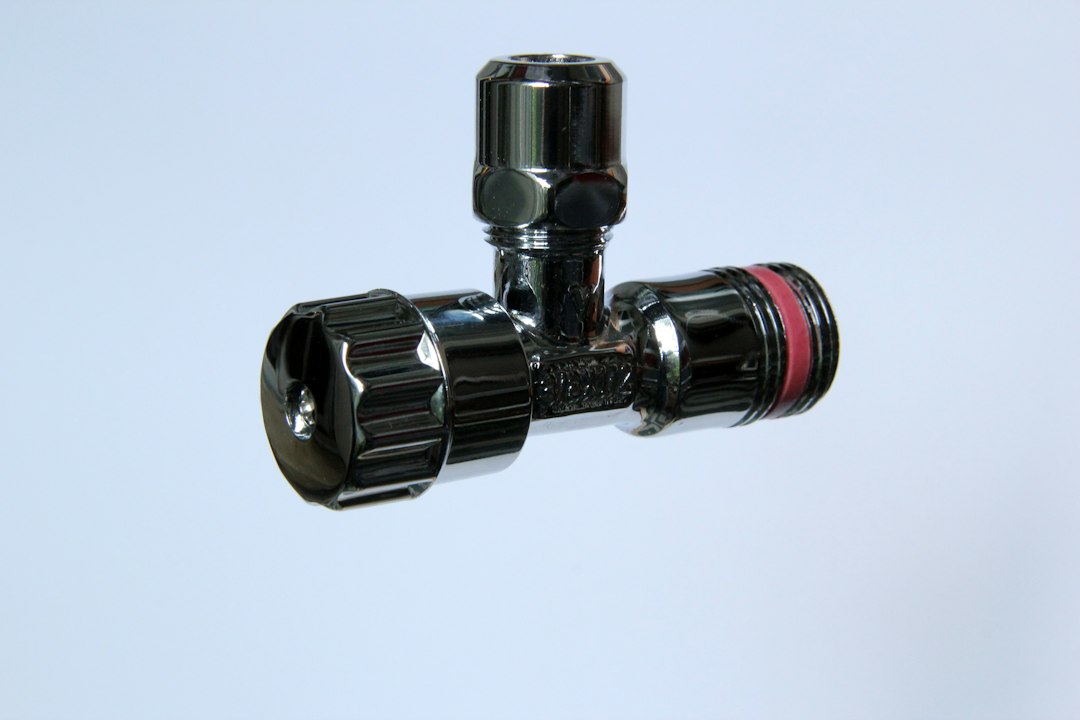
The Heart of Your Cool: Understanding the Expansion Valve’s Role
You’re sitting in your living room, the summer sun beating down outside, but inside, a blissful coolness envelops you. That consistent comfort isn’t magic; it’s the product of a finely tuned system, and a crucial component orchestrating much of that magic is the expansion valve. You might not give it a second thought, but this small, often overlooked part is a linchpin in your air conditioning system’s ability to transform hot, humid air into the refreshing breeze you enjoy. Without it, your AC would be utterly ineffective, and you’d be left sweating it out. This article will demystify the expansion valve, explaining how it operates and why its precise functioning is so vital to your comfort.
An expansion valve plays a crucial role in the functioning of an air conditioning system by regulating the flow of refrigerant into the evaporator. By controlling the pressure and temperature of the refrigerant, the expansion valve ensures that the system operates efficiently, allowing for optimal cooling performance. For a deeper understanding of how an expansion valve works in AC systems, you can refer to this informative article at Freaky Science.
The Thermodynamic Dance: How Refrigerant Flows and Changes
Your air conditioning system is essentially a closed loop, a sophisticated machine designed to move heat from one place to another. The refrigerant, a special fluid, is the workhorse of this operation, constantly cycling through various states of matter – liquid and gas – and in doing so, absorbing and releasing heat. The expansion valve is strategically placed within this cycle, acting as a gateway where a significant transformation occurs.
The Refrigerant’s Journey Before the Valve
To truly appreciate the expansion valve’s role, you need to understand what happens to the refrigerant immediately before it reaches this critical point. After leaving the evaporator coil inside your home, where it absorbed heat and turned into a low-pressure, low-temperature gas, the refrigerant is drawn into the compressor. This is a powerful motor that acts like a pump, squeezing the gaseous refrigerant. This compression dramatically increases the refrigerant’s pressure and temperature, transforming it into a superheated, high-pressure gas.
From the compressor, this hot, high-pressure gas travels to the condenser coil, typically located outdoors. Here, the opposite of what happened in the evaporator occurs. The refrigerant releases the heat it absorbed inside your home into the outside air. As it loses heat, its temperature drops, and it condenses back into a high-pressure liquid. This liquid refrigerant then flows through the system, carrying a significant amount of thermal energy, but it’s still under high pressure.
Entering the Pressure Drop Zone
The high-pressure liquid refrigerant, now laden with heat absorbed from your home, is on its way to the evaporator where it will once again absorb heat. However, for the refrigerant to effectively absorb heat in the evaporator, it needs to be in a low-pressure, low-temperature state, ideally a mixture of liquid and vapor. This is where the expansion valve steps in, performing its primary function: a controlled reduction in pressure.
Imagine the refrigerant as a river flowing smoothly. The expansion valve is like a narrow gorge or a dam with a precisely controlled spillway. As the high-pressure liquid refrigerant is forced through the small opening within the expansion valve, its pressure is drastically reduced. This sudden drop in pressure has a profound effect on the refrigerant’s physical properties, a phenomenon governed by the principles of thermodynamics.
The Mechanics of Metering: How the Valve Controls Flow
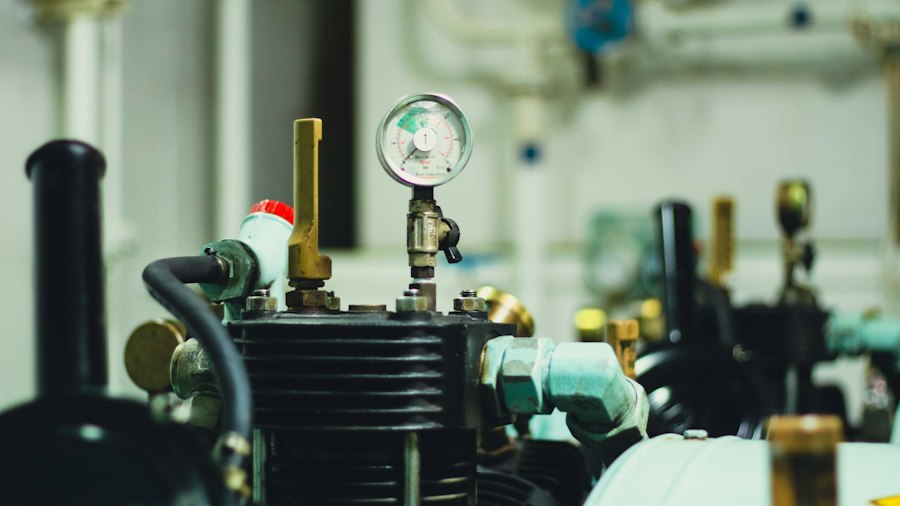
The primary job of the expansion valve is not just to let refrigerant pass, but to do so in a controlled manner, ensuring the right amount of refrigerant enters the evaporator at the right time. This precise metering is essential for efficient cooling and preventing damage to the system. There are different types of expansion valves, but they all share the fundamental goal of regulating refrigerant flow.
Thermostatic Expansion Valves (TXVs): The Intelligent Regulators
One of the most common and sophisticated types of expansion valves is the Thermostatic Expansion Valve, often abbreviated as TXV. These valves are designed to sense the temperature of the refrigerant leaving the evaporator coil and adjust the refrigerant flow accordingly. This makes them highly responsive to changing cooling loads.
A TXV typically consists of a body, a sensing bulb, a diaphragm, a spring, and a needle and seat assembly. The sensing bulb is attached to the outlet of the evaporator coil, often wrapped in thermal insulation to ensure it accurately measures the refrigerant’s temperature. Inside the sensing bulb is a volatile fluid that changes pressure with temperature.
The Diaphragm’s Command
The pressure from the sensing bulb is transmitted through a capillary tube to a diaphragm within the expansion valve. Above the diaphragm is a spring that exerts a downward force, trying to open the valve. The system’s high-pressure liquid refrigerant is on the other side of the diaphragm, and when it enters the valve, it pushes upwards.
Here’s where the “thermostatic” aspect comes into play. If the evaporator coil is too cold, meaning not enough heat is being absorbed, the sensing bulb will be cold, and the pressure inside it will be low. This low pressure allows the spring to push the diaphragm down, opening the valve more and allowing more cold refrigerant to enter the evaporator. Conversely, if the evaporator coil is too warm, indicating a high cooling load, the sensing bulb will be warmer, and the pressure inside it will increase. This higher pressure pushes the diaphragm upwards, compressing the spring and partially closing the valve, thus restricting the flow of refrigerant. This continuous feedback loop ensures that the evaporator coil is always fed with the optimal amount of refrigerant to efficiently absorb heat.
Automatic Expansion Valves (AEVs): A Simpler Approach
While TXVs are prevalent in many residential and commercial AC systems, Automatic Expansion Valves (AEVs) offer a simpler, though less precise, method of regulating refrigerant flow. An AEV, unlike a TXV, does not have a sensing bulb. Instead, it maintains a constant pressure in the evaporator by controlling the refrigerant flow.
An AEV works by using a spring-loaded diaphragm that opens and closes a valve to maintain a set evaporator pressure. When the evaporator pressure drops below a certain point (indicating a need for more refrigerant), the diaphragm moves, opening the valve. When the pressure rises above the set point (indicating too much refrigerant or a reduced cooling load), the diaphragm moves in the opposite direction, partially closing the valve. While simpler, AEVs are less adaptable to varying cooling loads compared to TXVs and can be less efficient.
Electronic Expansion Valves (EEVs): The Modern Frontier
In the realm of advanced HVAC systems, Electronic Expansion Valves (EEVs) are increasingly becoming the norm. These valves utilize electronic controls and actuators to precisely regulate refrigerant flow. An EEV is essentially a motorized valve, often a stepper motor, that can be commanded to open or close to a very specific degree.
EEVs are connected to a sophisticated control system that monitors various parameters, including evaporator temperature, condenser temperature, and suction pressure. Based on this data, the control system sends precise signals to the EEV, instructing it to adjust its opening to achieve optimal refrigerant flow for the current operating conditions. This level of granular control allows for exceptional efficiency, improved comfort, and greater system diagnostics.
The Magic of Flash Gas: Why Pressure Drop Matters
The dramatic drop in pressure that occurs as refrigerant passes through the expansion valve is not merely an operational necessity; it’s the key to the refrigerant’s ability to absorb heat effectively. This phenomenon is directly related to the refrigerant’s physical properties and the concept of its boiling point.
Boiling Point and Pressure Correlation
You know from basic science that water boils at 100 degrees Celsius (212 degrees Fahrenheit) at standard atmospheric pressure. However, if you decrease the pressure, water will boil at a lower temperature. This inverse relationship between pressure and boiling point is fundamental to how your AC works.
The refrigerant used in your AC system is designed to have a very low boiling point at low pressures. Before the expansion valve, the refrigerant is a high-pressure liquid. When it enters the valve and the pressure is suddenly reduced, its boiling point plummets. Even though the refrigerant might still be relatively warm compared to the inside of your home, at this new, drastically lower pressure, it begins to boil and vaporize.
The Evaporator’s Thirst for Heat
As the liquid refrigerant vaporizes within the evaporator coil, it undergoes a phase change from liquid to gas. This phase change, from liquid to gas, requires a significant amount of energy. Where does this energy come from? It’s absorbed from the surrounding air inside your home.
This is the core of the cooling process. The evaporator coil, now filled with a low-pressure, low-temperature mixture of liquid and vapor refrigerant, becomes incredibly cold. As warm air from your room is blown across these cold coils, the heat from the air is transferred to the refrigerant, causing the refrigerant to absorb that heat and continue its vaporization. The expansion valve, by creating the necessary low-pressure environment, directly enables this heat absorption.
The “Flash Gas” Phenomenon
The sudden drop in pressure through the expansion valve doesn’t just lower the boiling point; it also causes a portion of the liquid refrigerant to instantaneously flash into vapor. This is known as “flash gas.” While this flash gas doesn’t contribute as much to heat absorption as the boiling refrigerant, it is an unavoidable consequence of the pressure drop and plays a role in the overall refrigerant mixture that enters the evaporator. The expansion valve is designed to manage this flash gas and ensure that the majority of the refrigerant entering the evaporator remains in a liquid state, ready to absorb heat.
Understanding how an expansion valve works in an air conditioning system is crucial for maintaining optimal performance and efficiency. This component plays a vital role in regulating the flow of refrigerant, ensuring that the system operates smoothly. For those interested in a deeper dive into the mechanics of HVAC systems, you can explore a related article that discusses various components and their functions in detail. Check it out here to enhance your knowledge on the subject.
Beyond Cooling: Other Critical Functions of the Expansion Valve
| Parameter | Description | Typical Value / Range | Unit |
|---|---|---|---|
| Function | Regulates refrigerant flow into the evaporator | – | – |
| Pressure Drop | Difference between high pressure side and low pressure side | 8 – 15 | bar |
| Temperature Drop | Reduction in refrigerant temperature after expansion | 5 – 15 | °C |
| Flow Control Type | Thermostatic or electronic control | – | – |
| Superheat Setting | Amount of heat added to refrigerant vapor after evaporation | 5 – 10 | °C |
| Refrigerant State Before Valve | High pressure liquid | – | – |
| Refrigerant State After Valve | Low pressure mixture of liquid and vapor | – | – |
| Typical Valve Orifice Size | Diameter of the valve opening controlling flow | 0.5 – 2.5 | mm |
While its primary role is to control refrigerant flow and pressure for cooling, the expansion valve also contributes to the overall efficiency and longevity of your AC system in several other important ways.
Preventing Compressor Damage
The compressor is the heart of your AC system, but it’s designed to compress gas, not liquid. If liquid refrigerant were to enter the compressor, it could cause catastrophic damage. This is because liquids are incompressible, and attempting to compress them would lead to immense forces within the compressor, potentially leading to bent valves, damaged pistons, or even a seized motor.
The expansion valve plays a crucial protective role by ensuring that the refrigerant entering the evaporator is in a state where it can absorb heat and vaporize. While some flash gas is inevitable, the controlled nature of the expansion valve helps to prevent large slugs of liquid refrigerant from returning to the compressor. The TXV, with its ability to sense evaporator temperature, is particularly adept at preventing liquid refrigerant from bypassing the evaporator and reaching the compressor.
Optimizing System Efficiency
The precise metering of refrigerant by the expansion valve is directly linked to the system’s overall efficiency. By ensuring that the evaporator coil is not over- or under-fed with refrigerant, the expansion valve helps the system to operate at its peak performance.
An over-fed evaporator can lead to excess liquid refrigerant returning to the compressor, as mentioned earlier, reducing efficiency and increasing wear. Conversely, an under-fed evaporator will not be able to absorb as much heat, leading to reduced cooling capacity and the system working harder than necessary to achieve the desired temperature. The expansion valve, by maintaining the optimal refrigerant charge within the evaporator, allows the AC to cool your home most effectively and with the least amount of energy consumption.
Adapting to Varying Conditions
Your air conditioning system doesn’t operate in a vacuum; it constantly faces changing external and internal conditions. The ambient temperature outside fluctuates, the humidity levels vary, and the thermostat setting inside your home can be adjusted. A well-functioning expansion valve allows your AC system to adapt to these changing demands.
As we’ve seen with the TXV, its ability to sense and respond to the temperature of the refrigerant leaving the evaporator allows it to automatically adjust the refrigerant flow. This means that on a very hot day, the valve will open more to allow more refrigerant to enter the evaporator and absorb more heat. On a cooler day, or when the thermostat has reached the desired temperature, the valve will close down, reducing the refrigerant flow to match the lower cooling demand. This dynamic adjustment ensures consistent comfort and optimal performance regardless of the external environment.
Troubleshooting and Maintenance: Keeping Your Expansion Valve Healthy
Like any mechanical component, expansion valves can experience issues that affect the performance of your AC system. Understanding common problems and the importance of maintenance can save you from costly repairs and discomfort.
Signs of an Unhappy Expansion Valve
If your AC system isn’t cooling as effectively as it used to, or if you’re noticing unusual sounds or icing issues, your expansion valve could be the culprit. Some common symptoms of a malfunctioning expansion valve include:
- Inconsistent Cooling: The temperature in your home may fluctuate significantly, with some areas being too hot while others are too cold.
- Icing on the Evaporator Coil: If the expansion valve is stuck open, it can allow too much refrigerant into the evaporator, causing it to get excessively cold and freeze over. This is a clear sign of a problem.
- Frost on Refrigerant Lines: Similar to icing on the coil, frost on the suction line (the larger, insulated line connected to the outdoor unit) can indicate an issue with refrigerant flow, often related to the expansion valve.
- Strange Noises: You might hear hissing or bubbling sounds coming from the expansion valve itself or the refrigerant lines, which can indicate a restriction or improper flow.
- High Energy Bills: An inefficient expansion valve forces your AC system to work harder, leading to increased energy consumption and higher utility bills.
- System Shutdowns: In some cases, a severely malfunctioning expansion valve can trigger safety shutdowns in your AC system to prevent further damage.
Common Expansion Valve Failures
Expansion valves can fail in a few primary ways:
- Stuck Open: This allows too much refrigerant to flow into the evaporator, leading to overcooling, icing, and potential compressor damage.
- Stuck Closed or Restricted: This restricts the flow of refrigerant, resulting in poor cooling, low pressure in the evaporator, and potential damage to the compressor due to lack of lubrication from refrigerant oil.
- Loss of Charge in TXV Sensing Bulb: If the volatile fluid inside the sensing bulb of a TXV leaks out, the valve will no longer be able to accurately sense temperature and will likely fail to regulate refrigerant flow correctly.
- Contamination: Debris or moisture within the refrigerant system can clog the small orifices of the expansion valve, impeding its function.
The Importance of Professional Inspection and Maintenance
Due to the critical nature of the expansion valve and the complex nature of refrigerant systems, it’s highly recommended that any suspected expansion valve issues be diagnosed and addressed by a qualified HVAC technician. Tampering with refrigerant systems without the proper training and equipment can be dangerous and can lead to further damage.
Regular professional maintenance of your AC system is the best way to prevent expansion valve problems. During a routine service, a technician will:
- Check refrigerant levels and pressures.
- Inspect the expansion valve for any signs of wear or damage.
- Clean the evaporator and condenser coils.
- Ensure all electrical connections are secure.
- Perform a comprehensive system check to identify potential issues before they become major problems.
By understanding the vital role the expansion valve plays in your AC system and by ensuring it receives proper care, you can enjoy consistent comfort and efficient cooling for years to come. It’s a testament to the ingenuity of engineering that such a small component can have such a significant impact on your daily life.

Your AC Blows Hot Air Outside. Is That Heat From Your Room?
FAQs
What is an expansion valve in an AC system?
An expansion valve is a crucial component in an air conditioning system that regulates the flow of refrigerant into the evaporator coil.
How does an expansion valve work in an AC system?
The expansion valve reduces the pressure of the refrigerant, causing it to expand and cool rapidly. This process allows the refrigerant to absorb heat from the indoor air, cooling it down before being circulated back into the system.
What are the types of expansion valves used in AC systems?
There are mainly two types of expansion valves used in AC systems: thermostatic expansion valves (TXV) and electronic expansion valves (EXV). TXVs are more commonly used in residential and commercial AC systems, while EXVs are often found in larger industrial applications.
What are the signs of a faulty expansion valve in an AC system?
Common signs of a faulty expansion valve include insufficient cooling, fluctuating temperatures, ice buildup on the evaporator coil, and strange noises coming from the AC unit. If you notice any of these symptoms, it is recommended to have a professional HVAC technician inspect and repair the expansion valve.
How often should the expansion valve in an AC system be replaced?
The lifespan of an expansion valve can vary depending on usage and maintenance. In general, it is recommended to have the expansion valve inspected and potentially replaced every 5-10 years to ensure optimal performance of the AC system.