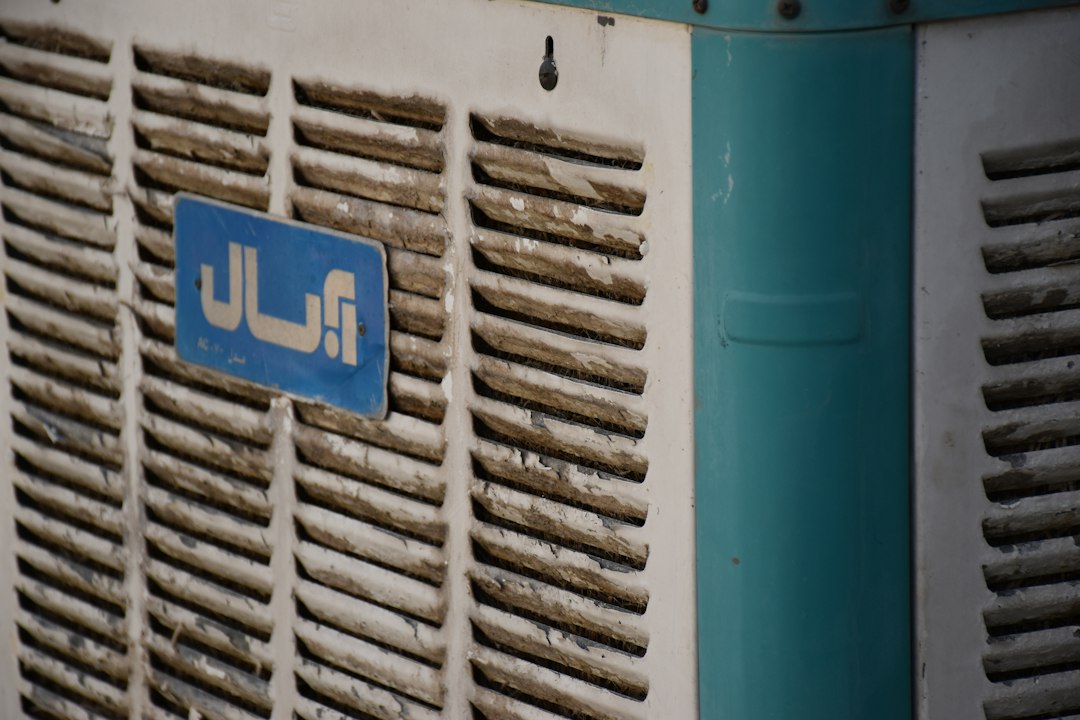
You’re standing outside, perhaps enjoying a cool breeze on a warm day, and you notice your air conditioner’s outdoor unit, the condenser. Maybe you’ve seen it before, but today, something catches your eye: water dripping from it, or even a thin layer of frost. Your initial thought might be concern. Is something broken? Is your AC malfunctioning? The reality, however, is far more ordinary, and frankly, quite ingenious. The condensation you’re observing is a fundamental part of how your air conditioner achieves the very cooling you enjoy inside your home. It’s a testament to the science of thermodynamics at play, a constant dance of heat transfer and phase change. This isn’t a sign of failure; it’s a symptom of success.
The process of refrigeration, which your air conditioner employs, is a closed-loop system. This system circulates a special fluid called refrigerant. This refrigerant is the workhorse, absorbing heat from your indoor air and releasing it outside. The outdoor unit, the condenser, is where a significant portion of this heat release occurs, and it’s in this very process that condensation, and sometimes even frost, takes shape. Understanding this phenomenon requires a look at the journey of the refrigerant, the role of temperature and pressure, and the fundamental principles of how heat is moved from one place to another. It’s not magic; it’s physics, and it’s happening right outside your door to keep you comfortable.
The Silent Workhorse: Understanding Refrigerant’s Journey
The entire operation of your air conditioner hinges on the behavior of a specific chemical compound: refrigerant. You might have heard it mentioned, perhaps during a service call, but its role is absolutely central to the cooling process. Think of it as the blood of your HVAC system, constantly circulating and performing the vital task of heat transfer. It’s not just any fluid; its unique properties allow it to transition between liquid and gas states under varying pressures and temperatures, and this phase change is the key to how your AC works.
From Liquid to Gas and Back Again: The Refrigerant Cycle
Your air conditioner operates on a vapor-compression refrigeration cycle. This cycle has four main components: the evaporator (typically located indoors), the compressor (usually in the outdoor unit), the condenser (also in the outdoor unit), and the expansion valve. The refrigerant, as it moves through these components, undergoes a series of transformations that are essential for cooling.
Initially, the refrigerant enters the compressor as a low-pressure, low-temperature gas. The compressor’s job is to significantly increase both the pressure and temperature of this gas. Imagine squeezing a balloon; the air inside gets hotter and more compressed. This is essentially what the compressor does to the refrigerant. Now, this hot, high-pressure gas then flows to the condenser coil in your outdoor unit. This is where the magic of heat exchange truly begins.
As the hot refrigerant gas travels through the condenser coils, it encounters the cooler ambient air outside. A fan in the outdoor unit blows this ambient air across the coils. Because the refrigerant is significantly hotter than the outside air, heat naturally transfers from the refrigerant to the air. This heat transfer causes the refrigerant to cool down. As it cools and remains under high pressure, it begins to condense, transitioning from a gas back into a high-pressure liquid. This is a critical step; it’s the release of heat absorbed from your home into the outside environment.
After leaving the condenser as a high-pressure liquid, the refrigerant then travels to the expansion valve. This valve acts like a bottleneck, restricting the flow of the liquid refrigerant. As the refrigerant passes through the expansion valve, its pressure is drastically reduced. This sudden drop in pressure causes the liquid refrigerant to cool dramatically, becoming a low-pressure, low-temperature liquid-vapor mixture. This super-cooled, low-pressure refrigerant then flows into the evaporator coil inside your home.
Inside your home, the evaporator coil is where the cooling actually happens. The warm indoor air is blown across the evaporator coils. Since the refrigerant inside the coils is now much colder than the indoor air, heat is absorbed from the indoor air by the refrigerant. This absorption of heat causes the refrigerant to evaporate, turning back into a low-pressure gas. The indoor air, having lost its heat, becomes cooler and is then circulated back into your home. The now low-pressure, low-temperature refrigerant gas then returns to the compressor, and the cycle begins anew.
Understanding why refrigerant condenses in the outdoor coil is crucial for comprehending the overall efficiency of air conditioning systems. When the refrigerant flows through the outdoor coil, it releases heat absorbed from the indoor environment, causing it to transition from a gas to a liquid state. This process is essential for maintaining the cooling cycle and ensuring optimal performance. For a more in-depth exploration of the science behind refrigeration and related concepts, you can read this informative article at Freaky Science.
The Condenser Coil: Where Heat Meets the Outside World
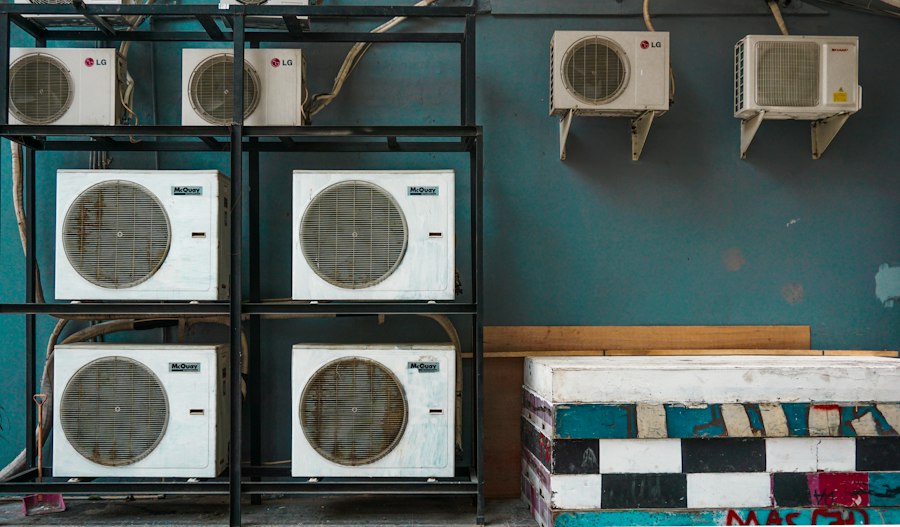
The outdoor unit of your air conditioner is more than just a fan and a box; it houses the condenser coil and the compressor, two essential components for expelling heat. The condenser coil, in particular, is the focal point of our discussion on condensation. Its design and function are specifically engineered to facilitate the release of heat from the refrigerant to the surrounding environment.
Facilitating Heat Transfer: The Design of the Condenser Coil
The condenser coil is typically a series of finned tubes, often made of copper or aluminum. These tubes are arranged in a serpentine or spiral pattern to maximize the surface area exposed to the air. The fins, which are thin sheets of metal attached to the tubes, further increase the surface area. This increased surface area is crucial for efficient heat transfer. The more surface area the refrigerant has in contact with the outside air, the faster and more effectively heat can be dissipated.
The refrigerant enters the condenser coil as a hot, high-pressure gas. As it flows through the tubes, the cooler ambient air, forced over the coils by the outdoor fan, absorbs the heat from the refrigerant. This heat exchange process is the primary function of the condenser. It’s essentially a radiator for your AC system, shedding the unwanted heat from your home into the atmosphere.
Pressure and Temperature Dynamics in the Condenser
The thermodynamics within the condenser coil are key to understanding why condensation occurs. As mentioned, the refrigerant enters as a hot gas. The compressor has raised its pressure and temperature significantly. When this hot gas comes into contact with the relatively cooler outside air, heat is transferred. This loss of heat causes the refrigerant to change its state.
Crucially, while the refrigerant is losing heat, it remains under high pressure. This high pressure keeps the boiling point of the refrigerant elevated. Think about water: at sea level, it boils at 100°C (212°F). If you go to a high altitude where atmospheric pressure is lower, water boils at a lower temperature. Conversely, if you increase the pressure, you increase the boiling point.
So, as the hot refrigerant gas in the condenser coils cools down, it eventually reaches a temperature at which it begins to condense back into a liquid. This condensation point occurs when the refrigerant’s temperature drops below its saturation temperature at the prevailing high pressure. The refrigerant is essentially giving up its latent heat of vaporization, the energy it absorbed when it evaporated indoors. This heat is then released into the outside air. The more efficient the heat transfer, the more readily the refrigerant will condense.
The Science of Condensation: More Than Just Water Droplets

Now that you understand the role of the refrigerant and the condenser coil, let’s delve into the phenomenon of condensation itself. It’s a common occurrence in nature, from dew forming on grass to water droplets on a cold glass. In your air conditioner’s outdoor unit, it’s a direct consequence of the temperature difference between the refrigerant and the surrounding air, and the presence of moisture in that air.
Humidity’s Role: The Air’s Moisture Content
Air always contains some amount of moisture in the form of water vapor. The amount of water vapor the air can hold depends on its temperature; warmer air can hold more moisture than cooler air. When the air comes into contact with a surface that is colder than its dew point, the water vapor in the air will condense into liquid water.
Your air conditioner’s condenser coil, by its very nature, is a cooler surface than the ambient air, especially when the refrigerant inside is actively releasing heat. As the outdoor fan blows the warm, humid air across the cooler condenser coils, the air in immediate contact with the coils cools down. If this cooled air reaches its dew point, the excess water vapor it can no longer hold will transform into liquid water and drip from the coil. This is precisely what you’re observing: condensation. The higher the humidity outside, the more moisture is available in the air to condense on the cool coils, resulting in more water dripping.
Temperature Differences: The Driving Force
The fundamental principle at play here is heat transfer driven by temperature differences. The refrigerant in the condenser coil is significantly warmer than the outside air. This temperature differential creates a gradient that encourages heat flow from the warmer refrigerant to the cooler air. As the refrigerant releases its heat, its temperature drops.
Simultaneously, the surface of the condenser coil, which is in direct contact with the refrigerant, also cools down. This cooled surface then acts upon the surrounding air. When the surface temperature of the condenser coil drops below the dew point of the ambient air, condensation occurs. The greater the temperature difference between the refrigerant and the outside air, the more efficiently heat is transferred, and the more pronounced the condensation will be. In essence, the condensation is a visual cue that the heat from your home is being successfully expelled to the outside.
Frost Formation: An Indicator of Specific Conditions
While condensation is a normal and expected part of your AC’s operation, frost formation is a different story. Frost on the outdoor coil usually indicates that something is not quite right. It signifies that the coil has become so cold that the water vapor in the air has frozen rather than simply condensed. This is generally an undesirable condition and can impede the efficient operation of your air conditioner.
Low Refrigerant Charge and Its Impact
One of the most common causes of frost buildup on the outdoor condenser coil (or, more commonly, the indoor evaporator coil, which then can lead to the outdoor unit icing up indirectly) is a low refrigerant charge. If your system is low on refrigerant, the refrigerant will not circulate effectively. This means it won’t absorb enough heat from your indoor air in the evaporator.
Consequently, the refrigerant returning to the compressor will be much colder than it should be. This overly cold refrigerant then flows through the condenser. While the condenser’s purpose is to release heat, if the refrigerant is already excessively cold due to a low charge, it struggles to release enough heat to warm up. This leads to a drop in pressure within the system, particularly in the evaporator. A drop in pressure lowers the boiling point of the refrigerant, causing it to get extremely cold. As warm, humid indoor air passes over the super-cooled evaporator coil, it can cause the moisture to freeze, forming ice. This ice can then travel through the refrigerant lines and cause the outdoor coil to ice up, or the system may shut down due to safety measures.
Airflow Restrictions: A Breath of Fresh Air Denied
Another significant contributor to frost formation is restricted airflow. Both the indoor and outdoor units rely on proper airflow to function correctly. If the airflow is obstructed, the refrigerant in the coils cannot efficiently exchange heat with the air.
Indoors, this often manifests as a clogged air filter. A dirty air filter restricts the amount of warm air that can be drawn across the indoor evaporator coil. This leads to the evaporator coil becoming too cold, just as with a low refrigerant charge. The refrigerant becomes super-cooled, and frost begins to form on the coil. This ice can then break off and travel through the system.
Outdoors, obstructions can include debris accumulating on the condenser coil itself, such as leaves, grass clippings, or even overgrown vegetation surrounding the unit. If the condenser coil is caked with dirt and debris, the fan will struggle to pull air through it. This reduces the unit’s ability to dissipate heat, leading to higher system pressures and temperatures. In some cases, this can indirectly lead to frosting, though direct frosting on the outdoor unit is more commonly a symptom of a problem originating with the evaporator and its airflow. Essentially, if either the indoor or outdoor unit cannot breathe properly, the delicate balance of the refrigeration cycle is disrupted, leading to potential frosting.
Understanding why refrigerant condenses in the outdoor coil is essential for grasping the fundamentals of air conditioning systems. The process occurs as the refrigerant, which has absorbed heat from the indoor environment, travels to the outdoor coil where it releases that heat. As the refrigerant cools, it transitions from a gas to a liquid state, leading to condensation. For a deeper dive into the science behind this process, you can check out this informative article on Freaky Science, which explores the principles of thermodynamics and their application in refrigeration systems.
Maintaining Your AC: Ensuring Optimal Performance
| Metric | Description | Relevance to Refrigerant Condensation |
|---|---|---|
| Temperature of Outdoor Coil | The temperature at which the coil operates during the refrigeration cycle | When the coil temperature is below the refrigerant’s condensation temperature, the refrigerant condenses from gas to liquid |
| Refrigerant Pressure | Pressure inside the outdoor coil where refrigerant flows | Higher pressure increases the refrigerant’s condensation temperature, promoting condensation in the coil |
| Ambient Air Temperature | Temperature of the air surrounding the outdoor coil | Cooler ambient air helps remove heat from the refrigerant, aiding condensation |
| Heat Exchange Rate | Rate at which heat is transferred from refrigerant to outdoor air | Efficient heat exchange causes refrigerant to lose heat and condense |
| Refrigerant Type | Chemical properties and boiling point of the refrigerant used | Different refrigerants condense at different temperatures and pressures |
| Coil Surface Area | Total surface area of the outdoor coil exposed to air | Larger surface area improves heat dissipation, facilitating condensation |
Observing condensation on your outdoor unit is a sign that your air conditioner is doing its job. However, understanding when that condensation becomes problematic, like turning into frost, is crucial for maintaining your system’s health and efficiency. Regular maintenance plays a vital role in preventing issues that can lead to frosting and ensuring your AC continues to cool your home effectively for years to come.
The Importance of Regular Professional Servicing
While you might perform some basic maintenance tasks yourself, professional servicing is indispensable. HVAC technicians have the expertise and specialized tools to diagnose and address issues that you might overlook. They can check refrigerant levels, detect leaks, inspect electrical components, and ensure the overall integrity of the system.
During a professional service, a technician will:
- Check refrigerant charge: They will verify that the system has the correct amount of refrigerant. Too little or too much can both cause problems, including frosting.
- Inspect for refrigerant leaks: Leaks are the most common reason for a low refrigerant charge. Technicians can identify and repair these leaks.
- Clean coils: Both indoor and outdoor coils need to be kept clean for optimal heat transfer. A professional cleaning can remove stubborn dirt and debris.
- Inspect and clean the outdoor fan: A properly functioning fan is essential for airflow across the condenser coil.
- Check for electrical issues: Faulty wiring or components can disrupt the cooling cycle.
- Measure system pressures and temperatures: These measurements help diagnose any imbalances in the refrigeration cycle.
By having your system serviced annually, typically before the peak cooling season, you can catch potential problems early, before they escalate into costly repairs or lead to uncomfortable periods without air conditioning.
DIY Maintenance: Simple Steps for a Healthy System
While professional servicing is critical, there are simple DIY maintenance tasks you can perform to contribute to your AC’s overall health and efficiency.
- Change your air filter regularly: This is perhaps the single most important DIY task. A clean air filter ensures good airflow across the indoor evaporator coil, preventing it from freezing over. Check your filter monthly and replace it as needed, typically every 1 to 3 months, depending on the type of filter and your home environment.
- Keep the outdoor unit clear of debris: Ensure that the area around your outdoor condenser unit is free of leaves, grass clippings, and other obstructions. Maintain at least two feet of clearance around the unit. Trim any bushes or plants that are growing too close.
- Visually inspect the unit: Periodically, take a look at your outdoor unit. If you see significant ice buildup on the fins, it’s a sign that something is wrong and you should contact a professional. Also, listen for any unusual noises.
By combining regular professional maintenance with a few simple DIY tasks, you can significantly improve your air conditioner’s performance, extend its lifespan, and ensure that the condensation you see on the outdoor coil is a healthy sign of efficient operation, not a warning of impending trouble.

Your AC Blows Hot Air Outside. Is That Heat From Your Room?
FAQs
1. What causes refrigerant to condense in the outdoor coil?
Refrigerant condenses in the outdoor coil due to the high pressure and temperature of the refrigerant gas as it flows through the coil. The outdoor coil acts as a heat exchanger, allowing the refrigerant to release heat and condense into a liquid state.
2. Why is it important for refrigerant to condense in the outdoor coil?
Condensing the refrigerant in the outdoor coil is crucial for the cooling process in an air conditioning system. By condensing the refrigerant, heat is released from the refrigerant, allowing it to absorb more heat from the indoor air when it returns to the evaporator coil.
3. What role does the compressor play in the condensation of refrigerant in the outdoor coil?
The compressor in an air conditioning system plays a vital role in the condensation of refrigerant in the outdoor coil. The compressor increases the pressure and temperature of the refrigerant gas, which then flows to the outdoor coil where it condenses into a liquid state.
4. How does the outdoor fan assist in the condensation process of refrigerant in the outdoor coil?
The outdoor fan helps in the condensation process by blowing air over the outdoor coil, which helps to dissipate the heat released from the refrigerant as it condenses. This airflow aids in cooling down the refrigerant and facilitating the condensation process.
5. What are some common issues that can affect the condensation of refrigerant in the outdoor coil?
Common issues that can affect the condensation of refrigerant in the outdoor coil include dirty or blocked coils, low refrigerant levels, a malfunctioning compressor, or a faulty outdoor fan. Regular maintenance and cleaning of the outdoor unit can help prevent these issues and ensure efficient condensation of the refrigerant.