The Unsung Hero of Your Cool: Understanding the Condenser Fan
When the mercury climbs and you retreat to the blissful sanctuary of your air-conditioned home, you likely thank the cooling system as a whole. But have you ever stopped to consider the intricate dance of components that makes that coolness possible? At the heart of your comfort, diligently working away, is a component often overlooked yet absolutely vital: the condenser fan. You might not even know it’s there, a quiet sentinel perched on the outdoor unit of your air conditioner or heat pump. Yet, its function is so critical that without it, your entire cooling cycle would grind to a halt, leaving you sweltering. This article aims to demystify the condenser fan, pulling back the curtain on its essential role in efficiently removing heat from your home and keeping you comfortable all summer long.
Think of your air conditioner as a heat-moving machine. Its primary job isn’t to create cold, but rather to transfer heat from inside your house to the outside. This sophisticated process involves a refrigerant fluid that circulates through a closed loop, absorbing heat from your indoor air and then releasing it elsewhere. The condenser unit, located outside, is where a significant portion of this heat release occurs. And that’s where the condenser fan steps in, playing a starring role in this crucial heat-dissipation act. Without its constant, powerful airflow, the heat absorbed from your home would remain trapped, rendering your cooling system utterly ineffective. So, let’s delve deeper into this vital component and appreciate the work it does to keep you feeling refreshed.
A condenser fan plays a crucial role in the heat removal process within air conditioning systems by expelling the heat absorbed from the refrigerant to the outside environment. This efficient heat exchange is essential for maintaining optimal system performance and energy efficiency. For a deeper understanding of the principles behind heat transfer and the functioning of HVAC systems, you can explore a related article on this topic at Freaky Science.
The Mechanics of Heat Exchange: How the Condenser Fan Facilitates Cooling
To truly grasp the importance of the condenser fan, you must first understand the basic principles of refrigeration and how your air conditioner functions. Your cooling system operates on a thermodynamic cycle, a continuous process of changing the state of a refrigerant to move heat. This cycle involves four key components: the evaporator coil (indoor), the compressor (usually in the outdoor unit), the condenser coil (outdoor), and the expansion valve. The condenser fan’s work is intrinsically linked to the condenser coil, making their collaboration indispensable.
The Refrigerant’s Journey: From Warm to Cool and Back Again
Imagine the refrigerant as a heat-carrying courier. Inside your home, the evaporator coil acts as a giant sponge, absorbing heat from the warm indoor air that’s blown across it. As the refrigerant absorbs this heat, it changes from a low-pressure liquid into a low-pressure gas. This gas then travels to the compressor. The compressor is the powerhouse of the system; it takes this low-pressure gas and compresses it into a high-pressure, high-temperature gas. This is where the heat is concentrated and ready to be expelled.
The Condenser Coil: Where Heat Meets its Match
This high-pressure, high-temperature refrigerant gas then flows into the condenser coil, which is a network of tubes typically found in the outdoor unit. These tubes are designed to maximize surface area, allowing for efficient heat transfer. This is where the magic of the condenser fan truly begins. As the hot refrigerant gas circulates through the condenser coil, it needs a way to shed its accumulated heat. If the refrigerant simply sat in the coil without any assistance, it would quickly become too hot, and the cooling cycle would stall.
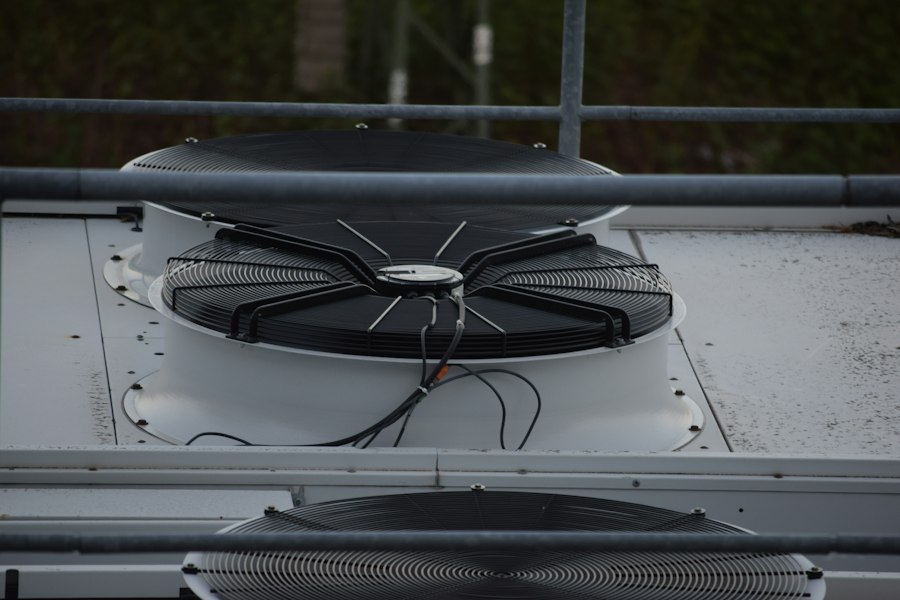
The condenser fan’s role is to draw cool ambient air across the hot condenser coil. This airflow creates a temperature differential, allowing the heat from the refrigerant to transfer into the cooler outdoor air. As the refrigerant loses heat, it condenses back into a high-pressure liquid. This liquid then flows through the expansion valve, where its pressure and temperature are reduced, preparing it to return to the evaporator coil and begin the cycle anew. The condenser fan is the engine that drives this crucial heat rejection process. Without its continuous operation, the refrigerant would overheat, the compressor would struggle, and your home would remain uncomfortably warm.
The Importance of Airflow: Maximizing Heat Dissipation
The efficiency of this heat exchange is directly proportional to the volume and speed of the air flowing across the condenser coil. A powerful condenser fan ensures that a sufficient amount of fresh, cooler air is constantly being pulled into the unit and passed over the hot coils. This sustained airflow prevents the refrigerant from overheating and allows the system to operate at its intended capacity. Think of it like trying to cool down a hot object by fanning it. The more vigorously you fan, the faster the object cools. The condenser fan does the same for your refrigerant, only on a much larger and more impactful scale. A stagnant or insufficient airflow would lead to a sluggish system, increased energy consumption as the system tries to compensate, and ultimately, a failure to cool your home effectively.
Beyond Cooling: The Condenser Fan’s Role in Heat Pump Operation
While the primary focus is often on air conditioning, it’s essential to acknowledge that many modern homes utilize heat pumps, which provide both heating and cooling. In these dual-purpose systems, the condenser fan’s responsibilities expand, demonstrating its versatility and continued importance. The fundamental principles of heat transfer remain the same, but the direction of that transfer is reversed when the system is in heating mode.
Heating Mode: The Condenser Becomes the Evaporator (and Vice Versa)
When your heat pump is set to heating mode, the roles of the indoor and outdoor coils are essentially swapped. What was the condenser coil outside now becomes the evaporator coil, and what was the evaporator coil inside now becomes the condenser coil. The refrigerant, now carrying heat from the outside air, flows into the indoor coil to warm your home. Conversely, in heating mode, the outdoor unit, which houses the compressor and the original condenser coil, now acts as the heat exchanger for expelling any excess heat. This is where the condenser fan takes on a new, yet equally vital, task.
Releasing Heat to the Outside: A Critical Function in Heating
Even in heating mode, the condenser fan plays a crucial role in the heat pump’s operation. As the refrigerant absorbs heat from the outside air (even on a cool day, there’s still usable heat energy), it becomes a warm gas. This warm gas then flows through the outdoor coil. The condenser fan’s job is to draw ambient air across this outdoor coil. This air, though cooler than the refrigerant, is still warm enough to absorb some of the heat from the refrigerant. This process allows the refrigerant to condense, releasing heat into the outside environment, and enabling the cycle to continue efficiently. Without the condenser fan in heating mode, the outdoor coil would quickly become too warm, impeding the refrigerant’s ability to release heat and thus reducing the efficiency of your home’s heating.
Defrost Cycles: An Essential, Fan-Assisted Intervention
A particularly important function where the condenser fan is indispensable in heating mode is during defrost cycles. When the outdoor temperature is below freezing, moisture from the air can accumulate on the outdoor coil and freeze, forming ice. This ice build-up acts as an insulator, significantly hindering the heat transfer process. When the system detects significant ice formation, it initiates a defrost cycle. During this cycle, the heat pump temporarily switches back to cooling mode. The refrigerant flow is reversed, and the indoor coil acts as the condenser while the outdoor coil acts as the evaporator. Crucially, the condenser fan in the outdoor unit is switched off during the initial stages of the defrost cycle. This allows the warm refrigerant to directly heat the outdoor coil, melting the ice. Once the ice has melted, the fan is often turned back on at a low speed to help expel the moisture and residual heat, and the system then returns to its normal heating operation. The condenser fan’s ability to be controlled and switched off is therefore vital for the effective operation of the defrost cycle, preventing damage to the system and ensuring continued comfort.
Diagnosing Problems: When the Condenser Fan Stops Its Crucial Work
Like any mechanical component, condenser fans can malfunction. Recognizing the signs of a failing or failed condenser fan is crucial for preventing further damage to your HVAC system and ensuring you don’t endure prolonged periods without cooling or heating. A silent condenser fan is not a good sign, and often the issues it causes are readily apparent.
Signs of a Struggling or Silent Fan
The most obvious indicator that your condenser fan isn’t working is a complete lack of airflow from the outdoor unit when your air conditioner or heat pump is running. You might also notice that your AC is blowing warm air, or that your home isn’t reaching the desired temperature. Another telltale sign is an unusual noise coming from the outdoor unit. This could be a grinding, squealing, or rattling sound, indicating that the fan motor is failing or that something is obstructing the fan blades. Overheating of the compressor is also a significant concern. Because the condenser fan’s job is to cool the refrigerant and prevent the compressor from overheating, a malfunctioning fan will force the compressor to work harder and hotter, potentially leading to premature failure. You might also observe that the outdoor unit feels unusually hot to the touch.
Common Causes of Condenser Fan Failure
Several factors can lead to a condenser fan’s demise. Motor failure is a common culprit; the motor itself can burn out due to age, electrical issues, or overheating. Obstructions, such as debris, leaves, or even small animals, can get lodged in the fan blades, preventing them from spinning or causing damage. Loose wiring or electrical connections can also disrupt the fan’s operation. In some cases, the capacitor that powers the fan motor may fail, preventing the motor from receiving the necessary electrical charge to start or run.
The Consequences of Neglect: Escalating Repair Costs
Ignoring a malfunctioning condenser fan can lead to a cascade of expensive problems. As mentioned, the compressor is highly vulnerable to overheating. If the condenser fan isn’t dissipating heat effectively, the compressor will be forced to work overtime, leading to premature wear and tear, and eventually, a costly replacement. Refrigerant leaks can also occur when the system overheats. Furthermore, a struggling HVAC system will consume significantly more energy, leading to higher utility bills. In severe cases, a completely failed condenser fan can lead to a complete breakdown of your HVAC system, leaving you without climate control and facing potentially thousands of dollars in repair costs. Therefore, prompt attention to any signs of condenser fan trouble is always the most economical approach.
A condenser fan plays a crucial role in the cooling process by effectively removing heat from the refrigerant, allowing the system to maintain optimal performance. By drawing air over the condenser coils, the fan helps dissipate the heat absorbed from the indoor environment, ensuring that the refrigerant can cycle efficiently. For a deeper understanding of how various components work together in cooling systems, you might find this related article on heat transfer mechanisms particularly insightful.
Maintenance and Longevity: Keeping Your Condenser Fan in Top Shape
| Metric | Description | Typical Value / Range | Unit |
|---|---|---|---|
| Airflow Rate | Volume of air moved by the condenser fan to dissipate heat | 500 – 2000 | CFM (Cubic Feet per Minute) |
| Fan Speed | Rotational speed of the condenser fan blades | 800 – 1800 | RPM (Revolutions per Minute) |
| Heat Transfer Rate | Amount of heat removed from the condenser coil by the fan | 5,000 – 20,000 | BTU/hr |
| Temperature Drop Across Condenser | Difference between refrigerant temperature entering and leaving the condenser | 10 – 30 | °F |
| Power Consumption | Electrical power used by the condenser fan motor | 100 – 500 | Watts |
| Noise Level | Sound produced by the condenser fan during operation | 50 – 70 | dB (Decibels) |
The condenser fan is a workhorse, but like any mechanical component, it benefits greatly from regular maintenance. Proactive care can extend its lifespan, improve your system’s efficiency, and save you money on potential repairs. Think of it as a tune-up for your outdoor unit’s most vital moving part.
Regular Cleaning: The Foundation of Good Maintenance
One of the simplest yet most effective maintenance tasks you can perform is keeping the condenser fan and coil clean. Over time, dirt, dust, leaves, and other debris can accumulate on the fan blades and the condenser coils. This build-up restricts airflow, making the fan work harder and reducing its ability to dissipate heat. Periodically, and especially at the beginning of the cooling season, you should carefully clean the fan blades and the fins of the condenser coil. You can use a soft brush or a vacuum cleaner with a brush attachment for the fan blades. For the condenser coils, a garden hose with a spray nozzle can be effective, but be careful not to use excessive pressure, which can bend the delicate fins. Always ensure the power to the unit is shut off before attempting any cleaning.
Inspecting for Obstructions and Damage
While cleaning, it’s also a good opportunity to visually inspect the fan blades for any signs of damage, such as cracks or bends. Ensure there are no obstructions like twigs or grass clippings that could interfere with its rotation. Check that the fan shroud is securely in place. Loose or damaged components can lead to vibrations and further damage.
Professional Tune-Ups: The Expert Touch
Beyond your own cleaning efforts, consider scheduling annual professional maintenance for your HVAC system. A qualified technician will thoroughly inspect the condenser fan motor for wear and tear, check the capacitor, and ensure all electrical connections are secure. They can also lubricate any necessary parts, check for proper fan speed, and identify any potential issues before they become major problems. This professional tune-up is an investment that can pay significant dividends in terms of system longevity and efficiency.
Understanding Fan Motor Lubrication
Older condenser fan motors often have lubrication ports. If your unit has these, it’s important to lubricate them periodically according to the manufacturer’s recommendations. However, many newer motors are sealed and do not require lubrication. Always consult your system’s manual or a professional technician to determine if lubrication is necessary. Over-lubricating can attract dirt and grime, while under-lubricating can lead to increased friction and premature wear.
The Future of Cooling: Innovations and the Condenser Fan’s Evolving Role
As technology advances, so too does the design and functionality of HVAC components, including the condenser fan. Innovations are continuously being developed to enhance efficiency, reduce noise, and improve the overall performance of cooling systems. The condenser fan, as a critical element, is at the forefront of some of these exciting developments.
Variable-Speed Technology: Smarter Airflow Control
One of the most significant advancements in condenser fan technology is the widespread adoption of variable-speed motors. Unlike traditional single-speed fans that operate at full power or not at all, variable-speed fans can adjust their speed based on the cooling demand. This means the fan can run at a lower speed when only a small amount of cooling is needed, and then ramp up its speed as the temperature rises or the system works harder. This precise control of airflow offers several advantages.
Enhanced Energy Efficiency: A Quieter, Greener Operation
Variable-speed condenser fans contribute significantly to energy efficiency. By operating at lower speeds when full power isn’t required, they consume less electricity. This can translate into noticeable savings on your energy bills. Furthermore, quieter operation is a major benefit for homeowners, especially those with units located near living spaces or bedrooms. The reduced noise pollution can significantly improve your comfort and the overall ambiance of your property.
Improved Humidity Control: A More Comfortable Indoor Environment
The precise airflow control offered by variable-speed condenser fans also plays a role in improving humidity control. By running more consistently at lower speeds, the system can remove more moisture from the air during the cooling process. This leads to a drier, more comfortable indoor environment, reducing the potential for mold and mildew growth and creating a healthier living space.
Smarter Systems and Diagnostics
The integration of smart technology into HVAC systems is also impacting condenser fans. Many modern units now come equipped with advanced diagnostic capabilities. These systems can monitor the performance of the condenser fan and other components, alerting you or a technician to potential issues before they become critical. Some smart thermostats can even communicate with your HVAC system to optimize fan operation based on weather forecasts and your energy usage patterns. This interconnectedness allows for more proactive maintenance and a more responsive and efficient cooling experience. The condenser fan, once a simple motor and blades, is becoming an increasingly intelligent and integral part of a sophisticated, interconnected home comfort system.

Your AC Blows Hot Air Outside. Is That Heat From Your Room?
FAQs
What is a condenser fan?
A condenser fan is a component of an air conditioning system that is responsible for removing heat from the refrigerant in the condenser unit.
How does a condenser fan remove heat?
The condenser fan works by drawing air through the condenser coils, which contain the hot refrigerant gas. As the air passes over the coils, it absorbs the heat from the refrigerant, causing it to condense into a liquid state and release the heat outside.
Why is it important for a condenser fan to remove heat?
Removing heat from the refrigerant is crucial for the air conditioning system to function properly. If the heat is not removed efficiently, the system will not be able to cool the air effectively, leading to poor performance and potential damage to the components.
How does a condenser fan affect the efficiency of an air conditioning system?
A properly functioning condenser fan is essential for the efficiency of an air conditioning system. By effectively removing heat from the refrigerant, the fan helps the system operate at its optimal level, ensuring that the air is cooled efficiently and the system consumes less energy.
What are some signs of a malfunctioning condenser fan?
Some signs of a malfunctioning condenser fan include reduced cooling performance, strange noises coming from the unit, and visible damage to the fan blades. If you notice any of these signs, it is important to have the fan inspected and repaired by a professional to prevent further issues with your air conditioning system.