The Warm Embrace of Your AC Condenser: Understanding Its Heat
You step outside, seeking a breath of fresh air, only to feel a blast of warm air emanating from your air conditioning unit’s outdoor component – the condenser. It’s a common observation, and one that often sparks a flurry of questions: “Is this normal?” “Why is it so hot?” “Is something wrong with my AC?” The truth is, a hot AC condenser is not necessarily a sign of impending doom. In fact, it’s an integral part of how your air conditioner cools your home. This article will delve into the science behind your AC’s heat, explaining why it gets hot, what factors influence its temperature, and when you should start to worry. Think of your AC as a sophisticated heat transfer system, and your condenser is where the magic – or rather, the heat rejection – happens.
If you’re curious about why an AC condenser can feel hot to the touch, you might find it helpful to read a related article that delves deeper into the mechanics of air conditioning systems. Understanding the role of the condenser in the cooling process can clarify why it operates at higher temperatures. For more insights, check out this informative piece on the subject at Freaky Science.
The Thermodynamics of Cooling: How Your AC Sheds Heat
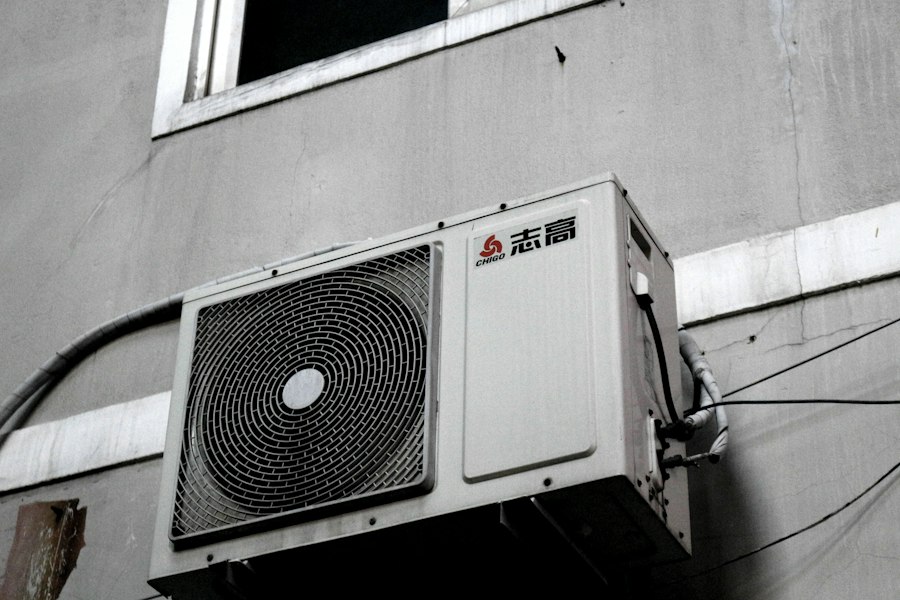
At its core, your air conditioning system is designed to move heat from inside your house to the outside. It doesn’t “create” cold; it extracts warmth. This process relies on a refrigerant, a special fluid that cycles through your AC system, changing its state from liquid to gas and back again. The condenser’s primary role in this cycle is to release the heat absorbed from your home into the surrounding atmosphere.
The Refrigerant Cycle: A Journey of Heat Transfer
To truly understand why your condenser is hot, you need to appreciate the journey of the refrigerant. This closed-loop system involves several key components, each playing a crucial role in the heat transfer process.
Evaporation Indoors: Absorbing the Heat
The process begins inside your home, at the evaporator coil, located within your air handler (usually in the attic or a closet). Here, the liquid refrigerant, under low pressure, absorbs heat from the air that’s blown across it by your fan. As it absorbs this heat, the refrigerant boils and turns into a low-pressure gas. This is the “cooling” part of your AC – the removal of heat from your indoor environment.
The Compressor: Powering the Heat Pump
The gaseous refrigerant then travels to the compressor, the “heart” of your AC system, typically housed within the outdoor condenser unit. The compressor’s job is to significantly increase the pressure and temperature of the refrigerant gas. Think of it like squeezing a sponge – the more you squeeze, the hotter the water inside gets. This highly pressurized, hot gas is now ready to release its absorbed heat.
Condensation Outdoors: Rejecting the Heat
This hot, high-pressure gas then flows to the condenser coil, the large, finned metal tubes you see in your outdoor unit. As the refrigerant passes through these coils, the outdoor fan blows air across them. This airflow facilitates the transfer of heat from the hot refrigerant gas to the cooler ambient air. As the refrigerant loses heat, it condenses back into a high-pressure liquid. This is the stage where the condenser gets hot – it’s actively shedding the heat it collected from your home.
Expansion Back to Low Pressure: Completing the Cycle
Finally, the liquid refrigerant passes through an expansion valve, which reduces its pressure and temperature, preparing it to return to the evaporator coil and begin the cycle anew. This continuous cycle ensures that heat is consistently moved from inside to outside, keeping your home cool.
Factors Influencing Condenser Temperature: More Than Just a Thermometer Reading
The “hotness” of your condenser isn’t a static measurement. Several environmental and operational factors can influence how warm it feels and how efficiently it’s functioning. Understanding these variables can help you gauge whether the heat you’re feeling is within the normal operating range or a potential indicator of a problem.
Ambient Air Temperature: The Outside World’s Influence
The most significant factor influencing your condenser’s temperature is the outside air temperature. On a sweltering summer day, when the ambient temperature is already high, your AC has a harder time dissipating the heat from the refrigerant. Imagine trying to cool down a room by opening a window on a 100-degree day – it’s not very effective. Similarly, your condenser will operate at a higher temperature when the surrounding air is hot because the temperature difference between the refrigerant and the air is smaller. Conversely, on a cooler day, your condenser will feel less intensely hot.
Humidity Levels: The Invisible Heat Catcher
Humidity also plays a role, albeit a more subtle one. High humidity means there’s more moisture in the air. When the condenser fan blows air across the condenser coils, some of that moisture can condense on the coils. This condensation process, while seemingly related to cooling, can actually hinder heat transfer. Water has a high specific heat capacity, meaning it can absorb a lot of heat before its temperature rises significantly. If the condenser coils are covered in water, it can act as an insulating layer, making it more difficult for the refrigerant to release its heat.
AC Unit Size and Efficiency: The Engine’s Output
The size and efficiency rating (SEER rating) of your air conditioning unit also contribute to how hot the condenser might feel. A larger, more powerful AC unit will move more air and refrigerant, potentially generating more heat during operation. Similarly, a highly efficient unit might operate at slightly different temperatures than an older, less efficient model. However, a properly functioning unit, regardless of size or efficiency, will always aim to dissipate heat effectively.
Airflow: The Crucial Breath of the Condenser
Perhaps one of the most critical factors, and one that you can often directly influence, is the airflow around your condenser unit. The outdoor fan is responsible for pulling ambient air across the condenser coils. If this airflow is obstructed, the unit cannot effectively release the heat, leading to higher operating temperatures and reduced cooling efficiency.
Obstructions to Airflow: Blocked Passages
Anything that impedes airflow can cause your condenser to overheat. This includes:
- Vegetation: Overgrown bushes, vines, or tall grass planted too close to the unit can create a dense barrier. AC units typically require at least 2-3 feet of clearance on all sides for optimal airflow.
- Debris: Leaves, grass clippings, dirt, and other outdoor debris can accumulate on the condenser coils and around the base of the unit, blocking air intake and exhaust.
- Fencing or Structures: If your condenser is enclosed by a fence, a deck, or other structures that limit ventilation, it will struggle to dissipate heat.
- Damage to Fins: The fins on the condenser coil can become bent or damaged, creating blockages.
The Importance of Cleanliness: Maintaining Clear Pathways
Regular cleaning and maintenance are essential to ensure unobstructed airflow. This involves clearing away any debris and gently cleaning the condenser coils. You can often do this yourself with a hose and a soft brush, being careful not to damage the delicate fins.
When Hot Condenser Signals a Problem: Beyond Normal Operation
While a hot condenser is a normal part of AC operation, there are times when excessive heat or a noticeable change in temperature can indicate a problem. It’s about distinguishing between the expected warmth of heat rejection and the alarming heat of a malfunctioning system.
Reduced Cooling Performance: The Most Obvious Symptom
The most common sign that your hot condenser is due to a problem is a noticeable decrease in your home’s cooling performance. If your AC is running constantly but your home isn’t getting as cool as it used to, or if you’re experiencing uneven cooling, the condenser’s inability to effectively dissipate heat is likely the culprit. This can lead to higher energy bills as the system works harder to compensate for its inefficiency.
Unusual Noises: A Symphony of Distress
While not directly related to heat, unusual noises emanating from the condenser unit can sometimes accompany overheating issues. These might include:
- Grinding or Screeching: This could indicate a problem with the fan motor or compressor bearings.
- Hissing or Bubbling: This might suggest a refrigerant leak.
- Loud Buzzing: This could point to an electrical issue within the unit.
If you hear any new or unusual noises, it’s a good idea to investigate further, especially if cooling performance has also declined.
Ice Buildup on Condenser Coils: A Chilling Indicator
While the condenser’s purpose is to get rid of heat, if you observe ice forming on the condenser coils, it’s a strong indicator of a problem. This usually happens when there’s insufficient airflow, causing the refrigerant to get too cold and freeze the moisture on the coils. This further exacerbates the airflow issue, creating a vicious cycle.
Increased Energy Bills: The Financial Clue
If you notice a significant and unexplained increase in your electricity bills, especially during the cooling season, it could be a sign that your AC is working harder than it should be. An inefficient condenser struggling to release heat will consume more energy to achieve its cooling goals.
When discussing the reasons why an AC condenser is hot, it’s important to understand the role of heat exchange in the cooling process. The condenser is responsible for releasing heat absorbed from the indoor air, which is why it can feel quite warm during operation. For a deeper insight into this topic, you can explore a related article that delves into the mechanics of air conditioning systems and their components. This resource can provide valuable information on how the condenser functions and why it gets hot, making it a great read for anyone looking to enhance their understanding of HVAC systems. You can find the article here: related article.
Troubleshooting Your Hot Condenser: Steps You Can Take
| Metric | Description | Typical Value/Range | Relevance to AC Condenser Heat |
|---|---|---|---|
| Condenser Temperature | Temperature of the AC condenser unit during operation | 120°F to 160°F (49°C to 71°C) | Heat is released from refrigerant to outside air, causing condenser to be hot |
| Refrigerant Pressure (High Side) | Pressure of refrigerant in condenser coil | 150 to 300 psi (varies by system) | High pressure causes refrigerant to condense and release heat |
| Ambient Air Temperature | Temperature of the air surrounding the condenser | 60°F to 100°F (16°C to 38°C) | Higher ambient temps increase condenser temperature |
| Heat Rejection Rate | Amount of heat expelled by condenser per unit time | Varies by system size, typically several kW | Heat rejection causes condenser surface to become hot |
| Fan Airflow Rate | Volume of air moved across condenser coil | 500 to 2000 CFM (cubic feet per minute) | Higher airflow helps cool condenser, reducing surface temperature |
| Heat Transfer Efficiency | Effectiveness of condenser in transferring heat from refrigerant to air | 70% to 90% | Higher efficiency means better heat dissipation, but condenser still hot |
Before you call for professional help, there are a few things you can check and do yourself to address potential issues causing your condenser to overheat.
Visual Inspection: A First Look
Start with a thorough visual inspection of the outdoor unit.
Checking for Obstructions: Clearing the Path
As mentioned earlier, the most common culprit for overheating is restricted airflow. Walk around the unit and:
- Trim Vegetation: Cut back any bushes, trees, or vines that are encroaching on the unit. Ensure there’s ample clearance on all sides.
- Remove Debris: Clear away any accumulated leaves, grass clippings, dirt, or other debris from the base and sides of the unit.
- Inspect the Fan: Make sure the fan blades are clear of any obstructions.
Examining the Condenser Fins: Gentle Cleaning
The fins on the condenser coil can get clogged with dirt and dust.
- Gentle Washing: With a garden hose set to a gentle spray, carefully wash the fins from the inside out if possible, or from the outside towards the inside. Avoid using a high-pressure washer, as this can bend or damage the delicate fins.
- Straightening Fins: If you notice bent fins, you can purchase a fin comb at a hardware store and gently comb them to straighten them out. This improves airflow through the coil.
Air Filter Check: The Unsung Hero Indoors
While the condenser is outdoors, the efficiency of the entire system is interconnected. A dirty air filter inside your home can restrict airflow to the evaporator coil, which in turn can affect the pressure and temperature of the refrigerant reaching the condenser, potentially leading to overheating.
- Locate and Inspect: Find your AC’s air filter (usually in the return air duct or near the air handler) and inspect it.
- Replace if Dirty: If the filter is visibly dirty or clogged, replace it with a new one. This is a simple yet crucial maintenance task.
When to Call the Professionals: Recognizing Your Limits
While DIY troubleshooting can resolve many common issues, some problems require the expertise of a qualified HVAC technician. It’s important to know when to put down the tools and call in the experts to avoid causing further damage or putting yourself at risk.
Complex Refrigerant Issues: Handling Hazardous Substances
Refrigerant is a critical component of your AC system, but it’s also a regulated substance that requires specialized knowledge and equipment to handle.
- Refrigerant Leaks: If you suspect a refrigerant leak (indicated by hissing noises, poor cooling, or ice buildup), do not attempt to add refrigerant yourself. This can be dangerous and may violate environmental regulations. A technician has the tools to detect leaks, repair them, and safely recharge the system.
- Low or High Refrigerant Charge: An incorrect refrigerant charge can lead to both overheating and freezing of the coils. Only a certified technician can accurately measure and adjust the refrigerant levels.
Electrical System Problems: Safety First
The electrical components of your AC system, including the compressor and fan motor, can be complex and dangerous to work with if you’re not trained.
- Compressor Issues: If the compressor is overheating or making unusual noises, it could be an internal problem that requires professional diagnosis and repair.
- Fan Motor Malfunctions: A failing fan motor will significantly impact airflow, leading to condenser overheating. Technicians can diagnose and replace these motors.
- Wiring Problems: Loose or damaged wiring can cause a variety of issues, including overheating.
Advanced Diagnostics and Repairs: Beyond the Basics
Sometimes, the cause of a hot condenser is not immediately obvious. It could be an internal issue with the compressor, a problem with the expansion valve, or a blockage in a refrigerant line. These require specialized diagnostic tools and knowledge that only an HVAC professional possesses.
Peace of Mind and Warranty Protection: The Value of Expertise
Calling a professional not only ensures that the problem is correctly diagnosed and repaired but also provides peace of mind. Many AC systems come with warranties, and attempting repairs yourself might void those warranties. A qualified technician can perform thorough diagnostics, ensure all repairs are done to code, and provide valuable maintenance advice for the future. Remember, a hot condenser is often a symptom, and a skilled technician can identify the root cause and ensure your AC system operates efficiently and reliably for years to come.

Your AC Blows Hot Air Outside. Is That Heat From Your Room?
FAQs
1. Why is an AC condenser hot?
An AC condenser is hot because it is responsible for releasing heat from the refrigerant that has been absorbed from inside the building. The condenser coils are where the heat exchange process occurs, causing the condenser to become hot.
2. Is it normal for an AC condenser to be hot?
Yes, it is normal for an AC condenser to be hot during operation. The heat generated during the cooling process needs to be released outside, which is why the condenser becomes hot. However, if the condenser is excessively hot or if there are other issues with the AC unit, it may require professional inspection.
3. Can a hot AC condenser be a sign of a problem with the unit?
While it is normal for an AC condenser to be hot, an excessively hot condenser could be a sign of a problem with the unit. Issues such as a dirty condenser coil, low refrigerant levels, or a malfunctioning fan can cause the condenser to overheat. It is important to address any potential problems to prevent further damage to the AC system.
4. How can I prevent my AC condenser from overheating?
To prevent your AC condenser from overheating, it is important to regularly maintain the unit. This includes cleaning the condenser coils, ensuring proper airflow around the unit, and checking refrigerant levels. Additionally, scheduling annual maintenance with a professional HVAC technician can help identify and address any potential issues before they escalate.
5. What should I do if my AC condenser is extremely hot to the touch?
If your AC condenser is extremely hot to the touch, it is recommended to turn off the unit and contact a professional HVAC technician for inspection and repairs. Continuing to run the AC system with an overheating condenser can lead to further damage and potentially costly repairs.