
The Unlikely Exchange: How Your AC Outsmarts the Sun
You stand in your living room, a sanctuary of cool air, while outside, the sun beats down relentlessly, turning the pavement into a shimmering mirage. How does that seemingly magic box, your air conditioner, manage to make your indoor world a haven when the external environment is so hostile? It’s a question many of us ponder, especially on those sweltering summer days. The answer isn’t magic, but rather a clever application of thermodynamics and a fundamental principle of how heat behaves. Your AC doesn’t “create” cold; it moves heat. Specifically, it orchestrates a remarkable feat: pushing heat out of your relatively cooler indoor space and into the already scorching outdoor air. Let’s delve into the fascinating mechanisms behind this essential summer comfort provider.
Air conditioning units are designed to efficiently remove heat from indoor spaces and expel it into the hotter outdoor air. This process relies on the principles of thermodynamics, where the refrigerant absorbs heat from the indoor environment and releases it outside, effectively cooling the interior. For a deeper understanding of how this process works and the science behind it, you can read a related article at Freaky Science. This resource provides insights into the mechanics of air conditioning systems and their role in maintaining comfortable indoor temperatures.
The Essential Ingredients: What Makes Your AC Tick
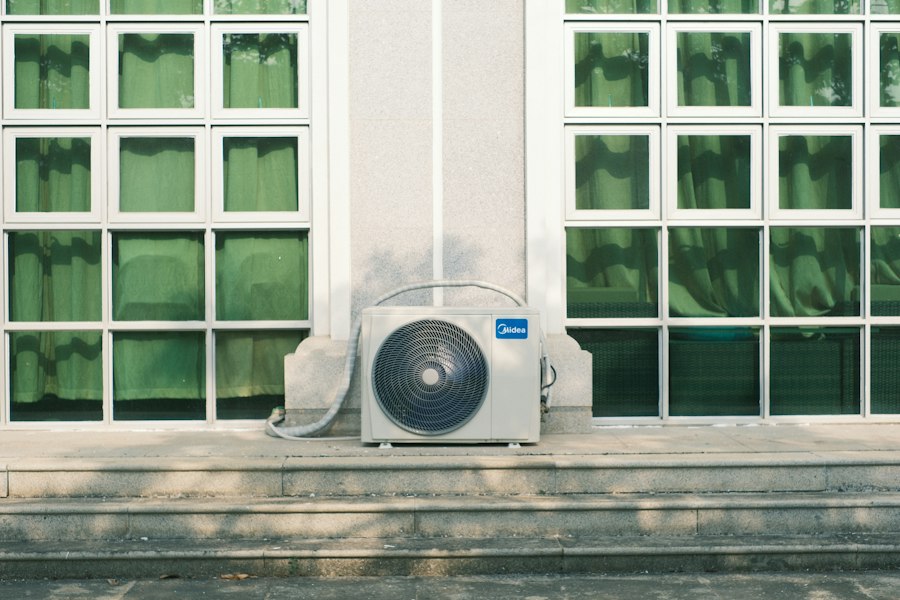
Before we can understand the heat transfer process, it’s crucial to identify the key players within your air conditioning system. Think of these components as the performers in a meticulously choreographed dance, each with a vital role in the overall operation. Without these elements, the seemingly impossible task of cooling your home would remain just that – impossible. Understanding their functions is the first step in appreciating the ingenious engineering that keeps you comfortable.
The Heart of the Matter: Refrigerant, the Heat Carrier
The star of your AC’s performance is the refrigerant. This isn’t just any fluid; it’s a special chemical compound designed to readily absorb and release heat as it changes state between a liquid and a gas. Imagine it as a tiny, tireless courier, constantly shuttling heat from one location to another. Different refrigerants have different properties, and their selection is critical for the efficiency and environmental impact of the AC unit. Older systems might use refrigerants like R-22, which have been phased out due to their ozone-depleting potential. Newer systems utilize more environmentally friendly alternatives, such as R-410A. Regardless of the specific type, their ability to undergo phase changes is what powers the entire cooling cycle. When refrigerant is a liquid, it has a low boiling point. When it absorbs heat, it evaporates into a gas. Conversely, when it releases heat, it condenses back into a liquid. This cycle of evaporation and condensation is the fundamental mechanism for heat transfer.
The Pressure Cooker: The Compressor’s Crucial Role
The compressor is often referred to as the “heart” of the AC system, and for good reason. It’s the engine that drives the entire refrigerant cycle. Its primary job is to increase the pressure and temperature of the refrigerant. Think of it as a powerful pump. As the refrigerant enters the compressor as a low-pressure gas, the compressor squeezes it, forcing the molecules closer together. This compression not only increases the pressure but also significantly raises the temperature of the refrigerant. This superheated gas is then ready to embark on its journey to release the heat it has absorbed from your home. Without the compressor, the refrigerant would never reach the high temperatures and pressures needed to effectively transfer heat to the even hotter outdoor air. It’s this mechanical work that initiates the crucial phase change and pressure differentials required for the cooling process.
The Heat Exchangers: Evaporator and Condenser Coils
Your AC system has two sets of coils, acting as the critical interfaces where heat is exchanged with the refrigerant. These are the evaporator coils, located inside your home, and the condenser coils, situated in the outdoor unit.
The Indoor Oasis: Evaporator Coils Absorb Indoor Heat
The evaporator coils are where the magic of cooling your home begins. Here, the low-pressure liquid refrigerant flows through a network of thin tubes. As the warm indoor air is drawn across these coils by the blower fan, the refrigerant absorbs the heat from the air. This heat absorption causes the refrigerant to evaporate, transforming from a liquid into a low-pressure gas. As the refrigerant absorbs heat, it cools the air that is being blown back into your living spaces, creating that refreshing chill you feel. You can often feel the coldness of these coils if you were to touch them (though it’s not recommended while the system is running!). The process is akin to how sweating cools your body: as the moisture (refrigerant) evaporates from your skin (the coils), it draws heat away.
The Outdoor Discharge: Condenser Coils Release Heat
Once the refrigerant has picked up heat from your home and has been compressed into a hot, high-pressure gas by the compressor, it travels to the outdoor unit, where the condenser coils are located. These coils are designed to release the heat the refrigerant has absorbed. The outdoor fan plays a vital role here, blowing the hot ambient air across the condenser coils. Because the refrigerant inside the coils is now significantly hotter than the outdoor air, heat naturally flows from the refrigerant to the air. This heat transfer causes the refrigerant to condense back into a high-pressure liquid, ready to begin its journey back indoors to pick up more heat. This is the point where your AC is actively pushing heat into the already hot outdoor environment, a process that might seem counterintuitive but is fundamental to how it works. The larger the surface area of the condenser coils and the more effectively air can flow over them, the more efficient the heat rejection process will be.
The Thermodynamic Tango: Principles at Play
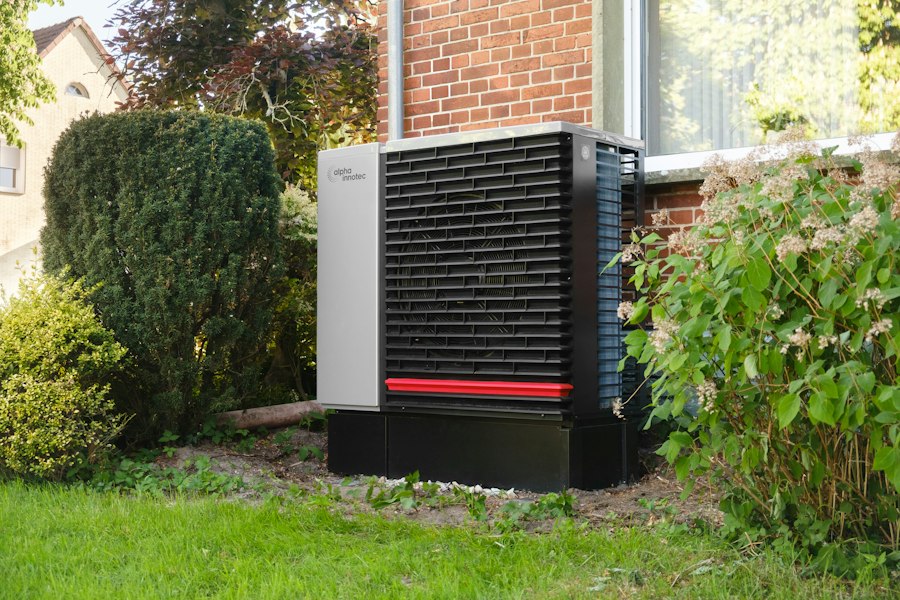
The seemingly miraculous act of pushing heat into an already hot environment is governed by fundamental laws of physics, specifically the laws of thermodynamics. These laws describe the behavior of energy and heat, and your AC unit is a testament to their practical application. Understanding these principles helps demystify the process and appreciate the scientific elegance of your air conditioning system.
The Driving Force: Pressure Gradients and Phase Changes
The entire cooling cycle hinges on creating and exploiting pressure differences within the refrigerant. The compressor is responsible for generating a high-pressure zone, while a device called an expansion valve (or capillary tube in simpler systems) creates a low-pressure zone. This drastic pressure difference forces the refrigerant to change its state. In the low-pressure environment of the evaporator coils, the refrigerant readily boils and evaporates at a relatively low temperature, absorbing heat from the indoor air. In the high-pressure environment of the condenser coils, the refrigerant is forced to condense at a higher temperature, releasing its heat to the outdoor air. This controlled manipulation of pressure is the engine that drives the heat transfer. Imagine a sponge: when it’s compressed (high pressure), it holds less liquid. When it expands (low pressure), it can absorb more. The refrigerant behaves in a similar, albeit more complex, manner with heat.
The Direction of Flow: Heat Always Seeks Cooler Temperatures
The fundamental principle that heat naturally flows from hotter objects to cooler objects is crucial to understanding how your AC works. However, your AC doesn’t directly defy this law. Instead, it manipulates the refrigerant’s properties to create a situation where heat effectively moves from your cooler indoors to your hotter outdoors. By compressing the refrigerant, its temperature is raised significantly above the outdoor air temperature. This makes the refrigerant hotter than its surroundings, allowing it to readily shed heat into the outdoor air. The refrigerant, in its superheated state after the compressor, is hotter than the ambient air. Therefore, heat naturally transfers from the refrigerant to the air. The AC system, through the compressor, forces the refrigerant into this “hotter than the outside” state, enabling the outward heat flow.
The Cycle of Cooling: A Step-by-Step Journey
Let’s trace the path of the refrigerant through your air conditioner, from the moment it leaves the outdoor unit to its return, illustrating the complete cooling cycle. This journey is a continuous loop, with each stage building upon the last to achieve the desired outcome of a cooler indoor environment.
From Outdoor Unit to Indoor Absorption: The Evaporation Phase
The cycle begins when the high-pressure liquid refrigerant, having just condensed in the outdoor unit, flows through a connecting line towards the indoor evaporator coils. As it enters the low-pressure environment of the evaporator coil, facilitated by the expansion valve, it begins to boil and vaporize. This phase change from liquid to gas requires energy, which it absorbs from the warm indoor air passing over the coils. The refrigerant essentially “drinks up” the heat from your home, lowering the temperature of the air and returning it to your living space. This is the primary cooling action you experience.
The Heat-Soaked Gas: Heading Back to the Compressor
After absorbing heat and transforming into a low-pressure gas in the evaporator coils, the refrigerant, now laden with the heat from your home, travels back towards the outdoor unit. This gaseous refrigerant is still relatively cool, but it carries the thermal energy it has collected. Its next destination is the compressor, where its journey to release this heat truly begins.
The Transformation: Compression and Superheating
Upon reaching the compressor, the low-pressure refrigerant gas is subjected to immense pressure. This mechanical work forces the refrigerant molecules closer together, significantly increasing both its pressure and its temperature. The refrigerant emerges from the compressor as a hot, high-pressure gas, far hotter than the ambient outdoor air. This superheating is a critical step, as it prepares the refrigerant to effectively transfer its heat to the external environment.
The Outdoor Release: Condensation and Heat Rejection
The superheated, high-pressure gas then flows into the condenser coils located in the outdoor unit. Here, the outdoor fan blows ambient air across the coils. Because the refrigerant is now hotter than the outdoor air, heat readily transfers from the refrigerant to the air. This heat release causes the refrigerant to condense back into a high-pressure liquid. The outdoor unit is actively expelling the heat from your home into the atmosphere. This is the crucial step where your AC “pushes” heat into the hot outdoor air, making the refrigerant ready to embark on another cycle of cooling.
Air conditioning systems play a crucial role in maintaining comfortable indoor temperatures, especially during the sweltering summer months. Understanding how an AC unit pushes heat into the hot outdoor air can enhance your knowledge of its efficiency and functionality. For a deeper dive into the science behind air conditioning and its impact on energy consumption, you might find this article on Freaky Science particularly enlightening. It explores various aspects of HVAC systems and their operation, helping you appreciate the technology that keeps your environment cool.
Overcoming the Heat: How Your AC Outplays the Environment
| Metric | Description | Typical Value | Unit |
|---|---|---|---|
| Refrigerant Pressure (High Side) | Pressure of refrigerant in condenser coil where heat is released | 150 – 300 | psi |
| Condenser Coil Temperature | Temperature of refrigerant as it releases heat to outdoor air | 40 – 60 | °C |
| Outdoor Air Temperature | Temperature of air surrounding the condenser unit | 25 – 40 | °C |
| Heat Rejection Rate | Amount of heat transferred from refrigerant to outdoor air | 3,000 – 12,000 | Watts |
| Airflow Rate | Volume of outdoor air passing over condenser coil | 1,000 – 3,000 | CFM (cubic feet per minute) |
| Coefficient of Performance (COP) | Efficiency ratio of heat removal to electrical energy input | 3 – 5 | Unitless |
| Heat Transfer Coefficient | Rate of heat transfer per unit area per degree temperature difference | 50 – 150 | W/m²·K |
The most remarkable aspect of your air conditioner’s operation is its ability to push heat into an environment that is already hotter. This might seem like a violation of natural laws, but it’s a testament to the ingenuity of refrigeration cycles. Your AC doesn’t magically defy thermodynamics; it expertly manipulates them to its advantage.
The Power of the Compressor: Creating a Heat Source
The compressor is the unsung hero in this heat-pushing act. By compressing the refrigerant gas, it dramatically increases its temperature. This process effectively transforms the refrigerant into a heat source that is hotter than the surrounding outdoor air. Imagine trying to move water uphill without a pump; it’s impossible. The compressor is the pump that allows your AC to move heat against the natural gradient, from cooler to hotter. The energy you expend by running your AC unit is converted into the mechanical work of the compressor, which in turn raises the refrigerant’s temperature to a level where it can efficiently shed heat to the outside.
The Efficiency Equation: The Role of Refrigerant Properties
The choice of refrigerant is paramount to the efficiency of this heat transfer. Different refrigerants have varying boiling points and pressures at which they change state. A well-chosen refrigerant will readily absorb heat indoors at a low pressure and evaporate at a comfortable indoor temperature, and then readily condense outdoors at a higher pressure and a temperature that allows for efficient heat rejection to the ambient air, even when that air is quite hot. The chemical composition of the refrigerant dictates how much energy it takes to change its state, and therefore, how much heat it can carry and how efficiently it can transfer it.
The Invisible Battle: Why Your AC Still Works on the Hottest Days
On a blistering 100-degree Fahrenheit day, the outdoor air is already a formidable opponent for your AC. Yet, your system continues to diligently push heat outwards, maintaining your indoor comfort. This is where the continuous cycle and the precise control of pressure and temperature become critical.
The Advantage of Altitude: Air Density and Heat Transfer
While the outdoor air is hot, it’s also the medium for heat dissipation. The outdoor fan’s role is crucial here. It constantly draws in the hot ambient air and forces it across the condenser coils. The sheer volume of air moved by the fan, combined with the high temperature difference between the refrigerant and the air (thanks to the compressor), ensures that heat transfer continues. Even if the air is hot, it can still absorb more heat if the refrigerant is even hotter. The goal isn’t to cool the outdoor air, but to transfer the heat from your home to that air.
The Persistent Cycle: Continuous Operation for Consistent Comfort
Your air conditioner doesn’t just perform a single heat transfer; it’s a continuous process. The refrigerant is constantly circulating, absorbing heat indoors, being compressed, and releasing heat outdoors. This relentless cycle ensures that even on the hottest days, the system can keep pace with the heat entering your home from the sun and other sources. The thermostat acts as the conductor, signaling the system to run when the indoor temperature rises above your desired setting. This continuous operation, driven by the fundamental principles of thermodynamics and the clever design of the refrigeration cycle, is what allows you to enjoy a cool oasis even when the world outside is baking. The AC is in a constant battle to maintain the temperature differential, and as long as there is a temperature difference, however small, heat will transfer. The compressor ensures this difference is always in favor of heat moving outwards.

Your AC Blows Hot Air Outside. Is That Heat From Your Room?
FAQs
1. How does an air conditioner work to push heat into hot outdoor air?
An air conditioner uses a refrigerant to absorb heat from indoor air and release it outside. The refrigerant circulates between the indoor and outdoor units, transferring heat from inside to outside.
2. What role does the compressor play in pushing heat into hot outdoor air?
The compressor in an air conditioner pressurizes the refrigerant, causing it to become hot. This hot refrigerant is then pumped to the outdoor unit where it releases the absorbed heat into the outdoor air.
3. How does the condenser coil help in pushing heat into hot outdoor air?
The condenser coil in the outdoor unit of an air conditioner helps to dissipate the heat absorbed from indoor air. As the hot refrigerant flows through the coil, it releases heat into the surrounding outdoor air, cooling down and turning back into a liquid state.
4. What is the role of the fan in pushing heat into hot outdoor air?
The fan in the outdoor unit of an air conditioner helps to blow air over the condenser coil. This airflow aids in the heat transfer process, allowing the heat absorbed from indoor air to be released into the hot outdoor air more efficiently.
5. How does an air conditioner regulate the temperature indoors while pushing heat into hot outdoor air?
An air conditioner uses a thermostat to monitor the indoor temperature and adjust the cooling process accordingly. By continuously cycling the refrigerant between the indoor and outdoor units, the air conditioner can maintain a comfortable temperature indoors while pushing heat into the hot outdoor air.