You’re likely aware of the cool, refreshing air your air conditioner provides on a hot day. You feel that comfort, that respite from the heat, and you might even hear the gentle hum of the unit working its magic. But have you ever stopped to think about what happens to all the moisture that gets pulled out of your home’s air? That’s where a seemingly small, often overlooked component plays a crucial role: your air conditioner’s condensate drain. This humble pipe is the unsung hero of your cooling system, diligently working behind the scenes to remove excess water and ensure your AC operates efficiently and without causing a waterlogged mess. Without it, your comfortable oasis could quickly turn into a damp, moldy disaster.
Understanding the Condensate Drain’s Essential Function
Your air conditioner doesn’t just cool the air; it also dehumidifies it. As warm, humid air from your home is drawn into the AC unit, it passes over the cold evaporator coils. These coils are significantly colder than the surrounding air, causing the moisture in the air to condense, much like water droplets form on a cold glass on a summer evening. This condensation process is a critical part of how your AC achieves both cooling and humidity control. The water vapor in the air transforms into liquid water, clinging to the evaporator coils. As more and more air passes over the coils, a significant amount of water accumulates. This is where the condensate drain comes into play. It’s specifically designed to collect this condensation and transport it away from the indoor unit, typically to the outside of your home or to a designated drain line. Imagine all that water pooling inside your air handler; it would be a breeding ground for mold, mildew, and bacteria, leading to unpleasant odors and potential health issues. Furthermore, a blocked or malfunctioning drain can cause water to back up, potentially damaging the unit itself, your ceiling, walls, and flooring. The condensate drain, therefore, is not just a convenience; it’s a necessity for the health and longevity of your air conditioning system and your home.
The Dehumidification Process Explained
The magic of dehumidification within your AC unit is fundamentally about temperature differentials and the physical properties of water vapor. Inside your air conditioner, a refrigerant circulates through a closed loop, absorbing heat from the air in your home. This absorption process takes place in the evaporator coil, which is located within the indoor air handler. As the warm, humid air from your living space is pulled by a fan across these cold evaporator coils, the temperature of the air drops. When air cools, its capacity to hold moisture decreases. Think of it this way: warm air can “hold” more water vapor than cold air. As the air’s temperature plummets on the coils, it reaches its dew point – the temperature at which it becomes saturated and can no longer hold all of its moisture. This excess moisture then transforms from a gaseous state (water vapor) into a liquid state (water droplets). These droplets form on the surface of the evaporator coils, much like dew forms on grass overnight. The process is continuous as long as the air conditioner is running and drawing in humid air. The more humid the air, the more condensation will occur. This is why your AC can make a room feel not only cooler but also drier and more comfortable. The removal of this excess humidity is just as important for your comfort as the reduction in temperature, as high humidity can make even moderate temperatures feel stifling.
Why Water Accumulates
The accumulation of water on the evaporator coils is a direct and unavoidable consequence of the refrigeration cycle at work. As the evaporator coil absorbs heat from the air, its surface temperature drops significantly, often below the dew point of the indoor air. This temperature difference creates the perfect conditions for condensation. Consider the feeling of walking into your home after it’s been hot and humid outside and turning on the AC. You’ll often feel an immediate difference, not just in temperature, but also in the “stickiness” of the air. That sensation of reduced stickiness is due to the removal of water vapor from the air by the evaporator coils. Each cubic foot of air that passes over the coils will shed a certain amount of its moisture. Over the course of hours of operation, this can amount to gallons of water. This water is not inherently “dirty” when it first condenses; it’s essentially distilled water from the air. However, as it sits on the coils and then begins to flow through the drain system, it can pick up dust, debris, and even become a medium for microbial growth if not properly managed. The design of the evaporator coil, with its fins and tubes, also contributes to the efficient collection of these water droplets, channeling them downwards towards the condensate pan, where the drain line begins its work.
Understanding the function of an air conditioner condensate drain is crucial for maintaining your HVAC system’s efficiency and preventing water damage in your home. For a deeper dive into this topic, you can read a related article that explores the importance of proper drainage in air conditioning systems and how it affects overall performance. Check it out here: Freaky Science.
The Anatomy and Mechanics of the Drain System
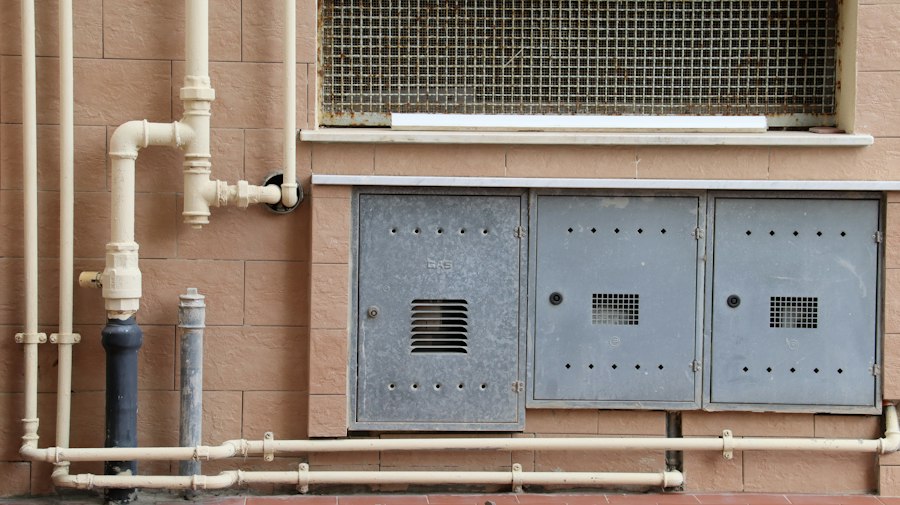
The condensate drain system is a deceptively simple yet vital part of your air conditioning setup. It’s comprised of a few key components working in concert to ensure that the water condensed on the evaporator coils is efficiently and safely removed from your home. Understanding these parts will help you appreciate its function and identify potential problems. When problems arise, it’s often because one of these components isn’t doing its job. Regular inspection and maintenance of this system are therefore paramount to preventing larger issues down the line. Ignoring it can lead to costly repairs and a compromised indoor environment.
The Condensate Pan and its Purpose
At the base of the evaporator coil, directly beneath it, you’ll find the condensate pan, also known as a drain pan. This shallow, often metal or plastic basin is the first point of contact for the water droplets that drip from the evaporator coils. Its primary purpose is to catch all the condensed water and funnel it towards the condensate drain line. The pan is typically sloped slightly towards the drain opening, ensuring gravity plays its part in guiding the water away. Without a condensate pan, the water would simply drip onto the internal components of your air handler, potentially causing rust, short circuits, or damage to the insulation. It acts as a crucial buffer, preventing immediate water damage within the unit. Many condensate pans also have a secondary overflow drain or a float switch. The secondary drain provides an alternative escape route if the primary drain becomes blocked. The float switch, on the other hand, is a safety device. If the water level in the pan rises too high due to a clog, the float switch will trigger, shutting off your air conditioner to prevent a catastrophic overflow. This is a critical safety feature that can save your home from significant water damage.
The Drain Line and its Pathway
From the condensate pan, a drain line extends outwards. This is typically a PVC pipe, though sometimes flexible tubing is used. Its job is to transport the collected water from the indoor unit to a disposal point. This disposal point can vary: most commonly, it’s routed outside your home, where it can drain into your yard or a storm sewer. In some cases, especially in multi-story buildings or specific plumbing configurations, the condensate drain might be connected to your home’s main plumbing system, leading to a sewer line or a sump pump. The slope of the drain line is critical. It needs to be pitched correctly, usually at a rate of about ¼ inch per foot, to allow gravity to effectively move the water along. If the slope is insufficient, water can pool in the line, creating an environment where algae and other debris can accumulate, leading to clogs. The length of the drain line also plays a role; longer runs can increase the likelihood of clogs due to the increased surface area and potential for sags. Understanding where your drain line terminates is important, as it can help in troubleshooting if you notice water pooling around your outdoor unit or in an unexpected location.
The P-Trap’s Role in Preventing Backflow and Odors
One often-overlooked but vital component of the condensate drain system is the P-trap, which is typically located just after the condensate pan and before the drain line exits the unit. This U-shaped section of pipe is designed to hold a small amount of water permanently. This standing water acts as a seal, preventing air from flowing back up the drain line into your home. This is important for two main reasons. Firstly, it prevents the entry of unpleasant odors that might be present in the drain line or the outdoor environment. Without the P-trap, you might notice musty or sewer-like smells emanating from your AC vents. Secondly, and perhaps more importantly for system operation, the P-trap prevents air from being sucked back into the system. If air were to enter the drain line, it could create a vacuum effect, hindering the proper flow of water from the condensate pan and potentially leading to backups. This seemingly simple curve in the pipe is a critical engineering solution that maintains system efficiency and air quality within your home.
Common Issues and How to Address Them
Like any component of a complex system, your air conditioner’s condensate drain is susceptible to problems. These issues, if left unaddressed, can escalate from minor inconveniences to significant damage. Fortunately, many of these problems are preventable with regular maintenance, and troubleshooting often involves straightforward solutions. Your proactive attention to this drain can save you considerable time, money, and discomfort.
Clogged Drains: The Most Frequent Culprit
By far, the most common issue with condensate drains is clogging. Over time, dust, dirt, mold, algae, and other debris can accumulate within the drain line and the condensate pan. This gunk creates blockages that impede the flow of water. When a clog occurs, water can no longer drain away effectively. This leads to the condensate pan overflowing, potentially causing water to back up into the air handler and leak into your home. Signs of a clogged drain include visible water pooling around your indoor unit, water stains on ceilings or walls near the air handler, or your AC system shutting off unexpectedly (if it has a safety float switch). Addressing a clogged drain typically involves clearing the blockage. This can sometimes be done with a wet/dry vacuum attached to the drain line’s exit point, or by carefully using a stiff but flexible wire or a plumber’s snake to dislodge the obstruction. In more stubborn cases, a professional might need to use compressed air or specialized cleaning solutions.
Algae and Mold Growth: A Damp Environment’s Nemesis
The consistent presence of moisture, combined with the organic particles that can enter the drain system, creates an ideal breeding ground for algae and mold. This growth can contribute to clogs, but it also poses a health risk. Mold spores released into the air can trigger allergies and respiratory problems for occupants. The presence of mold can also lead to a persistent musty odor throughout your home. Preventing algae and mold growth is primarily a matter of keeping the drain system clean. Regular flushing of the drain line with a specialized AC coil cleaner or a diluted bleach solution (follow manufacturer instructions carefully) can help inhibit growth. Ensuring good airflow within your home and addressing any underlying humidity issues can also help reduce the likelihood of mold development. Regular professional cleaning of the entire AC system, including the evaporator coils and drain pan, is the most effective way to combat this persistent problem.
Freezing of the Drain Line: A Seasonal Hazard
In colder climates, or if your AC unit is improperly installed or operating in very cold outdoor temperatures, the condensate drain line can freeze. This occurs when the temperature of the water in the drain line drops below freezing. A frozen drain line effectively creates a solid ice plug, preventing any water from escaping. When this happens, water will back up in the condensate pan, and if it continues to run, it can cause significant damage to the evaporator coil itself. Signs of a frozen drain line include no water dripping from your outdoor unit’s drain outlet (if it has one) and potentially ice visible around the indoor unit’s drain line connection. To address a frozen line, you’ll need to turn off your AC system and allow the ice to melt. This can be done by safely applying gentle heat to the affected area of the pipe, or by simply waiting for ambient temperatures to rise. Once thawed, it’s crucial to identify the cause of the freezing. This might involve ensuring the drain line has adequate slope, that the unit isn’t running in extremely cold outdoor temperatures without proper precautions, or that the line is adequately insulated.
Maintenance and Prevention: Keeping Your Drain System Healthy
The best way to deal with condensate drain problems is to prevent them from happening in the first place. Regular, proactive maintenance is the key to ensuring your drain system functions smoothly, keeping your AC unit efficient and your home comfortable and healthy. Think of it as a small investment of time that can save you from significant headaches and expenses down the road.
Regular Cleaning and Flushing
The most impactful preventative measure you can take is to regularly clean and flush your condensate drain line. This should ideally be done at least once a year, preferably at the beginning of the cooling season. You can purchase specialized AC drain pan tablets or liquid cleaners that help inhibit algae and mold growth. Alternatively, a diluted bleach solution (about 1 part bleach to 10 parts water) can be carefully poured into the condensate pan or directly into the drain line opening. Be sure to flush with clean water afterward. If you are uncomfortable performing this task yourself, or if you have a particularly complex drain system, hiring a qualified HVAC technician for an annual tune-up will ensure this crucial maintenance is performed correctly.
Inspecting for Leaks and Damage
During your regular maintenance, take a moment to visually inspect the entire condensate drain system. Look for any signs of leaks, cracks, or damage to the drain pan, the drain line, or the connections. Even a small leak can lead to water damage over time. Pay close attention to areas where the drain line passes through walls or floors, as these can be common spots for leaks to develop. Check the P-trap to ensure it’s intact and holding water. If you notice any signs of damage, it’s best to have it repaired promptly by a qualified professional. Early detection of minor issues can prevent them from becoming major problems.
Ensuring Proper Airflow and Humidity Control
While not directly part of the drain system itself, ensuring proper airflow within your home and managing indoor humidity levels can indirectly help keep your condensate drain healthy. Good airflow helps prevent stagnant air, which can contribute to mold and mildew growth. If your home is consistently too humid, your air conditioner will work harder, producing more condensation, which in turn puts more strain on the drain system. Using a dehumidifier when necessary, ensuring your bathroom and kitchen exhaust fans are working effectively, and addressing any sources of excess moisture in your home can all contribute to a healthier indoor environment and a more efficiently operating AC system. A well-maintained AC system, including its condensate drain, is a cornerstone of a comfortable and healthy home.
Understanding the function of an air conditioner condensate drain is essential for maintaining your HVAC system’s efficiency and preventing water damage. This drain plays a crucial role in removing the moisture that accumulates during the cooling process, ensuring that your unit operates smoothly. For a deeper dive into related topics, you might find this article on Freaky Science particularly insightful, as it explores various aspects of air conditioning systems and their maintenance.
The Broader Impact: Beyond Just Water Removal
| Metric | Description | Typical Value/Range | Importance |
|---|---|---|---|
| Function | Removes condensate (water) produced by the air conditioner’s evaporator coil | Continuous drainage during operation | Prevents water damage and mold growth |
| Condensate Volume | Amount of water drained daily | 0.5 to 5 gallons per day (varies by humidity and usage) | Indicates system efficiency and moisture removal |
| Drain Pipe Diameter | Size of the condensate drain line | 3/4 inch to 1 inch | Ensures proper flow and prevents clogging |
| Drain Slope | Angle of the drain pipe to allow gravity flow | 1/4 inch per foot (minimum) | Prevents standing water and blockages |
| Drain Line Material | Material used for the condensate drain pipe | PVC, CPVC, or copper | Durability and resistance to corrosion |
| Maintenance Frequency | How often the drain should be cleaned | Every 3 to 6 months | Prevents clogs and overflow |
| Common Issues | Problems related to condensate drain | Clogs, leaks, improper slope | Can cause water damage and system shutdown |
The role of the condensate drain extends far beyond simply removing excess water. Its efficient operation has a ripple effect on your home’s overall health, comfort, and even the longevity of your entire HVAC system. Ignoring this critical component can have consequences that you might not initially associate with a simple pipe. It’s a testament to how interconnected all the parts of your cooling system truly are.
Preventing Mold and Mildew Growth Indoors
As discussed, a malfunctioning or clogged condensate drain can lead to water backing up into your home. This creates the perfect environment for mold and mildew to thrive, especially in dark, damp spaces like attics, crawl spaces, and the interior of your air handler. Mold can spread rapidly, releasing spores into the air that can cause a variety of health issues, including allergies, asthma exacerbation, and other respiratory problems. The distinctive musty odor associated with mold can make your home unpleasant to live in. A properly functioning condensate drain is your first line of defense against these insidious growths, ensuring that excess moisture is removed safely and efficiently from your living environment. This contributes directly to better indoor air quality and a healthier home for you and your family.
Protecting Your Home’s Structure from Water Damage
The consequences of a leaking condensate drain can be devastating for your home’s structure. Water that pools in the condensate pan and overflows can seep into ceilings, walls, and flooring. This can lead to wood rot, the deterioration of insulation, damage to drywall, and even compromise the structural integrity of your home over time. In severe cases, extensive water damage can require costly repairs, including replacing damaged structural elements and finishes. Imagine a slow, persistent drip from a poorly drained AC unit; over weeks and months, this seemingly small issue can cause thousands of dollars in damage. The condensate drain, by effectively doing its job, prevents this insidious form of water damage from taking hold. It’s a crucial protector of your home’s most valuable asset.
Ensuring Optimal AC System Efficiency and Lifespan
A clogged or malfunctioning condensate drain can also negatively impact the overall efficiency and lifespan of your air conditioning system. When water backs up, it can hinder the performance of the evaporator coils, making them less effective at absorbing heat. This forces your AC unit to work harder and run longer to achieve the desired temperature, leading to increased energy consumption and higher utility bills. Furthermore, constant exposure to standing water and the potential for corrosion can shorten the lifespan of internal components. A clean and free-flowing condensate drain allows your AC system to operate at peak performance, ensuring it cools your home effectively while minimizing energy waste. This not only saves you money on your energy bills but also contributes to a longer operational life for your valuable HVAC equipment, delaying the need for expensive replacements.

Your AC Blows Hot Air Outside. Is That Heat From Your Room?
FAQs
What is an air conditioner condensate drain?
An air conditioner condensate drain is a component of an air conditioning system that is responsible for removing excess moisture, or condensate, that is produced during the cooling process.
How does an air conditioner condensate drain work?
The condensate drain collects the water that forms as a result of the air conditioning process and directs it away from the unit. This helps prevent water damage and mold growth.
Why is it important to maintain the air conditioner condensate drain?
Maintaining the condensate drain is crucial to ensure that the air conditioning system operates efficiently and effectively. A clogged or blocked condensate drain can lead to water leaks, reduced cooling capacity, and potential damage to the unit.
How can I prevent clogs in the air conditioner condensate drain?
Regular maintenance, such as cleaning the drain line and checking for any obstructions, can help prevent clogs in the condensate drain. Additionally, installing a condensate drain pan overflow switch can provide an extra layer of protection against water damage.
What are signs that the air conditioner condensate drain may be clogged?
Signs of a clogged condensate drain include water leaks around the air conditioning unit, musty odors, reduced cooling efficiency, and visible mold or mildew growth. If any of these signs are present, it is important to address the issue promptly to prevent further damage.