The Unsung Hero of Your Air Conditioner: Decoding the Evaporator Coil’s Role in Efficient Cooling
You’ve likely marveled at the cool, refreshing air your air conditioner expels on a sweltering summer day. You might have even casually attributed this comfort to the “AC unit” as a whole. But have you ever stopped to consider the intricate dance of thermodynamics and engineering that makes this possible? Tucked away within your indoor air handler, often hidden from view, lies a critical component: the evaporator coil. This unassuming metal maze is, in essence, the unsung hero of your efficient cooling system. Without its diligent work, the very concept of air conditioning as we know it would be rendered impossible. Its primary purpose, therefore, is not just to cool the air; it’s to achieve that cooling with the utmost efficiency, a task it performs through a fascinating physical process.
The evaporator coil is where the magic truly happens, where heat is siphoned away from your living spaces and banished to the outdoors. It’s a testament to ingenuity, a carefully designed system that leverages the fundamental principles of thermodynamics to transform your home into an oasis of comfort. Understanding its function is not merely an academic exercise; it empowers you to appreciate the technology that sustains your well-being and to potentially identify issues that might compromise its performance. So, let’s embark on a journey to demystify this vital component, exploring its design, its operational mechanics, and the profound impact it has on your home’s comfort and energy consumption.
The purpose of the evaporator coil is crucial in the refrigeration and air conditioning process, as it is responsible for absorbing heat from the indoor air, thereby cooling the environment. This component works in tandem with the compressor and condenser to facilitate the cycle of refrigerant, which is essential for maintaining comfortable temperatures in homes and buildings. For a deeper understanding of how evaporator coils function and their significance in HVAC systems, you can read more in this related article: Freaky Science.
How the Evaporator Coil Orchestrates Heat Transfer
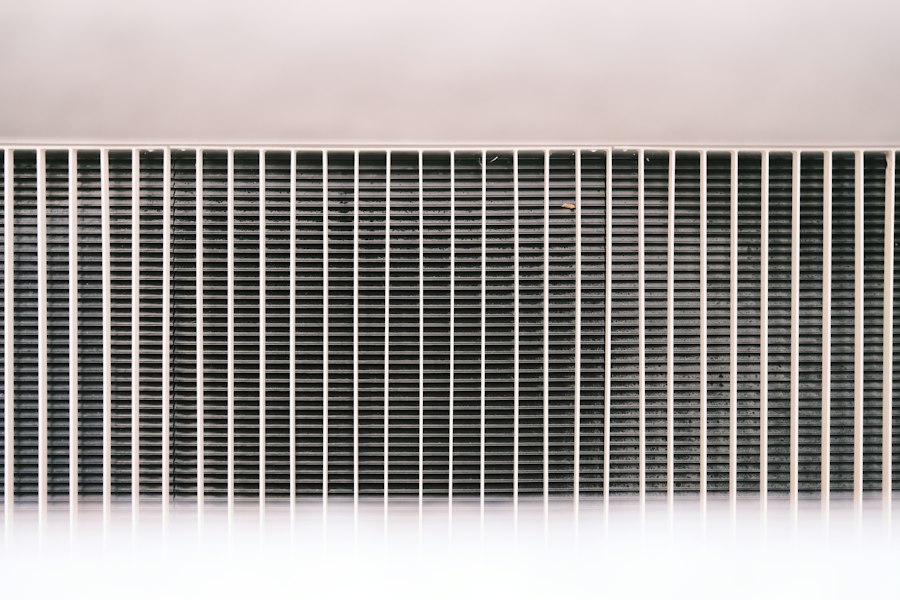
The evaporator coil’s primary role is to facilitate the transfer of heat from the air inside your home to the refrigerant circulating within the air conditioning system. This process is rooted in the principles of phase change and latent heat. When warm, humid indoor air is blown across the cold surface of the evaporator coil, a fascinating series of events unfolds. The refrigerant inside the coil, at this stage a low-pressure liquid, absorbs the heat from the air. This absorption of heat causes the refrigerant to transform from a liquid into a gas.
The Refrigerant’s Lifecycle: From Liquid to Gas and Back Again
The journey of the refrigerant is central to the evaporator coil’s function. In the evaporator coil, the refrigerant is deliberately kept at a low pressure. This low pressure significantly lowers its boiling point. Think of it like boiling water at a higher altitude; the water boils at a lower temperature because the atmospheric pressure is lower. Similarly, the refrigerant in the evaporator coil “boils” at a temperature well below room temperature, even when it’s relatively warm. As the warm air from your home passes over the coil, it transfers its thermal energy to the refrigerant. This energy input is precisely what’s needed to convert the liquid refrigerant into a gaseous state.
This phase transition from liquid to gas is not simply a change in form; it’s a process that requires and absorbs a substantial amount of energy. This energy is known as latent heat of vaporization. When the refrigerant absorbs heat from the air and vaporizes, it effectively “steals” that heat energy from the air. The air, having lost its heat energy, becomes cooler. This cooler air is then circulated back into your home, providing the refreshing relief you seek. The refrigerant, now a low-pressure gas, continues its journey through the AC system, ready to be compressed and prepared for another cycle of heat absorption.
The Crucial Role of Surface Area and Airflow
The design of the evaporator coil is optimized to maximize this heat transfer process. You’ll notice that evaporator coils are not simple, smooth tubes. Instead, they are typically composed of numerous small-diameter tubes arranged in a serpentine pattern, often with fins attached to the exterior of these tubes. This intricate design serves a vital purpose: to significantly increase the surface area available for heat exchange. The more surface area the refrigerant has in contact with the indoor air, the more efficiently heat can be absorbed.
Imagine trying to cool a room by holding a single small ice cube versus a large block of ice. The larger surface area of the block of ice will melt faster and absorb more heat from the surrounding air. The fins on the evaporator coil act like miniature radiators, further increasing the effective surface area. They are thin, conductive materials that are in direct contact with both the refrigerant tubes and the passing air. Airflow is equally critical. A properly functioning fan within your air handler is responsible for drawing the warm air from your home across the evaporator coil. The speed and volume of this airflow directly influence how much heat is transferred. Insufficient airflow means less warm air comes into contact with the coil, hindering the cooling process and reducing efficiency. Conversely, optimal airflow ensures that a consistent and substantial volume of warm air is exposed to the coil, maximizing heat absorption.
The Evaporator Coil’s Impact on Humidity Control
Beyond simply lowering the air temperature, the evaporator coil plays a surprisingly significant role in controlling the humidity levels within your home. This secondary function is a direct consequence of the cooling process and the principle of condensation. As the warm, humid air from your home is drawn across the cold surface of the evaporator coil, it cools down.
Condensation: Nature’s Way of Dehumidifying
When air cools, its capacity to hold moisture decreases. Think about a cold glass of water on a hot day; water droplets form on the outside of the glass. This is condensation. The same principle applies to your evaporator coil. As the indoor air is cooled below its dew point – the temperature at which it becomes saturated with moisture – the excess water vapor in the air condenses into liquid water on the cold surfaces of the coil.
This condensed water then drips off the coil and is collected in a drip pan, from which it is typically routed outside your home through a condensate drain line. This removal of liquid water from the air is the dehumidification process. Therefore, while your primary goal is cooling, your air conditioner is also actively removing moisture from your indoor environment, contributing to a more comfortable and less clammy atmosphere. High humidity can make even moderately warm temperatures feel much hotter, so the evaporator coil’s dehumidifying action is a crucial, albeit often overlooked, aspect of its overall performance.
The Interplay Between Temperature and Humidity Reduction
It’s important to understand that the cooling and dehumidifying functions of the evaporator coil are intrinsically linked. You cannot effectively achieve one without impacting the other. The colder the evaporator coil gets, the more it will dehumidify the air. However, there’s a delicate balance to be struck. If the coil gets too cold, it can lead to frost formation, which severely impedes airflow and heat transfer, reducing both cooling and dehumidification efficiency. This is why regular maintenance, including cleaning the evaporator coil, is so vital. A dirty coil acts as an insulator, preventing efficient heat transfer and can also lead to the formation of mold and mildew within the coil and drain pan, further compromising air quality and system performance.
Maintaining Peak Performance: The Evaporator Coil’s Health
The efficient operation of your air conditioning system hinges significantly on the health and cleanliness of its evaporator coil. Like any intricate mechanical component, it requires regular attention to perform at its best. Neglecting its maintenance can lead to a cascade of problems, diminishing cooling capacity, increasing energy consumption, and ultimately leading to costly repairs.
The Impact of Dirt and Debris: An Insulating Barrier
Over time, dust, dirt, pet dander, and other airborne particles can accumulate on the surface of the evaporator coil. These seemingly innocuous particles form an insulating barrier, hindering the coil’s ability to absorb heat from the air. Imagine trying to get warm by wrapping yourself in a thick blanket; the blanket is effective at trapping your body heat. Similarly, a layer of dirt on the evaporator coil traps the heat that the refrigerant needs to absorb, making the entire cooling process less effective.
This insulation not only reduces cooling performance but also forces your air conditioner to work harder to achieve the desired temperature. This increased workload translates directly to higher energy consumption and, consequently, higher utility bills. Furthermore, the trapped moisture from condensation on a dirty coil can create a breeding ground for mold, mildew, and bacteria, which can be released into your home’s air, impacting indoor air quality and potentially causing health issues for occupants.
Signs of a Troubled Evaporator Coil and the Importance of Professional Servicing
Recognizing the signs of a struggling evaporator coil can help you address issues before they become major problems. Some common indicators include a noticeable decrease in cooling performance, rooms that don’t cool evenly, and unusual noises coming from the indoor unit. You might also observe icy buildup on the refrigerant lines connected to the coil, a clear sign that the coil is too cold and not effectively absorbing heat. If you notice a persistent musty odor, it could also be an indication of mold or mildew growth on the coil.
Regular professional servicing by a qualified HVAC technician is paramount. During routine maintenance, the technician will thoroughly inspect and clean the evaporator coil, ensuring it’s free from debris and obstructions. They will also check refrigerant levels, inspect for leaks, and ensure proper airflow. This proactive approach not only maximizes your system’s efficiency and extends its lifespan but also helps prevent those dreaded summer breakdowns when you need your AC the most.
The evaporator coil plays a crucial role in the refrigeration cycle, as it is responsible for absorbing heat from the surrounding environment, which helps to cool the air in your home or office. Understanding its function can enhance your knowledge of HVAC systems and improve your ability to maintain them effectively. For a deeper insight into related topics, you might find this article on the science behind cooling systems particularly informative.
The Evaporator Coil’s Contribution to Energy Efficiency
| Metric | Description | Purpose |
|---|---|---|
| Heat Absorption | The evaporator coil absorbs heat from the indoor air. | To cool the air by removing heat and lowering indoor temperature. |
| Refrigerant Evaporation | Refrigerant inside the coil evaporates by absorbing heat. | To facilitate heat transfer from air to refrigerant for cooling. |
| Humidity Control | Condensation forms on the coil as warm air passes over it. | To remove moisture from the air, reducing indoor humidity. |
| Air Circulation | Air is blown over the coil to transfer heat efficiently. | To ensure continuous cooling and air conditioning effectiveness. |
| Temperature Regulation | Maintains desired indoor temperature by cooling air. | To provide comfort and maintain set thermostat levels. |
The evaporator coil is not just about comfort; it’s a cornerstone of your air conditioning system’s energy efficiency. Its ability to absorb heat effectively directly correlates with how much energy your AC unit consumes to cool your home. A well-functioning evaporator coil allows the refrigerant to absorb heat efficiently at lower pressures and temperatures, which means the compressor – the component that uses the most energy in an AC system – doesn’t have to work as hard.
The Link Between Coil Performance and Compressor Workload
The compressor’s job is to increase the pressure and temperature of the refrigerant gas so that it can release the absorbed heat in the outdoor condenser unit. If the evaporator coil is not effectively absorbing heat, the refrigerant entering the compressor will be at a higher temperature and lower pressure than it should be. To compensate for this, the compressor has to run for longer periods and at higher intensities to achieve the necessary pressure and temperature for heat rejection outdoors. This increased workload on the compressor is a significant drain on energy.
Conversely, when the evaporator coil is clean and performing optimally, the refrigerant readily absorbs heat, becoming a low-pressure gas at the desired temperature. This allows the compressor to operate more efficiently, using less electricity to achieve the same cooling output. Think of it as pushing a heavy object. If you have good traction and leverage (representing an efficient evaporator coil), the task is much easier and requires less effort than if you are struggling with slippery ground and awkward angles (representing a dirty or malfunctioning coil).
Optimizing Your System for Lower Energy Bills
Maximizing the efficiency of your evaporator coil is a direct pathway to lowering your energy bills. This involves several key practices. Firstly, as previously emphasized, regular cleaning and maintenance of the evaporator coil are non-negotiable. This ensures that the insulating layer of dirt does not impede heat transfer. Secondly, ensuring proper airflow is crucial. This means keeping air filters clean and replacing them according to manufacturer recommendations, and ensuring that vents and registers are not blocked by furniture or other obstructions.
Furthermore, ensuring that your home is well-insulated and sealed against air leaks will reduce the overall cooling load, meaning your AC system, and by extension your evaporator coil, won’t have to work as hard in the first place. Investing in a properly sized air conditioning system is also a factor in efficiency; an oversized system will short-cycle, leading to inefficient operation and uneven cooling, while an undersized system will struggle to meet demand, constantly running and stressing components like the evaporator coil. By understanding and prioritizing the health of your evaporator coil, you’re not just investing in comfort; you’re making a smart financial decision by reducing your energy consumption.
The Evaporator Coil: A Vital Component in Modern Comfort
In the grand scheme of your home’s climate control, the evaporator coil might not be the most visually prominent component, but its role in delivering efficient cooling is undeniably profound. It is the heart of the indoor cooling process, where the fundamental exchange of heat occurs, transforming warm, stagnant air into the refreshing breeze you desire. Its ability to leverage the principles of thermodynamics, particularly phase change and latent heat, is what makes modern air conditioning a reality.
Beyond simply lowering temperatures, the evaporator coil’s inherent function of condensing moisture from the air contributes significantly to indoor comfort by managing humidity levels. This dual action of cooling and dehumidifying creates a more pleasant and healthy indoor environment. The efficiency of this entire operation, however, is directly tied to the coil’s condition. A clean, unobstructed evaporator coil ensures that the refrigerant can perform its heat-absorbing duties without impedance, allowing the compressor to work less and conserving precious energy.
Therefore, you can consider the evaporator coil a silent, diligent worker, constantly engaged in the essential task of making your home a sanctuary from the heat. Its intricate design, coupled with the fundamental laws of physics, allows for the seamless transfer of unwanted heat, making your air conditioner not just a cooling machine, but an intelligent system for managing your indoor climate. Appreciating its function and ensuring its proper maintenance is not just about prolonging the life of your AC unit; it’s about ensuring the comfort, health, and energy efficiency of your home for years to come. It is, without question, a vital component in the pursuit of modern comfort.

Your AC Blows Hot Air Outside. Is That Heat From Your Room?
FAQs
What is an evaporator coil?
An evaporator coil is a key component in an air conditioning system that is responsible for absorbing heat from the indoor air.
How does the evaporator coil work?
The evaporator coil works by circulating refrigerant through the coil, which absorbs heat from the indoor air as it passes over the coil. This process cools the air before it is circulated back into the room.
What is the purpose of the evaporator coil in an air conditioning system?
The main purpose of the evaporator coil is to facilitate the cooling process in an air conditioning system by removing heat from the indoor air, resulting in a more comfortable indoor environment.
Why is it important to maintain the evaporator coil?
It is important to maintain the evaporator coil to ensure the efficient operation of the air conditioning system. A dirty or clogged evaporator coil can lead to reduced cooling efficiency, higher energy consumption, and potential system breakdowns.
How often should the evaporator coil be cleaned?
The evaporator coil should be cleaned at least once a year to maintain optimal performance. However, in environments with high dust or pet dander, more frequent cleaning may be necessary.