You’re probably sitting in your living room, enjoying the cool, conditioned air that your air conditioner provides. It’s a comfort you likely take for granted, a silent hum that keeps your home at a pleasant temperature no matter what the weather is doing outside. But have you ever stopped to wonder about the magic happening within that appliance? Specifically, you might have asked yourself, “Does the refrigerant in my air conditioner mix with the air in my home?” It’s a valid question, and one that touches upon important aspects of both HVAC system functionality and your home’s indoor air quality. Let’s delve into this topic and explore what you need to know.
Understanding the Refrigerant Cycle
To answer whether refrigerant mixes with your home’s air, you first need a basic understanding of how your air conditioner works. Think of your AC system as a closed-loop system. This loop is where a special fluid, the refrigerant, circulates. This refrigerant is the workhorse of your air conditioner, absorbing heat from inside your home and releasing it outside. This entire process is a continuous cycle, and the key to understanding its safety lies in how this cycle is designed to operate.
The Closed-Loop System Explained
Your air conditioner’s cooling cycle involves four primary components: the evaporator coil, the compressor, the condenser coil, and the expansion valve. The refrigerant flows through these components in a specific order, undergoing changes in pressure and temperature that facilitate the heat transfer process. Imagine the refrigerant as a tiny, incredibly efficient heat sponge. In your home, within the indoor unit, the evaporator coil is responsible for absorbing heat. As warm air from your house is blown across the cold evaporator coil, the refrigerant absorbs the heat from the air, causing it to evaporate from a liquid to a gas. This cooled air is then circulated back into your home. The gaseous refrigerant then travels to the compressor, which increases its pressure and temperature. From there, it moves to the outdoor unit, where the condenser coil releases the absorbed heat into the outside air. Finally, the refrigerant passes through the expansion valve, where its pressure and temperature drop significantly, preparing it to absorb more heat in the evaporator coil. This entire journey happens within a sealed network of copper tubing.
The Role of Refrigerant
Refrigerant isn’t just any old fluid; it’s specifically engineered to have a low boiling point, meaning it can easily transition between liquid and gas states at the operating pressures and temperatures within your HVAC system. Older systems used refrigerants like R-22 (Freon), which are now being phased out due to their environmental impact. Newer systems utilize refrigerants like R-410A, which are considered more environmentally friendly. Regardless of the specific type, the fundamental principle remains the same: it’s the refrigerant’s ability to absorb and release heat through phase changes that allows your air conditioner to cool your home. The sealed nature of the system is paramount to its efficient operation and, crucially, its safety.
If you’re curious about how refrigerants interact with the air in your home, you might find the article on the science of air conditioning systems particularly enlightening. It delves into the properties of refrigerants and their behavior in various environments, helping you understand whether they mix with the air in your living space. For more information, you can read the article here: Freaky Science.
Is Refrigerant Present in Your Home’s Air?
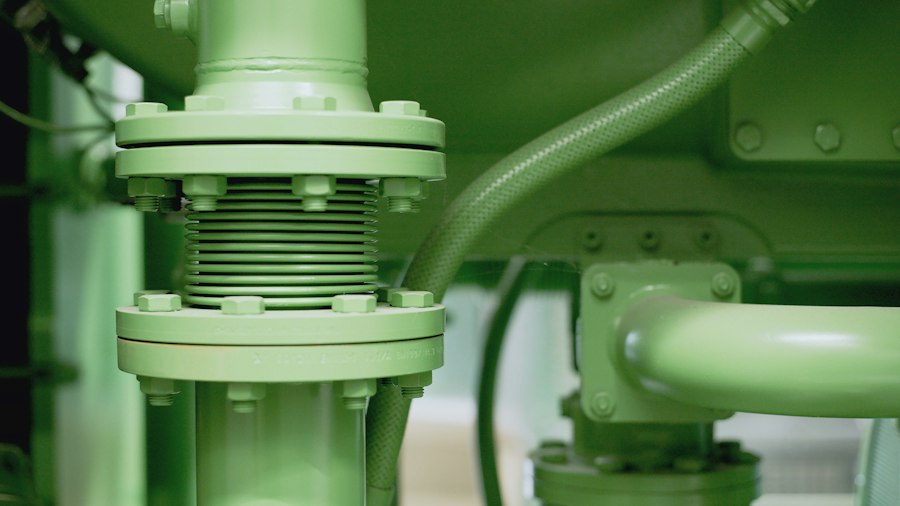
The direct answer to whether refrigerant mixes with the air in your home is generally no, not under normal operating conditions. Your air conditioner is designed as a sealed system. This means the refrigerant is contained within a network of copper or aluminum tubing, completely isolated from the air that circulates through your home. The air you breathe is drawn from your living space, passed over the evaporator coil, and then returned. At no point should the refrigerant escape from its designated tubing and enter this airflow.
The Seal of the System
Think of the tubing within your air conditioner like the blood vessels in your body. They carry a vital fluid, but they are designed to keep that fluid contained. Similarly, the refrigerant lines in your AC are meticulously sealed. Every joint, every connection, is designed to be hermetically sealed, preventing any leakage. This robust design is crucial for several reasons: it ensures the refrigerant stays within the system to do its job effectively, it prevents the escape of potentially harmful substances, and it maintains the pressure necessary for the cooling cycle to function. The integrity of this seal is the primary safeguard against refrigerant contamination of your indoor air.
Normal Operation vs. Potential Leaks
During the normal, everyday operation of your air conditioner, the refrigerant remains entirely confined within its sealed system. You are breathing the air that has been conditioned, but not mixed with, the refrigerant. The only scenario where refrigerant might enter your home’s air is if there is a leak in the system. These leaks are typically caused by wear and tear, damage to the tubing, or faulty installation. However, even in the event of a leak, the amount of refrigerant that might escape into your home’s air is usually very small. Modern refrigerants are also designed to be less harmful than older ones, but any leakage is still a problem that needs to be addressed.
Signs and Symptoms of Refrigerant Leaks
While the likelihood of refrigerant mixing with your air is low, it’s important to be aware of the signs that might indicate a leak. Recognizing these symptoms can help you identify a problem early and prevent more significant issues, both with your AC system and potentially with your indoor air quality. A refrigerant leak is not just an efficiency problem; it can also be a safety concern, depending on the type of refrigerant and the extent of the leak.
Declining Cooling Performance
One of the most common and noticeable signs of a refrigerant leak is a significant drop in your air conditioner’s cooling performance. If your AC is running, but your home isn’t getting as cool as it used to, or if certain rooms are much warmer than others, a refrigerant leak could be the culprit. The refrigerant is what absorbs the heat, so when there’s less of it circulating, the system simply can’t remove heat from your home as effectively. You might find yourself constantly turning down the thermostat, only to experience minimal relief.
Unusual Noises or Smells
While not always present, some refrigerant leaks can be accompanied by unusual noises or smells. You might hear a hissing or bubbling sound coming from your indoor or outdoor unit, which can indicate escaping refrigerant. Some older refrigerants had a slightly sweet odor, and while this is less common with modern refrigerants, any unusual, persistent smell from your AC system warrants investigation. If you notice a strange odor, it’s best to turn off your AC and call a professional.
Ice Buildup on Coils
Another tell-tale sign of a refrigerant leak is the formation of ice on the evaporator coil, located inside your indoor unit. The evaporator coil needs a certain amount of refrigerant to operate correctly and absorb heat. When the refrigerant level drops due to a leak, the coil can get too cold, causing moisture in the air to freeze onto it. This ice buildup further hinders the AC’s ability to cool and can even lead to damage to the unit if left unaddressed. You might notice a visible frost or ice layer on the coil if you can safely access it, or you might notice that your AC is blowing air that feels damp or lukewarm despite the unit running.
Increased Energy Bills
As your air conditioner struggles to maintain the desired temperature due to a refrigerant leak, it will have to work harder and longer. This increased workload translates directly into higher energy consumption and, consequently, higher electricity bills. If you notice a sudden and unexplained spike in your energy costs, especially during the cooling season, it’s worth investigating potential issues with your HVAC system, including refrigerant leaks.
What Happens if Refrigerant Escapes?
If a refrigerant leak does occur, and a small amount of refrigerant escapes into your home, it’s important to understand the potential implications. Modern refrigerants are generally considered less toxic than older formulations, but any release of these chemicals should be taken seriously. The concentration of refrigerant in your home’s air would likely be very low, but awareness is key.
Health Considerations of Refrigerants
The health effects of refrigerant exposure depend heavily on the type of refrigerant, the concentration, and the duration of exposure. Older refrigerants like R-22 could pose more significant health risks if inhaled in large quantities, potentially leading to dizziness, headaches, or even more severe respiratory issues. Newer refrigerants, such as R-410A, are generally considered non-toxic and non-flammable, but inhaling very high concentrations could still displace oxygen and pose a suffocation risk in an enclosed space. In most home leak scenarios, the concentration is unlikely to reach dangerous levels, but it’s always best to err on the side of caution. If you suspect a leak, it’s advisable to ventilate the area and consult a professional.
Environmental Impact
Beyond immediate health concerns, refrigerant leaks also have an environmental impact. Many refrigerants, especially older ones, are potent greenhouse gases that contribute to climate change if released into the atmosphere. Even newer refrigerants, while less harmful, still have some environmental implications. For this reason, regulations are in place to minimize refrigerant releases, and HVAC technicians are trained to handle these substances responsibly. Repairing leaks promptly is not only good for your AC’s performance but also for the planet.
When considering the efficiency of your home’s cooling system, it’s important to understand how refrigerants interact with the air in your environment. Many homeowners wonder if refrigerants mix with the air, which can affect both comfort and safety. For a deeper insight into this topic, you can read a related article that explores the properties of refrigerants and their impact on indoor air quality. This information can help you make informed decisions about your HVAC system and its maintenance. To learn more, check out this informative piece on refrigerants and air quality.
Repairing and Maintaining Your AC System
| Metric | Value | Unit | Notes |
|---|---|---|---|
| Refrigerant Vapor Pressure | 100 – 300 | psi | Typical operating pressure range in HVAC systems |
| Air Composition | 78% N2, 21% O2, 1% other gases | Percentage | Standard atmospheric air composition |
| Refrigerant Solubility in Air | Very Low | Qualitative | Refrigerants do not significantly mix or dissolve in air |
| Refrigerant Density (R-410A) | 4.8 | kg/m³ | At 25°C and atmospheric pressure |
| Air Density | 1.2 | kg/m³ | At 25°C and atmospheric pressure |
| Leak Detection Threshold | 0.1 | ppm | Minimum detectable refrigerant concentration in air |
| Health Exposure Limit (OSHA PEL) | 1000 | ppm | Permissible exposure limit for some refrigerants |
The best way to ensure that refrigerant does not mix with your home’s air is through regular maintenance and prompt repair of any issues. Your air conditioner is a complex piece of machinery, and like any machine, it requires care to function optimally and safely. Investing in proper upkeep can save you money, prevent discomfort, and most importantly, ensure your indoor air quality remains unaffected.
The Importance of Professional Maintenance
Scheduling regular maintenance appointments with a qualified HVAC technician is crucial. During these appointments, the technician will inspect your entire system, including checking for any signs of leaks in the refrigerant lines. They will also clean coils, check electrical connections, and ensure all components are functioning correctly. This proactive approach can identify potential problems before they escalate into major issues, such as significant refrigerant leaks. Think of it as a health check-up for your AC.
What to Do in Case of a Suspected Leak
If you suspect a refrigerant leak in your home – perhaps you notice the symptoms mentioned earlier, like reduced cooling or unusual noises – the first and most important step is to turn off your air conditioner. Then, contact a licensed HVAC professional immediately. Do not attempt to repair a refrigerant leak yourself. Refrigerants are pressurized substances, and mishandling them can be dangerous and environmentally damaging. A professional technician has the specialized tools, knowledge, and licensing to safely diagnose the leak, repair the damaged component, and recharge the system with the correct amount of refrigerant. They will also ensure the system is properly sealed before refilling it.
Choosing the Right Refrigerant for Replacements
If your AC system requires a refrigerant recharge due to a leak or if it’s an older unit that uses an older refrigerant being phased out, your technician will discuss the appropriate refrigerant options with you. They will consider the type of system you have, its age, and environmental regulations to recommend the safest and most efficient choice. It’s essential to use only the manufacturer-specified or an approved equivalent refrigerant to ensure the system operates correctly and safely.
In conclusion, you can generally rest assured that the refrigerant in your air conditioner does not mix with the air in your home. The system is designed as a sealed loop to prevent this from happening. However, being aware of the potential signs of a refrigerant leak and understanding the importance of professional maintenance and prompt repairs are key to maintaining both the efficient operation of your AC and the safety and quality of your indoor environment. Your comfort depends on a well-functioning, sealed system, and a little bit of awareness goes a long way.

Your AC Blows Hot Air Outside. Is That Heat From Your Room?
FAQs
1. Can refrigerant mix with the air in your home?
No, refrigerant used in air conditioning systems is contained within a closed loop system and does not mix with the air in your home.
2. Is it safe to breathe in refrigerant from an air conditioning unit?
No, refrigerant can be harmful if inhaled and should not be breathed in. It is important to have a professional handle any refrigerant-related issues.
3. What are the potential health risks of exposure to refrigerant?
Exposure to refrigerant can cause symptoms such as dizziness, headaches, nausea, and in severe cases, can lead to asphyxiation or frostbite if it comes into contact with skin.
4. How can you tell if there is a refrigerant leak in your air conditioning system?
Signs of a refrigerant leak include reduced cooling efficiency, hissing or bubbling noises near the unit, ice buildup on the refrigerant lines, or a noticeable decrease in airflow.
5. What should you do if you suspect a refrigerant leak in your air conditioning system?
If you suspect a refrigerant leak, it is important to contact a professional HVAC technician to inspect and repair the issue. Attempting to handle refrigerant without proper training can be dangerous and is not recommended.