## The Whirring Wonder: Unpacking Your AC’s Outdoor Unit
You’ve flipped the switch, and a wave of cool air washes over your living room. It’s a welcome relief on a sweltering day, and you probably don’t give your air conditioning system much thought beyond its ability to make your home comfortable. But have you ever paused to consider the noisy, metal box humming away outside your window? That’s the outdoor unit, also known as the condenser unit, and its primary role is crucial to the entire cooling process. You might be thinking, “Is it actually getting rid of the heat that’s bothering me inside?” The short answer, and the one we’ll explore in detail, is a resounding yes. Your AC’s outdoor unit is the hardworking hero, expelling the captured heat from your home into the ambient air outside. It’s a complex dance of thermodynamics and mechanics, and understanding its function will not only demystify its operation but also help you appreciate its vital contribution to your indoor comfort. We’ll delve into how it works, what you should be looking for, and why its seemingly simple task is so incredibly effective at lowering your indoor temperature.
If you’re curious about how outdoor AC exhaust affects indoor temperatures, you might find this related article insightful. It explores the mechanics of air conditioning systems and their impact on energy efficiency and comfort levels within your home. For more information, you can read the full article here: Understanding Outdoor AC Exhaust.
## The Heart of the Matter: How Your AC Moves Heat

The fundamental principle behind how your air conditioner cools your home is not about creating cold, but rather about removing heat. Think of it like a sponge; it doesn’t generate water, it absorbs it. Your AC system works similarly by absorbing heat from the air inside your house and transferring it outside. This process is facilitated by a refrigerant, a special fluid that circulates through your AC system.
### The Refrigerant’s Cycle: From Indoor Coils to Outdoor Discharge
The journey of heat removal begins inside your home, with the indoor unit, also known as the evaporator unit. Here, a fan draws warm indoor air across a set of cold coils. These coils contain the refrigerant in a low-pressure liquid state. As the warm air passes over these cold coils, the heat from the air is absorbed by the refrigerant, causing it to evaporate into a low-pressure gas. This is the first crucial step in heat extraction. The now-cooled air is then blown back into your living space.
The refrigerant, now warm and in a gaseous state, then travels through insulated copper lines to the outdoor unit. This is where the magic of heat expulsion truly takes place. The outdoor unit houses several key components: a compressor, a condenser coil, and a fan. The compressor is the powerhouse of the system; it compresses the low-pressure refrigerant gas into a high-pressure, high-temperature gas. This compression is what significantly increases the refrigerant’s temperature, making it hotter than the outside air.
Next, this hot, high-pressure gas flows through the condenser coil. This coil is essentially a network of tubes with fins, designed to maximize surface area for heat exchange. The fan on the outdoor unit blows ambient outside air across these condenser coils. Because the refrigerant inside the coils is hotter than the outside air, heat naturally transfers from the refrigerant to the surrounding air. As the refrigerant loses heat, it condenses back into a high-pressure liquid. This is the point where the heat that was absorbed from inside your home is being actively released into the atmosphere.
Finally, this high-pressure liquid refrigerant travels back to the indoor unit, where it passes through an expansion valve. This valve reduces the pressure and temperature of the refrigerant, preparing it to absorb more heat from your indoor air, and the cycle begins anew. So, when you see your outdoor AC unit blowing hot air, it’s not malfunctioning; it’s actively working to discharge the heat it has collected from your home. The stronger the airflow and the hotter the air it expels, the more efficiently it’s doing its job.
## Visualizing the Exchange: What You See and Feel Outside
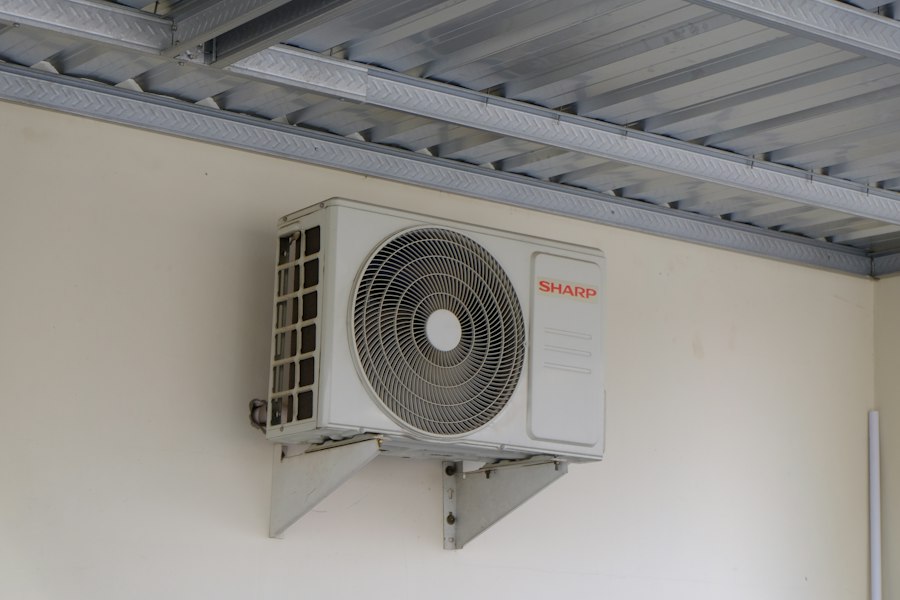
The outdoor unit’s operation is quite visible and palpable. If you stand near it on a warm day while your AC is running, you’ll immediately notice two things: the loud whirring sound and the stream of hot air being expelled. This hot air is the direct result of the heat transfer process we’ve discussed. The refrigerant, having absorbed the warmth from your indoor environment, is now shedding that heat into the surrounding air.
### The Airflow Phenomenon: A Constant Breeze of Heat
The fan in the outdoor unit is designed to draw in outside air and force it across the condenser coils. This airflow is critical for efficient heat dissipation. Without it, the heat would build up around the coils, making it difficult for the refrigerant to release its absorbed heat. Think of it like trying to cool yourself by fanning yourself with a hot cloth – it wouldn’t be very effective. The fan ensures a constant supply of cooler ambient air to absorb the heat from the refrigerant. You can often feel this air being pushed outwards, creating a noticeable breeze. The temperature of this expelled air will be significantly warmer than the surrounding environment, especially on very hot days. This is a sign that your AC is working diligently to keep your home cool.
### The Temperature Differential: The Key to Cooling
The effectiveness of your AC’s outdoor unit hinges on the temperature differential between the refrigerant inside the condenser coils and the ambient outside air. For the heat to transfer from the refrigerant to the outside air, the refrigerant must be hotter. The greater this temperature difference, the faster and more efficiently heat is expelled. This is why, on exceptionally hot days, your AC might seem to be working harder, and the air it expels might feel even hotter. The system is struggling to maintain a significant temperature difference when the ambient air is already very warm. Conversely, on milder days, the temperature differential is easier to achieve, and the expelled air might not feel as intensely hot. This isn’t an indication of poor performance; it simply reflects the prevailing environmental conditions and the physics of heat transfer.
## Factors Influencing Outdoor Unit Effectiveness
While the core mechanism of heat expulsion is consistent, several factors can influence how effectively your outdoor AC unit performs its duty. Understanding these elements can help you troubleshoot potential issues and ensure optimal performance.
### Obstructions and Airflow Restrictions
One of the most common and easily preventable issues is anything that obstructs the airflow around the outdoor unit. This includes overgrown vegetation, debris such as leaves and twigs, or even items placed too close to the unit. The fan needs unobstructed access to draw in air and expel the hot exhaust. If the unit is surrounded by dense bushes or has accumulated a significant amount of debris on its fins, the airflow will be restricted. This forces the fan to work harder, leading to reduced efficiency and potentially damaging stress on the compressor. It also means that the heat is not being expelled as effectively, leading to warmer air being recirculated back into the condenser, further hindering cooling. Regular cleaning and ensuring a clear perimeter around the unit are vital for maintaining its efficiency.
### Refrigerant Levels and System Integrity
The refrigerant is the lifeblood of your AC system. If the refrigerant levels are too low (due to a leak) or too high (due to improper charging), it can significantly impact the outdoor unit’s ability to dissipate heat. Low refrigerant levels mean there isn’t enough fluid to absorb and transport the heat effectively. This can lead to the refrigerant not reaching the correct pressure and temperature within the system, making it less efficient at releasing heat to the outside air. Similarly, if the refrigerant is overcharged, it can also lead to elevated pressures and temperatures, making heat transfer more difficult. If you suspect a refrigerant issue, it’s crucial to call a qualified HVAC technician. Tampering with refrigerant can be dangerous and can further damage your system.
### Ambient Temperature and Humidity
As mentioned earlier, the outside temperature and humidity play a significant role in the outdoor unit’s effectiveness. On extremely hot and humid days, the temperature differential between the refrigerant and the ambient air is smaller, making it harder for heat to transfer. The system has to work overtime to achieve the desired indoor temperature. In very high humidity environments, the air is already saturated with moisture, which can also impede the efficiency of the condenser coils. While you cannot control the weather, understanding this limitation can help you set realistic expectations for your AC’s performance during peak heat waves.
When considering the efficiency of your air conditioning system, it’s essential to understand how outdoor AC units expel heat from inside your home. This process not only helps maintain a comfortable indoor temperature but also impacts energy consumption. For a deeper insight into the mechanics of air conditioning systems and their environmental effects, you can read a related article on this topic at Freaky Science. Understanding these principles can help you make informed decisions about your cooling needs.
## Troubleshooting Common Outdoor Unit Issues
| Metric | Description | Typical Value | Unit |
|---|---|---|---|
| Heat Exhausted Outdoors | Amount of heat expelled by the outdoor AC unit | 3,500 – 5,000 | BTU/hr |
| Indoor Heat Removed | Heat extracted from inside the building | 3,000 – 4,500 | BTU/hr |
| Energy Efficiency Ratio (EER) | Ratio of cooling output to electrical input | 8 – 12 | BTU/Watt-hour |
| Outdoor Unit Temperature Rise | Temperature increase of air discharged by outdoor unit | 10 – 20 | °F |
| Indoor Unit Temperature Drop | Temperature decrease of air inside after cooling | 15 – 25 | °F |
| Heat Transfer Efficiency | Percentage of indoor heat effectively transferred outdoors | 85 – 95 | % |
When your AC isn’t cooling effectively, the outdoor unit is often the first place to look for potential problems. Recognizing common issues can save you time and money on service calls.
### Signs of a Struggling Unit: Beyond Just Hot Air
While the outdoor unit is supposed to expel hot air, if the air being expelled is exceptionally hot, or if the unit seems to be running constantly without cooling your home, it could indicate a problem. Other signs include unusual noises like grinding or hissing, ice forming on the refrigerant lines connected to the outdoor unit, or a noticeable decrease in airflow from your indoor vents. If you notice any of these symptoms, it’s time to investigate further.
### Simple Checks You Can Perform
Before calling a professional, there are a few simple checks you can do. First, ensure there are no obstructions around the outdoor unit, as discussed earlier. Check the air filter inside your home; a dirty filter can restrict airflow to the evaporator coil, indirectly affecting the outdoor unit’s performance. Visually inspect the outdoor unit for any obvious damage or leaks. Make sure the power switch for the outdoor unit is in the “on” position. If you have a programmable thermostat, ensure it’s set correctly for cooling mode.
### When to Call a Professional HVAC Technician
If you’ve performed the basic checks and your AC is still not cooling, or if you suspect more complex issues like refrigerant leaks, compressor problems, or electrical faults, it’s time to call a qualified HVAC technician. They have the specialized tools and knowledge to diagnose and repair a wide range of problems. Attempting to fix complex issues yourself can be dangerous and can lead to further damage to your system. Always prioritize safety and professional expertise when dealing with your AC. A technician can accurately assess refrigerant levels, check for leaks, test electrical components, and ensure your system is running at optimal efficiency, guaranteeing that your outdoor unit is effectively removing heat from your home.
## The Bottom Line: Your Outdoor Unit is the Heat Exporter
To reiterate, your air conditioner’s outdoor unit is not just a noisy appendage; it is the critical component responsible for expelling the heat it has meticulously extracted from your indoor environment. It’s the heat exporter, the silent (well, not so silent) workhorse that makes your home a cool sanctuary on even the hottest days.
### Understanding the Heat Transfer Process
The entire cooling process hinges on the thermodynamic principle of heat transfer. Your AC doesn’t generate cold; it moves heat. The refrigerant acts as a carrier, absorbing heat from your indoor air and then releasing it outside. The outdoor unit is where this release happens, facilitated by the compressor and the condenser coil, with the fan ensuring a constant flow of air to aid in the dissipation. When you feel that blast of hot air from your outdoor unit, understand that it’s not waste heat; it’s the heat that was making your living room uncomfortable, now being returned to the atmosphere.
### Maintaining Efficiency for Lasting Comfort
The efficiency of this heat expulsion directly impacts your home’s comfort and your energy bills. A well-maintained outdoor unit, free from obstructions and operating with the correct refrigerant levels, will cool your home more effectively and consume less energy. Regular cleaning, occasional professional inspections, and prompt attention to any signs of trouble are investments in your ongoing comfort and the longevity of your air conditioning system. So, the next time you feel that cool breeze indoors, take a moment to appreciate the tireless efforts of the whirring wonder outside. It’s working hard to keep you comfortable, by diligently removing heat from your home.
Your AC Blows Hot Air Outside. Is That Heat From Your Room?
FAQs
1. What is outdoor AC exhaust?
Outdoor AC exhaust refers to the hot air that is expelled from an air conditioning unit to release the heat that has been removed from inside a building.
2. Does outdoor AC exhaust contain the heat from inside a building?
Yes, outdoor AC exhaust contains the heat that has been removed from inside a building by the air conditioning unit. The hot air is released outside to maintain a comfortable temperature indoors.
3. How does outdoor AC exhaust help cool a building?
Outdoor AC exhaust helps cool a building by transferring the heat from inside to the outside environment. The air conditioning unit absorbs the heat indoors and releases it outside through the exhaust, allowing the interior to remain cool.
4. Is outdoor AC exhaust harmful to the environment?
While outdoor AC exhaust does release heat into the environment, it is not considered harmful in terms of air quality or pollution. The primary concern is energy efficiency and the impact on electricity consumption.
5. Can outdoor AC exhaust impact the temperature outside a building?
Outdoor AC exhaust can impact the temperature immediately surrounding the building where the unit is located, as it releases hot air into that area. However, the overall impact on the outdoor temperature in a larger area is minimal.