You’re sitting in your living room, and the summer heat is relentless outside. A flick of a switch, a whirring sound, and suddenly, cool air begins to fill the space, offering blessed relief. But have you ever stopped to wonder exactly how that magic happens? How does your home air conditioner transform stifling, humid air into the refreshing breeze you enjoy? It’s a fascinating process, rooted in some fundamental principles of physics and chemistry, and it’s not as complicated as you might think. Let’s break it down, step by step, so you can understand the ingenious system that keeps you comfortable.
The Heart of the Cool: Understanding Refrigerant and Phase Change
At the core of every air conditioner’s operation is a special fluid called a refrigerant. You won’t find this in your kitchen; it’s a chemical compound specifically designed to absorb and release heat efficiently as it changes from a liquid to a gas and back again. This constant cycle of transformation is the secret sauce of air conditioning.
How Refrigerant Absorbs Heat: The Evaporator Coil
Imagine the refrigerant as a heat sponge. Inside your air conditioner, specifically in the indoor unit, there’s a component called the evaporator coil. This coil is a network of thin metal tubes filled with cold, low-pressure liquid refrigerant. As the warm air from your home is drawn into the air conditioner (we’ll get to that fan later), it passes over these cold coils. The heat from the air is transferred to the refrigerant. This absorption of heat causes the liquid refrigerant to absorb energy and turn into a gas. This is similar to how water evaporates and turns into steam when heated. The key difference here is that the refrigerant is designed to do this at very low temperatures, meaning it can absorb heat even from the relatively cool air in your home. As the refrigerant absorbs the heat and becomes a gas, the air passing over the coils cools down. This now-cool air is what gets blown back into your home, lowering the room temperature.
How Refrigerant Releases Heat: The Condenser Coil
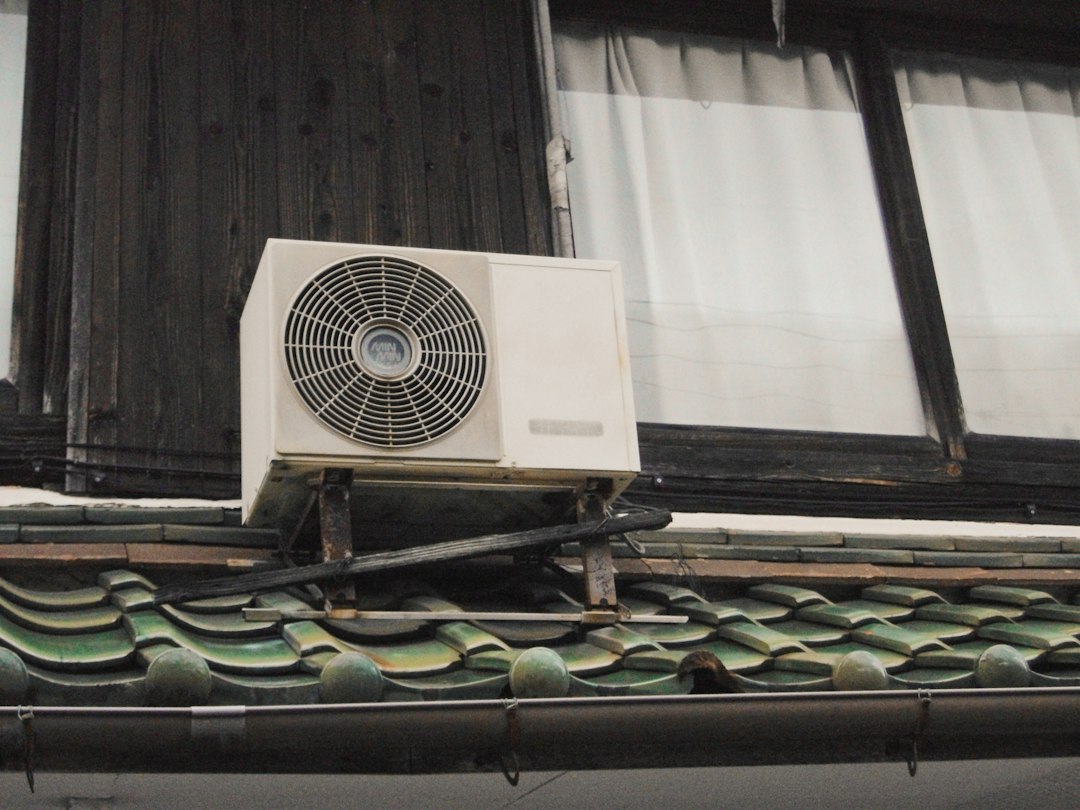
Once the refrigerant has absorbed all the heat it can from your indoor air, it’s a warm, low-pressure gas. This gas then travels through a system of pipes to the outdoor unit of your air conditioner. Here, it enters another set of coils called the condenser coils. These coils are designed to release the absorbed heat into the outside air. A powerful fan in the outdoor unit blows ambient air across the condenser coils, carrying the heat away from the refrigerant. As the refrigerant loses heat, it cools down and condenses back into a high-pressure liquid. This process is akin to steam turning back into water when it cools. It’s crucial that this heat is effectively released outdoors, otherwise, the cycle wouldn’t be able to cool your indoor air effectively.
Understanding how a home air conditioner works can be quite fascinating, as it involves principles of thermodynamics and fluid mechanics. For a deeper dive into the science behind air conditioning systems and their components, you can check out this related article that explains the various parts and processes involved in cooling your home. To learn more, visit this article.
The Plumbing and Pumping: How the Refrigerant Circulates
The refrigerant doesn’t just magically move around. A precisely engineered system of pipes and a compressor ensures its continuous journey through the cooling cycle. Think of it as the circulatory system of your air conditioner.
The Compressor: The Engine of the Cycle
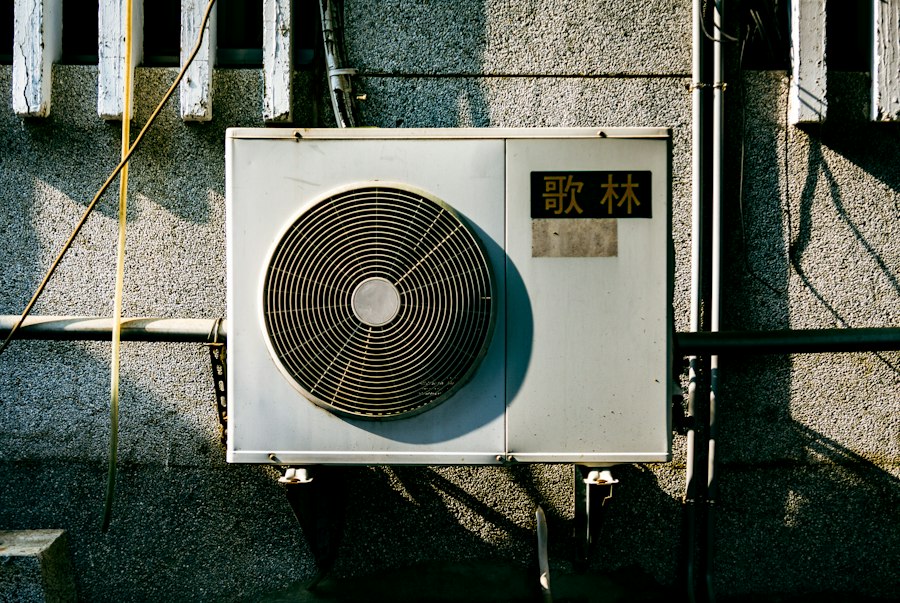
The compressor, usually located in the outdoor unit, is the powerhouse of the air conditioning system. Its job is to compress the refrigerant gas. When the refrigerant gas enters the compressor, it’s squeezed into a smaller volume. This compression increases both its pressure and its temperature significantly. This hot, high-pressure gas is then pushed towards the condenser coils, where it can efficiently release its heat to the outside air. Without the compressor, the refrigerant wouldn’t be able to circulate effectively or reach the high pressures and temperatures needed to expel heat outdoors. It’s essentially the pump that drives the entire cooling process.
The Expansion Valve: Regulating Flow and Pressure
After the refrigerant has condensed back into a liquid in the outdoor unit, it needs to be prepared to absorb heat again. This is where the expansion valve (sometimes called a throttling device) comes into play, typically located just before the evaporator coil in the indoor unit. The expansion valve’s role is to reduce the pressure and temperature of the liquid refrigerant. As the high-pressure liquid refrigerant passes through the narrow opening of the expansion valve, it suddenly expands, causing its pressure and temperature to drop dramatically. This creates the cold, low-pressure liquid refrigerant that is ready to enter the evaporator coil and start absorbing heat from your home’s air once again. This precise control of pressure and flow is vital for maintaining the correct temperature difference needed for efficient cooling.
Air Movement: Fans, Filters, and the Delivery of Coolness
While the refrigerant cycle handles the cooling itself, you wouldn’t feel any relief without the system that moves the air. Fans are essential components that facilitate both the intake of warm air and the delivery of cooled air.
The Blower Fan: Circulating Indoor Air
Inside your indoor air handler unit, a blower fan plays a crucial role. This fan is responsible for drawing the warm, humid air from your living spaces into the air conditioner. It pulls this air through a filter, which is important for removing dust, pollen, and other airborne particles. Once the air has passed over the cold evaporator coils and been cooled, the same blower fan pushes this now-conditioned air back out into your home through a network of ducts. The speed and power of this fan directly impact how quickly and effectively your home cools down. A well-functioning blower fan ensures consistent and even distribution of cool air throughout your house.
The Outdoor Fan: Dissipating Heat
As mentioned earlier, the outdoor unit also has a fan. This fan’s primary purpose is to draw ambient air across the hot condenser coils. By constantly moving air over these coils, it helps to dissipate the heat that the refrigerant has absorbed from your home. Without this outdoor fan, the condenser coils would quickly become saturated with heat, and the refrigerant wouldn’t be able to release its absorbed heat efficiently. This would lead to a significant drop in cooling performance and could even cause the air conditioner to overheat and shut down.
Dehumidification: More Than Just Cooling
One of the often-overlooked benefits of your air conditioner is its ability to dehumidify your home. This is a direct byproduct of the cooling process and plays a significant role in your comfort.
The Condensation Process: Removing Moisture from the Air
As the warm, humid air from your home passes over the cold evaporator coils, something else happens besides just the cooling of the air. The temperature of the evaporator coils is often below the dew point of the air. The dew point is the temperature at which water vapor in the air begins to condense into liquid water. So, as the moist air comes into contact with the cold coils, the water vapor in the air turns into liquid water, much like condensation forms on a cold glass of iced tea on a humid day. This condensed water drips off the coils and is collected in a drip pan. From the drip pan, it’s typically routed through a drain line and expelled from your home, often outdoors. This removal of moisture from the air is what makes your home feel so much more comfortable on a hot, humid day. You’re not just getting cooler air; you’re getting drier air, which feels significantly more pleasant.
Understanding how a home air conditioner works can greatly enhance your ability to maintain a comfortable living environment. For a deeper dive into the science behind cooling systems, you might find this article on air conditioning principles particularly insightful. It explains the various components and processes involved in cooling your home effectively. If you’re curious about the technical aspects and want to explore more, check out this informative piece on Freaky Science.
The Control Center: Thermostats and Sensors
| Component | Function | Typical Temperature Range | Energy Consumption (kWh) | Notes |
|---|---|---|---|---|
| Compressor | Compresses refrigerant to high pressure and temperature | Up to 150°F (65°C) refrigerant temperature | 1.0 – 2.5 kWh per hour | Heart of the system, requires electrical power |
| Condenser Coil | Releases heat from refrigerant to outside air | 95°F – 120°F (35°C – 49°C) surface temperature | Passive component, no direct energy use | Located outside the home |
| Expansion Valve | Reduces refrigerant pressure and temperature | 40°F – 50°F (4°C – 10°C) refrigerant temperature | Passive component, no direct energy use | Controls refrigerant flow into evaporator |
| Evaporator Coil | Absorbs heat from indoor air, cooling it | 40°F – 55°F (4°C – 13°C) surface temperature | Passive component, no direct energy use | Located inside the air handler or furnace |
| Blower Fan | Circulates indoor air over evaporator coil | Ambient indoor temperature | 0.1 – 0.5 kWh per hour | Works with thermostat to maintain comfort |
| Thermostat | Controls system operation based on temperature | Setpoint typically 72°F (22°C) | Minimal energy use | User interface for temperature control |
Bringing all these components together and making sure your home stays at your desired temperature is the job of the thermostat and other sensors.
The Thermostat: Your Command Center
The thermostat is the brains of your air conditioning operation. It’s the device you interact with to set your desired temperature. Internally, the thermostat contains a temperature sensor. When the sensor detects that the current room temperature has risen above your set point, it sends a signal to the air conditioner to turn on. Conversely, when the room reaches the desired temperature, the thermostat signals the air conditioner to shut off. Modern thermostats are sophisticated, offering programmable features to adjust temperatures based on your schedule, saving energy and increasing comfort.
Sensors Throughout the System
Beyond the thermostat, various sensors are integrated throughout the air conditioning system to monitor its performance and ensure safe operation. These sensors can detect things like:
- Refrigerant pressure: Ensuring the refrigerant is at the correct pressure levels for efficient operation and to detect potential leaks.
- Coil temperatures: Monitoring the temperatures of both the evaporator and condenser coils to ensure proper heat transfer.
- Airflow: Detecting if there’s adequate airflow over the coils and through the ducts.
- Drain pan level: Alerting you if the condensate drain is blocked and the drip pan is filling up, which can prevent water damage.
These sensors provide crucial feedback to the system, allowing it to operate optimally and often signaling when maintenance might be needed. They are a vital part of ensuring your air conditioner functions reliably and efficiently, keeping you cool and comfortable season after season. So, the next time you enjoy that blast of cool air, you can appreciate the intricate dance of physics and engineering that makes it all possible.
