You’ve probably noticed it on a sweltering summer day. You step out your front door, seeking a moment of respite from the oppressive heat, only to be greeted by a blast of warm air from your air conditioner’s outdoor unit. It might seem counterintuitive – how can a machine designed to cool your home simultaneously expel heat? You might even wonder if something is wrong. Rest assured, this is not a malfunction. It’s a fundamental aspect of how your air conditioner works, a testament to the laws of thermodynamics and a clever application of refrigeration cycles. Understanding this seemingly paradoxical phenomenon demystifies the magic of cool air and reveals the sophisticated engineering at play.
The Core Principle: Heat Transfer, Not Heat Creation
The fundamental principle behind all air conditioning systems, whether it’s the central unit on your roof or the window unit in your bedroom, is heat transfer. Your air conditioner doesn’t create cold; it moves heat. Think of it like a pump for heat. In the summer, the heat you want to remove is inside your home. Your air conditioner’s job is to take that heat from your living space and dump it somewhere else – outside. The hot air you feel is the byproduct of this heat removal process.
The Refrigeration Cycle: A Closed-Loop System
At the heart of your air conditioner is a refrigeration cycle, a continuous process that circulates a special fluid called refrigerant. This refrigerant has unique properties, allowing it to absorb heat at low temperatures and release it at higher temperatures. The cycle involves four key components: the compressor, the condenser, the expansion valve, and the evaporator. Each plays a crucial role in the delicate dance of heat transfer.
The Compressor: The Engine of the Cycle
The compressor, often located in the outdoor unit, is the powerhouse of the air conditioner. Its primary function is to pressurize the refrigerant. Imagine squeezing a sponge; when you compress the refrigerant, its temperature and pressure both rise significantly. This compressed, hot refrigerant gas then travels to the next stage. Without the compressor, the refrigerant wouldn’t have the necessary energy to effectively absorb and release heat. It’s the workhorse that drives the entire system.
The Condenser: Releasing Heat to the Outdoors
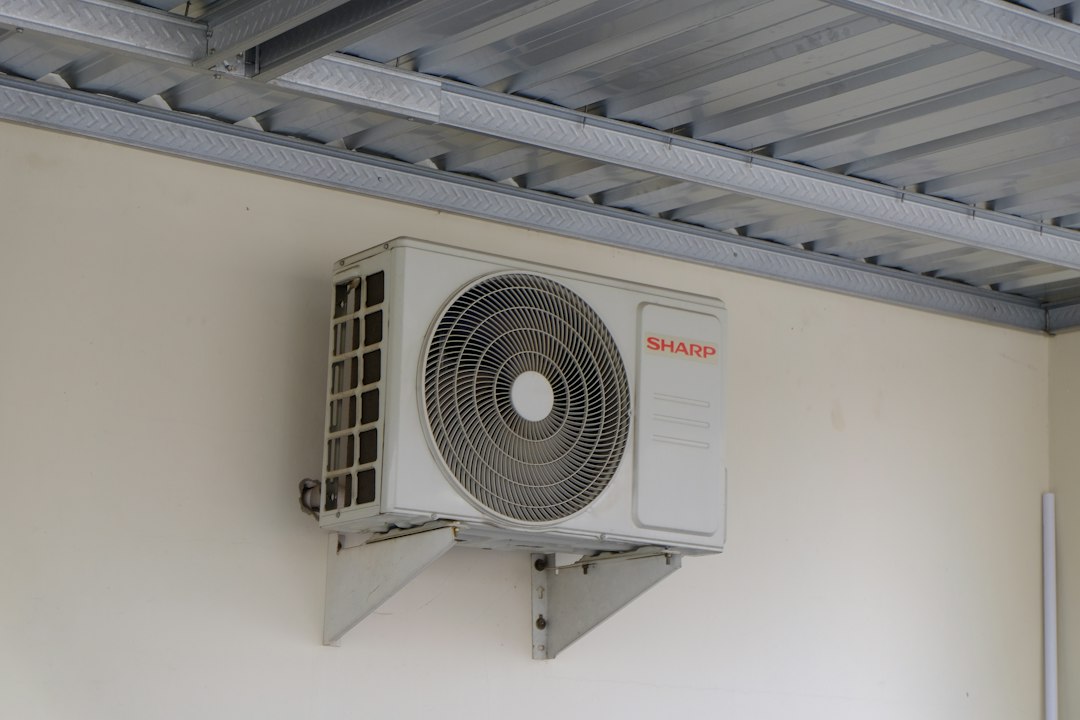
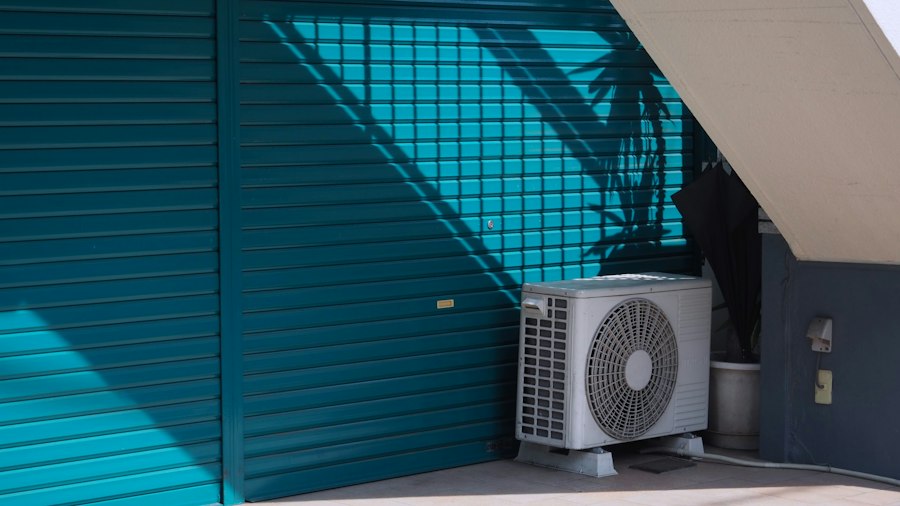
As the hot, high-pressure refrigerant gas leaves the compressor, it enters the condenser coils, which are the fins you see on the outdoor unit. Here, the refrigerant’s temperature is still high, but it’s now ready to release its heat. A fan in the outdoor unit blows ambient air across these hot coils. As the cooler outdoor air passes over the coils, it absorbs heat from the refrigerant. This heat transfer causes the refrigerant to cool down and condense from a gas into a high-pressure liquid. This is why you feel hot air blowing from the unit – you’re feeling the heat that was absorbed from inside your home being expelled into the outside environment. It’s essentially the exhaust of the heat-removal process.
The Expansion Valve: Preparing for the Next Round
After passing through the condenser and transforming into a liquid, the refrigerant flows to the expansion valve (also called a metering device). This valve acts like a nozzle, restricting the flow of the liquid refrigerant. As the liquid is forced through this narrow opening, its pressure drops dramatically. This sudden pressure drop causes the refrigerant to cool down significantly, becoming a very cold, low-pressure liquid-vapor mixture. This prepares it for its next crucial task: absorbing heat.
The Evaporator: Absorbing Indoor Heat
The cold, low-pressure refrigerant then travels to the evaporator coils, which are located inside your home, usually within the air handler or furnace. As the warm air from your living space is drawn across these cold evaporator coils by another fan (the indoor blower), the refrigerant absorbs the heat from the air. This heat causes the refrigerant to evaporate, transforming back into a low-pressure gas. As the air loses its heat to the refrigerant, it becomes cool and is then blown back into your rooms, lowering the indoor temperature. The cycle then repeats, with the low-pressure gas returning to the compressor to be pressurized and heated again.
If you’re curious about the mechanics behind why an air conditioner blows hot air outside, you might find it helpful to read a related article that delves deeper into the topic. This article explains the refrigeration cycle and how heat exchange occurs, providing a clearer understanding of the process. For more information, you can check out the article here: Understanding Air Conditioners and Heat Exchange.
The Role of the Refrigerant: A Heat-Seeking Missile
The refrigerant is the unsung hero of your air conditioner. It’s a specially engineered chemical compound that circulates through the system, acting as the medium for heat transfer. Different refrigerants have different properties, but their fundamental function remains the same: to absorb heat at low temperatures and release it at higher temperatures. This ability is what allows your air conditioner to move heat from the inside of your home to the outside.
Understanding Vapor Pressure and Boiling Points
The magic of refrigerants lies in their vapor pressure and boiling points. Under normal atmospheric pressure, water boils at 100 degrees Celsius (212 degrees Fahrenheit). However, a refrigerant can be engineered to boil at much lower temperatures, even below freezing. This is achieved by manipulating its pressure. When the refrigerant is in the low-pressure environment of the evaporator coils inside your home, its boiling point drops dramatically. This allows it to absorb heat from the relatively warmer indoor air, causing it to boil and turn into a gas.
Conversely, when the refrigerant is compressed by the compressor, its pressure and temperature increase significantly. This raises its boiling point. Now, in the high-pressure environment of the condenser coils outside, the refrigerant’s temperature is higher than the outside air. This allows it to release the heat it absorbed indoors to the surrounding atmosphere, condensing back into a liquid.
Different Types of Refrigerants: Evolution and Environmental Concerns
Over the years, the refrigerants used in air conditioning systems have evolved. Early systems often used chlorofluorocarbons (CFCs) and hydrochlorofluorocarbons (HCFCs), which were highly effective but had a detrimental impact on the Earth’s ozone layer and contributed to global warming. Due to environmental regulations like the Montreal Protocol, these have been phased out.
Modern air conditioners primarily use hydrofluorocarbons (HFCs), such as R-410A. While HFCs do not deplete the ozone layer, they are potent greenhouse gases. The industry is now transitioning towards even more environmentally friendly refrigerants with lower global warming potentials (GWPs), such as hydrofluoroolefins (HFOs). Regardless of the specific type, the fundamental principle of heat absorption and release remains consistent.
The Outdoor Unit: A Heat Exchanger in Action
The outdoor unit, often referred to as the condenser unit, is where the heat from your home is ultimately released. It’s a complex piece of engineering designed to efficiently dissipate this absorbed heat into the surrounding environment. The visible components – the fan and the fins – are crucial to this process.
The Condenser Coils: The Surface for Heat Exchange
The condenser coils are a network of tubes through which the hot, compressed refrigerant flows. These tubes are typically made of copper or aluminum and are often surrounded by thin metal fins. The fins significantly increase the surface area of the coils, allowing for a much more efficient transfer of heat from the refrigerant to the air. Think of it like having more hands to warm up – the increased surface area allows the air to interact with more of the hot refrigerant, facilitating faster heat dissipation.
The Condenser Fan: Driving Airflow for Cooling
The condenser fan is responsible for drawing in ambient outdoor air and forcing it across the condenser coils. Without this fan, the refrigerant would remain hot, and the heat would not be effectively transferred to the outside. The fan’s continuous operation is essential for the condenser to do its job. As the hot refrigerant flows through the coils, the fan pushes cooler outside air over them. This air absorbs the heat from the coils, and the now-cooler refrigerant continues its journey through the refrigeration cycle. The warm air you feel emanating from the unit is the result of this heated outdoor air being expelled.
The Indoor Unit: The Heat-Absorbing Counterpart
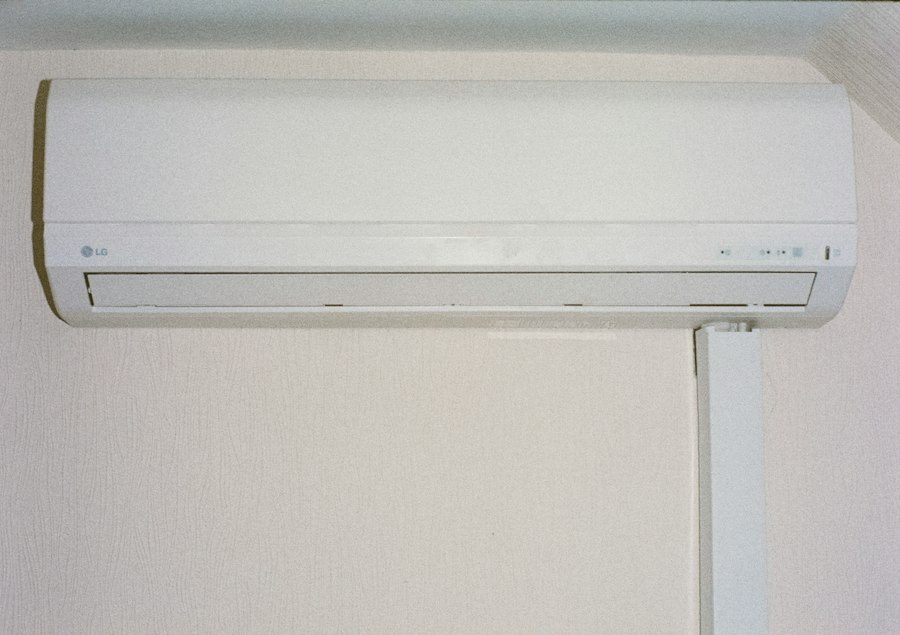
While the outdoor unit is busy releasing heat, the indoor unit is diligently absorbing it. This is where the “cooling” of your home actually takes place. The evaporator coils and the indoor fan are the key players in this part of the cycle.
The Evaporator Coils: Drawing Heat from Your Air
Inside your home, usually located within the air handler or furnace, are the evaporator coils. These coils are also a network of tubes with fins, similar to the condenser coils, but they are designed to absorb heat. As mentioned earlier, the cold, low-pressure refrigerant flows through these coils. The warm air from your living spaces is drawn across these coils by the indoor blower fan. As this warm air makes contact with the frigid evaporator coils, the heat from the air is transferred to the refrigerant, causing it to evaporate and turn into a gas.
The Indoor Blower Fan: Circulating Cool Air
The indoor blower fan, also known as the air handler fan, is responsible for pulling air from your home, pushing it across the cold evaporator coils, and then circulating the newly cooled air back into your rooms. This continuous circulation of air is what creates the comfortable temperature you experience inside. The speed of this fan is often adjustable, allowing you to control the rate at which cool air is distributed throughout your home.
When an air conditioner blows hot air outside, it is often due to the process of heat exchange that occurs within the unit. This mechanism is essential for cooling the indoor space, as it removes heat from the air inside and expels it outside. If you’re curious about the science behind this process and want to learn more about how air conditioning systems work, you can check out this informative article on the topic. For further insights, visit Freaky Science to explore related articles that delve into the fascinating principles of thermodynamics and HVAC systems.
Troubleshooting and Efficiency: When Hot Air Signals a Problem
| Metric | Description | Typical Value/Range |
|---|---|---|
| Heat Transfer | Amount of heat moved from inside to outside by the air conditioner | 5,000 – 24,000 BTU/hr (varies by unit size) |
| Compressor Work | Energy used by the compressor to pump refrigerant and transfer heat | 500 – 3,000 Watts |
| Refrigerant Temperature (Outside Coil) | Temperature of refrigerant as it releases heat outside | 90°F – 130°F (32°C – 54°C) |
| Air Temperature (Outside Air) | Temperature of air blown over the condenser coil outside | Varies with environment, typically 70°F – 110°F (21°C – 43°C) |
| Heat Exhausted Outside | Hot air blown outside is the heat extracted from inside plus compressor heat | Higher than indoor temperature by 10°F – 30°F (5°C – 15°C) |
| Efficiency (SEER Rating) | Seasonal Energy Efficiency Ratio, indicating how efficiently heat is moved | 13 – 21 SEER (higher is more efficient) |
While blowing hot air outside is normal, there are instances where the air coming from your outdoor unit might be excessively hot, or your indoor cooling performance suffers. These situations could indicate an underlying issue that needs attention.
Low Refrigerant Levels: A Leaky System
One common reason for poor cooling performance and potentially hotter-than-usual air from the outdoor unit is low refrigerant levels. This typically indicates a leak somewhere in the refrigeration system. When refrigerant levels are low, the system can’t efficiently absorb heat from your home, leading to reduced cooling and increased strain on the compressor. If you suspect a refrigerant leak, it’s crucial to contact a qualified HVAC technician. Refrigerant is a regulated substance, and handling it requires specialized knowledge and equipment.
Dirty Coils: Hindering Heat Exchange
Both the indoor evaporator coils and the outdoor condenser coils can become dirty over time. Dust, dirt, pollen, and other debris can accumulate on the fins, acting as an insulator and hindering efficient heat transfer. Dirty evaporator coils make it harder for the refrigerant to absorb heat from your indoor air, leading to less cool air being delivered. Dirty condenser coils make it harder for the refrigerant to release heat to the outside, causing the outdoor unit to work harder and potentially blow hotter air. Regular cleaning of both sets of coils is essential for optimal performance and efficiency.
Blocked Airflow: A Simple Fix for a Big Problem
Ensure that there’s no obstruction around your outdoor condenser unit. Things like overgrown bushes, lawn furniture, or debris can block airflow, preventing the fan from effectively drawing in and expelling air. Similarly, check your indoor air filter and replace it if it’s dirty. A clogged air filter restricts airflow to the evaporator coils, impacting cooling efficiency. Simple checks for airflow obstructions can sometimes resolve performance issues.
Compressor Issues: The Heart of the Matter
The compressor is the most vital and energy-intensive component of your air conditioner. If the compressor is failing or malfunctioning, it can lead to the system blowing hot air or no air at all. Symptoms of compressor problems can include strange noises from the outdoor unit, the unit not turning on, or significantly reduced cooling. Compressor issues often require professional diagnosis and repair, as they are complex and expensive components.
Ultimately, the warm air emanating from your air conditioner’s outdoor unit is not a sign of failure, but rather a testament to its fundamental operation. It’s the visible evidence of a sophisticated system working tirelessly to maintain your comfort. By understanding the refrigeration cycle, the role of the refrigerant, and the function of each component, you can gain a deeper appreciation for the engineering marvel that keeps you cool on even the hottest days. And when you do notice issues, this knowledge empowers you to have more informed conversations with HVAC professionals, ensuring your system runs efficiently and effectively for years to come.

Your AC Blows Hot Air Outside. Is That Heat From Your Room?
FAQs
1. Why does an air conditioner blow hot air outside?
Air conditioners blow hot air outside as a result of the refrigeration cycle. The hot air is produced when the refrigerant absorbs heat from inside the building and releases it outside.
2. How does an air conditioner cool the air inside while blowing hot air outside?
Air conditioners cool the air inside by removing heat from the indoor air and transferring it outside. The refrigerant in the system absorbs heat from the indoor air, cools it, and then releases the heat outside.
3. Is it normal for an air conditioner to blow hot air outside?
Yes, it is normal for an air conditioner to blow hot air outside. This process is essential for the cooling function of the air conditioner and is a sign that the system is working properly.
4. Can the hot air blown outside by an air conditioner affect the temperature indoors?
The hot air blown outside by an air conditioner does not affect the temperature indoors. The system is designed to remove heat from the indoor air and release it outside, ensuring that the temperature inside remains cool and comfortable.
5. What should I do if my air conditioner is blowing hot air inside instead of outside?
If your air conditioner is blowing hot air inside instead of outside, it may indicate a problem with the system. In such cases, it is recommended to contact a professional HVAC technician to diagnose and repair the issue.